

Tribal Hanging Bag
When you search for a tribal hanging bag, you enter a world of nomadic textiles woven for practical camp storage across Persia, Central Asia, and Anatolia.
Tribal Hanging Bag
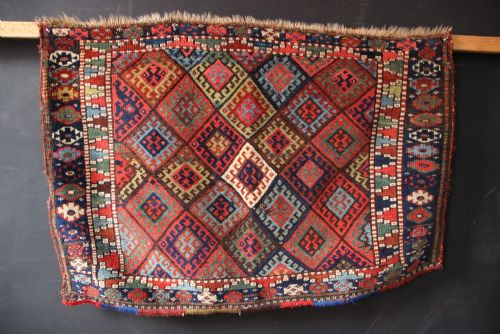
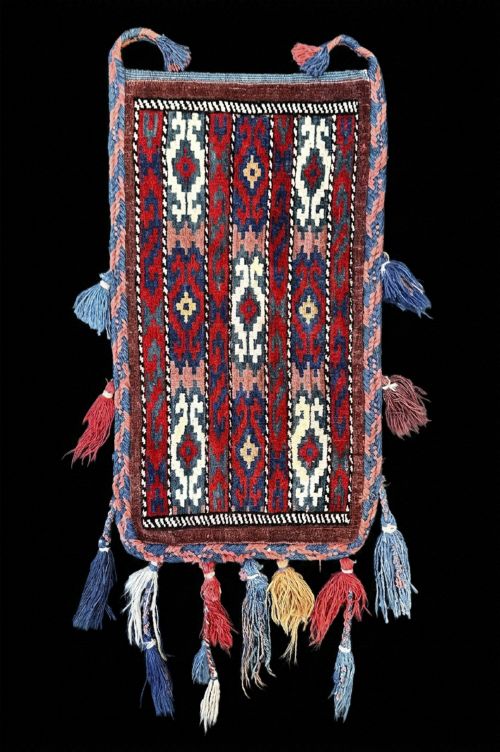
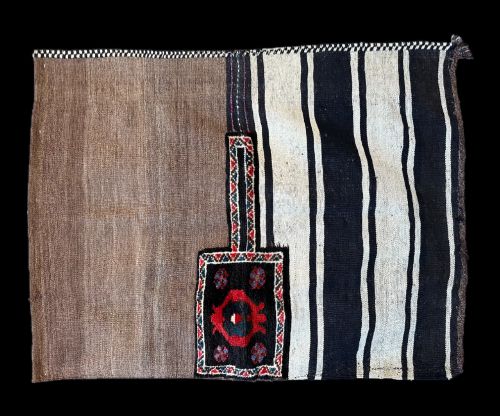
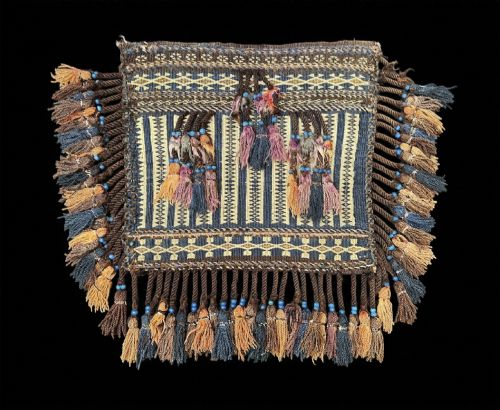
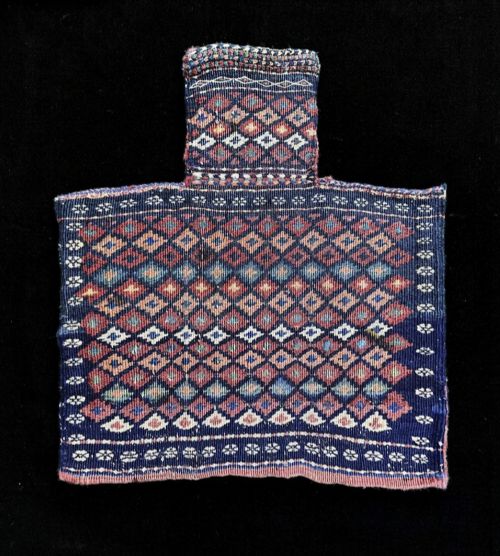
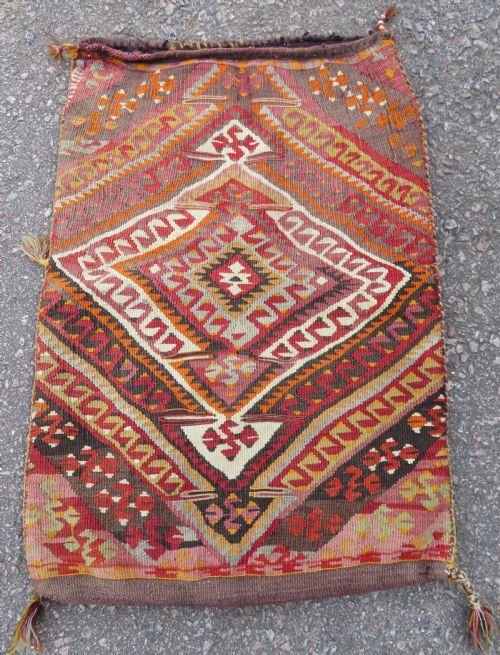
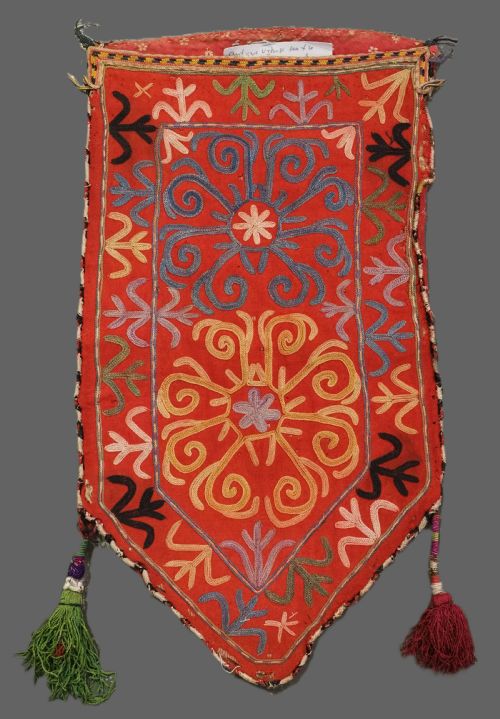
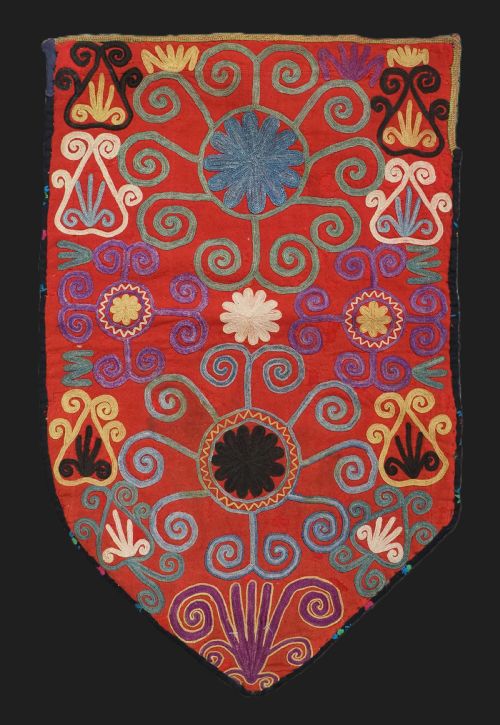
A tribal hanging bag encompasses utilitarian containers woven by nomadic and village weavers, including salt-bags, vanity bags, storage sacks, and specialised hanging pouches. These pieces served functional roles inside tents and dwellings, used to store personal possessions, provisions, or household items.
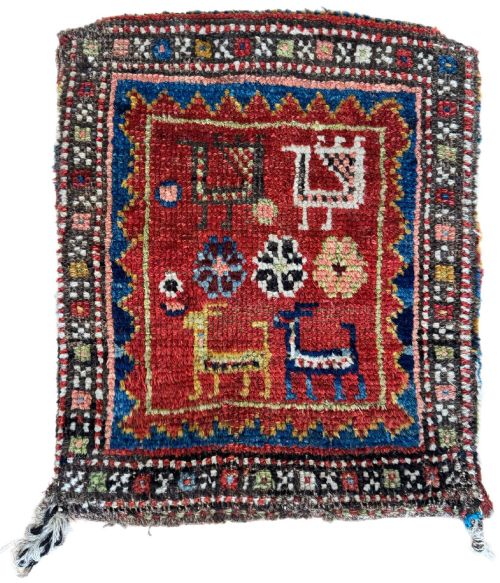
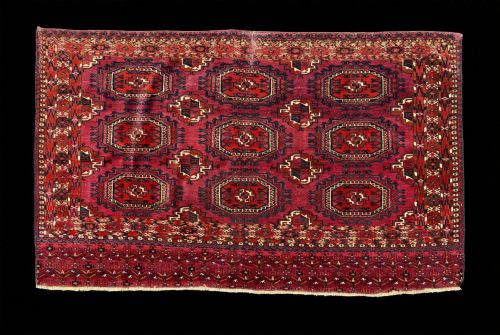
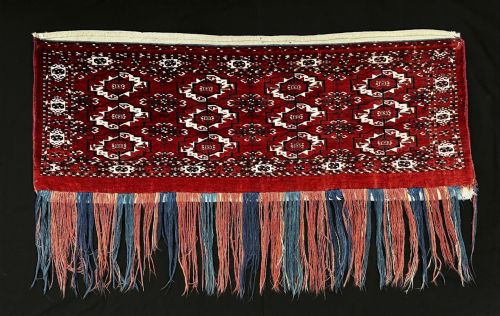
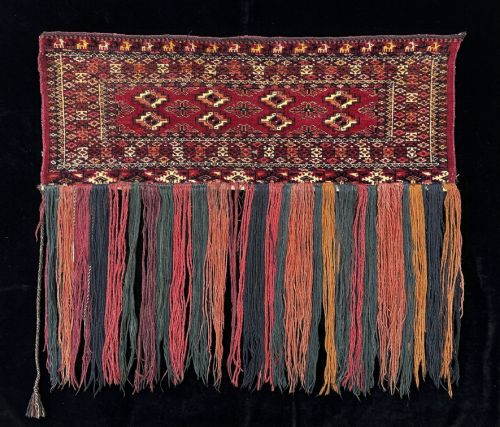
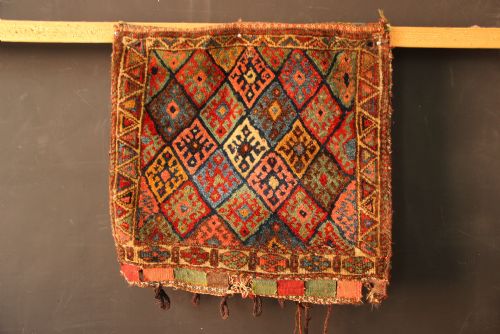
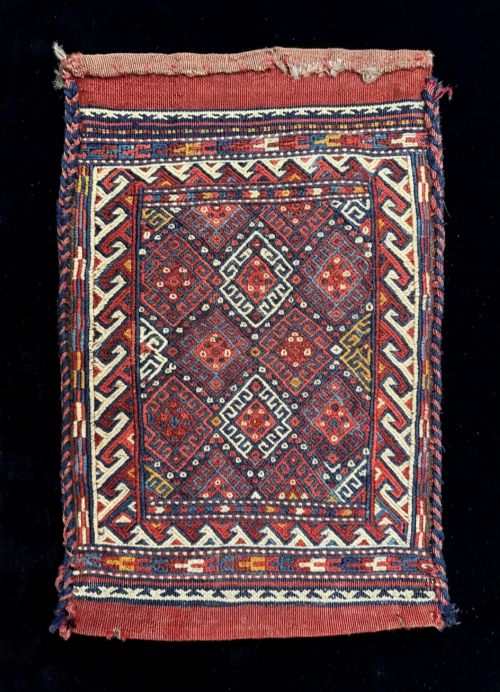
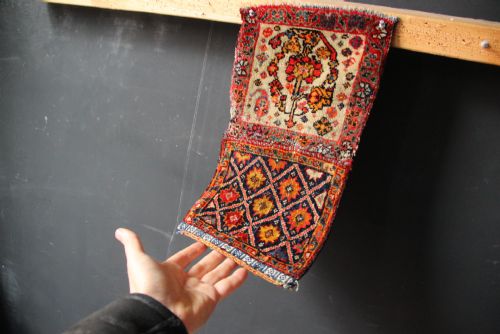
The selections available range from Turkmen torbas and chuvals originating in the oases and steppes to Persian nomadic examples made by groups such as the Qashqa'i, Afshar, and Baluch. Formats span small personal chantehs and spindle bags to larger tent wall hangings and grain sacks.
Originating predominantly across the nineteenth and early twentieth centuries, these woven textiles reflect the specific tribal traditions and regional weaving grammar of their makers. Each piece carries structural and decorative choices tied to the daily life of pastoral communities.
How they were made
Weavers utilised hand-spun wool for foundations and pile, often combined with cotton or silk elements for structural contrast or surface detail. Natural dyes provided the palette, yielding deep madder reds, indigos, and earth tones derived from local plants and minerals.
Construction techniques include pile weaving with asymmetrical or symmetrical knots, flat-woven kilim structures, and supplementary weft-wrapping. Artisans occasionally integrated decorative embellishments such as glass beads and cowrie shells directly into the textile structure.
Tribal Hanging Bag Retail Price Guide 2026
Typical asking prices for tribal hanging bag among the pieces listed under this phrase on Sellingantiques today, from the lower quarter to the upper quarter. They describe what is for sale here now, not the wider market.
Many salt-bags feature narrow necks specifically designed to keep curious camp animals from dipping their noses into the contents.
What varies in quality
Quality rests in the handling of the wool, the saturation and consistency of natural dyes, and the precision of the weave. Finer knot density and crisp drawing elevate certain pieces, demonstrating greater technical control by the weaver.
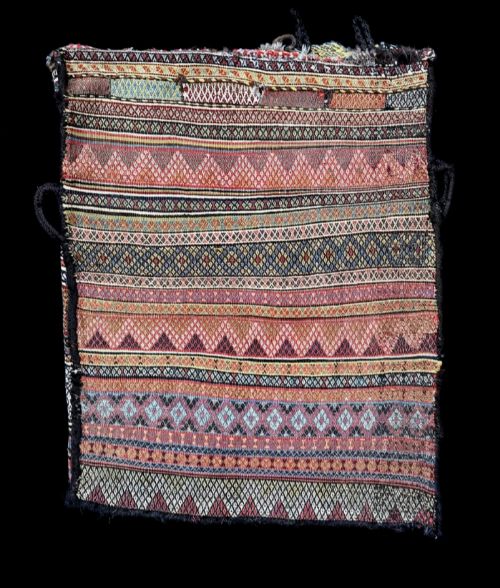
The integrity of the original format also shapes the standard, distinguishing complete bags retaining their flat-weave backs and suspension loops from fragmented bag faces. The balance of proportion, secondary border design, and rhythm of the primary guls or motifs define the visual success of the textile.
The Tribal Hanging Bag Glossary
- Chanteh
- A small pocket or carrying bag woven by nomads for personal items. These portable containers often feature piled faces with flat-woven backs.
- Chuval
- A large tent storage bag produced by Turkmen tribes. They were stacked inside nomadic dwellings to hold household belongings and bedding.
- Torba
- A smaller horizontal storage bag used by Turkmen and other nomadic groups for specific provisions. They frequently hung against the interior lattice walls of a yurt.
- Gul
- A repeating medallion or octagonal motif central to Turkmen and tribal design traditions. Each tribal grouping utilised distinct variations to signal identity.
- Salt-bag
- A narrow, long-necked utility bag traditionally used for storing rock salt or personal valuables. They typically display hooked or geometric field patterns.
Tribal Hanging Bag: Frequently Asked Questions
How were tribal hanging bags used?
Nomadic families hung these bags inside tents and yurts to keep possessions off the damp ground and organised for daily camp life. Different sizes and shapes held salt, grain, spindle tools, or personal vanity items.
Over time, these utilitarian objects became repositories of tribal identity, displaying family symbols and weaving knowledge passed down through generations.
How do I hang a textile bag safely?
Mounting requires distributing the weight evenly across a padded wooden slat or using conservation-grade cotton ties attached to the existing loops or top edge. Avoid hanging heavy pieces by a single point to prevent distortion of the old wool foundations.
Keep the textile away from direct sunlight and heat sources to protect the natural dyes and fibres from fading or becoming brittle.
How can I tell different tribal styles apart?
Turkmen pieces usually feature deep madder grounds and precise octagonal guls like the Tekke or Saryk formations. Persian nomadic bags by groups such as the Qashqa'i or Afshar often display more varied colour palettes with boteh, bird, or geometric medallion motifs.
Examining the structure, edge finishes, and wool characteristics helps connect a piece to its specific regional weaving group.
What is the difference between a bag face and a complete bag?
A complete bag retains both the decorated piled front and the original plain-weave or striped flat-weave back, along with any original hanging attachments. A bag face is simply the front portion that has been separated from its backing over time.
Complete examples offer a view of the original utilitarian construction and closing mechanisms used in the nomadic camp.