






Tribal Flatweave Pillow
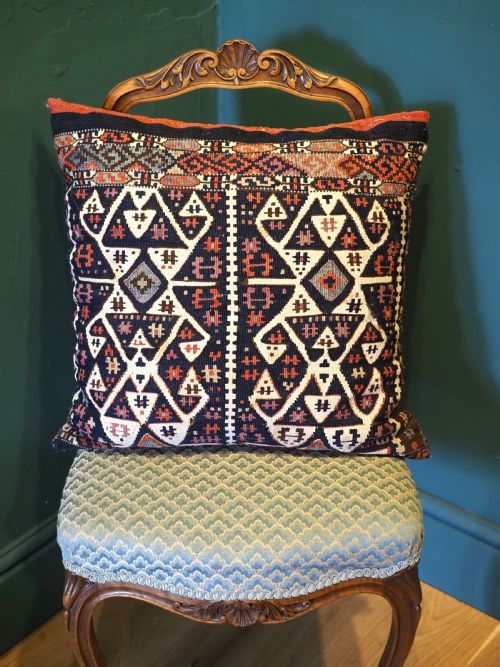
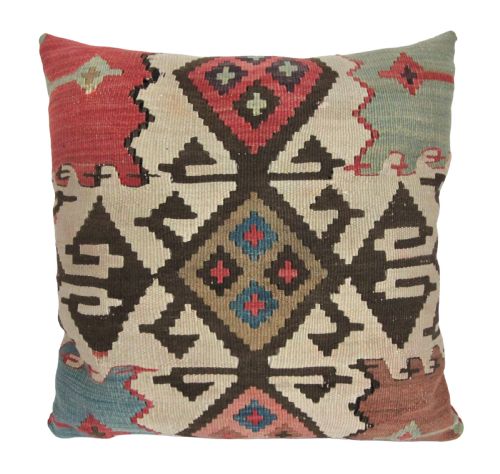
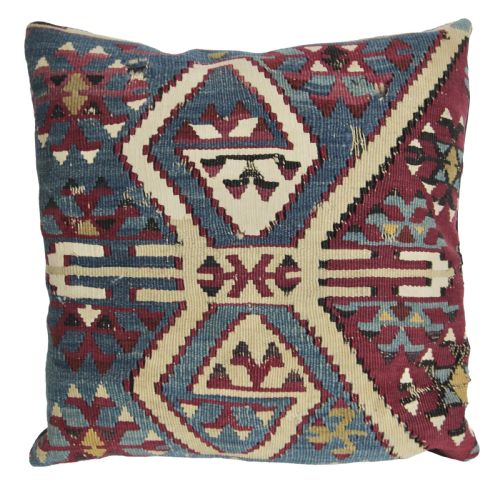
These tribal flatweave pillow pieces bring genuine nomadic textile history into modern rooms as durable cushions.
Tribal Flatweave Pillow
When you search for a tribal flatweave pillow, you are looking at utilitarian nomadic textiles that have been repurposed into cushions and throw pillows. These items derive from antique kilims, saddle bags, mafrash, and torba panels woven across Anatolia, Persia, and Central Asia. The pieces available range from mid nineteenth century examples to early twentieth century productions.
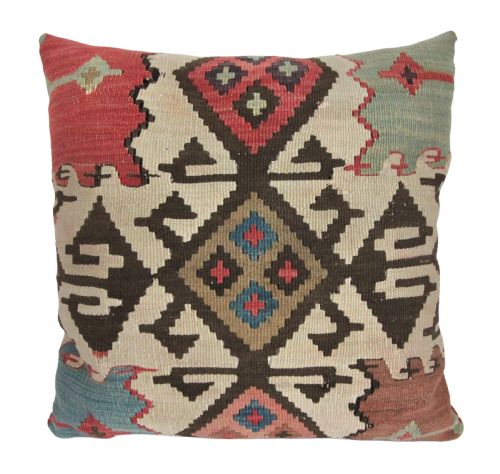
You are most likely to meet kilim cushions and transformed saddle bag faces on this page. These soft furnishings utilise fragments of larger woven structures, retaining the original flatweave construction and geometric patterns. Each object represents a continuation of traditional nomadic weaving traditions adapted for modern domestic interiors.
How they were made
The materials recorded in these listings consist of hand spun wool and cotton, worked together to create flatweave textile surfaces. Artisans relied upon natural dyes to colour the wool, producing deep tones across the field of each textile.
The construction technique relies on hand weaving without a pile, resulting in a flat, durable fabric. Weavers integrated intricate geometric motifs directly into the structure of the flatweave during production.
Tribal Flatweave Pillow Retail Price Guide 2026
Typical asking prices for tribal flatweave pillow among the pieces listed under this phrase on Sellingantiques today, from the lower quarter to the upper quarter. They describe what is for sale here now, not the wider market.
Nomadic weavers packed household belongings into these very flatweave bags before they found new life as scatter cushions.
What varies in quality
Quality in these cushions rests upon the integrity of the original flatweave textile and the skill of the nomadic weaver. Finer pieces display tighter knotless structures, superior wool preparation, and more complex geometric layouts.
The strength of the natural dyes and the preservation of the antique wool determine the overall character of the piece. Earlier nineteenth century examples often reveal deeper nuances in pigment and handling compared to later outputs.
The Tribal Flatweave Pillow Glossary
- Kilim
- A flatweave textile produced without a pile, formed by tightly interweaving warp and weft strands. This technique creates a smooth surface suited for cushions and floor coverings.
- Flatweave
- A textile construction method where no vertical pile is knotted into the foundation. The pattern emerges directly from the interlacing of warp and weft threads.
- Mafrash
- A nomadic storage container or chest panel, frequently woven in flatweave techniques. These panels are often repurposed into decorative cushions.
- Torba
- A small storage bag produced by Turkmen and other nomadic groups. Surviving fragments are often converted into scatter pillows and small cushions.
- Natural Dyes
- Colourants derived from plant, insect, and mineral sources prior to the widespread adoption of synthetic alternatives. These substances yield the characteristic varied hues seen in antique nomadic textiles.
Tribal Flatweave Pillow: Frequently Asked Questions
What is a tribal flatweave pillow made from?
These cushions are constructed from hand woven wool and cotton textiles originally produced by nomadic groups. The makers utilised natural dyes to colour the yarns before weaving them into flat structures.
Many examples incorporate repurposed fragments from nineteenth century saddle bags, kilims, and storage containers. The resulting covers maintain the authentic texture and geometric patterns of the original pieces.
How old are these antique cushions?
The pieces listed originate from various periods spanning the mid nineteenth century through the early twentieth century. Dates frequently point to eras around eighteen fifty, eighteen seventy, and nineteen hundred.
Exact dating relies on the materials, dye types, and regional weaving characteristics observed in the textile. Each item reflects the production standards of its specific period of origin.
Where do these flatweave pillows come from?
The textiles originate from traditional nomadic and village weaving centres across Anatolia, Persia, and Central Asia. Specific regional styles include Anatolian tribal, Persian tribal, and Caucasian influences.
Tribal groups such as the Yomut Turkmen and Shahsavan produced the original saddle bags and flatweaves. These regional identities remain visible in the distinct patterns and border designs of each cushion.
How do I care for an antique kilim cushion?
Maintenance requires gentle handling to preserve the antique wool and natural dyes. Periodic light vacuuming helps remove surface dust without disturbing the flatweave structure.
Professional textile cleaning is recommended for heavier attention to prevent damage to the historic fibres. Keeping the cushion away from direct sunlight protects the natural dye colours from fading.