





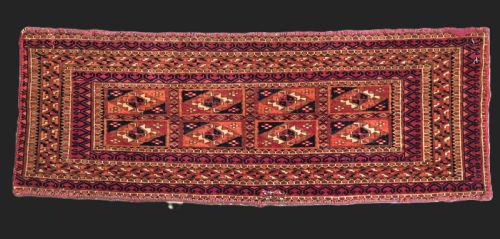


Tribal Carpet Bag
A tribal carpet bag brings the tangible history of nomadic and village weaving into a modern interior through rich wools and historic motifs.
Tribal Carpet Bag
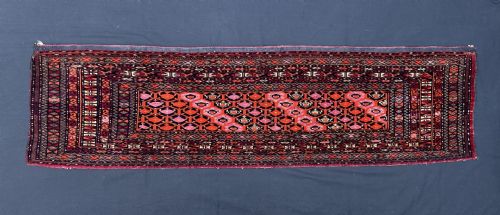
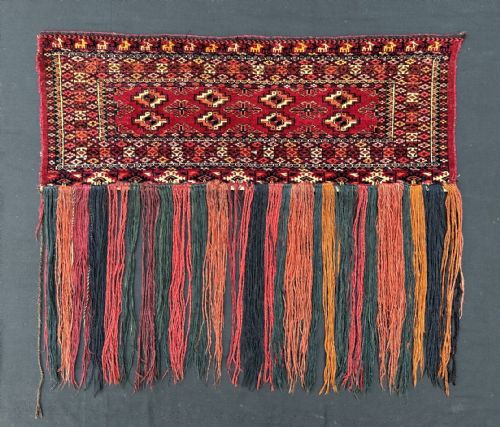
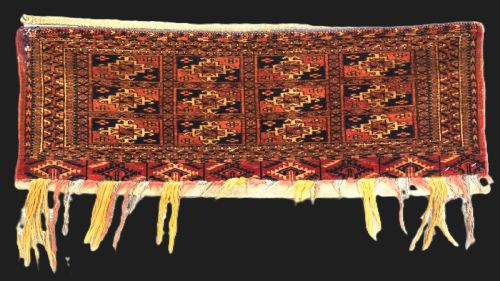
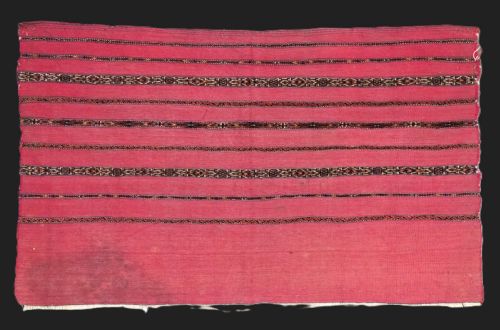
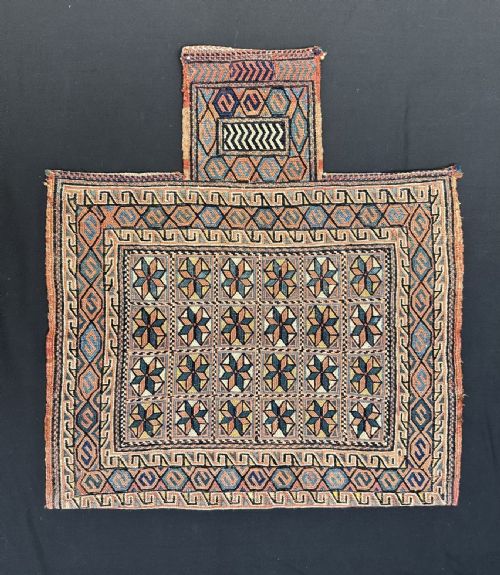
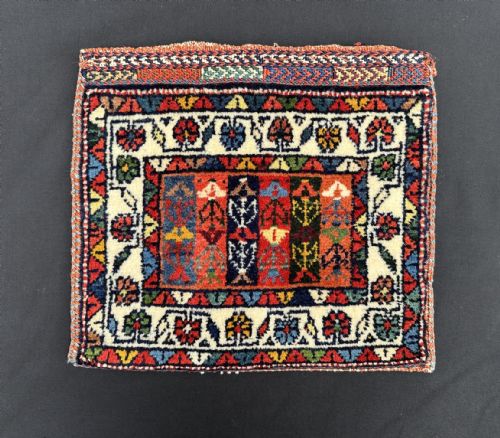
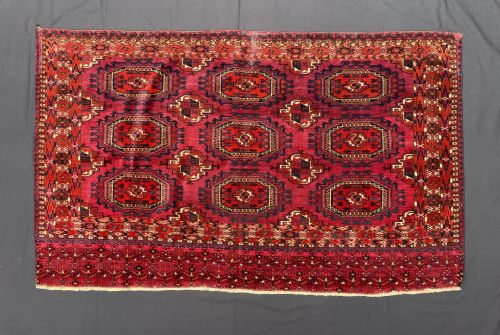
A tribal carpet bag encompasses utilitarian containers and storage pieces created by nomadic and village weavers across Central Asia, Persia, and the Caucasus. These textile objects include functional saddlebags, storage sacks, and smaller pouches designed for daily nomadic life.
The pieces encountered on this page date primarily from the nineteenth and early twentieth centuries, reflecting the distinct tribal traditions of groups such as the Tekke Turkmen, Yomut, Ersari, and Afshar.
Makers fashioned these bags to serve specific domestic functions within the yurt or tent, utilising durable pile or flatweave structures to withstand rigorous transport and daily handling.
Materials and Construction
Weavers relied on locally sourced wool, often hand-spun, combined with supplementary foundation threads of cotton, goat hair, and linen to provide structural strength. Natural dyes supplied the deep reds, ivories, and dark contrasts that define the palette.
The construction typically involves dense pile knotting or intricate flatweave techniques, creating sturdy panels designed to endure the physical demands of nomadic existence.
Tribal Carpet Bag Retail Price Guide 2026
Typical asking prices for tribal carpet bag among the pieces listed under this phrase on Sellingantiques today, from the lower quarter to the upper quarter. They describe what is for sale here now, not the wider market.
Assessing Quality and Execution
Quality rests upon the fineness of the weave, the clarity and precision of tribal guls or geometric motifs, and the depth of the natural dyes. Pieces exhibiting exceptional knot density and well-balanced palettes represent the finest achievements of these weaving traditions.
The integrity of the remaining structure, whether a complete bag with its plain weave back or a preserved bagface, influences the visual impact and historical completeness of the textile.
The Tribal Carpet Bag Glossary
- Chuval
- A large tent storage bag produced by Turkmen and other nomadic groups. These pieces traditionally held household goods inside the dwelling.
- Torba
- A smaller storage bag used across Central Asia, typically hung against the wall of a yurt. They feature distinctive tribal gül arrangements.
- Gül
- A repeated medallion or floral motif characteristic of Turkmen carpet and bag designs. Each tribe utilised specific forms to denote lineage.
- Mafrash
- A rectangular storage container or pannier face used for bedding and household belongings. They often display striking banded flatweave or pile designs.
- Flatweave
- A textile constructed without pile by interlocking warp and weft threads. This technique yields a durable, smooth surface utilised in utilitarian bags.
Tribal Carpet Bag: Frequently Asked Questions
What were tribal carpet bags used for?
Nomadic groups utilised these bags primarily for storage and transport within tents and during seasonal migrations. They held clothing, salt, bedding, and household utensils.
Over time, these utilitarian objects became expressions of tribal identity and artistic skill, often forming part of a bride's dowry.
How do I care for an antique textile?
Protect the wool fibres by keeping the piece out of direct, harsh sunlight to prevent dye fading. Gentle vacuuming through a mesh screen helps remove dust without stressing the historic weave.
Avoid hanging heavy bags by isolated corners, supporting the weight evenly across the entire structure instead.
How are different tribal designs identified?
Weavers incorporated specific geometric motifs, border arrangements, and primary gül patterns associated with particular regions and confederations. Turkmen tribes such as the Tekke, Yomut, and Ersari maintained distinct visual vocabularies.
Material choices and palette preferences also offer clues to the geographical origin and cultural background of the maker.
Are these bags complete or fragments?
Surviving examples appear both as complete bags retaining their original plain-weave backs and as individual bagfaces separated from their rear panels over time. Both formats are common within historical textile collections.
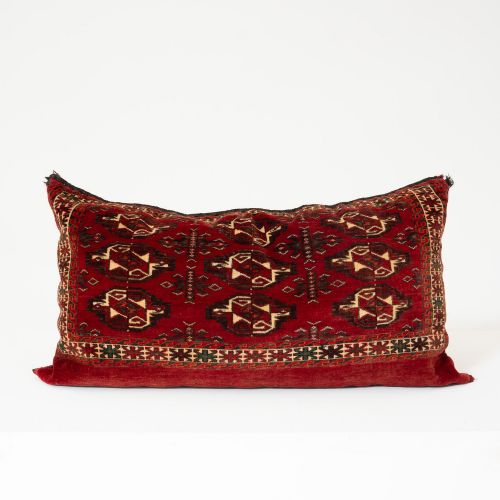
Individual faces often function successfully as decorative wall hangings or cushion covers.