

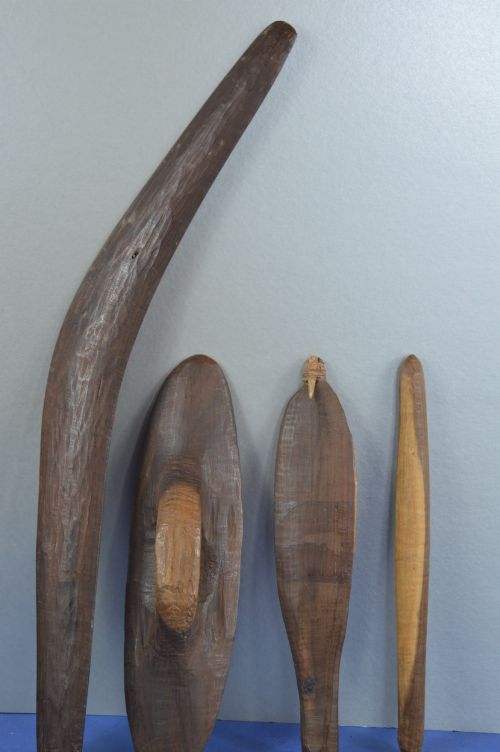


Tribal Art Carving
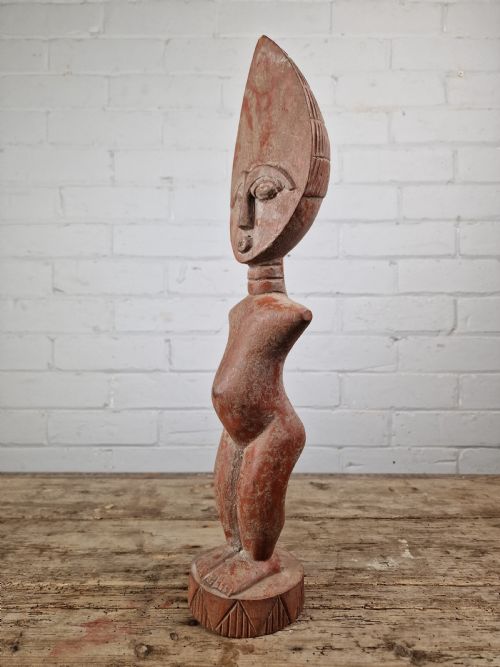
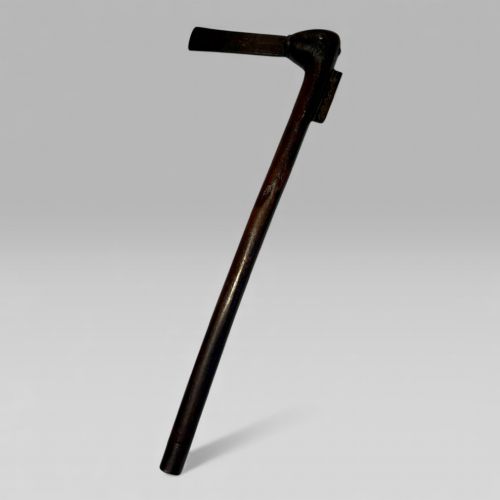
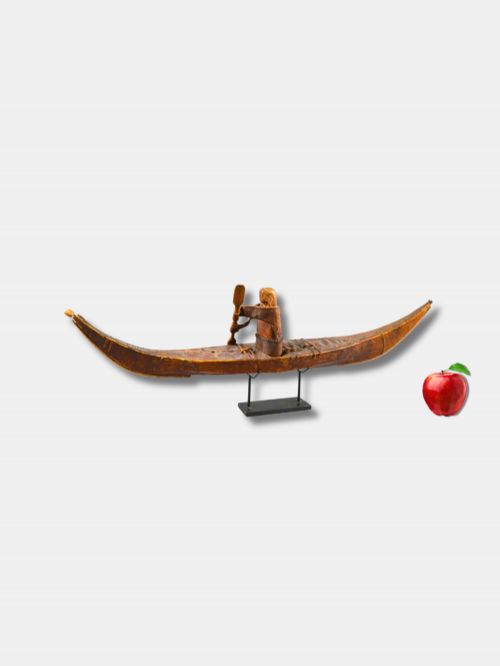
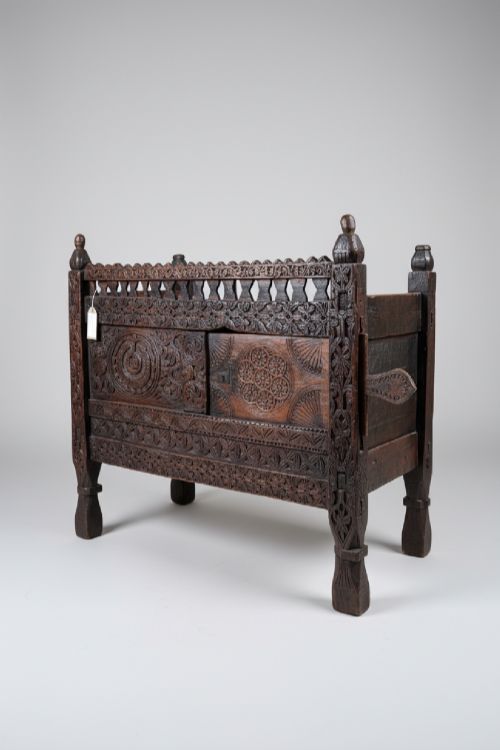
These tribal art carving pieces bring expressive human forms and ritual objects into a room, spanning figures, masks, and weapons.
Tribal Art Carving
A tribal art carving brings together sculptural objects, ritual masks, weapons, and utility items created across global indigenous cultures. Buyers seek these pieces for their powerful sculptural presence and their direct connection to traditional ceremonies, daily life, and ancestral practices.
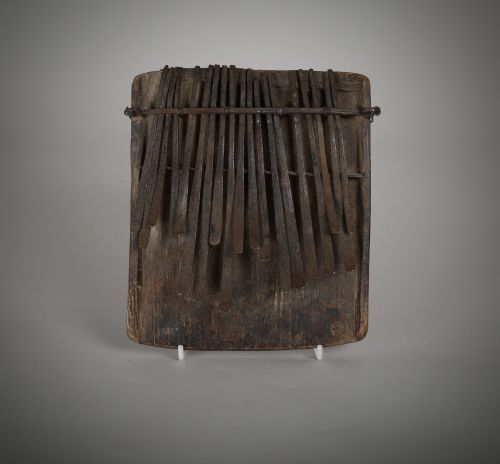
The objects span the nineteenth century through the mid-twentieth century, with a strong representation of nineteenth-century items alongside pieces from the nineteen-twenties and nineteen-thirties. Forms range from figurative sculptures and ceremonial axes to domestic vessels, musical instruments, and architectural elements.
Geographic origins recorded in the inventory stretch across African regions such as Congo, Gabon, Mali, and Ghana, alongside Oceanic pieces from Fiji, New Caledonia, and Papua New Guinea. Asian works from Indonesia, India, and the Himalayas, together with Inuit and Aboriginal items, complete the wide geographic spread.
Materials and construction methods
Makers shaped these objects primarily from hardwoods and native woods, utilising hand tools to carve detailed figures, masks, and structural panels from solid trunks and branches. Bone, antler, and whalebone also provide durable materials for smaller implements, spoons, and carved statues.
Many surfaces display applied pigment, paint, or natural patinas developed through handling and ceremonial use. Specialised items incorporate tanned seal skin, iron, and metal fittings to assemble functional weapons, drums, and ceremonial regalia.
Tribal Art Carving Retail Price Guide 2026
Typical asking prices for tribal art carving among the pieces listed under this phrase on Sellingantiques today, from the lower quarter to the upper quarter. They describe what is for sale here now, not the wider market.
Listings feature hard wood, bone, and pigment across nineteenth-century and early twentieth-century geographic regions including Africa, Oceania, and the Arctic.
Distinctions in quality and execution
Pieces that retain their original pigments, ritual wear, and undisturbed dry surfaces command greater attention than those with overly cleaned finishes or modern restorations. The rhythm of the chisel marks and the density of the chosen timber directly influence the sculptural weight of each object.
The Tribal Art Carving Glossary
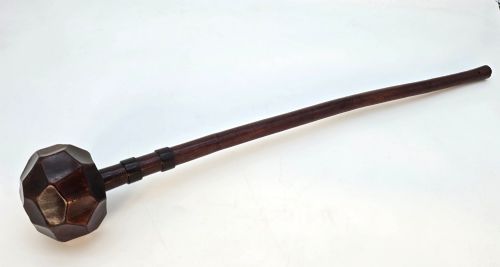
- Knobkerrie
- A traditional African wooden throwing club featuring a heavy spherical or rounded head on a slender shaft.
- Kifwebe
- A ceremonial mask associated with the Songye people of the Democratic Republic of Congo, characterised by distinct linear engraving patterns.
- Ula
- A traditional throwing club originating from Fiji, often carved with distinct grip texturing and a bulbous head.
- Récade
- A ceremonial axe used as a symbol of royal authority, particularly associated with the Kingdom of Dahomey.
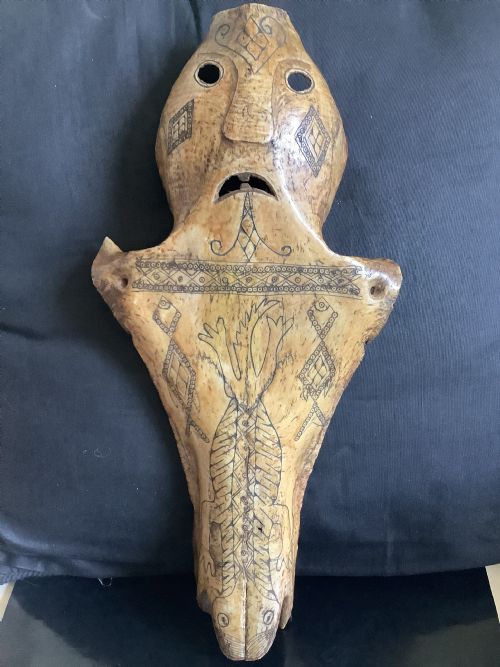
- Tupilak
- A carved shamanic figure from Inuit culture traditionally fashioned from bone, antler, or whale vertebra.
- Patu
- A short, flat striking weapon used in indigenous Oceanic cultures.
Tribal Art Carving: Frequently Asked Questions
How were these carvings used originally?
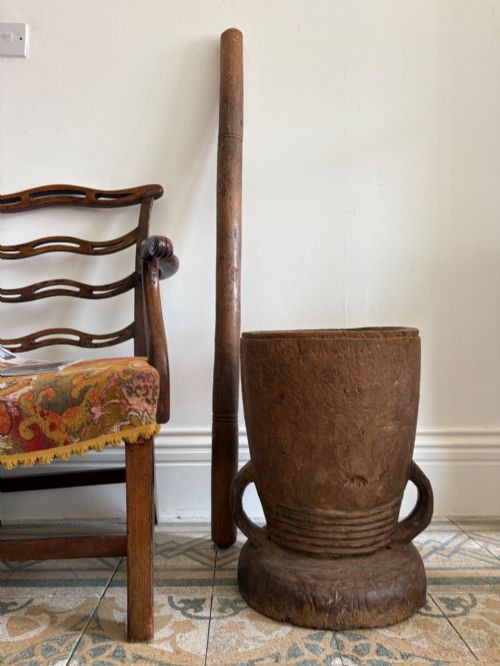
Many of these objects served functional roles in daily life, such as grain mortars, stools, spoons, and hunting weapons. Others fulfilled vital spiritual and social functions in dances, rituals, ancestral veneration, and royal ceremonies.
Masks and figures often embodied spirits or ancestors during communal gatherings, while specific clubs and axes denoted status or authority within the community.
How do I care for wooden and bone carvings?
Keep wooden and bone objects away from direct sunlight and sources of artificial heat to prevent the material from drying out and cracking. Maintain a stable room temperature and moderate humidity.
Avoid applying modern furniture polishes, oils, or waxes to dry surfaces, as these can alter the historic patina and damage porous materials like bone and unsealed wood.
How can I tell the regional origin of a mask?
Regional styles reveal themselves through distinct sculptural conventions, facial proportions, scarification marks, and surface treatments unique to specific cultural groups. For instance, masks from the Congo often feature bold geometric engraving, while pieces from Gabon display smooth, rounded planes.
Examining the choice of local timber, pigment types, and traditional construction methods helps narrow down the geographic source.
Are these objects meant to be displayed freestanding?
Many larger figures, vessels, and sculptures stand securely on flat surfaces without additional support. Wall-mounted items such as masks, shields, and architectural panels require appropriate custom mounts or brackets designed for safe hanging.
When displaying heavier items like wooden doors or stone and bone figures, ensure the supporting surface or wall anchor can safely bear the weight.