






Tribal Art Artifact
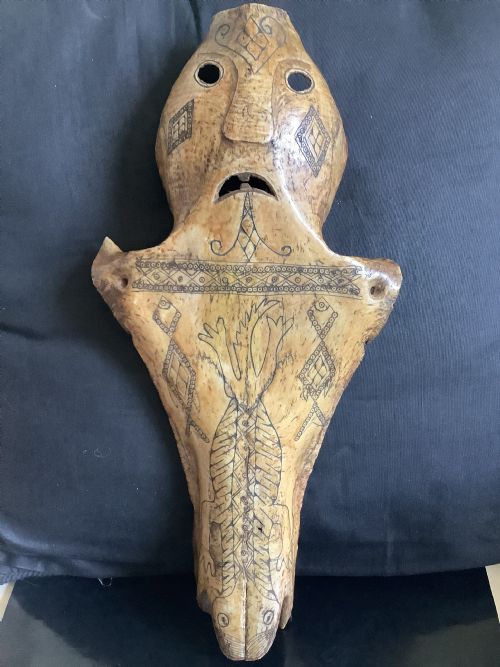
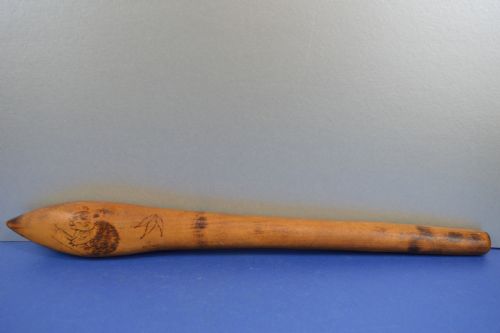
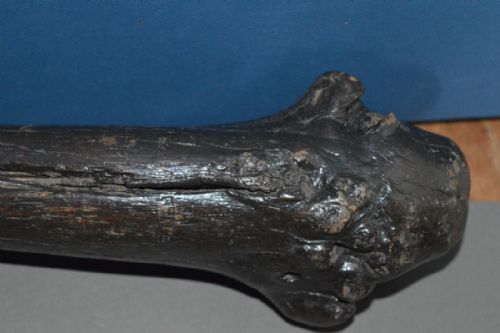
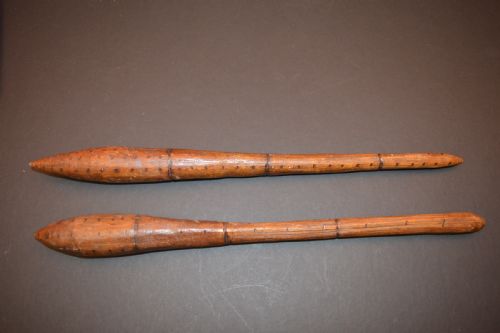
These tribal art artefact pieces range from 18th century throwing clubs to 19th century masks, carrying the ritual and daily history of indigenous cultures worldwide.
Tribal Art Artifact
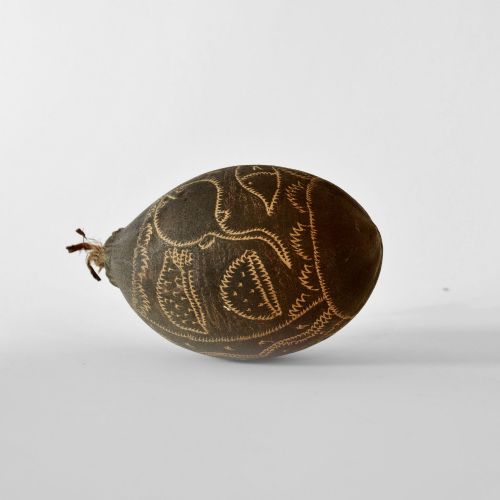
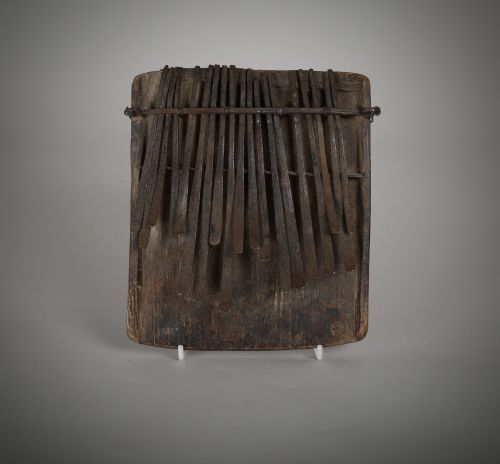
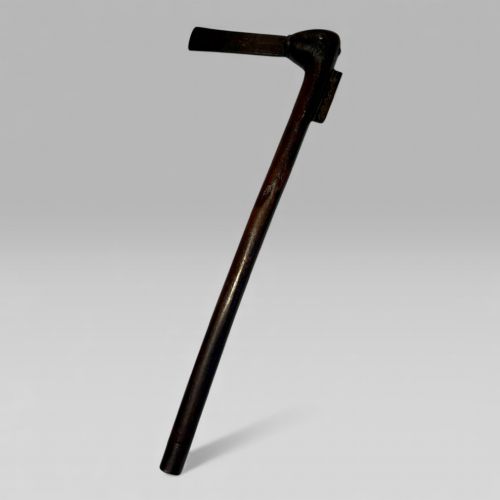
When you search for tribal art artefact, you encounter a diverse range of cultural objects originating from African, Oceanic, Indigenous Australian, Asian, and Native American traditions. These items span functional tools and weapons like clubs and axes to ceremonial masks, statues, and ritual headdresses.
The selection on this page leans heavily into 19th-century material culture, alongside pieces from the 18th century and early 20th century. Common forms include throwing clubs, carved masks from regions such as the Congo and Gabon, and practical items like bone spoons and pipes.
Geographic origins define these objects clearly, stretching from the Pacific islands and the Australian bush to the kingdoms of West Africa and the Himalayas. Each piece reflects the specific material culture, belief systems, and social structures of its makers.
How they were made
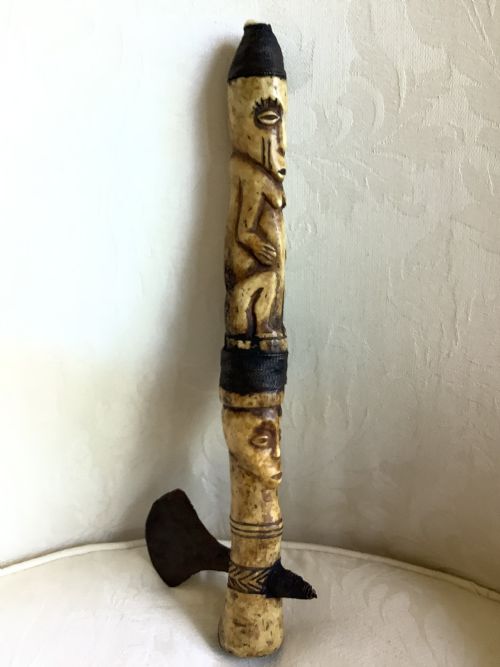
Makers utilised dense native hardwoods such as those found in Oceanic and African war clubs, carving them with hand tools to achieve balanced weight and traditional geometric or ribbed surface patterns. Animal materials like bone, antler, and whalebone were also shaped into spoons, skull carvings, and intricate handles.
Casting methods produced significant bronze works, notably seen in Yoruba staffs and busts from the early 20th century. Organic components including leather, fibre, and applied pigment frequently finish masks, headdresses, and ceremonial axes.
Tribal Art Artifact Retail Price Guide 2026
Typical asking prices for tribal art artifact among the pieces listed under this phrase on Sellingantiques today, from the lower quarter to the upper quarter. They describe what is for sale here now, not the wider market.
Listings feature hard woods, bone, iron, brass, fibre, leather, and pigment across 18th-century, 19th-century, and early 20th-century periods.
What varies in quality
The degree of traditional carving skill and anatomical accuracy separates standard utilitarian items from exceptional cultural works. Surface patination accumulated through actual use, handling, and ritual application distinguishes pieces with genuine age and history.
Condition and completeness matter greatly, especially for fragile organic additions like fibre attachments, original pigments, and delicate bone or antler components. The clarity of regional tribal style attribution also strengthens the standing of an object.
The Tribal Art Artifact Glossary
- Knobkerrie
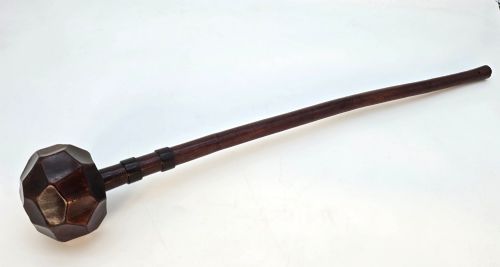
- A traditional African club featuring a heavy wooden shaft ending in a rounded ball or knob. These were utilised for both hunting and combat across various regions.
- Woomera
- An Australian Aboriginal spear-thrower that acts as an extension of the arm to increase leverage and velocity. They often double as carrying vessels or tool-sharpening boards.
- Patina
- The surface sheen and colour depth developed on wood, bone, and bronze over decades of handling, environmental exposure, and ritual use. It serves as a key indicator of age.
- Punar
- Not applicable in this context; instead consider a mask form such as the Punu mask from Gabon, characterised by stylized white-painted faces and distinct hairstyles.
Tribal Art Artifact: Frequently Asked Questions
What defines a tribal art artifact?
These items encompass functional, ritual, and decorative objects created by indigenous and traditional societies globally. They include weapons, ceremonial masks, and everyday utensils.
Materials range from local hardwoods and bronze to bone, antler, and fibre, reflecting the natural resources available to the specific maker communities.
How do I care for wooden and bone artifacts?
Keep these pieces in stable indoor environments away from direct sunlight and extreme humidity fluctuations. Sudden atmospheric changes cause organic materials like wood and bone to split or warp.
Avoid applying modern polishes or cleaning agents to the surfaces. Gentle dusting with a soft, dry brush preserves the historic patina.
How can I tell different regional clubs apart?
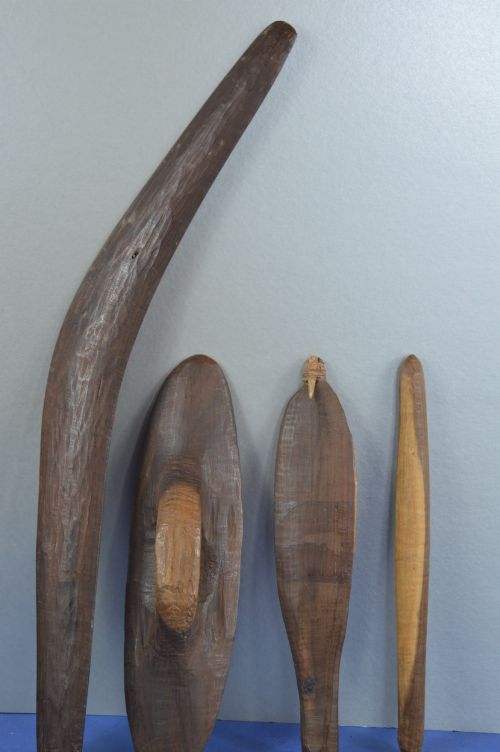
Oceanic war clubs often feature deep geometric carving, ribbed patterns, or specific paddle shapes characteristic of islands like Fiji or New Caledonia. Australian Aboriginal nulla-nullas and throwing clubs typically display simpler, dense hardwood forms optimised for impact.
African examples, such as Zulu knobkerries, combine rounded hardwood heads with slender handles, sometimes incorporating iron or wire bindings.
Were these objects made for ritual or daily use?
The listings include both utilitarian items, such as hunting sets, headrests, and pipes, alongside strictly ceremonial objects like dance masks, headdresses, and royal staffs. Many pieces bridged both worlds, serving practical functions within a deeply spiritual community life.
Understanding the object type helps reveal whether it belonged to daily survival, warfare, or communal ceremonies.