





Treen Spice Container
These treen spice container pieces are turned wooden vessels designed for domestic storage, offering tactile warmth and practical historical utility to any room.
Treen Spice Container
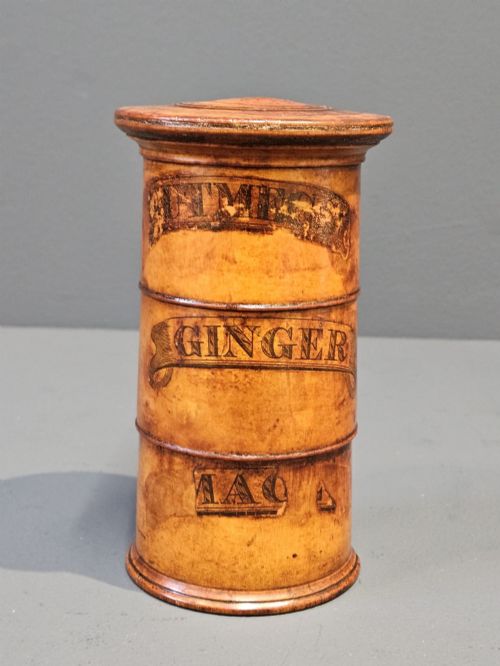
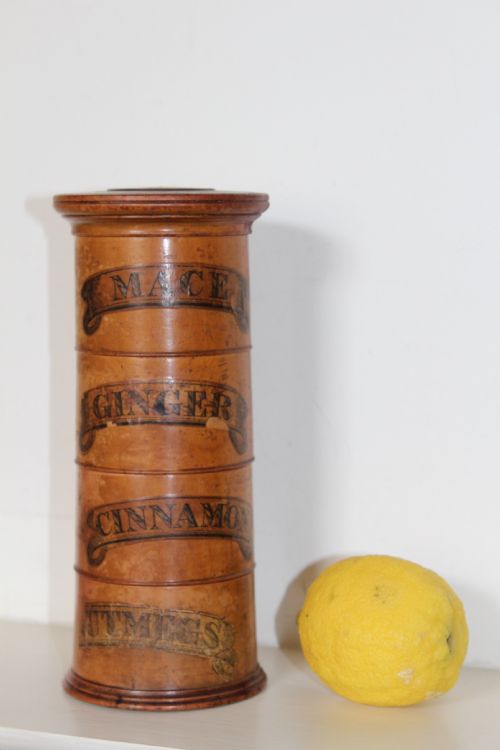
A treen spice container represents a practical domestic object turned from timber, often taking the form of a multi-tiered tower or lidded jar designed to hold household seasonings. When searching for a treen spice container, a buyer encounters pieces originating primarily from the nineteenth century, alongside examples styled in Victorian and Georgian traditions.
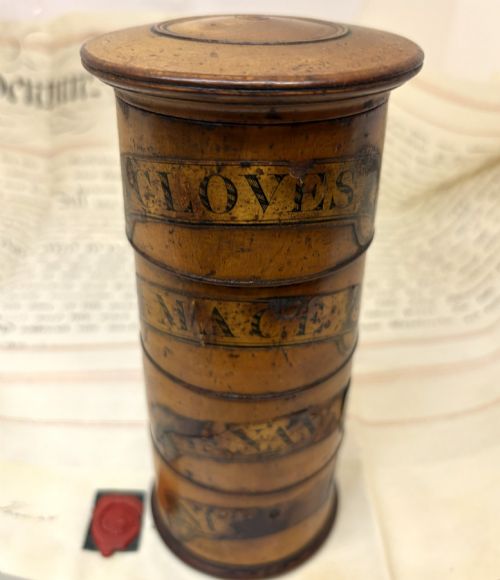
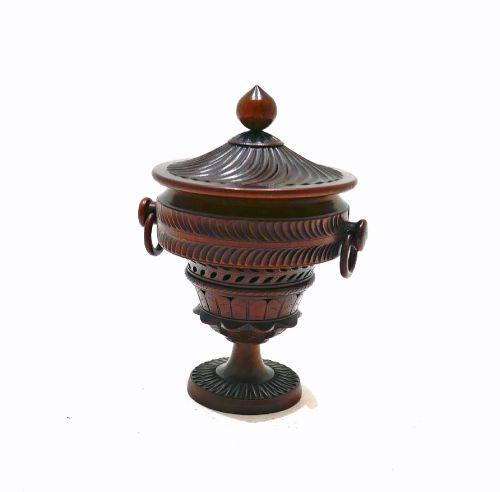
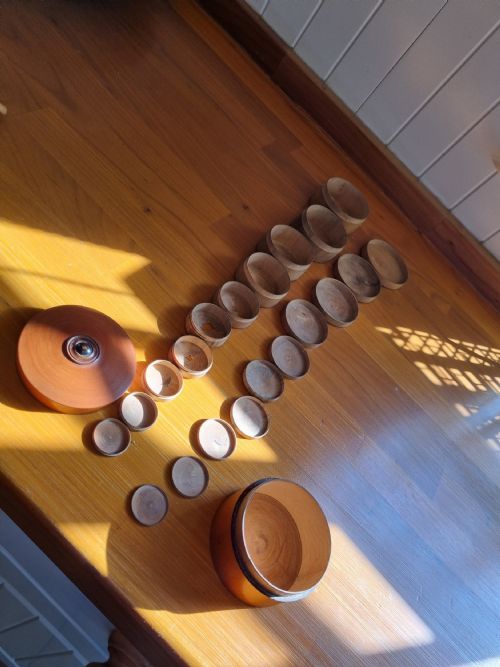
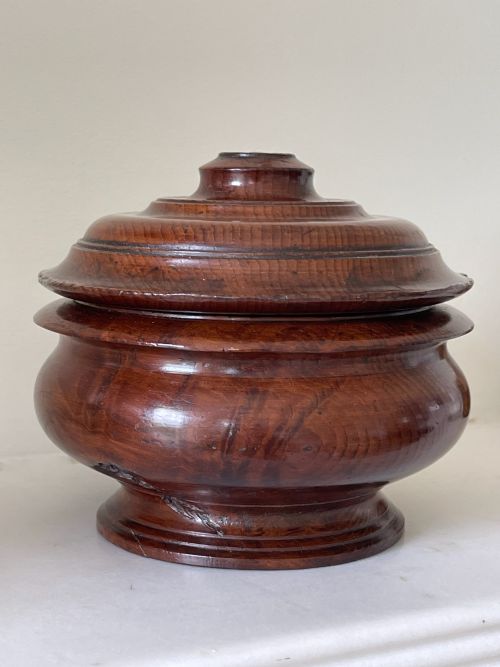
The objects on this page span several specific forms, including four-tier spice towers, lidded cups, pomanders, and jars with smaller inner containers. Sycamore, boxwood, fruitwood, and yew wood appear frequently across these listings, reflecting the native timbers favoured by turners of the period.
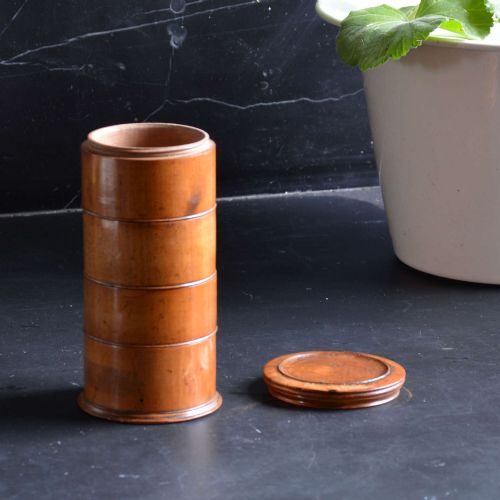
Originating from English country workshops and continental makers alike, these containers range from plain utilitarian kitchen collectables to decorative turned urns. The most common iteration met on this page is the tiered wooden tower, which unscrews to reveal multiple internal compartments for separate spices.
Materials and Turning Techniques
Craftsmen shaped these containers on a lathe using dense, close-grained hardwoods such as boxwood, sycamore, and fruitwood. These timbers permitted the precise cutting of tight-fitting threaded lids and delicate stacked sections without splitting.
Makers occasionally applied paper labels to identify contents or workshop details on the exterior of the turned body. The natural grain of yew and beech remained visible, finished simply to highlight the figure of the wood.
Treen Spice Container Retail Price Guide 2026
Typical asking prices for treen spice container among the pieces listed under this phrase on Sellingantiques today, from the lower quarter to the upper quarter. They describe what is for sale here now, not the wider market.
One boxwood container on record holds ten smaller internal compartments, testing the patience of the historical turner who cut every single lid.
Evaluating Quality and Construction
Quality rests upon the precision of the lathe work and how well the stacked tiers or threaded sections align when closed. Superior examples display crisp turning lines and walls turned thin enough to feel light yet robust in the hand.
The choice of timber heavily influences the character of the piece, with richly figured yew wood or dense boxwood achieving a finer finish than coarser utility hardwoods. The retention of original internal compartments and matching covers distinguishes more complete specimens from altered ones.
The Treen Spice Container Glossary
- Treen
- Small domestic wooden objects made by turning, carving, or joining timber. This term encompasses everything from kitchen utensils to personal accessories.
- Spice Tower
- A vertical, multi-tiered container made of interlocking wooden sections designed to hold various individual spices. Each level screws or fits snugly into the section below it.
- Pomander
- A spherical or cup-shaped container used originally for holding aromatic substances or spices. These objects often feature pierced decoration to allow scents to escape.
- Turned Hardwood
- Timber shaped on a lathe using cutting tools against the spinning material. This method produces symmetrical vessels with circular cross-sections.
- Fruitwood
- A general term for timber sourced from fruit-bearing trees such as apple, pear, or plum. Turners prized these dense woods for their smooth texture and subtle grain.
Treen Spice Container: Frequently Asked Questions
What are treen spice containers?
These are small turned wooden vessels created to store culinary spices in domestic kitchens and dining rooms during the eighteenth and nineteenth centuries.
They range from single jars to complex multi-tiered towers with several internal compartments.
How were spice towers used?
Cooks and housekeepers utilised them to keep valuable and exotic spices dry, organised, and readily accessible in the home.
The stacked sections allowed multiple different powders or seeds to be housed within a single compact footprint on a table or shelf.
How do I care for antique treen?
Keep wooden containers away from direct sunlight, central heating sources, and rapid humidity fluctuations to prevent the timber from warping or splitting.
An occasional application of appropriate neutral wax helps nourish the dry historic surface without altering the patina.
How can I tell the period?
Dating relies upon observing the turning style, timber selection, tool marks left on the interior surfaces, and overall construction methods characteristic of Georgian or Victorian manufacture.
Items styled as Victorian folk art or English country treen typically exhibit characteristic vernacular traits of their respective eras.