

Travel Storage Box
A travel storage box brings history into a modern room, offering robust construction and enduring character for daily use.
Travel Storage Box
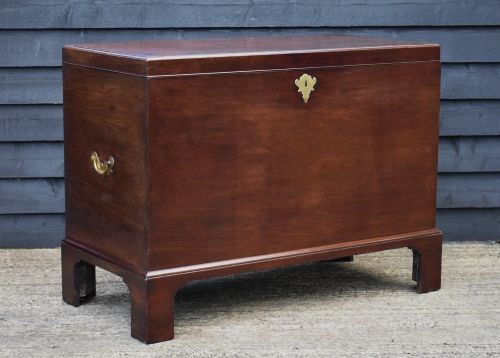
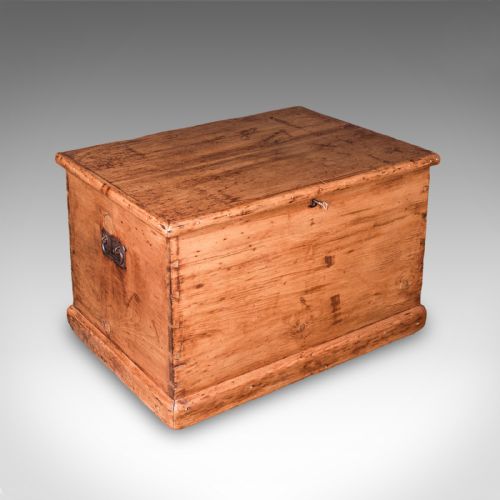
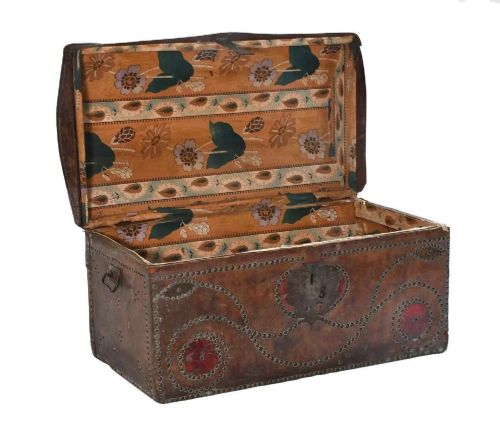
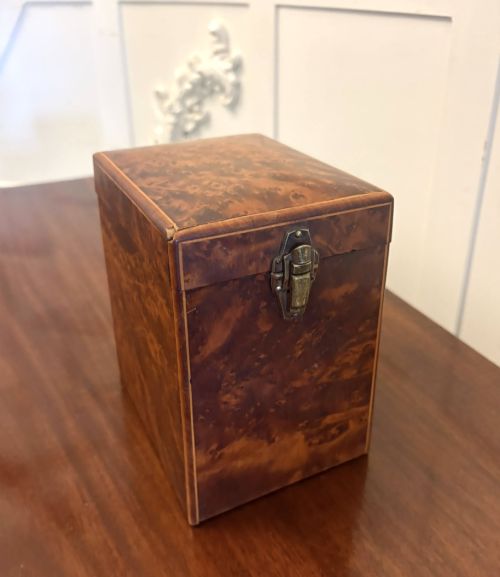
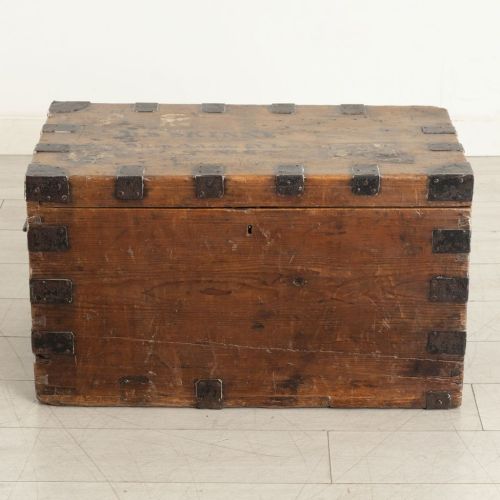
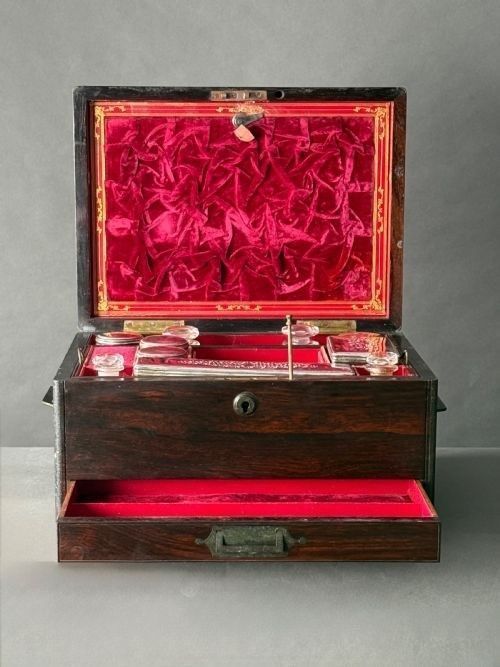
When you search for travel storage box, you encounter pieces designed to carry personal possessions across land and sea during earlier centuries. These items range from sturdy pine and painted metal trunks to refined mahogany and rosewood travelling boxes fitted for tea, vanity, or apothecary use.
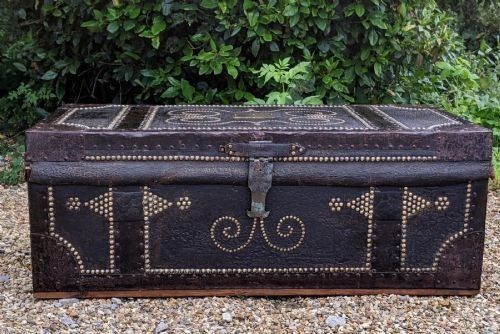
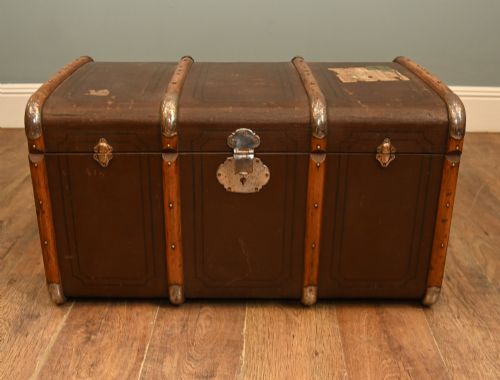
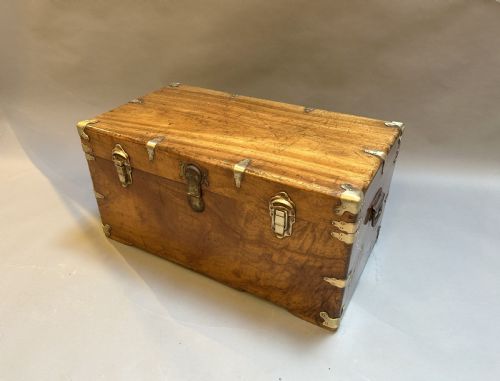
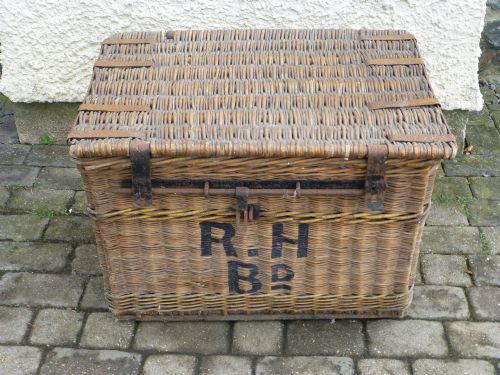
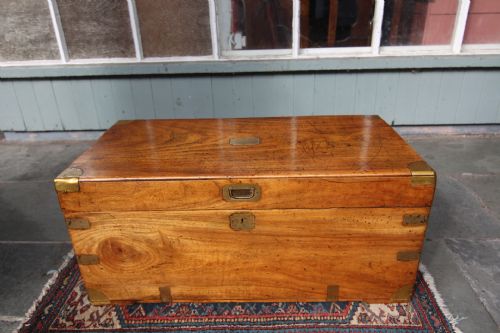
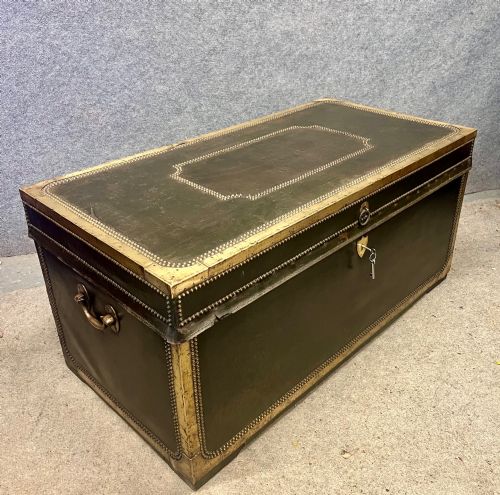
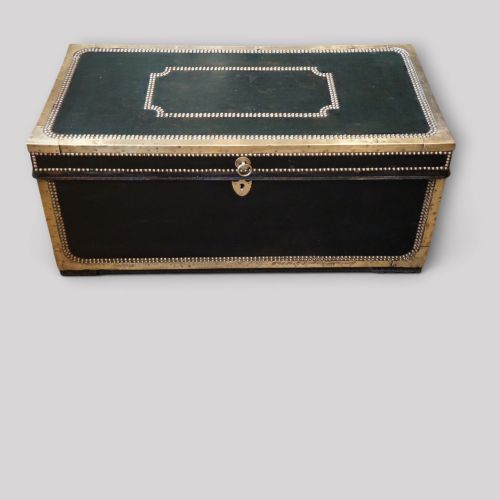
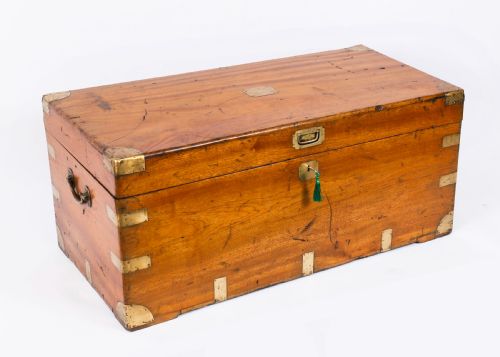
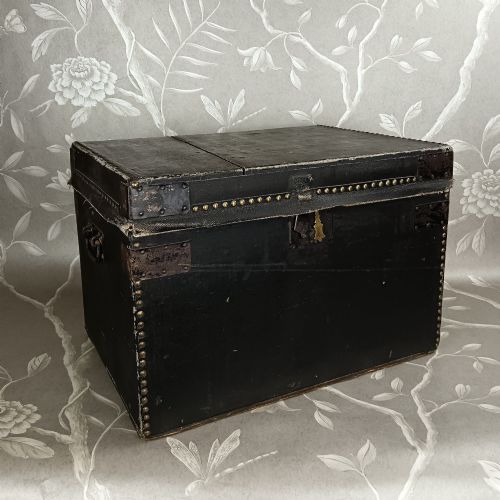
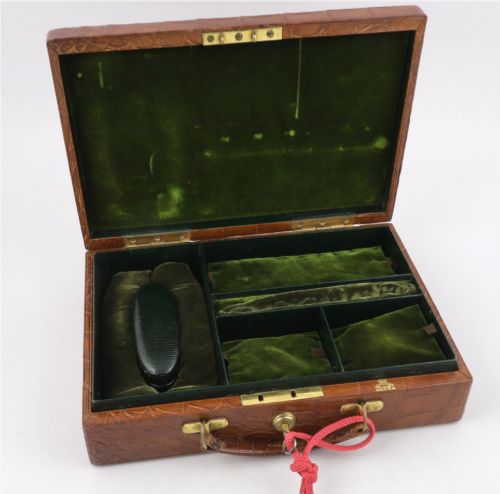
The versions most frequently met on this page date from the Georgian, Regency, and Victorian eras, alongside early twentieth-century steamer trunks and canvas luggage. They include military campaign chests, camphorwood trunks built for China Trade transport, and leather-covered hat cases.
Makers and workshops of the period constructed these storage pieces to withstand arduous journeys, utilising robust timbers and protective metal bindings. Today, they serve as practical coffee tables, blanket chests, and distinctive storage solutions in contemporary homes.
How they were made
Carpenters and trunk-makers utilised dense timbers such as mahogany, camphorwood, teak, oak, and pine to form the primary carcass of each travel storage box. Camphorwood provided natural insect resistance for garments, whilst pine and hardwoods offered structural strength for long voyages.
Protection and portability relied on exterior coverings and hardware, combining leather, canvas, and iron with brass-bound corners, studs, and carry handles. Metal reinforcement protected vulnerable edges, and specialised locking mechanisms secured valuables during transit.
Travel Storage Box Retail Price Guide 2026
Typical asking prices for travel storage box among the pieces listed under this phrase on Sellingantiques today, from the lower quarter to the upper quarter. They describe what is for sale here now, not the wider market.
Listings feature travel storage boxes spanning from the 17th century through the Georgian, Regency, and Victorian periods up to the 1930s.
What varies in quality
The standard of a travel storage box depends largely upon the integrity of its original materials and hardware. Pieces retaining their fitted interior compartments, original brass locks, leather coverings, and iron brackets demonstrate superior original craftsmanship.
Refinement in joinery and timber selection separates utilitarian utility chests from elite pieces commissioned for officers or wealthy travellers. George II and Regency examples often exhibit finer secondary woods, dovetail joints, and precise brass inlay.
Wm Insall of Bristol·J C Vickery·Lincoln Bennett·Army and Navy
The Travel Storage Box Glossary
- Campaign chest
- A modular storage chest designed to dismantle or separate into sections for military transport. These pieces typically feature recessed brass handles and corner brackets to prevent snagging during travel.
- Camphorwood
- An aromatic timber utilised in maritime and colonial trade trunks. Its natural scent repels moths and insects, making it ideal for clothing storage.
- Steamer trunk
- A lower-profile luggage trunk designed to fit beneath a steamship berth. These developed during the late nineteenth and early twentieth centuries using wood, canvas, and metal hardware.
- Travelling tea caddy
- A fitted box containing compartments for tea storage, often featuring glass mixing bowls and lockable lids. Regency and Victorian examples utilised exotic veneers like amboyna and rosewood.
- Studded leather
- A method of exterior decoration and reinforcement where brass or iron studs secure leather hides to a wooden trunk base. This technique creates geometric patterns whilst strengthening the seams.
Travel Storage Box: Frequently Asked Questions
What is a campaign chest?
A campaign chest is a piece of portable furniture made for military officers on active service overseas. They are built in sections with flush brass handles so they can be stacked and moved easily.
These chests use durable woods like mahogany or camphorwood and feature reinforced corners to survive rough journeys. Today, their modular design and practical storage make them popular for modern interiors.
How do I clean a leather trunk?
Cleaning antique leather requires gentle dusting with a soft, dry cloth to remove surface grit. Avoid soaking the hide, as old leather absorbs moisture quickly and can weaken at the seams.
Conditioning oils should be used sparingly and only if the leather feels dry or brittle. Preserving the original surface patina is essential for maintaining the historical character of the piece.
Were steamer trunks waterproof?
Steamer trunks were designed to resist moisture during sea voyages by using treated canvas, painted metal, or sealed leather exteriors. Overlapping wooden laths and tight metal closures kept sea spray and rain away from the contents inside.
While they offered solid protection in ship luggage holds, surviving examples should still be kept in dry conditions today to prevent rust on the iron hardware and warping in the wood.
How do I date an old trunk?
Dating an old trunk involves looking at the construction methods, materials, and hardware styles used by the maker. Hand-cut dovetails, iron bindings, and specific lock types often point towards Georgian or Regency periods.
Later Victorian and early twentieth-century examples frequently incorporate stamped metal, canvas coverings, and factory-made brass components. Maker labels and stamps inside the lid also help establish a clearer timeline.