

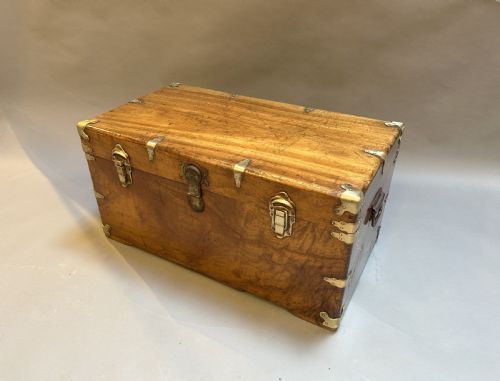
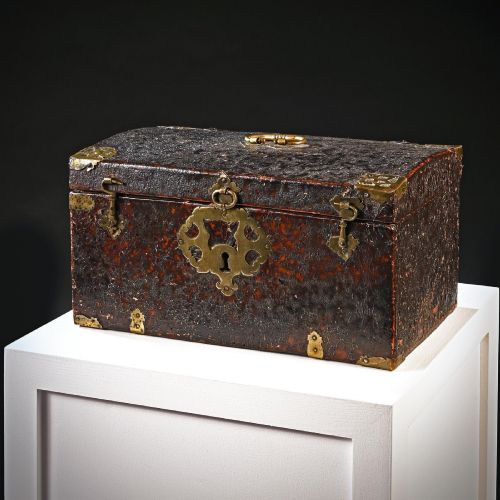
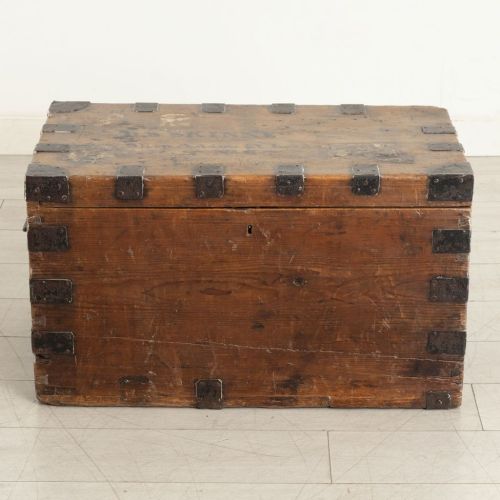
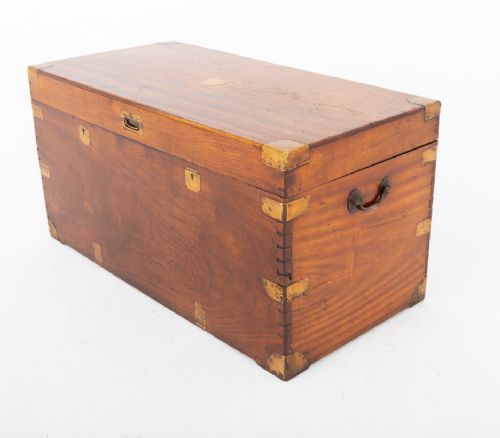
Travel Chest Box
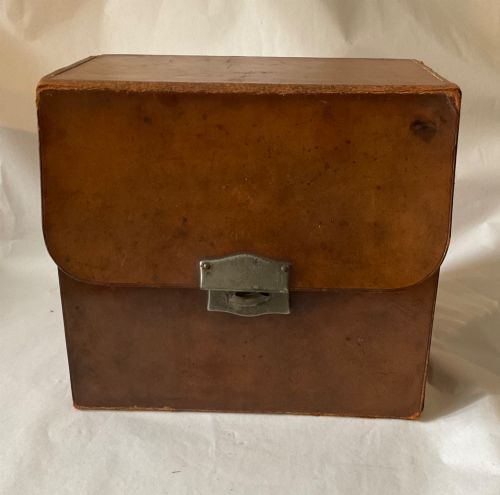
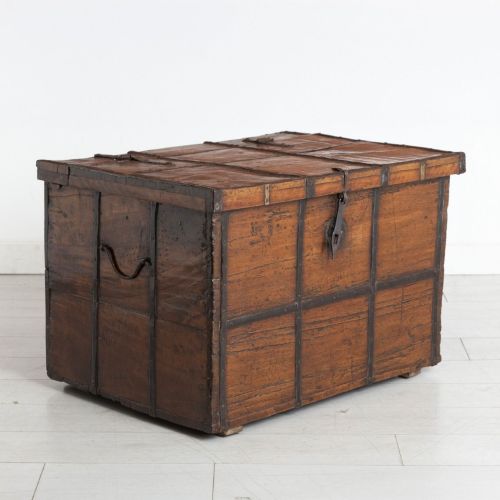
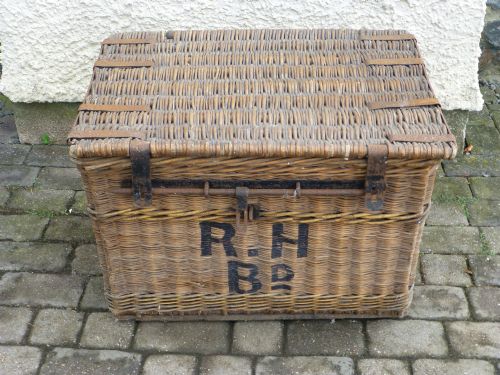
These travel chest box pieces are sturdy wooden and leather containers built for moving belongings across distances, offering robust storage with genuine period character.
Travel Chest Box
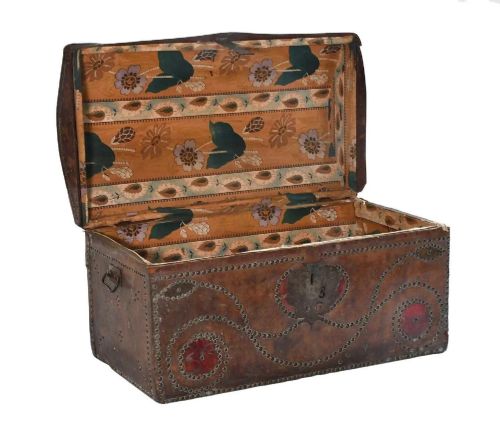
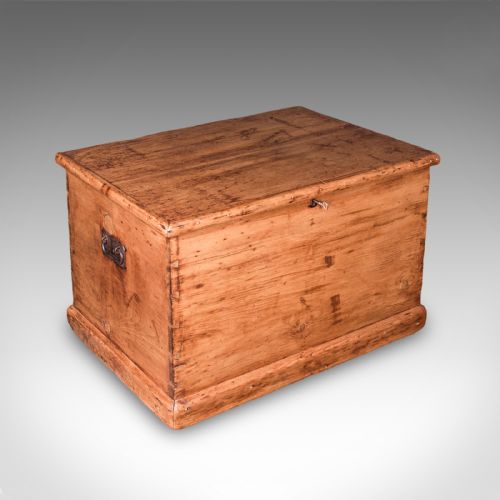
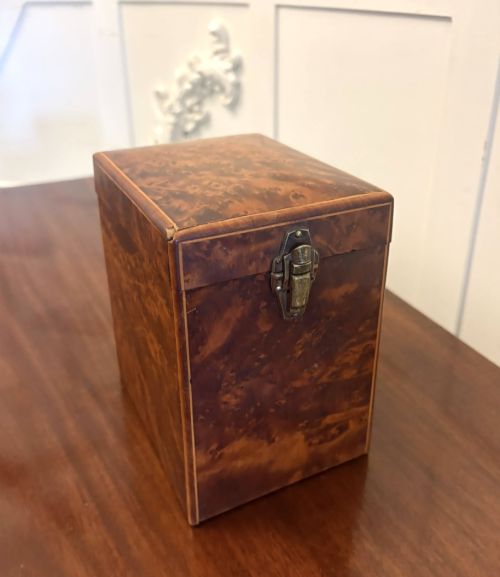
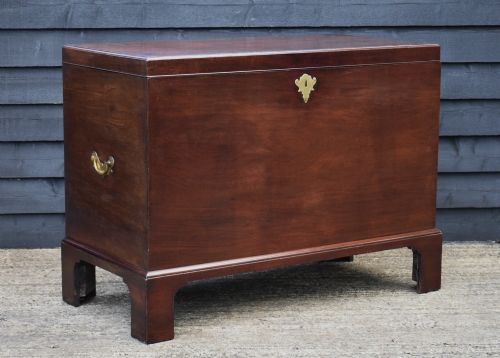
When you search for a travel chest box, you encounter heavy-duty containers designed for transport and storage, ranging from compact tea caddies and apothecary cases to large campaign trunks and steamer luggage. The pieces on this page span several centuries, with particular strength in Victorian and nineteenth-century examples alongside earlier Georgian and eighteenth-century designs.
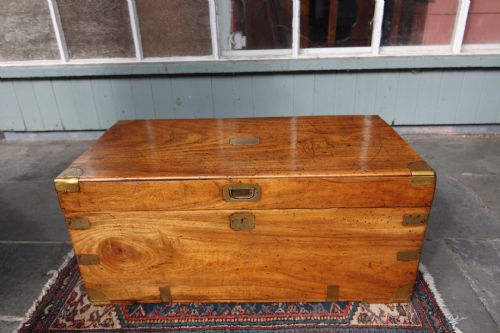
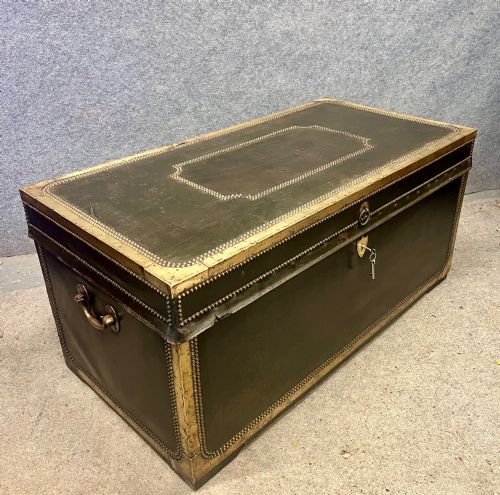
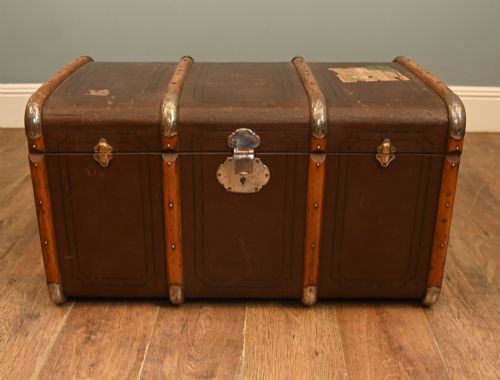
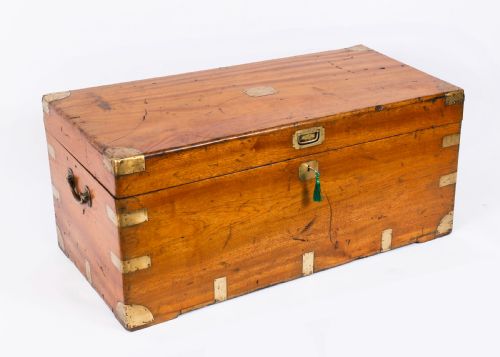
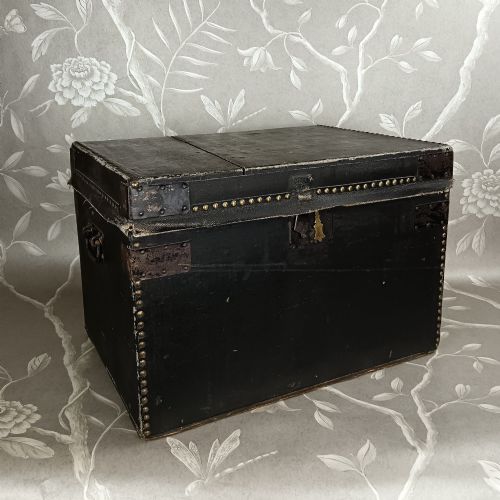
The most common forms you meet are leather-covered, brass-studded trunks and camphorwood campaign chests originally built for military officers or long-distance voyagers. Pine country house storage trunks and metal-bound steamer cases also appear frequently, reflecting the diverse practical demands of historical travel.
Origins vary from English workshops to China Trade pieces made abroad for Western buyers, bringing distinct materials like camphorwood together with traditional British framing. Buyers select these items for functional living room storage, coffee tables, or hallway trunks that bring tangible history into a modern home.
How they were made
Makers constructed these chests using durable timbers such as camphorwood, mahogany, oak, and pine, often lining them with secondary woods to withstand long journeys. Camphorwood was selected specifically because its natural aroma repelled insects during voyages to and from the East.
To protect against the heavy knocks of transport, joiners reinforced corners and edges with brass binding, iron straps, and dense studs driven through heavy-grade leather or canvas coverings. Recessed brass carrying handles and robust locking mechanisms allowed the containers to be stacked tightly in ship holds or carriage boots.
Travel Chest Box Retail Price Guide 2026
Typical asking prices for travel chest box among the pieces listed under this phrase on Sellingantiques today, from the lower quarter to the upper quarter. They describe what is for sale here now, not the wider market.
Several trunks bear the literal battle scars of Victorian voyages, complete with faded shipping labels and traveller initials punched in brass.
What varies in quality
Quality in a travel chest box rests on the integrity of the original hardware, the thickness of the timber, and the survival of internal fittings like drawers and compartments. Superior examples retain original leather bindings, functional locks with keys, and maker stamps that identify specialised luggage makers.
The distinction between standard utility trunks and high-grade military or campaign pieces lies in the precision of the joinery and the quality of the brasswork. Pieces made for officers or fine households utilised superior secondary woods and tighter tolerances to endure frequent dismantling and rebuilding on campaign.
Samuel Pratt·Wm. Insall of Bristol·Arthur Wannop·Chapple & Sons
The Travel Chest Box Glossary
- Campaign chest
- A portable set of drawers or a trunk designed to separate into sections for military transport during the eighteenth and nineteenth centuries.
- Camphorwood
- An aromatic Asian timber prized for its insect-repellent properties, commonly utilised in trunks made for the China Trade.
- Studded leather
- A technique where heavy cattle hide is secured to a wooden core using rows of brass or iron tacks, creating a durable outer skin.
- Steamer trunk
- A lower-profile luggage case developed in the late nineteenth and early twentieth centuries to fit beneath passenger ship berths.
- Apothecary case
- A specialised travelling box fitted with internal glass bottles and small drawers for carrying medical ingredients and remedies.
Travel Chest Box: Frequently Asked Questions
What is a campaign chest?
A campaign chest is a specialised piece of furniture built to be packed and transported easily during military campaigns or colonial travel. These boxes often feature recessed brass handles and reinforced corners to withstand rough handling on ships and wagons.
Many examples separate into modular sections or include fitted interiors for personal items, documents, or medical equipment. Their clever engineering makes them practical for flexible modern storage.
Why use camphorwood?
Camphorwood was chosen for travel chests because its natural, strong aroma acts as a powerful deterrent against moths and other destructive insects. This made the wood ideal for clothing trunks destined for long sea voyages.
In addition to pest resistance, the timber is relatively lightweight yet durable, resisting warping in humid climates. Today, the subtle residual scent remains a hallmark of authentic China Trade and campaign pieces.
How do I date a leather trunk?
Dating a leather trunk involves examining the underlying construction, the style of the brass studwork, and the type of metal hardware used on the corners and locks. Eighteenth-century models often feature heavy dome tops and hand-forged iron bindings, while Victorian versions frequently employ stamped brass and machine-stitched leather.
Maker stamps, paper travel labels, and railway tags left on the exterior also provide reliable clues to the active period of use. Comparing the internal lining fabric and wood grain helps narrow down the decade of manufacture.
How do I clean a travel chest?
Cleaning antique leather and wood requires gentle maintenance to preserve the patina accumulated over centuries of travel. Using a soft, dry cloth removes surface dust without damaging dried leather or fragile paper linings.
For dry leather surfaces, applying a specialised microcrystalline wax or neutral leather dressing helps maintain flexibility without darkening the hide. Avoid harsh chemical cleaners or excessive moisture on all metal mounts and wood finishes.