


Traditional Writing Slope
A traditional writing slope offers a practical and handsome workspace, bringing period character and enclosed storage to any room.
Traditional Writing Slope
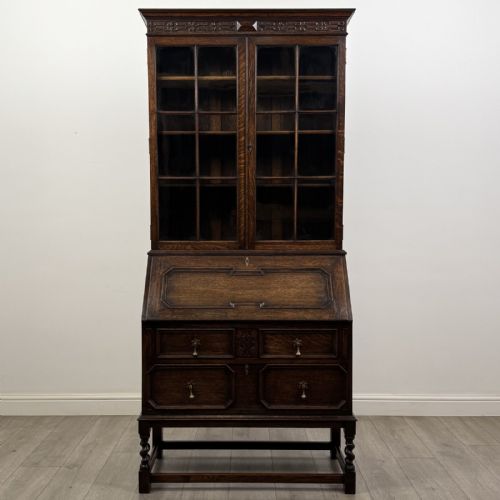
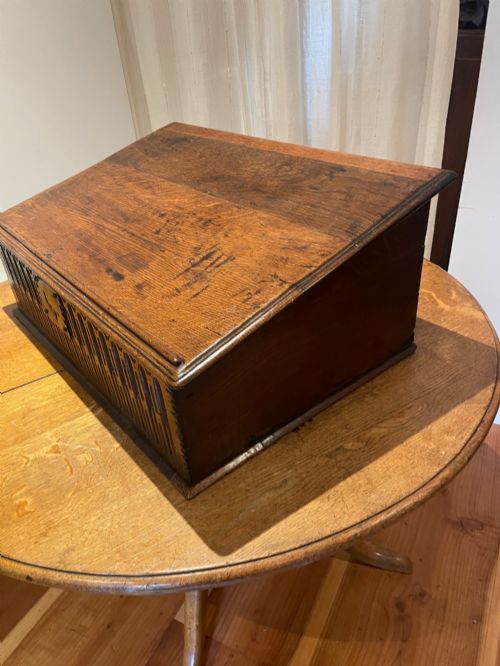
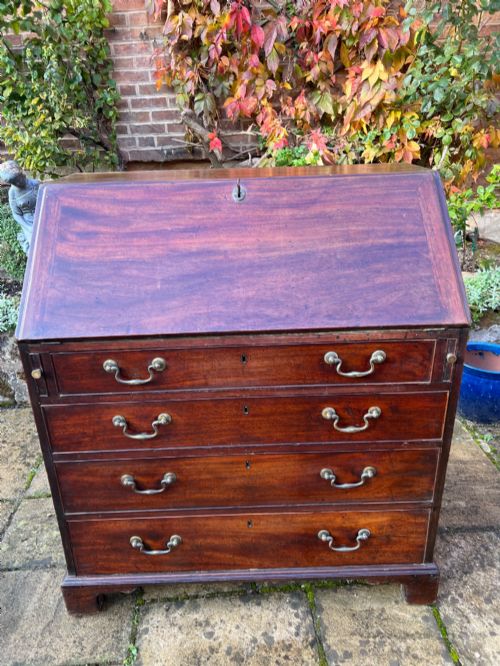
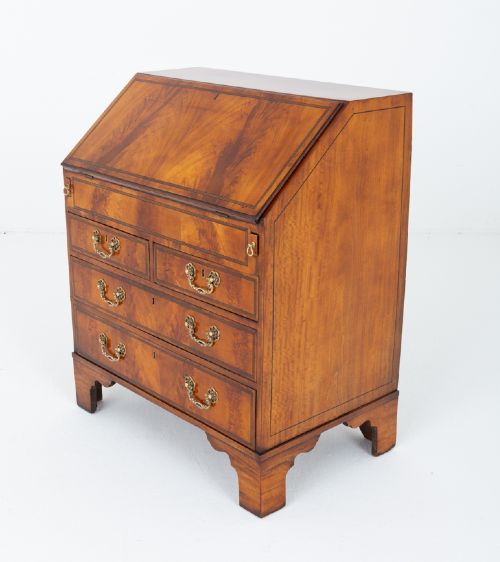
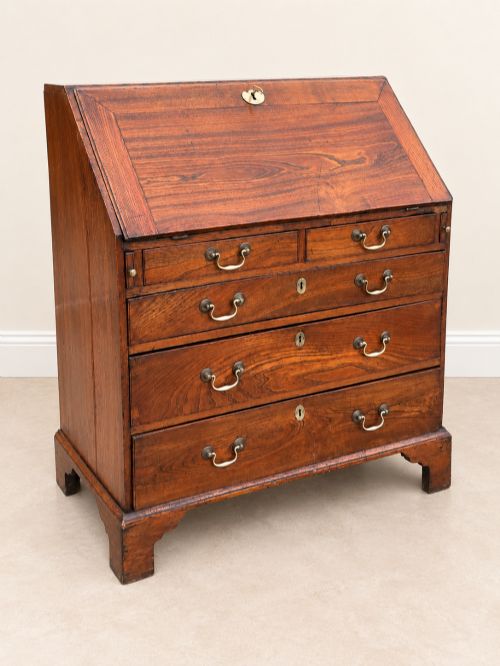
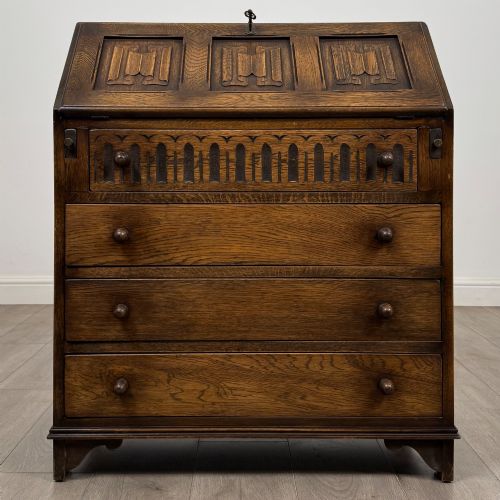
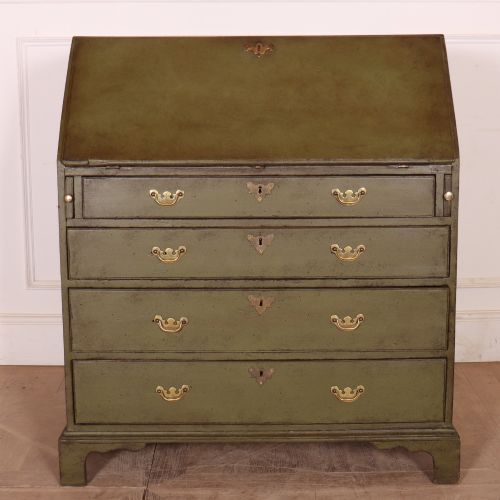
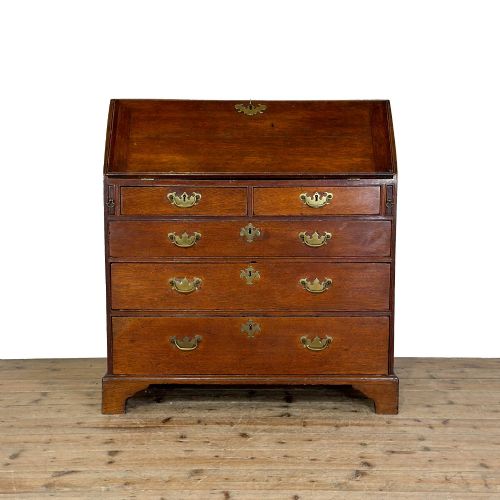
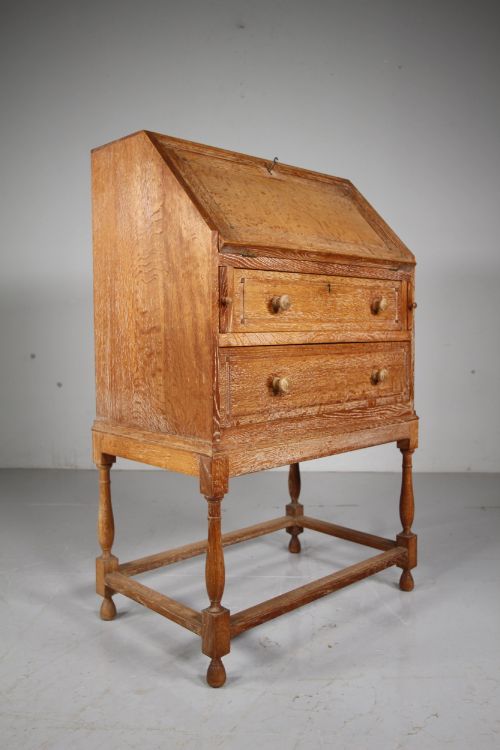
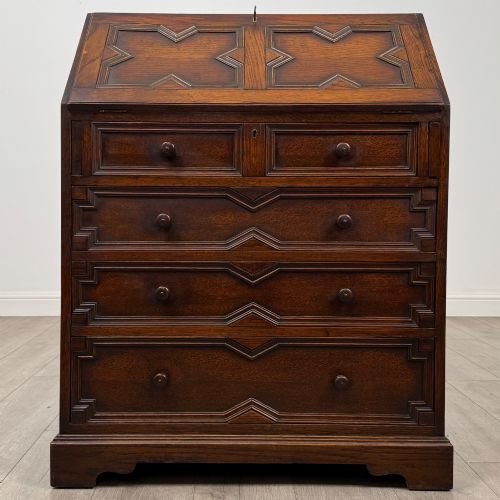
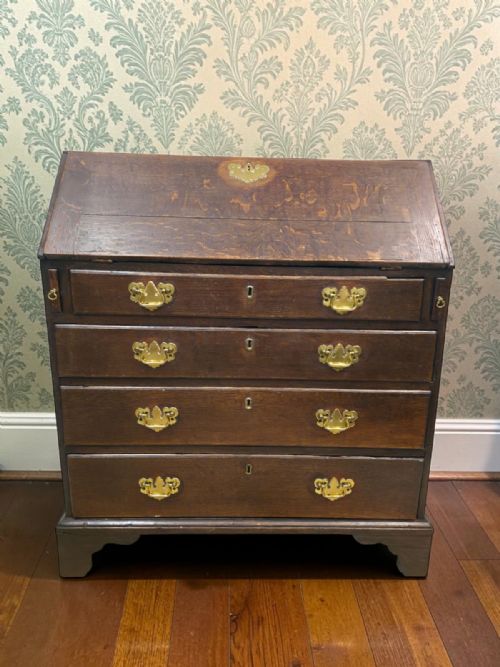
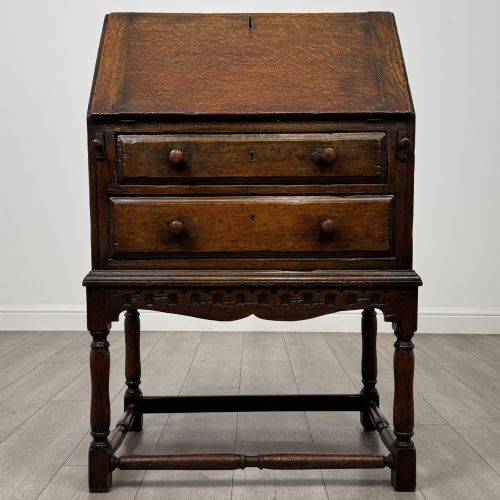
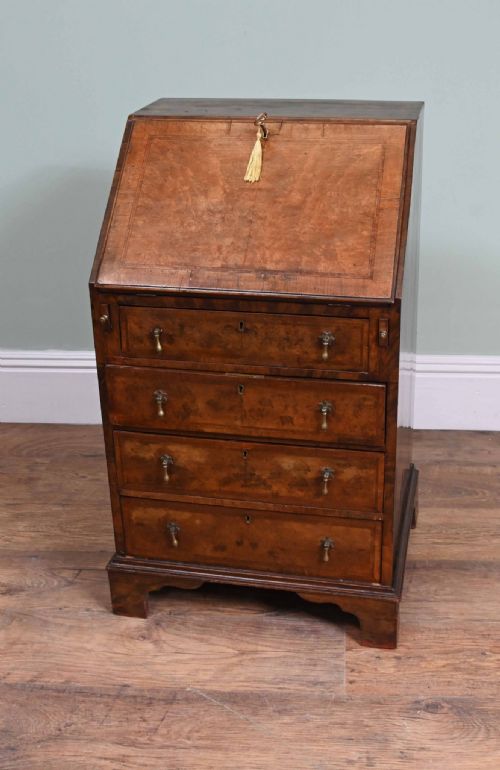
A traditional writing slope encompasses a variety of writing furniture designed for correspondence and document storage, including bureaux, fall front desks, and desk boxes. When searching for a traditional writing slope, buyers frequently encounter pieces from the Georgian, Victorian, and Edwardian periods.
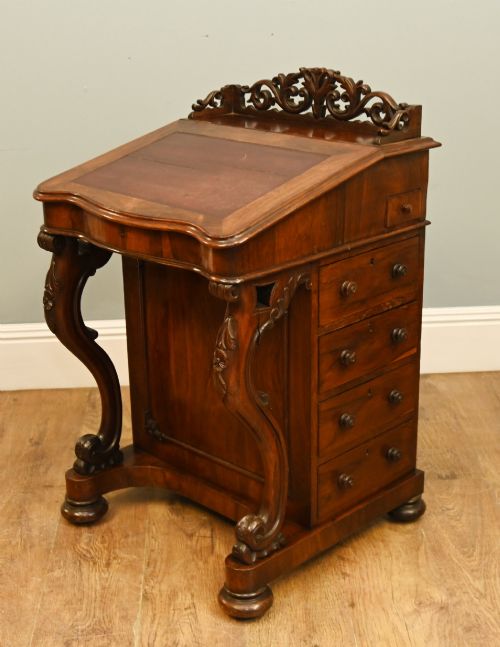
The selection ranges from compact oak and mahogany bureaux to elaborate walnut Davenports and rosewood slope boxes. Oak and mahogany pieces from the eighteenth and nineteenth centuries appear most frequently across the current listings.
Materials and Construction
Cabinet makers utilised dense hardwoods such as mahogany, oak, walnut, and rosewood, often applying burr walnut or elm veneers to the primary surfaces for visual depth. Brass hinges, escutcheons, and handles provided durable functional hardware, while inset leather writing surfaces offered a smooth plane for quill and pen.
Joinery methods included dovetail drawers and pegged frames, supporting fall front lids and sloping writing surfaces that concealed internal pigeonholes and small drawers. Secondary timbers like pine appeared in drawer linings and internal divisions.
Traditional Writing Slope Retail Price Guide 2026
Typical asking prices for traditional writing slope among the pieces listed under this phrase on Sellingantiques today, from the lower quarter to the upper quarter. They describe what is for sale here now, not the wider market.
Many antique writing slopes contain hidden compartments behind false drawer bottoms, designed to secure secret letters and family treasures.
Judging Quality
Quality rests upon the selection of timber figures, such as burr walnut or figured mahogany, and the precision of the cabinet work in the internal fittings. Superior examples display fine dovetailing, well-matched veneers, and original brass hardware that integrates cleanly into the overall design.
The complexity of the interior arrangement, including secret compartments and well-fitted stationery pigeonholes, distinguishes finer pieces from utilitarian versions. The integrity of the writing surface and the smooth action of the fall front or sliding mechanisms further separate standard items from exceptional ones.
Heals of London·Gillow and Co
The Traditional Writing Slope Glossary
- Bureaux
- A writing desk with a sloping fall front that opens to reveal drawers and pigeonholes. These items often sit above a set of graduated exterior drawers.
- Davenport
- A compact form of pedestal desk featuring a sloping writing surface, typically with drawers opening to one side. Originating in the nineteenth century, this desk type remains popular for its space-saving proportions.
- Escutcheon
- A protective brass plate surrounding a keyhole. This element prevents the surrounding wood from wearing down through repeated use of the key.
- Fall front
- A hinged flap that lowers to form a horizontal writing surface. It conceals the internal compartments when closed and locked.
- Secretaire
- A piece of furniture containing a built-in writing drawer or fall front desk compartment. It combines storage with a dedicated writing surface.
Traditional Writing Slope: Frequently Asked Questions
What is a traditional writing slope?
A traditional writing slope is a piece of furniture designed specifically for writing letters and storing documents, featuring an angled surface. These items range from portable desk boxes placed on tables to full-size bureaux and Davenports.
Historically, the slope provided an ergonomic angle for handwriting before the widespread use of modern desks. Inside, they typically house compartments for inkwells, quills, and stationery.
How do I date an antique bureau?
Dating relies on examining the construction methods, timber choices, and hardware styles used by the cabinet maker. Eighteenth-century pieces often feature solid oak or mahogany with hand-cut dovetails, while nineteenth-century items may incorporate machine-sawn elements and different veneer treatments.
Secondary woods and drawer linings also offer clues, as softwoods like pine replaced oak in concealed areas over time. Maker labels or stamps, when present, provide the most definitive dating evidence.
Where should I place a writing slope at home?
These pieces suit living rooms, studies, or bedrooms where their compact footprints allow them to function as focal points or secondary desks. Bureaux with closed fall fronts conceal paperwork effectively, keeping rooms tidy.
Positioning them away from direct sunlight and heat sources protects the timber and leather writing surfaces from drying out or fading. Adequate natural or task lighting nearby ensures the writing surface remains practical for modern use.
How do I care for wood and leather surfaces?
Maintenance involves applying appropriate beeswax or furniture polish to nourish hardwood exteriors like mahogany and walnut. Avoid silicone-based sprays, which can build up and damage antique finishes over time.
Leather writing inserts require occasional gentle cleaning with a slightly damp cloth, followed by leather conditioner if the hide appears dry. Keeping the humidity in the room stable prevents the timber from warping or splitting.