




Traditional Woven Textile Art
Traditional woven textile art spans centuries of skill, offering rich wall hangings, rugs and panels crafted from wool, cotton and silk.
Traditional Woven Textile Art
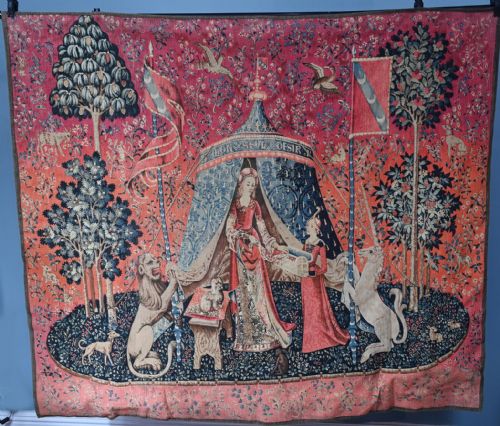
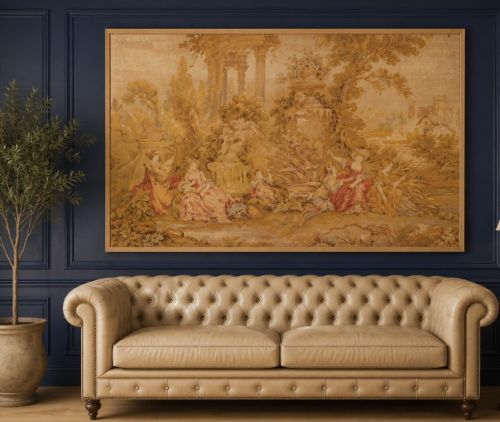
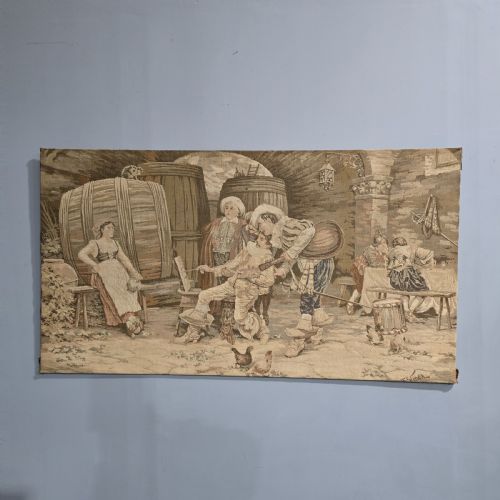
Traditional woven textile art encompasses centuries of hand-woven hangings, tapestries, panels and bags originating from diverse global regions. Buyers searching for traditional woven textile art encounter pieces ranging from tribal Turkmen trappings to European tapestries and folk art.
Geographic origins vary widely, stretching from Central Asia and the Middle East to Europe and Indonesia. These textiles served functional roles in nomadic and domestic life before entering the decorative sphere.
Materials and construction methods
Makers utilised natural materials such as wool, cotton, silk and timber frames to create these durable works. Natural dyes provided the deep, stable colour palettes seen across tribal and European examples.
Weaving techniques included intricate Soumak work, flat-weaving and pile knotting executed on traditional looms. Structural support sometimes involved timber frames or wood backing to display heavy panels and wall tapestries.
Camel wedding trappings once rode across the steppes before ending up quietly framed on modern living room walls.
Assessing quality in woven textiles
Quality rests upon the tightness of the weave, the clarity of the design and the integrity of the natural materials used. Finer knots and more complex structures distinguish superior tribal bags and wall hangings from simpler work.
Condition and survival of the original dyes play a decisive role in desirability. Pieces retaining rich natural pigments and intact borders command greater attention than heavily restored or faded examples.
The Traditional Woven Textile Art Glossary
- Asmalyk
- A pentagonal trapping woven by Turkmen tribes, traditionally used to decorate camel wedding gear. These decorative pieces now function primarily as wall art.
- Soumak
- A flat-weave technique where the-weft threads are wrapped around the warp threads in a herringbone pattern. This method creates a durable, textured surface.
- Chuval
- A large storage bag made by Turkmen tribes, often featuring multiple guls. They were utilised inside nomadic tents for household possessions.
- Ikat
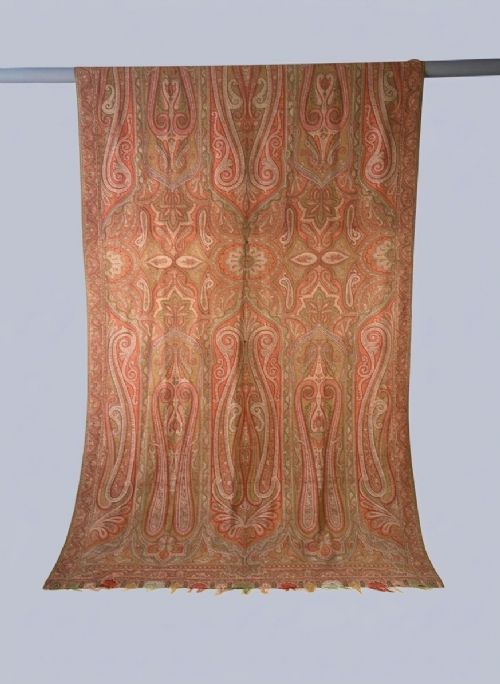
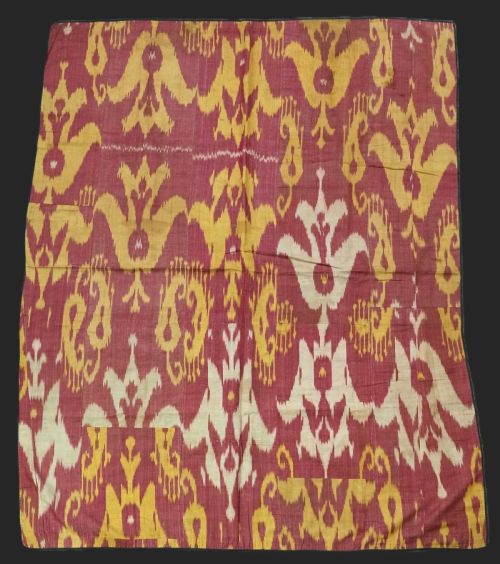
- A dyeing and weaving method where the yarns are resist-dyed before being woven into complex patterns. Semi-silk adras fabrics from Bukhara demonstrate this technique.
- Okbash
- A small, helmet-shaped woven cover used by Yomut tribes to protect the top of tent poles. They represent specialised nomadic textile production.
Traditional Woven Textile Art: Frequently Asked Questions
How were tribal textile bags used originally?
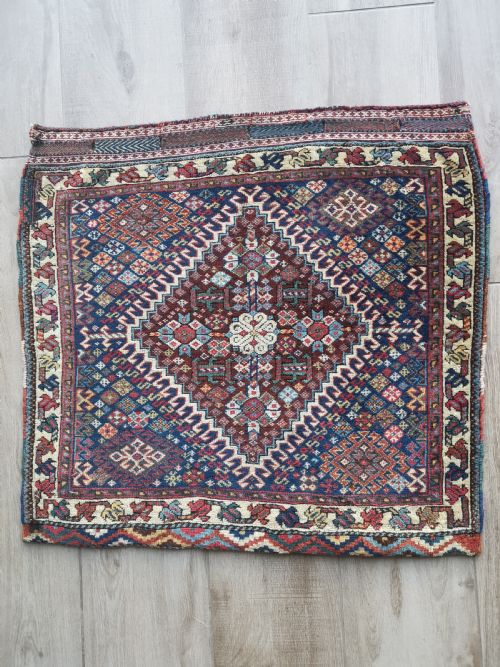
Nomadic tribes utilised bags like asmalyks, salt bags and spindle-bags for practical storage during seasonal migrations. They held household goods, salt or personal items inside felt tents.
Over time, collectors removed these functional items from daily nomadic use to display them as decorative wall hangings and panels.
What is the difference between a tapestry and a tribal hanging?
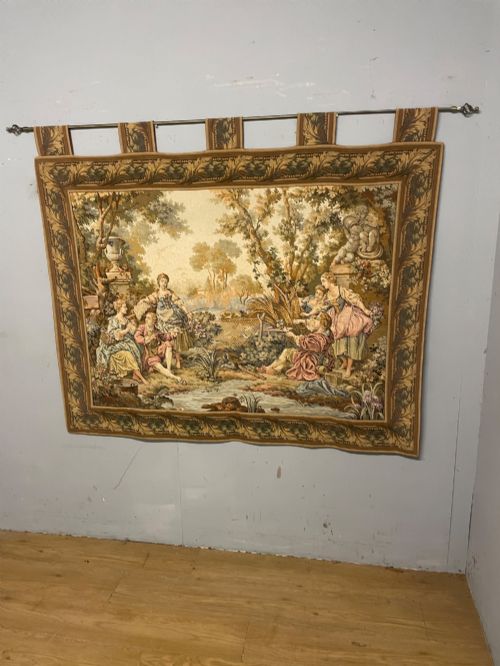
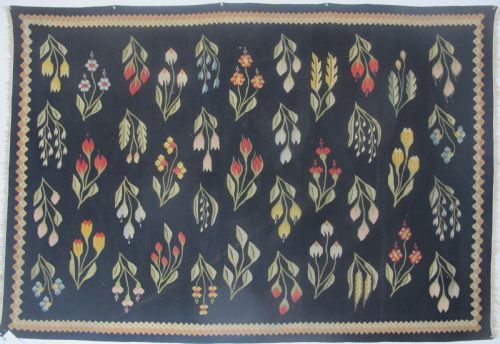
European tapestries typically depict figurative or floral scenes using wool and silk on a loom, often framed for interior display. They reflect courtly or folk traditions from France, Romania and Scotland.
Tribal textiles rely on geometric motifs, guls and symbolic patterns characteristic of nomadic groups in Central Asia and the Middle East.
How do I care for antique textile art?
Keep textile art out of direct sunlight to prevent natural dyes from fading over time. Avoid hanging heavy pieces by a single point to distribute the weight evenly across the timber frame or backing.
Consult a textile conservator before attempting any cleaning or repairs on delicate silk and wool panels.
Can I hang these textiles directly on the wall?
Many panels, rugs and bagfaces arrive ready for display as wall art, sometimes supported by wood frames or backing. Ensure the hanging method does not pull or stretch the fragile antique fibres.
Using a sleeve or non-damaging mounting technique helps protect the structural integrity of older wool and cotton weaves.