

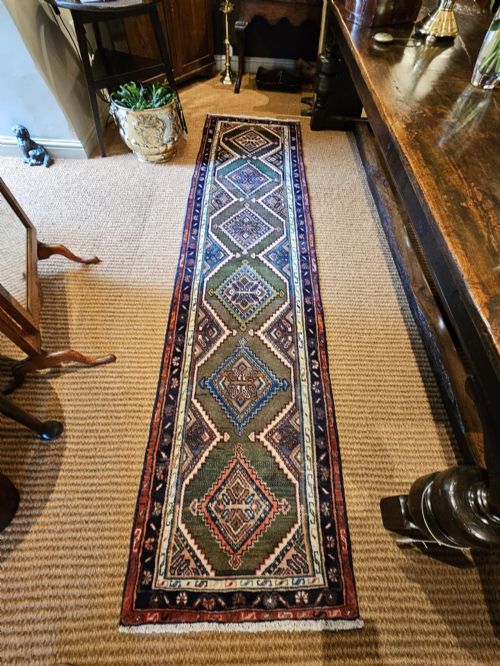
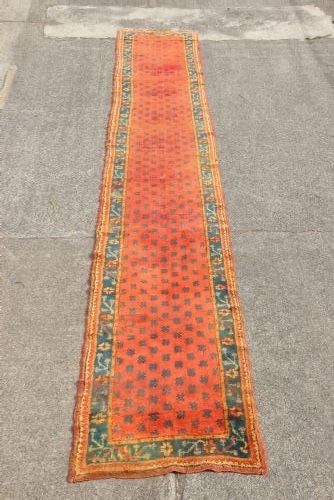

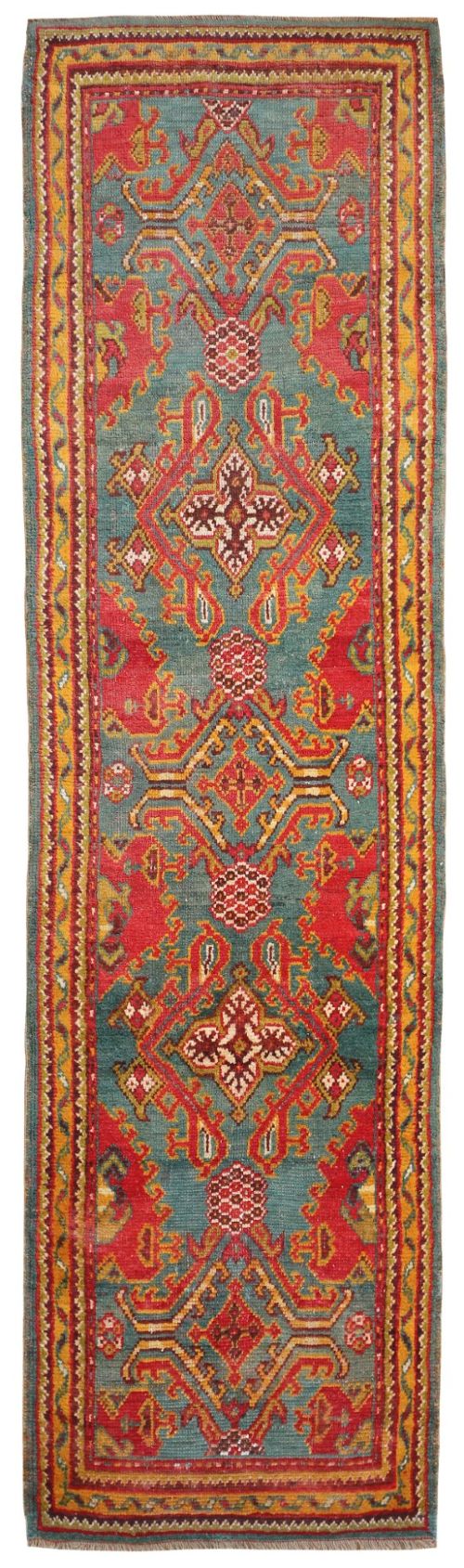

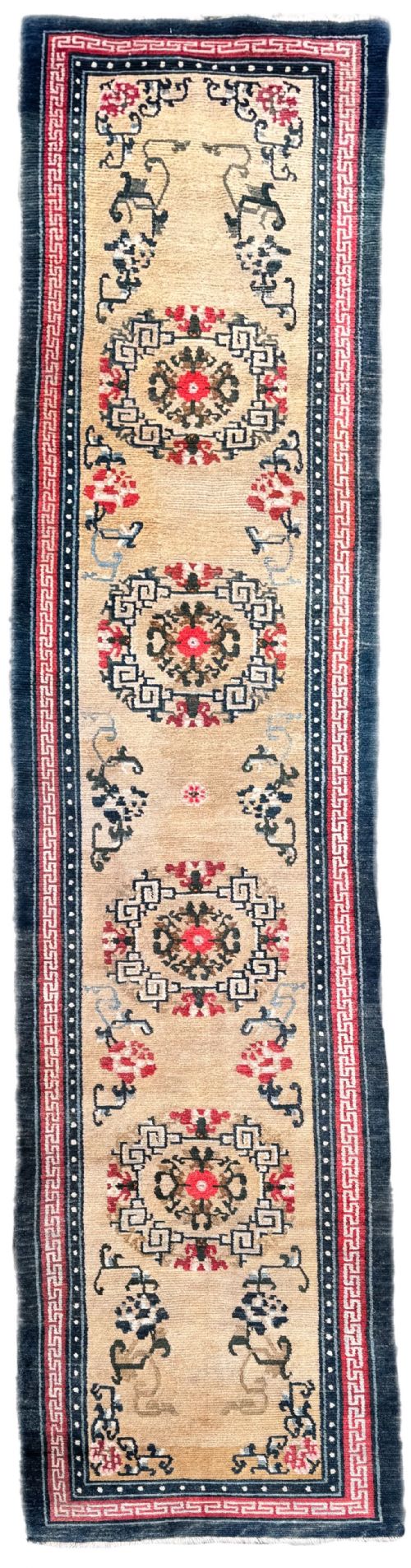
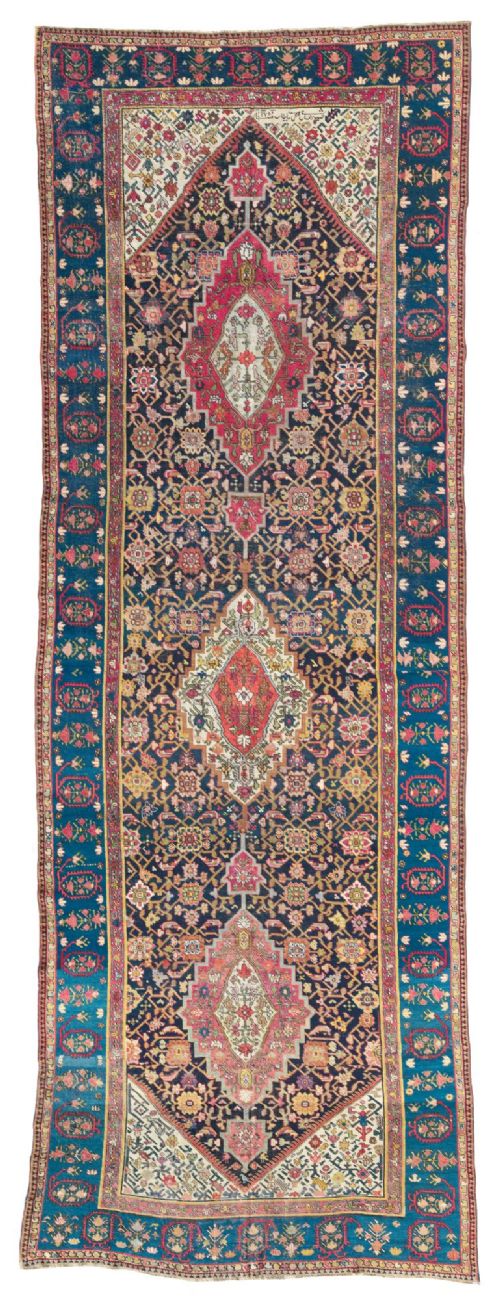

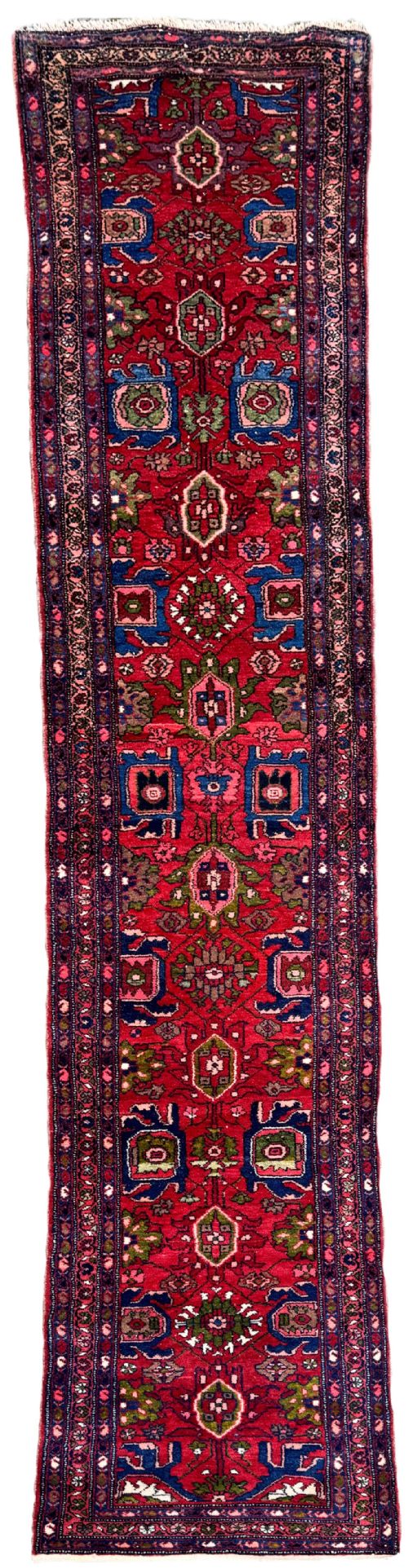
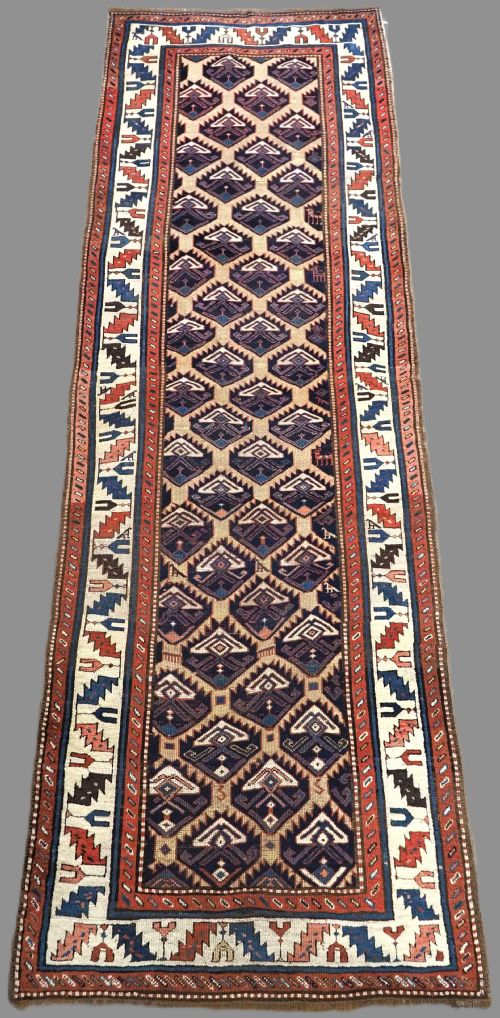
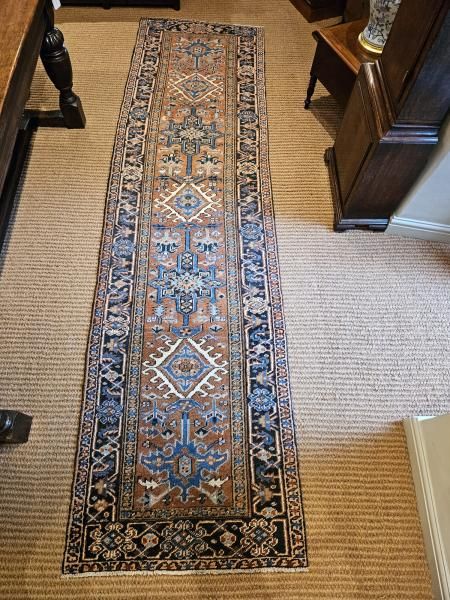
Traditional Wool Corridor Carpet
A traditional wool corridor carpet brings warmth and grounded character to long spaces, offering the resilience of hand-spun materials and centuries-old weaving traditions.
Traditional Wool Corridor Carpet
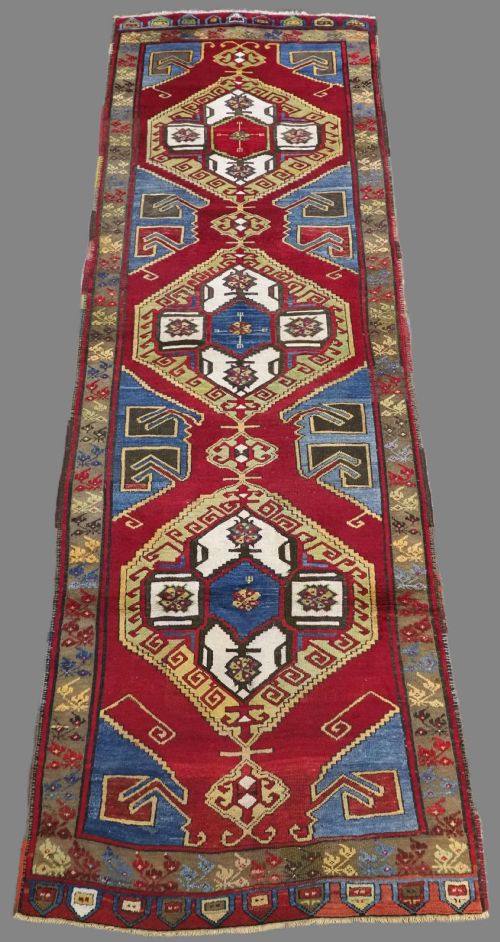
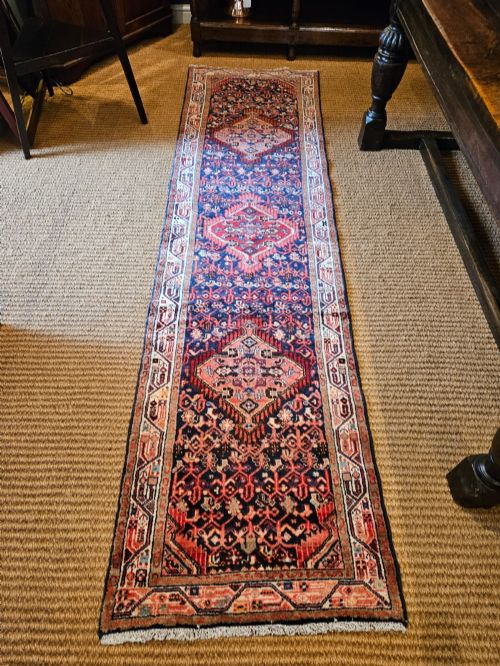
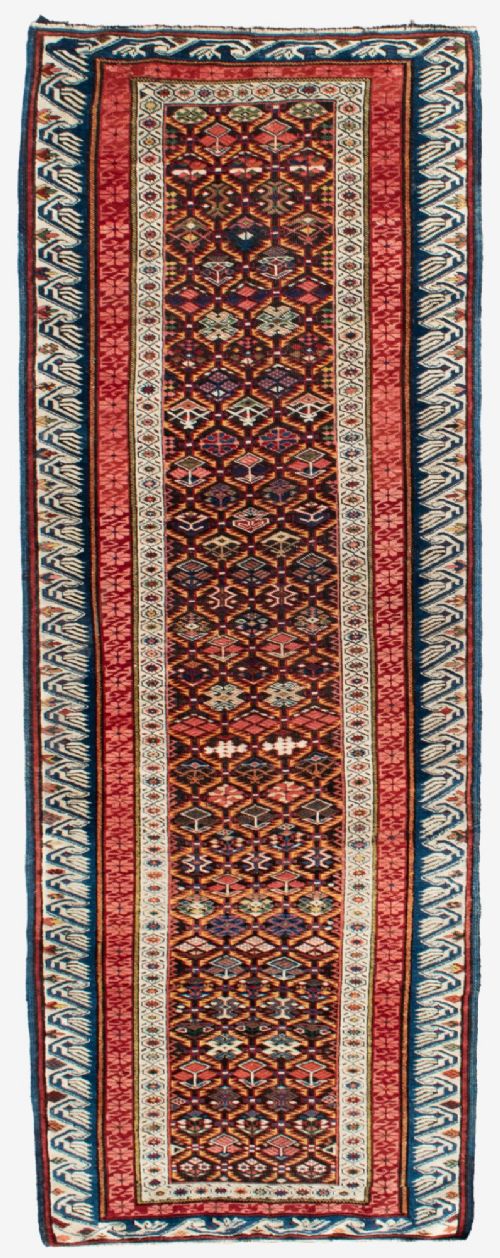
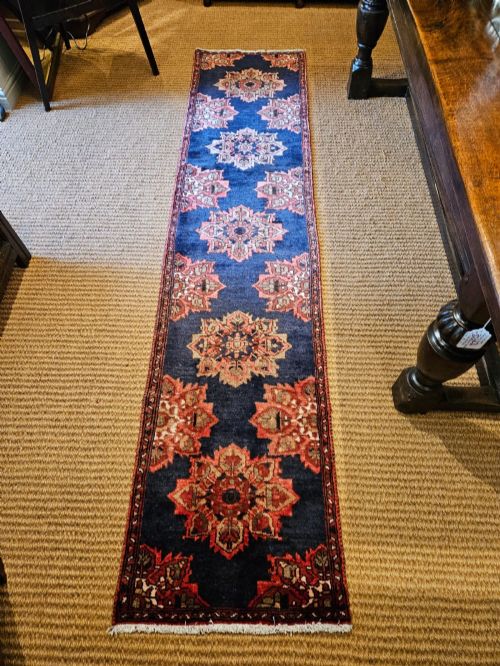
A traditional wool corridor carpet comprises long, narrow formats designed for hallways, landings, and galleries. These floor coverings span origins from Persian tribal workshops to Anatolian and Caucasian villages, shaped by makers working in the nineteenth and early twentieth centuries.
The pieces appearing on this page take forms such as runner rugs, long rugs, and kellehs. They utilise durable pile to withstand heavy foot traffic while providing distinct regional motifs across spans reaching up to thirty-two feet.
Buyers encounter formats that range from narrow Moroccan and Ferahan runners to expansive Turkish Oushak and Heriz carpets. Each piece displays the specific geometry or tribal iconography of its district of origin.
How they were made
Makers constructed these corridor carpets using wool and hand-spun wool piled onto cotton foundations. The natural lanolin in the wool provided inherent resistance to wear, which suited the heavy transit demands of corridors and halls.
Weavers employed traditional knotting techniques alongside specialised dyeing methods to achieve saturated tones and distinct patterns. These methods involved local materials that created varied pile densities across Persian, Caucasian, and Anatolian pieces.
What varies in quality
Quality rests in the precision of the weave and the integrity of the materials. Dense knotting yields a sharper definition in geometric and floral motifs, holding the pattern firmly through decades of daily use.
The grade of the wool influences the resilience and handle of the piece. Hand-spun wool retains natural variations that interact with dyes differently than factory-processed yarns, producing depth across the surface of the carpet.
The Traditional Wool Corridor Carpet Glossary
- Runner
- A long, narrow carpet format specifically proportioned for corridors, hallways, and staircases. These pieces measure significantly longer than they are wide.
- Kelleh
- A large format rug or corridor carpet, traditionally longer than a standard rug but wider than a typical runner. Collectors prize these for expansive hall spaces.
- Pile
- The upright yarn loops or cut ends that form the soft surface of a carpet. This layer protects the structural foundation underneath.
- Hand-spun wool
- Yarn spun by hand rather than by industrial machinery. This method preserves uneven thickness that absorbs natural dyes with subtle tonal variations.
Traditional Wool Corridor Carpet: Frequently Asked Questions
Where do traditional wool corridor carpets work best?
These long formats suit hallways, entryways, and narrow corridors where traditional floor coverings soften hard architectural lines and add warmth.
They also function effectively along long landings or gallery spaces, absorbing sound while anchoring the passage.
How do I identify different regional rug styles?
Regional styles emerge through distinct palette choices and specific geometric or floral motifs. Persian Heriz pieces often feature bold medallions, whereas Caucasian runners display sharp geometric lattices.
Anatolian and Kurdish examples tend toward tribal symbols and varied borders that reflect the specific weaving communities of their origin.
What materials make up these corridor carpets?
The listings show primary construction using wool, hand-spun wool, and cotton foundations. Natural wool provides the durable pile needed for heavy transit.
Cotton foundations offer structural stability, keeping the long rectangular formats straight along hallways and galleries.
How should I care for an antique corridor carpet?
Regular gentle vacuuming without a rotating brush roll prevents dust accumulation in the wool pile. Professional cleaning suited for antique textiles maintains the integrity of the natural dyes.
Using an appropriate underlay keeps the carpet secure in high-traffic hallways and reduces friction against the floor.