
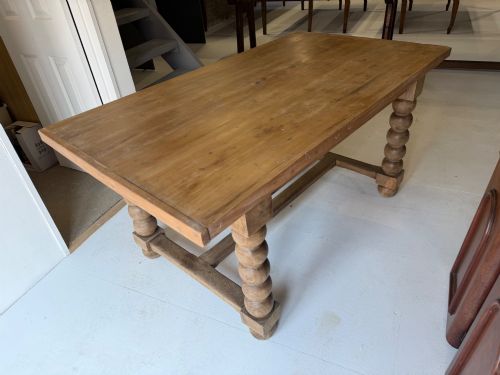
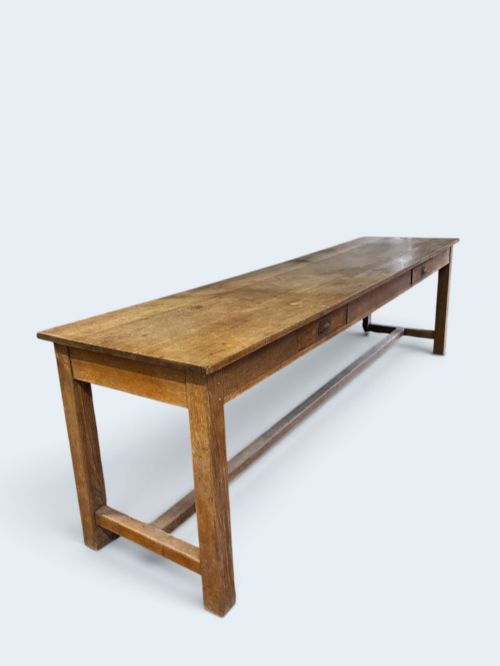
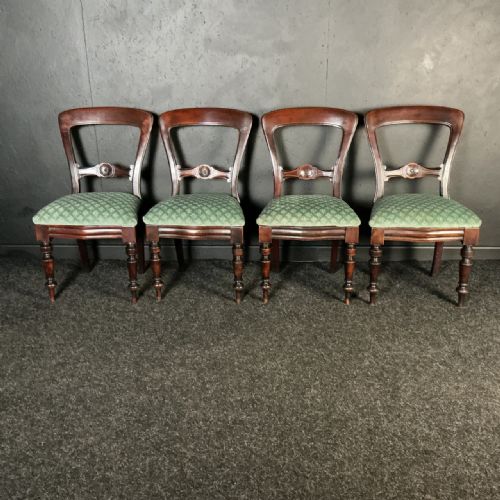
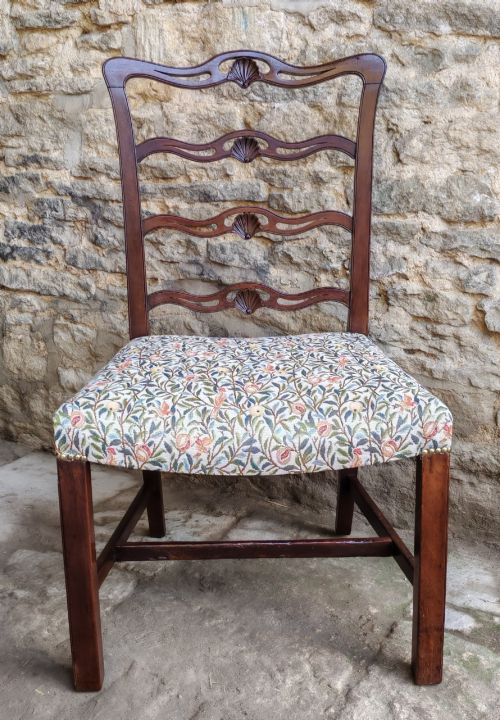

Traditional Wooden Side Desk
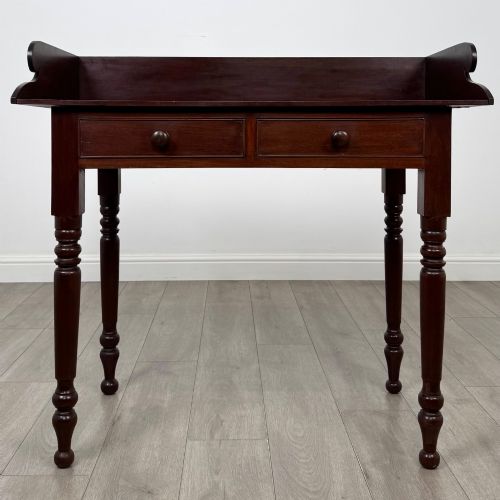
A traditional wooden side desk offers compact utility and honest timber construction, bringing time-tested character to a study or hallway.
Traditional Wooden Side Desk
When you search for a traditional wooden side desk, you encounter versatile writing tables, lowboys, and compact workspaces dating from the eighteenth, nineteenth, and early twentieth centuries. These pieces span Georgian, Victorian, and Edwardian periods, reflecting the shifting domestic needs of past households.
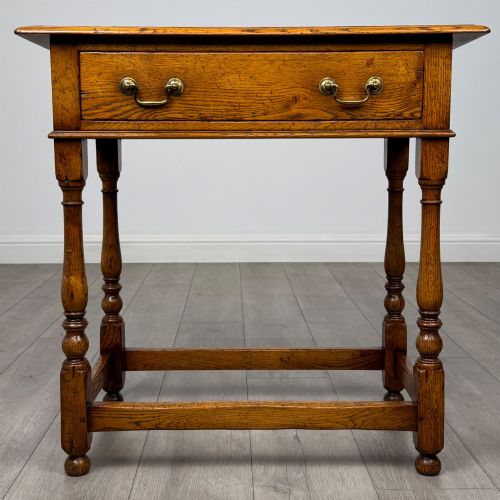
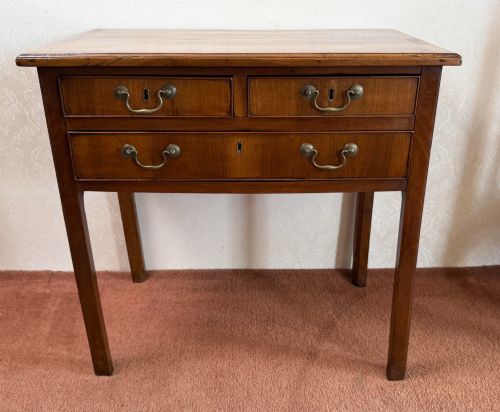
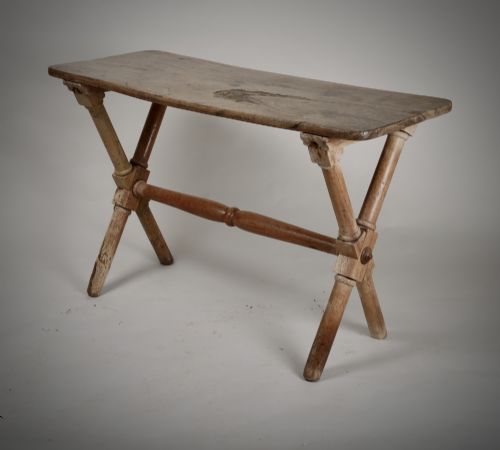
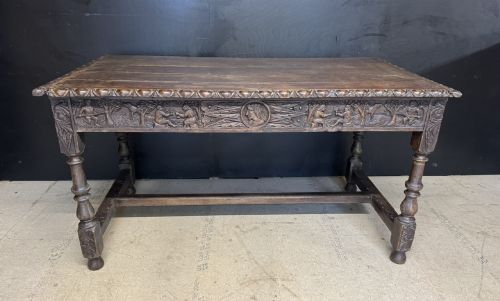
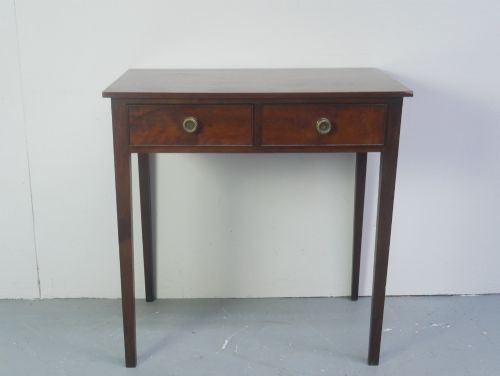
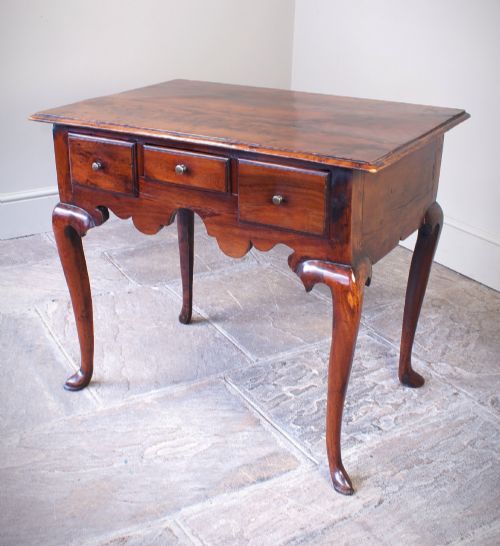
You are most likely to meet mahogany and oak variations on this page, ranging from neat Georgian side tables to Victorian writing desks and lowboys equipped with drawers. Forms extend from formal English writing tables to rustic farmhouse and country examples constructed in pine or yew wood.
How they were made
Cabinet makers built these desks primarily using solid hardwoods such as mahogany and oak, alongside utilitarian softwoods like pine for dairy and kitchen tables. Secondary timbers and structural framing frequently incorporated elm and beech to ensure rigidity.
Surfaces often featured inset leather for writing, while hardware relied on cast brass handles and escutcheons. Joinery techniques prioritized durability, utilising pegged joints, dovetailed drawer construction, and hand-carved decorative elements where stylistic periods demanded.
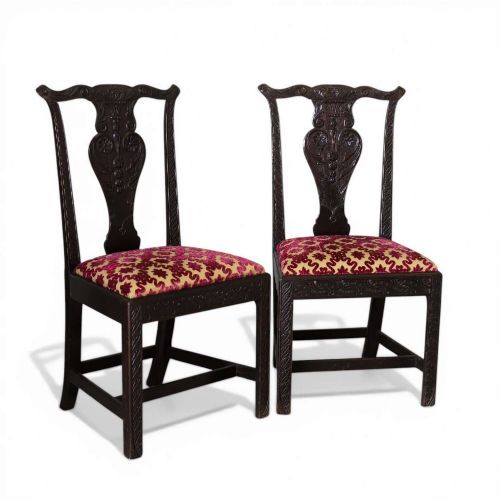
The furniture styles represented across the inventory include Georgian, Victorian, Edwardian, William IV, Gothic, and Chippendale Revival.
What varies in quality
Quality rests principally on the selection of timber and the ambition of the joinery, distinguishing utilitarian dairy tables from sophisticated Georgian lowboys and partners desks. Superior examples display carefully figured mahogany veneers or well-selected solid oak, paired with crisp hand-carving rather than mechanical repetition.
The integrity of the construction and the retention of original brass hardware elevate certain pieces above standard utility furniture. Proportion and restraint in design separate refined urban writing tables from plain provincial worktables.
The Traditional Wooden Side Desk Glossary
- Lowboy
- A small colonial or English table with drawers, resembling a low chest of drawers on legs, frequently used as a dressing table or side table.
- Partners desk
- A large double-sided desk designed for two people to work opposite one another, featuring drawers and cupboards on both faces.
- Pembroke table
- A small drop-leaf table with hinged flaps on either side, introduced in the eighteenth century and often used for writing or breakfast.
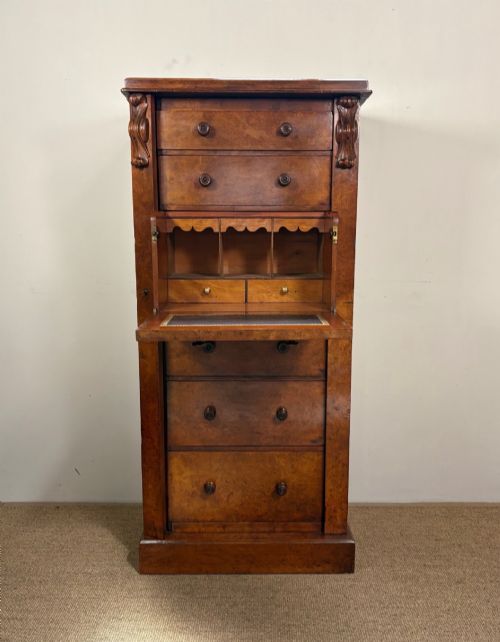
- Wellington chest
- A tall, narrow chest of drawers secured by a hinged locking side bar that fastens with a padlock.
- Klismos chair
- An ancient Greek chair design characterised by curved legs and a concave backrest, revived during neoclassical periods.
Traditional Wooden Side Desk: Frequently Asked Questions
What is a traditional wooden side desk used for?
These pieces function primarily as compact writing surfaces, hallway tables, or occasional desks for modern laptops and correspondence. Their modest footprints allow them to fit easily into smaller rooms where a full-sized partner desk proves too large.
Historically, similar tables served multiple domestic duties, moving between bedrooms, libraries, and drawing rooms as household needs required.
How do I distinguish Georgian from Victorian desks?
Georgian desks typically exhibit greater restraint, linear elegance, and lighter proportions, often utilising fine figured mahogany or walnut. Victorian pieces frequently display heavier massing, richer carved details, and darker finishes.
Examining the construction methods underneath drawers and secondary timbers helps clarify the manufacturing era.
Where should I place a side desk at home?
A side desk sits comfortably in an entryway, against a living room wall, or tucked into a bedroom alcove as a functional dressing or writing station. Because many examples feature finished backs or restrained profiles, they work well angled in corners or floating near windows.
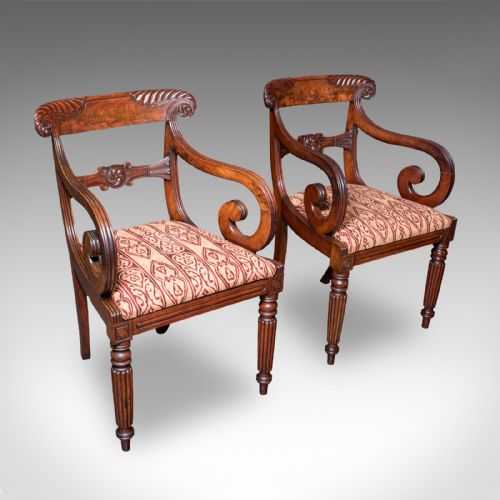
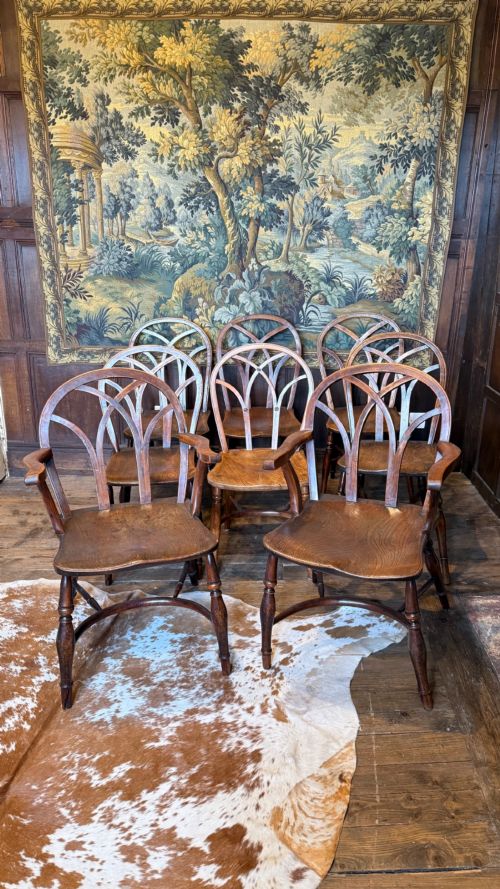
Pairing the desk with an appropriate antique chair completes the domestic arrangement.
How do I care for antique wooden surfaces?
Maintain timber surfaces by dusting with a soft, dry cloth and applying traditional beeswax sparingly to nourish the grain. Avoid placing antique wood in direct sunlight or near central heating vents to prevent splitting.
Using coasters and blotters protects older polished surfaces from moisture and ink stains.