

Traditional Wooden Server
A traditional wooden server is a practical sideboard, dresser base, or serving table built to hold dining rooms together.
Traditional Wooden Server
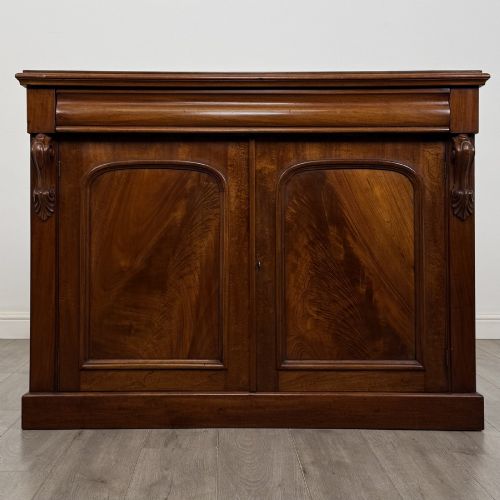
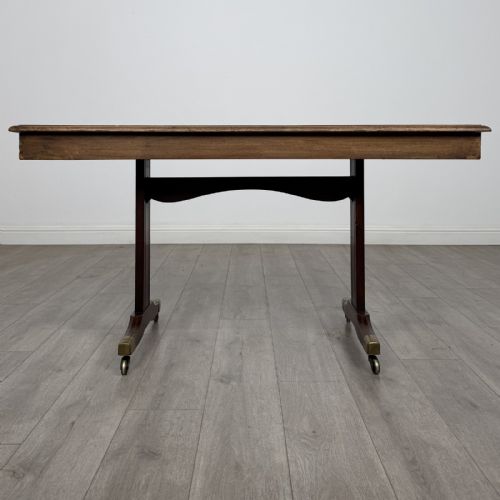
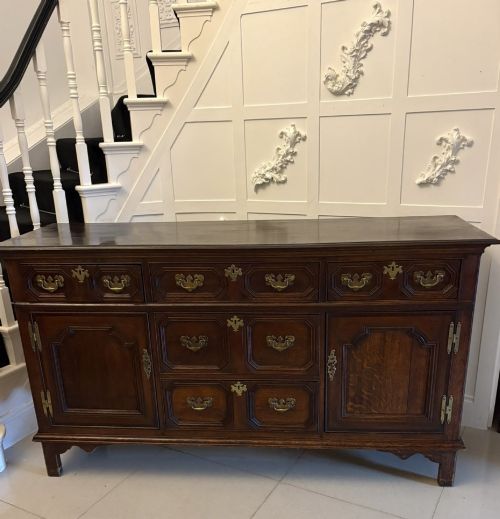
A traditional wooden server brings functional surface space and storage to dining areas through forms such as sideboards, dresser bases, serving tables, and console tables. These pieces originate across the Georgian, Victorian, Edwardian, and early twentieth-century periods, reflecting shifting domestic needs over time.
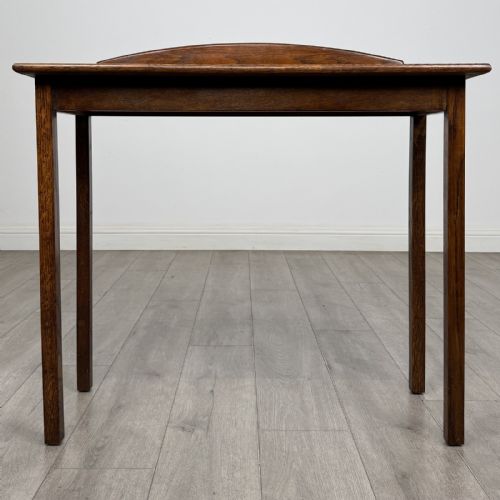
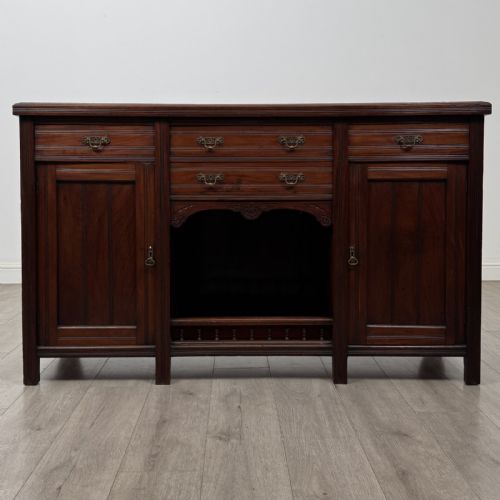
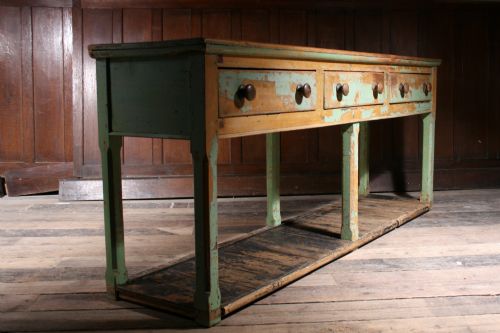
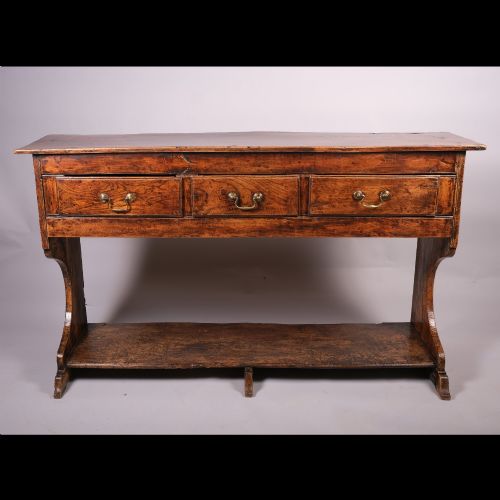
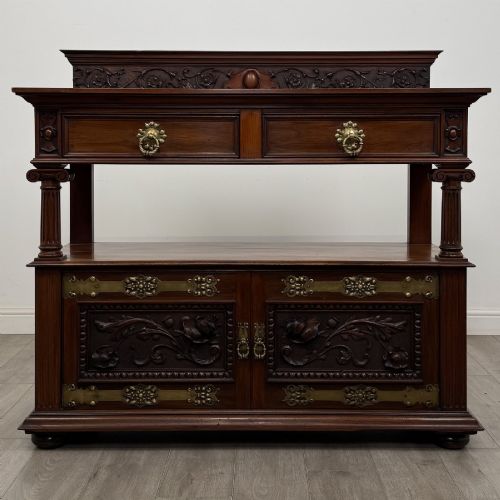
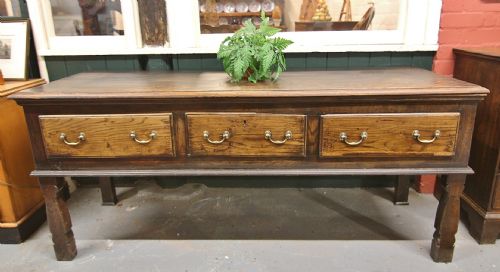
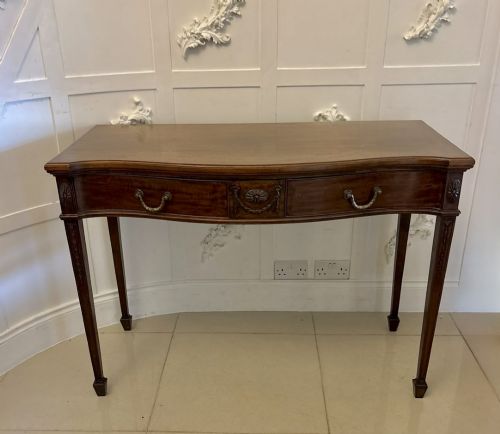
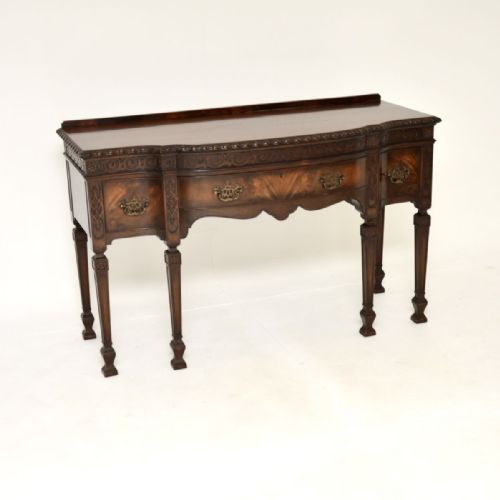
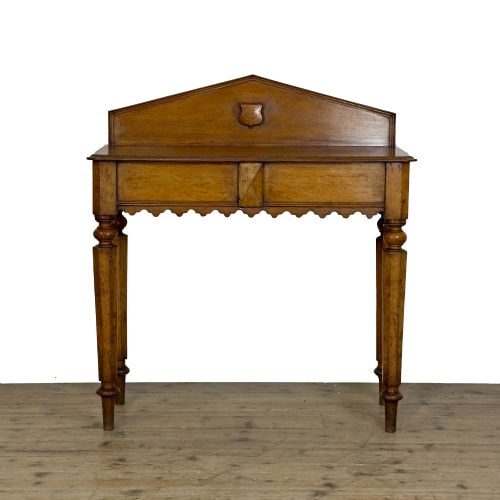
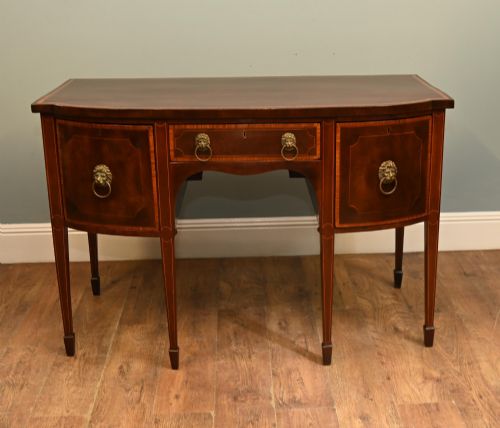
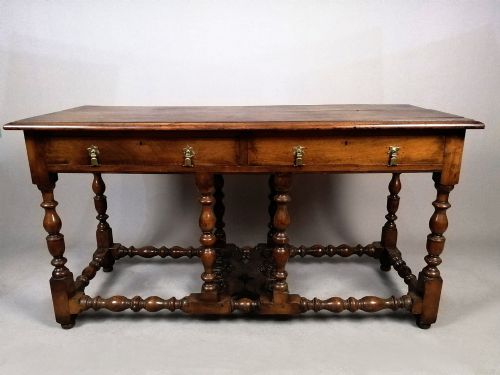
Forms range from shallow pot board bases and drawer units to serpentine console tables and bow-front buffets. Each type provides a distinct balance of display space and enclosed storage suited to traditional interiors.
How they were made
Construction relies heavily on solid hardwoods like oak and mahogany, alongside softer timbers such as pine, shaped into robust frames for daily domestic service. Joinery methods support heavy top surfaces and deep drawers intended to carry tableware and provisions.
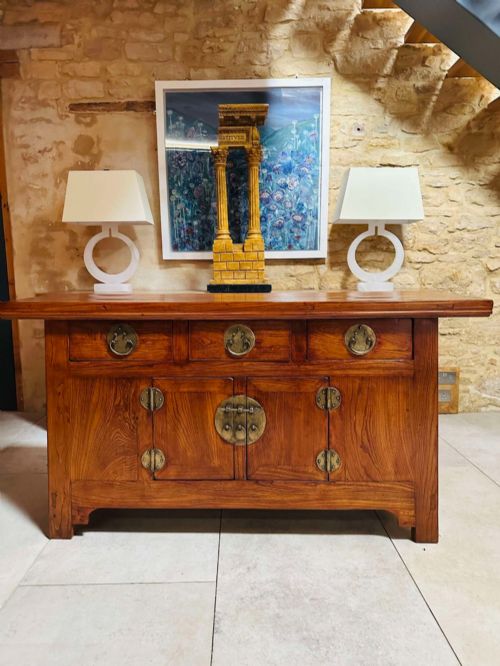
Decorative detailing incorporates brass hardware including ring pulls and face handles, alongside specialised elements like bracket feet, carved woodwork, burr walnut veneers, and painted finishes. Timber surfaces are traditionally waxed or polished to highlight the grain.
Traditional Wooden Server Retail Price Guide 2026
Typical asking prices for traditional wooden server among the pieces listed under this phrase on Sellingantiques today, from the lower quarter to the upper quarter. They describe what is for sale here now, not the wider market.
Listings span the eighteenth, nineteenth, and early twentieth centuries, featuring oak, mahogany, pine, and painted wood.
What varies in quality
The standard of timber selection and cabinetmaking creates the primary division between pieces, distinguishing straightforward utilitarian furniture from refined cabinet work. Finer examples employ choice veneers, carefully figured mahogany or burr walnut, and harmonious proportions.
Hardware integrity and the precision of drawer construction also determine grade, where original brass pulls and smoothly running timber drawers indicate careful upkeep and superior original manufacture.
The Traditional Wooden Server Glossary
- Pot board
- An open lower shelf built into a dresser base to store pots and heavy kitchenware.
- Bow-front
- A convex curved cabinet front that swells outward in the centre for a decorative profile.
- Dresser base
- A low cabinet fitted with drawers and sometimes cupboards, designed for food preparation and storage.
- Serpentine
- A front contour shaped with a central convex curve flanked by concave sweeps.
- Bracket foot
- A furniture foot formed by two pieces of wood joined at a mitre to create a simple shaped bracket.
Traditional Wooden Server: Frequently Asked Questions
What is a traditional wooden server used for?
These pieces serve primarily as sideboards, buffets, or serving tables in dining spaces and hallways. They provide surface area for food service alongside storage drawers and cupboards for dining accessories.
Their sturdy construction allows them to function effectively as practical daily furniture while displaying period character.
How do I identify a Georgian server?
Georgian servers typically feature mahogany or oak construction with formal proportions, classic bracket feet, and refined moulding details. They date from the eighteenth century into the early nineteenth century.
Regional variants, often termed country Georgian, employ similar functional forms in local timbers like pine or oak with simpler ornamentation.
What is the difference between an oak and mahogany server?
Oak servers often display a heavy, rustic grain and are frequently associated with earlier dresser bases, pot board tables, and country workshops. They offer a robust, textured appearance.
Mahogany servers tend to date from later periods such as the Georgian, Regency, or Edwardian eras, displaying smoother surfaces, darker reddish tones, and finer cabinet details.
How should I care for a waxed pine server?
Waxed pine surfaces benefit from regular dusting with a soft cloth and occasional application of traditional beeswax to maintain the finish. Avoid placing them near direct heat sources to prevent timber splitting.
Keeping the surface dry protects the historical wax coating from water marks and staining.