
Traditional Wooden Farmhouse Table
A traditional wooden farmhouse table brings honest utility and decades of daily use into a modern dining room.
Traditional Wooden Farmhouse Table
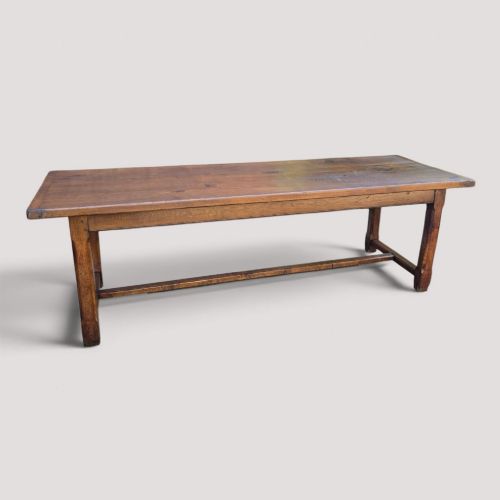
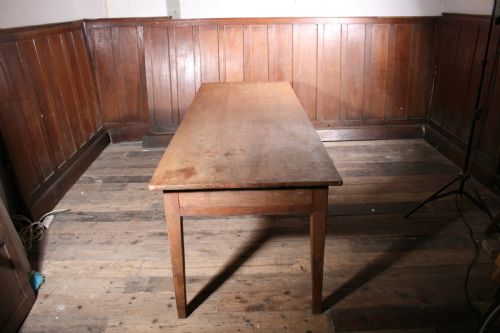
A traditional wooden farmhouse table is a sturdy, functional surface designed originally for preparation and dining in domestic country spaces. These pieces span centuries of rural craftsmanship, ranging from eighteenth-century George III examples to twentieth-century utility forms.
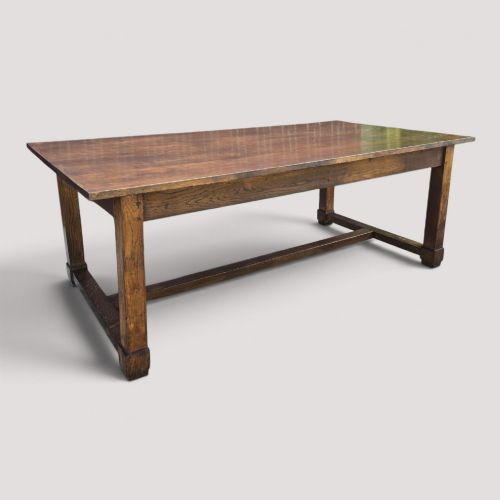
Buyers on this page encounter dining tables, kitchen tables, and coffee tables derived from these working roots. The selection leans heavily on nineteenth-century oak and pine constructions, often featuring generous proportions intended to seat large households.
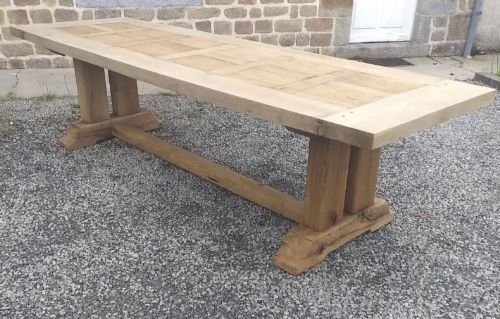
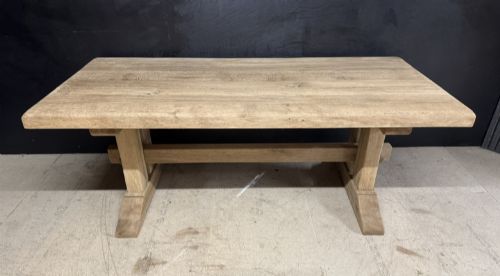
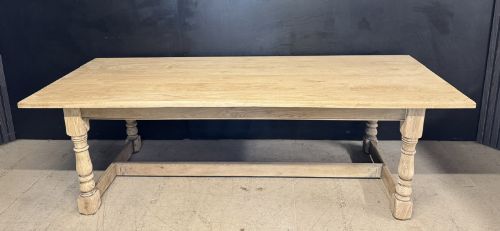
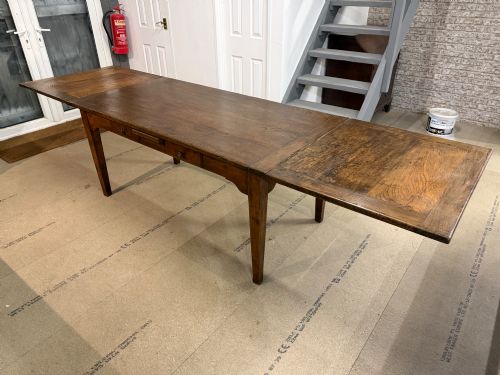
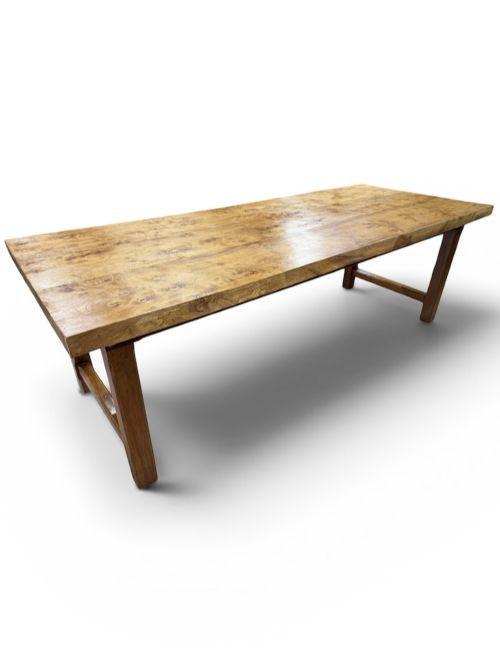
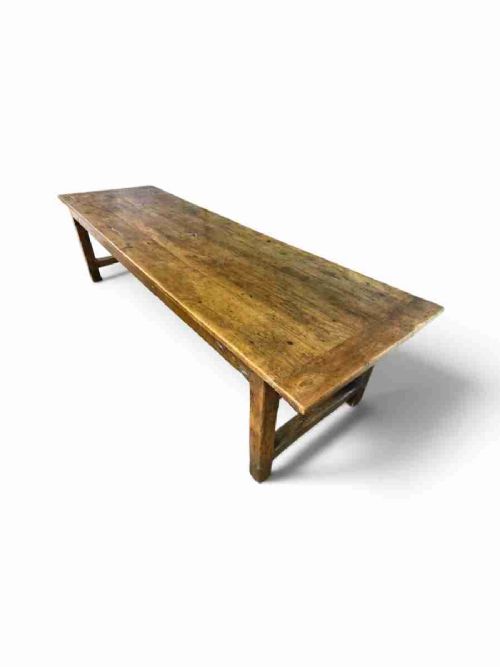
Regional styles such as French country and Georgian country appear alongside rustic variations. Forms include twin plank surfaces, extending mechanisms, and refectory designs suited to substantial gatherings.
How they were made
Solid hardwoods and softwoods form the backbone of these pieces, utilising durable timbers such as oak, pine, elm, fruitwood, poplar, and beech. Joinery relies on traditional methods designed to withstand heavy daily wear without modern adhesives.
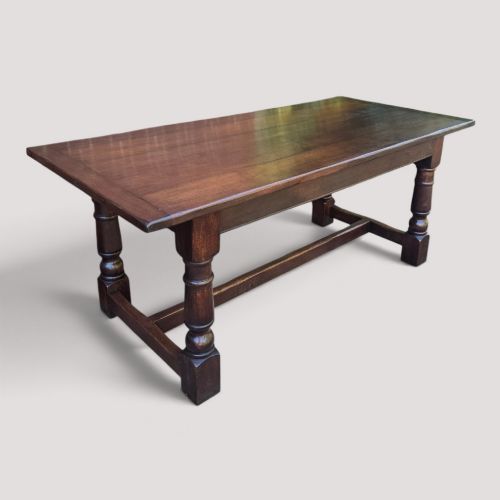
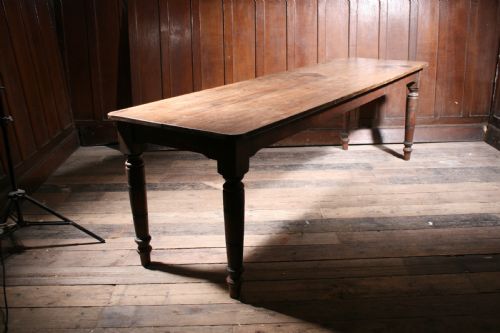
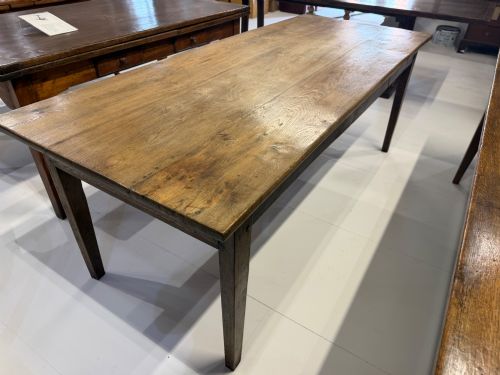
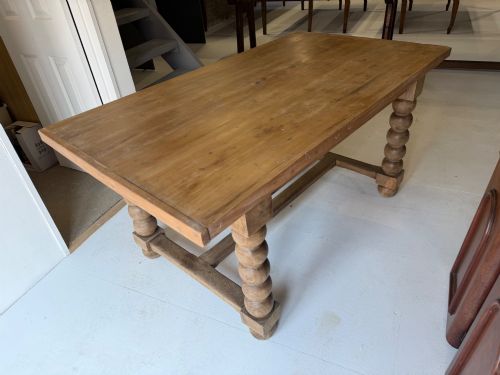
Turned legs, tapered supports, and bobbin turnings provide structural backing while adding decorative character. Surfaces often show the honest marks of age, tool work, and wax or paint finishes applied over generations of use.
Listings feature timbers including oak, pine, elm, fruitwood, and walnut, spanning periods from the eighteenth century through the twentieth.
What varies in quality
The integrity of the timber and the depth of the patina define the upper tier of these examples. Tables constructed from solid eighteenth or nineteenth-century oak or fruitwood carry a presence that later assemblies struggle to match.
Proportion and structural balance separate simpler utility items from more considered country furniture. A well-balanced frame with original planking and honest surface wear holds greater appeal than a heavily restored alternative.
The Traditional Wooden Farmhouse Table Glossary
- Refectory table
- A long narrow dining table historically used in monasteries and large country houses. This form provides substantial seating capacity along its length.
- Plank top
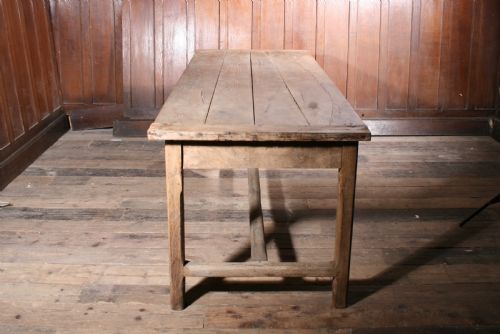
- A surface constructed from wide boards joined side by side. Twin plank versions display the natural grain and width of mature trees.
- Potboard dresser base
- A low sideboard or table featuring an open lower shelf for storing kitchen vessels. It often shares the timber and character of accompanying dining tables.
- Turned leg
- A support shaped on a lathe to create decorative cylindrical profiles. Examples include bobbin, baluster, and tapered variations.
- Patina
- The surface sheen and colour developed through decades of handling, polishing, and natural ageing. This quality is valued by collectors for recording the history of the piece.
Traditional Wooden Farmhouse Table: Frequently Asked Questions
How do I clean my farmhouse table?
Use a soft, damp cloth to remove daily dust and crumbs from the wooden surface. Avoid harsh chemical cleaners that strip the historic wax or oil finish.
Apply a traditional beeswax periodically to nourish the timber and maintain a gentle, protective sheen. Wipe up liquid spills immediately to prevent water rings on older wood.
Can I seat eight people comfortably?
Many examples are built with generous lengths designed to accommodate large families and gatherings. Check the distance between the table legs to ensure chairs slide underneath easily.
Refectory and twin plank formats typically offer clear seating runs along the sides without obstructive stretcher placement.
What rooms suit a pine kitchen table?
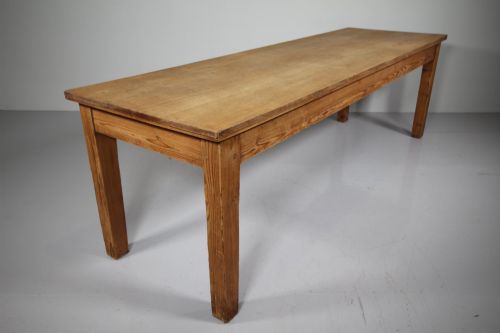
A pine table introduces warmth and casual utility into modern kitchens, open-plan dining areas, or breakfast rooms. Their lighter timber tones brighten interior spaces.
Pair these surfaces with mismatched wooden chairs or benches to echo the collected aesthetic of rural country homes.
How do I date a wooden table?
Examine the construction methods, tool marks on the underside, and the type of timber used in the frame. Eighteenth-century versions often show hand-planed surfaces and pegged joinery.
Nineteenth and twentieth-century pieces may incorporate machine-sawn components, standardised screws, or extending mechanisms that reflect later manufacturing practices.