




Traditional Wooden Farm Table
Traditional wooden farm table designs offer honest domestic utility, built from solid timbers to anchor a kitchen or dining space with centuries of everyday use.
Traditional Wooden Farm Table
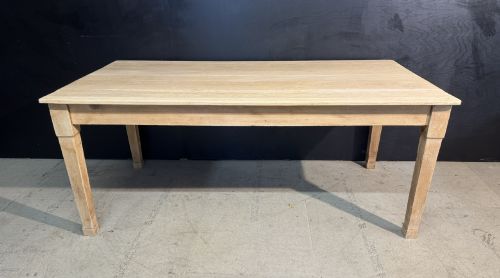
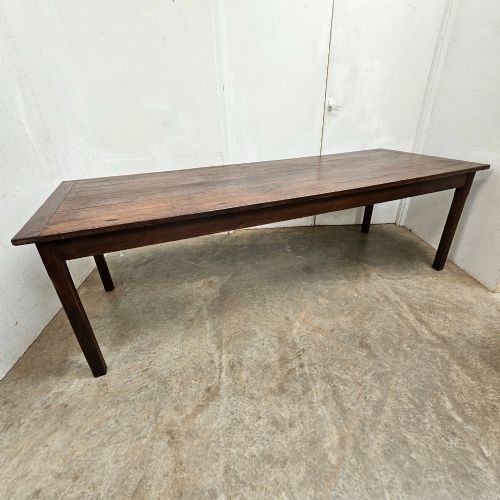
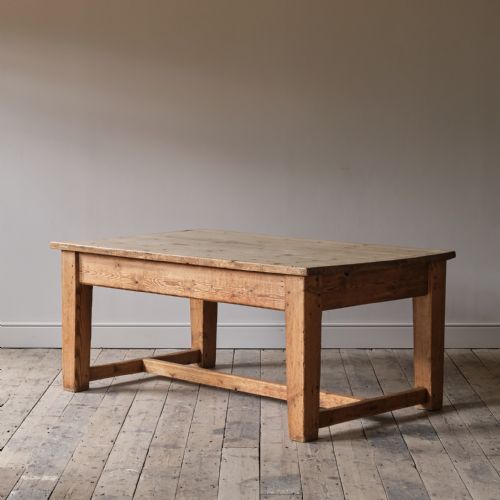
A traditional wooden farm table serves as a sturdy domestic surface, originating from centuries of utilitarian kitchen and dining use. When browsing this selection, the most common form encountered is the substantial oak or pine dining table, often built with refectory proportions or simple four-legged frames.
The pieces span various eras, including Victorian pine examples, robust Edwardian oak tables, and earlier seventeenth-century refectory forms. Kitchen tables, dairy tables, and console variants also appear, reflecting the diverse domestic roles these heavy wooden surfaces occupied across rural households.
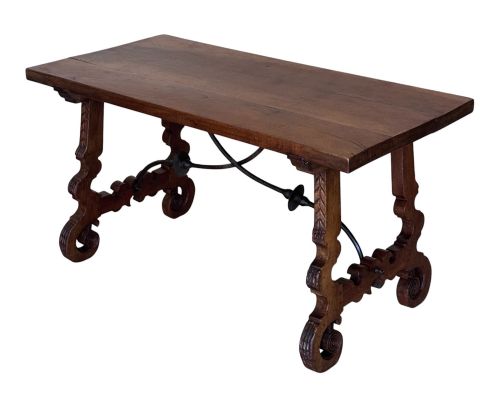
Regional styles shape the appearance of these tables, ranging from French provincial and country designs to Spanish baroque and rustic farmhouse aesthetics. Buyers find everything from scrubbed pine tops to parquetry fruitwood surfaces, providing a direct link to historical domestic traditions.
Materials and Construction
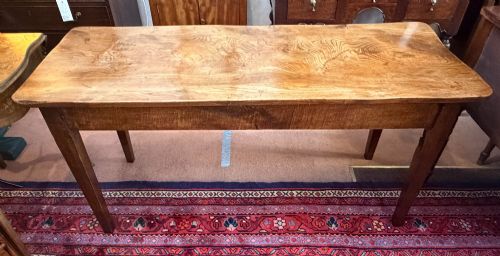
Makers relied heavily on native hardwoods and softwoods, constructing tops and frames from solid oak, pine, elm, and fruitwood. Single plank elm tops and cherry surfaces frequently provide the expansive working areas required for daily food preparation and communal dining.
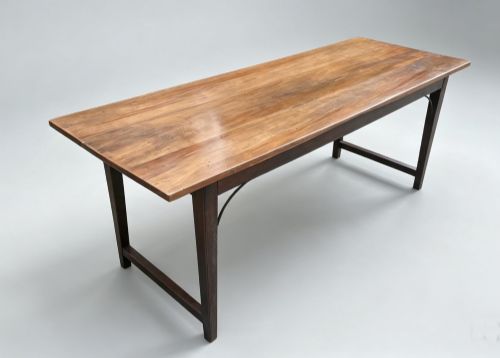
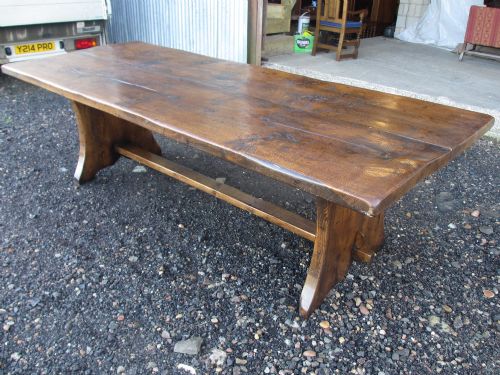
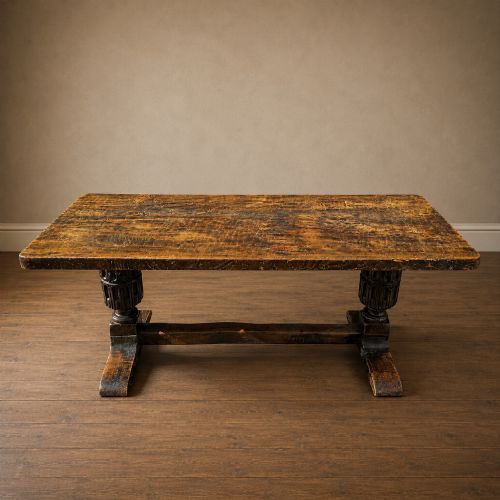
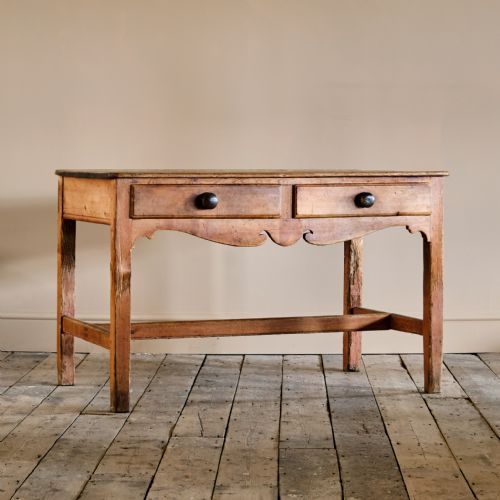
Joinery techniques prioritize durability, employing heavy refectory stretchers, shaped trestle ends, and occasional single-drawer compartments integrated into the apron. Metal elements such as brass or wrought iron appear in structural brackets and fixings, reinforcing the heavy timber frames against daily wear.
Some nineteenth-century dairy tables spent their youth splashed with milk and cream before retiring into quiet dining rooms.
Evaluating Quality and Character
Quality rests in the integrity of the timber selection, where single-plank tops and dense grain patterns command attention. Tables retaining their original surface patination, such as historic painted finishes or natural wax buildup, display a depth of character absent in over-restored pieces.
Structural honesty distinguishes superior examples, evident in the snug fit of traditional joints and the balanced proportions of legs and stretchers. Subtle details like parquetry work on fruitwood surfaces or the integration of a single dovetailed drawer elevate the craftsmanship beyond standard utilitarian builds.
The Traditional Wooden Farm Table Glossary
- Refectory table
- A long narrow dining table traditionally used in monasteries and large halls, built with sturdy legs connected by a longitudinal floor stretcher. These tables provide substantial seating capacity along their length.
- Parquetry
- A geometric mosaic of wood pieces used for decorative effect on furniture surfaces, often seen in French fruitwood tables. This technique creates patterned tops through precise inlay work.
- Dairy table
- A specialised utilitarian table designed for cool, functional spaces, typically featuring a scrubbed pine top for easy cleaning. These surfaces often showed resistance to moisture from daily dairy production.
- Trestle ends
- Support structures consisting of a horizontal beam raised on two pairs of angled legs at each end. This design allows maximum legroom along the length of the table.
- Falu paint
- A traditional deep red or earthy paint historically used on timber structures and furniture in Sweden. It provides a distinct matte finish derived from copper mine waste.
Traditional Wooden Farm Table: Frequently Asked Questions
How do I clean a wooden farm table?
Maintain the surface by wiping it gently with a damp cloth and mild soap, avoiding harsh chemical cleaners that strip historical wax. Regular application of natural beeswax preserves the timber and nourishes the grain without creating an artificial gloss.
Allow spills to be dried immediately to prevent water marks from settling into the porous grain of older pine or oak. Scrubbed timber tops tolerate gentle abrasive cleaning if necessary to remove surface marks from daily use.
Are these tables suitable for everyday family dining?
These robust tables were constructed specifically for heavy daily domestic use, making them resilient centerpieces for modern family kitchens and dining rooms. Solid hardwood and thick pine tops easily absorb the knocks and rings of active households.
Many historic examples already carry the dents and scars of previous generations, meaning new marks simply add to their ongoing narrative. Pairing them with sturdy chairs creates a functional, enduring setting for meals.
How do I identify a Victorian pine kitchen table?
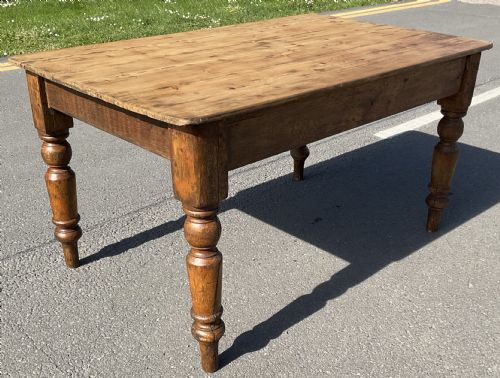
Victorian pine tables generally feature simple rectangular tops set above four turned or tapered legs, occasionally housing a single small drawer on one side. The pine wood often displays a warm honey tone developed through decades of scrubbing and exposure to light.
Examination of the underside and drawer construction reveals hand-cut dovetails and maker marks indicative of nineteenth-century workshop production. The joinery relies on pegged mortise and tenon connections rather than modern metal fasteners.
What is the difference between a refectory and a farmhouse table?
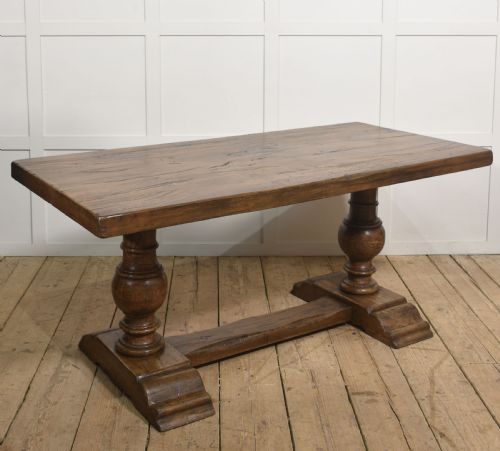
Refectory tables typically feature a long, narrow format supported by structural floor stretchers running between heavy legs or trestle ends. They originated in large communal dining halls, resulting in an elongated silhouette designed to seat many diners.
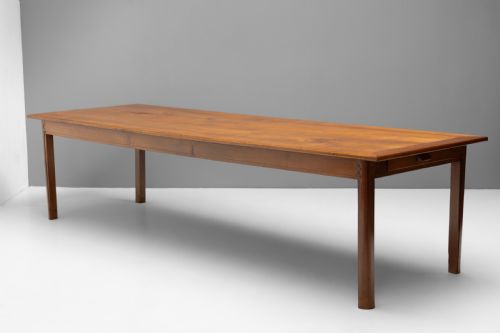
Farmhouse tables generally offer a slightly wider proportion intended for domestic kitchens and smaller dining spaces. They prioritize practical utility, sometimes incorporating a single side drawer for storing utensils or linens.