
Traditional Wooden Box
A traditional wooden box offers honest utility, taking forms from blanket chests to carved coffers rooted in centuries of vernacular joinery.
Traditional Wooden Box
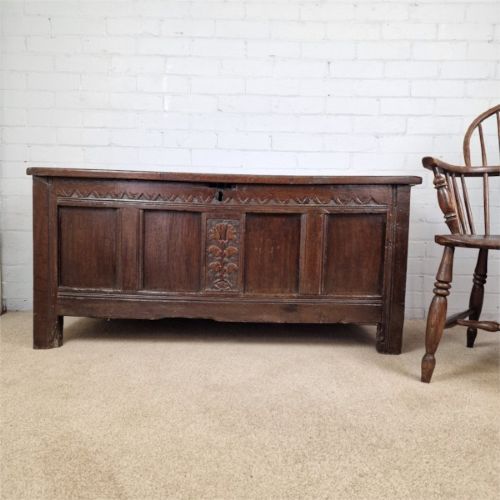
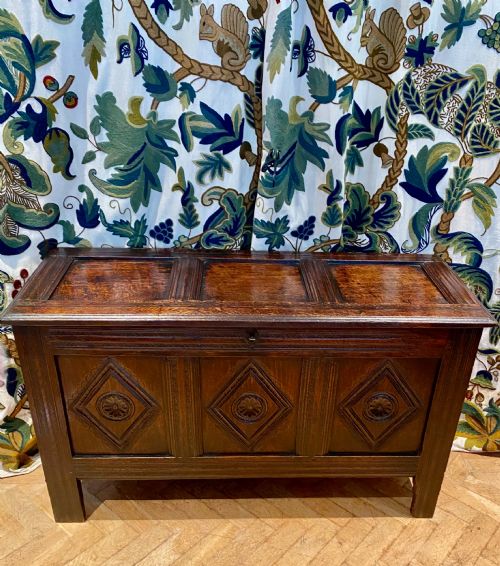
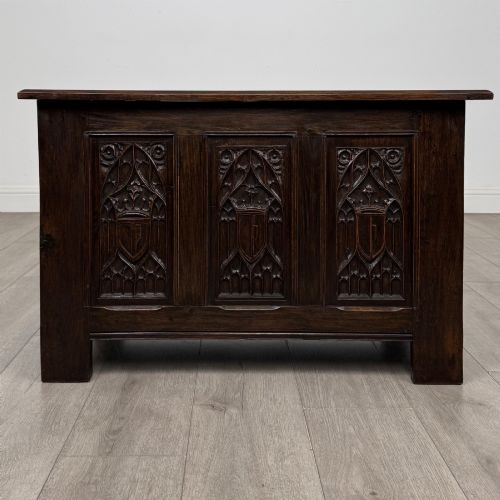
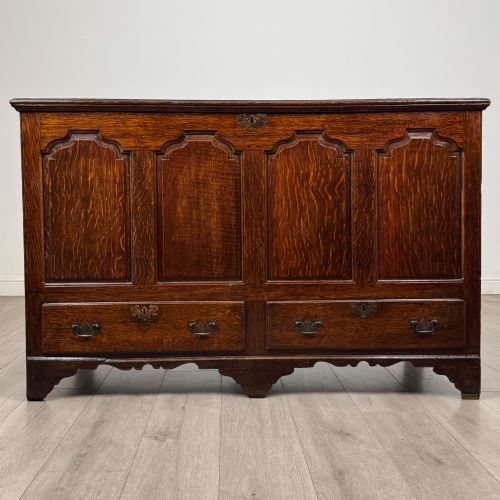
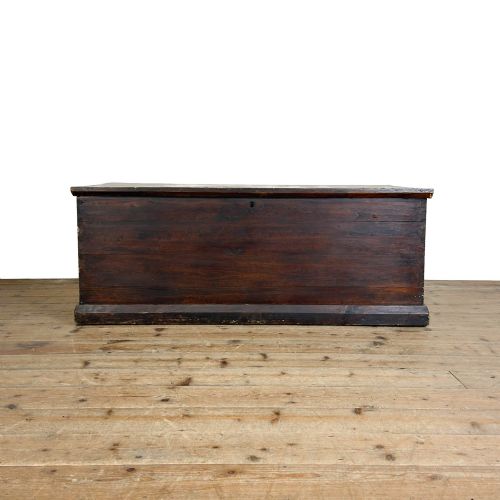
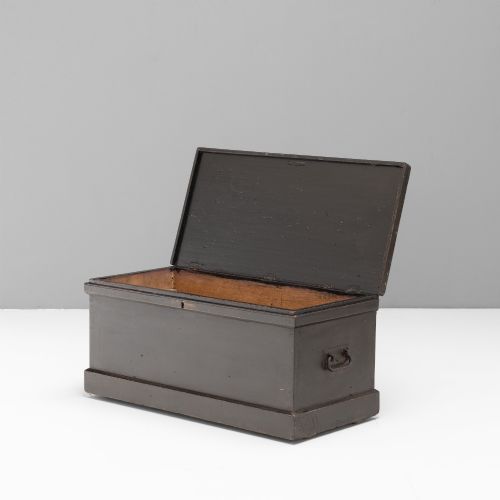
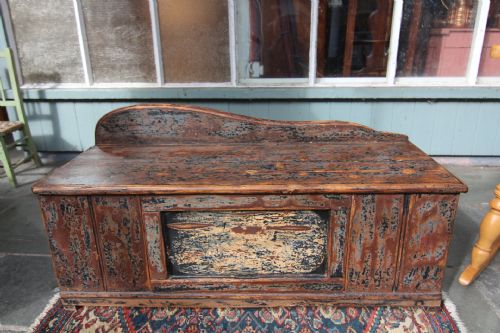
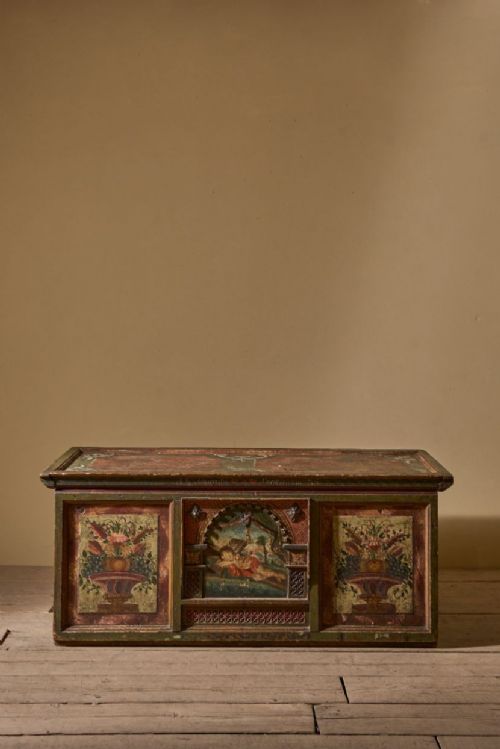
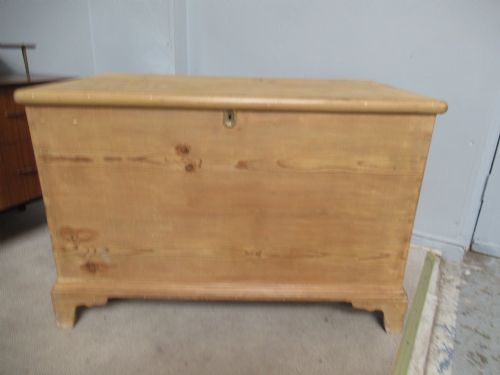
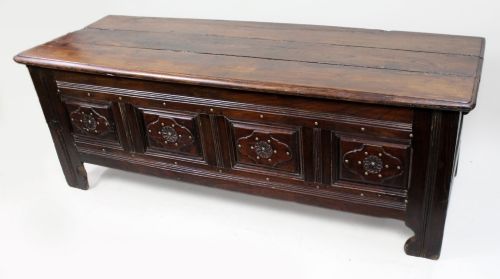
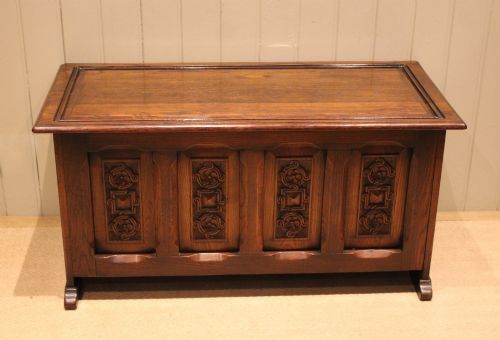
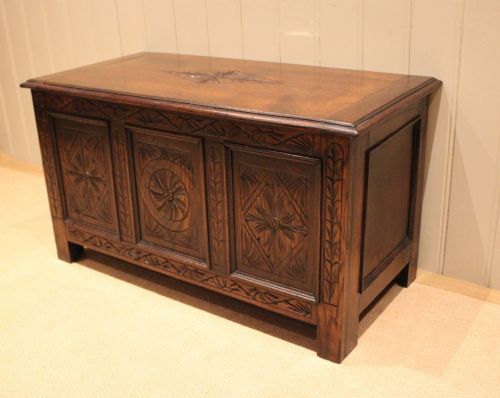
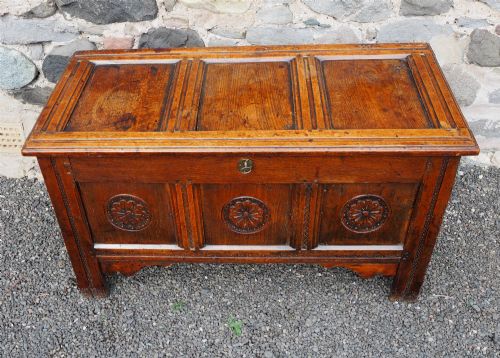
A traditional wooden box spans utilitarian storage containers and seating forms, appearing as blanket chests, blanket boxes, coffers, storage chests, trunks, and box settles.
The pieces on this page originate predominantly from the seventeenth, eighteenth, and nineteenth centuries, alongside regional interpretations from the Victorian era and early twentieth century.
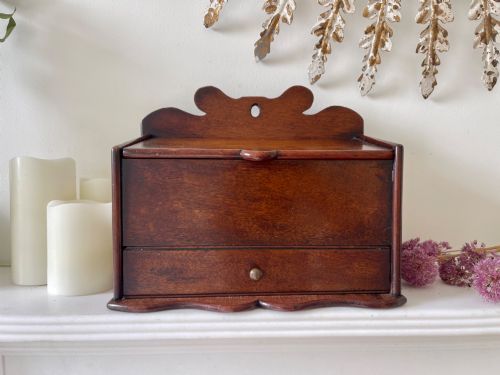
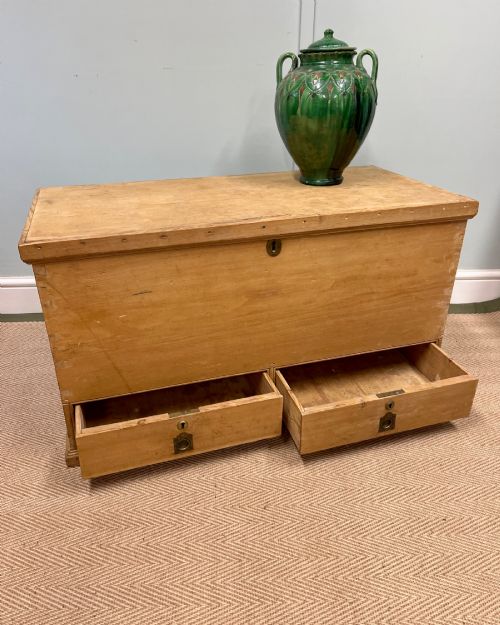
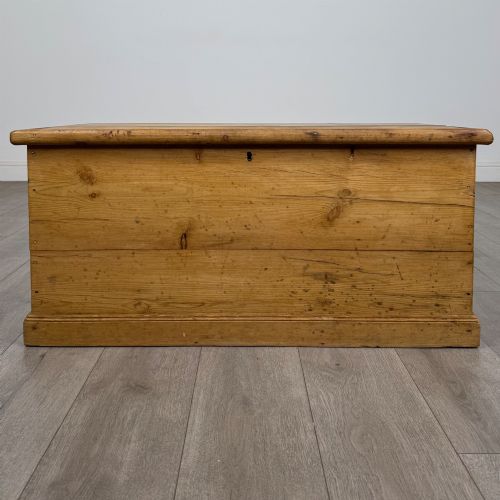
Forms range from simple six-plank construction to panelled coffers, Lancashire mule chests, flour bins, and small salt boxes or foot warmers designed for domestic service.
How traditional wooden box items were made
Construction relies heavily on native timbers such as oak, elm, pine, and mahogany, selected for local availability and structural strength.
Joining techniques combine traditional pegged joints, panel framing, and six-plank assembly, secured with hand-forged iron strapwork or brass hardware.
Listings feature structural timbers spanning oak, pine, elm, and mahogany across the eighteenth and nineteenth centuries.
What varies in quality in a traditional wooden box
Quality rests upon the selection of timber and the integrity of the joinery, distinguishing heavy solid hardwood construction from lighter pine or utilitarian workshop pieces.
Decorative ambition separates plain domestic storage from superior examples, seen in carved panels, chip carving, crossbanding in mahogany, or original painted surfaces.
Jacques
The Traditional Wooden Box Glossary
- Coffer
- A large wooden chest used historically for storing valuables, linen, or documents, often featuring a hinged lid and panelled construction.
- Six-plank coffer
- A primitive box form constructed from six individual boards joined directly at the edges, typical of early country furniture.
- Mule chest
- A storage chest fitted with one or more drawers beneath the main compartment, combining the functions of a coffer and a chest of drawers.
- Box settle
- A high-backed wooden bench incorporating a hidden storage compartment beneath a lift-up seat.
- Treen
- Small handmade wooden household objects and utensils created by turning on a lathe or through manual carving.
Traditional Wooden Box: Frequently Asked Questions
What is a coffer?
A coffer is a robust wooden storage chest used primarily for domestic goods, linen, and valuables in centuries past.
These pieces typically feature hinged lids and structural panel framing designed to withstand heavy daily use in homes.
How do I date an oak chest?
Dating relies on observing construction methods, such as hand-cut pegs, board thickness, and tool marks left by early joiners.
Stylistic indicators like chip carving, linenfold panels, or vernacular regional traits also point to specific centuries.
Where were these boxes used?
These boxes served essential storage roles across domestic rooms, hallways, and farmhouses, doubling as seating in restricted spaces.
Specialised forms like foot warmers and salt boxes were kept near hearths for everyday domestic convenience.
What timber was used?
Oak and elm dominate early vernacular pieces, offering dense, durable framing for heavy domestic storage.
Pine and mahogany appear frequently in later nineteenth-century boxes, alongside imported camphor wood for specialised maritime chests.