


Traditional Wooden Bed
A traditional wooden bed brings genuine period character to a bedroom, offering solid construction in oak, mahogany or walnut spanning several centuries.
Traditional Wooden Bed
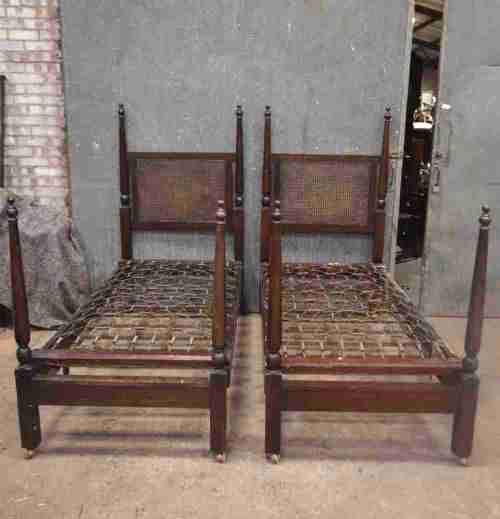
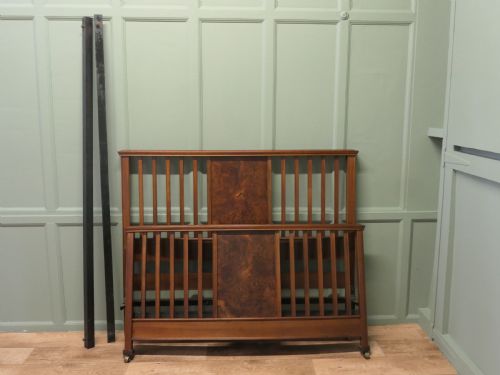
A traditional wooden bed encompasses sturdy four poster frames, double bedsteads and single bed frames originating from the seventeenth century through to the Edwardian period and nineteen-thirties. Buyers searching for a traditional wooden bed encounter substantial pieces constructed from timber such as oak, mahogany, walnut and pine, often displaying period carvings or clean Edwardian lines.
The selection ranges from seventeenth century style oak creations to Victorian and Edwardian mahogany frames, alongside nineteen-twenties burr walnut and oak designs. Most examples found on this page lean heavily towards Edwardian mahogany bedsteads and earlier oak framing.
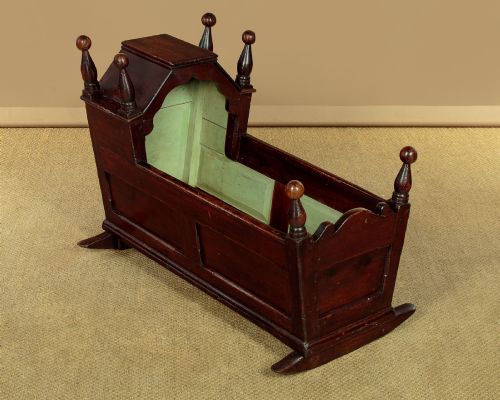
Alongside complete beds, related sleeping and resting forms appear, including rocking cradles and occasionally companion pieces that share the same period timber vocabulary.
What varies in quality
Quality rests upon the selection of timber, the crispness of hand carving and the integrity of the original construction. Superior examples display dense figure in woods like burr walnut or substantial thickness in seventeenth century oak.
Proportion and finish also dictate distinction, separating standard utility pieces from finely proportioned Edwardian mahogany bedsteads with inlaid borders or deep Victorian hand carved details.
Materials recorded across the inventory include oak, mahogany, walnut, pine, elm, iron, brass and fabric.
The Traditional Wooden Bed Glossary
- Four poster bed
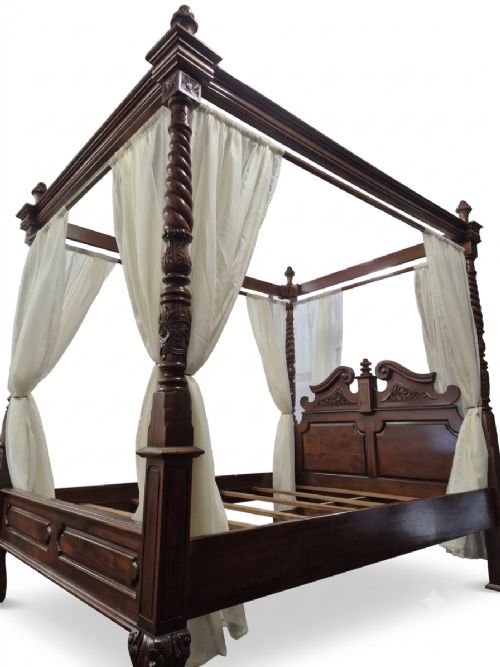
- A bed with four vertical columns supporting an upper canopy or tester. These grand sleeping quarters often feature hand carved posts.
- Bedstead
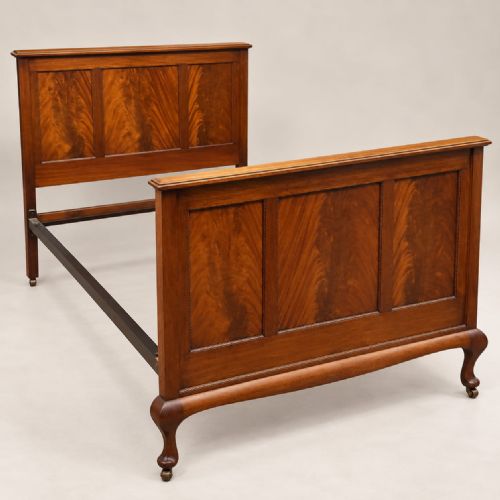
- The framework of a bed supporting the mattress and base. Edwardian mahogany double bedsteads are typical examples.
- Coffer
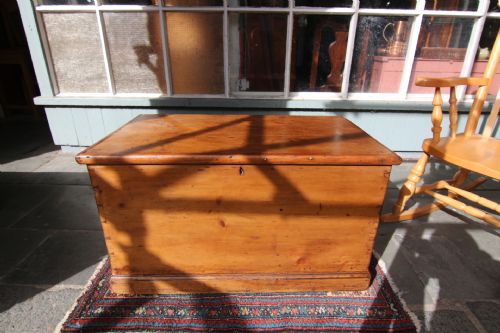
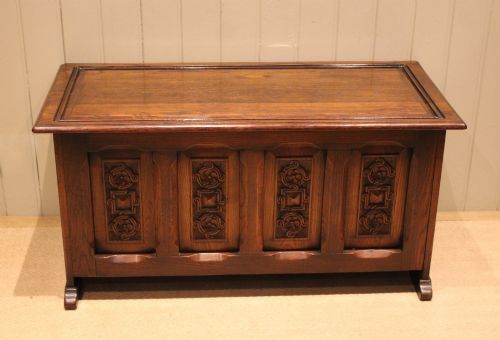
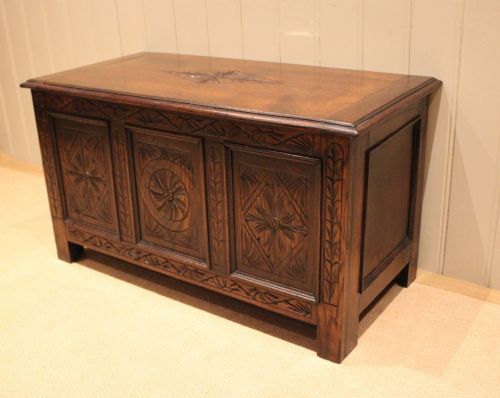
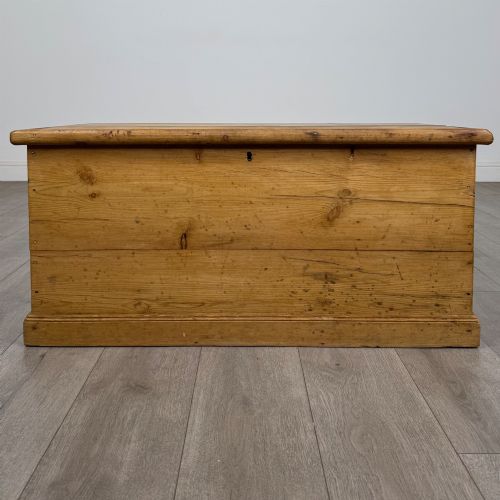
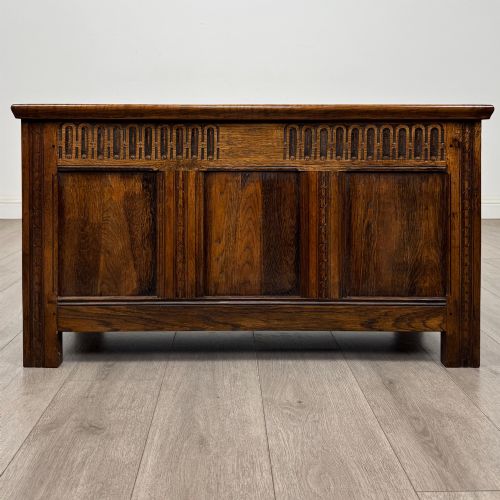
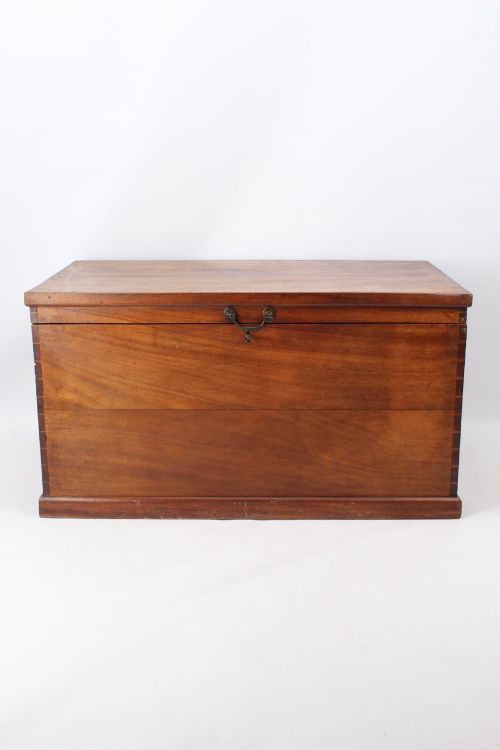
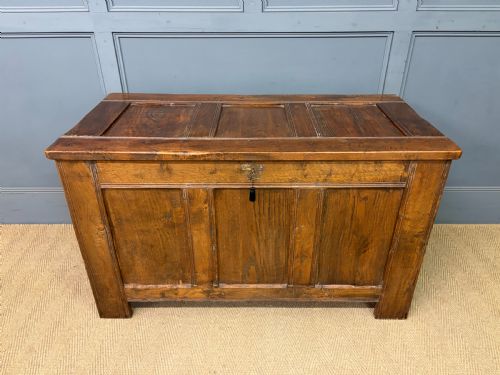
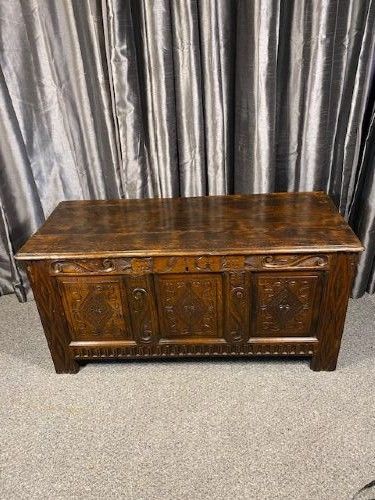
- A large wooden chest used for storage, frequently constructed from solid oak in the seventeenth or eighteenth centuries. They share materials with wooden bed frames.
- Panelling
- Flat wooden sections framed by stiles and rails used on headboards and chest fronts. This technique provides structural rigidity and decorative depth.
- Burr walnut
- A highly figured wood grain obtained from walnut tree growths. It appears on polished Edwardian and nineteen-twenties bed frames.
Traditional Wooden Bed: Frequently Asked Questions
How do I date a wooden bed?
Dating relies upon timber choice, joinery techniques and stylistic markers such as Edwardian inlay or seventeenth century carving.
Examining the construction methods underneath or inside the frame reveals whether the piece belongs to the Victorian era or earlier centuries.
Are old wooden beds standard sizes?
Older bed frames frequently deviate from modern standard mattress dimensions. Custom bases or tailored mattresses are often necessary.
Checking internal measurements before purchase ensures proper fit for modern bedroom spaces.
How do I care for antique timber?
Maintaining wooden frames requires stable room humidity and regular application of appropriate furniture wax. Avoiding direct sunlight preserves the original polish.
Gentle dusting with a soft cloth prevents surface accumulation without harming the antique finish.
What woods are most common?
Oak and mahogany appear most frequently across these listings, alongside walnut, pine and elm. Earlier periods favour solid oak whilst later Victorian and Edwardian pieces utilise mahogany.
Each timber brings a distinct weight and grain pattern to the bedroom furniture.