

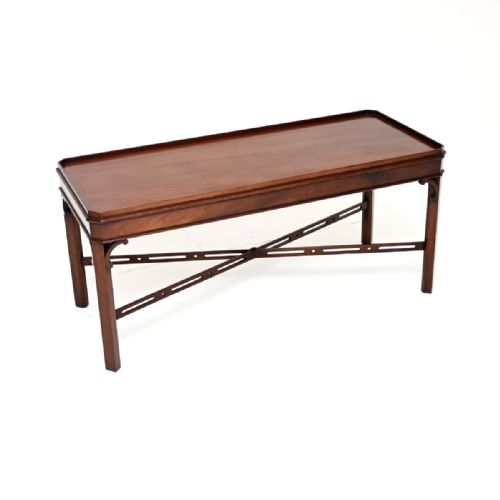
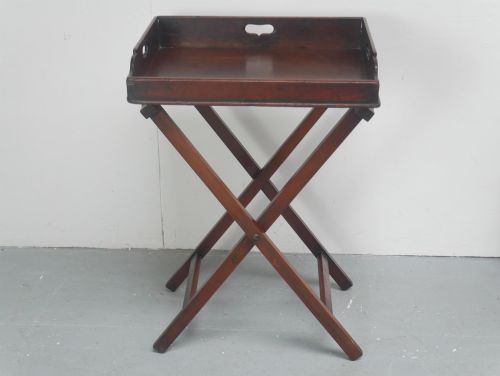
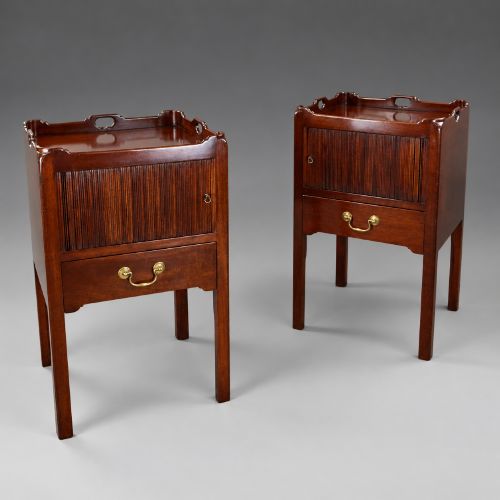
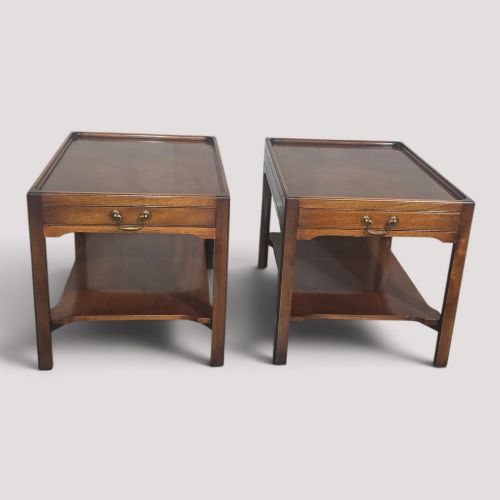






Traditional Wood Tray
A traditional wood tray offers a practical surface for serving or display, combining rich timber grains with centuries of domestic utility.
Traditional Wood Tray
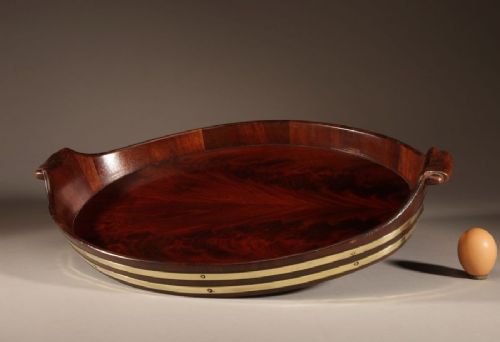
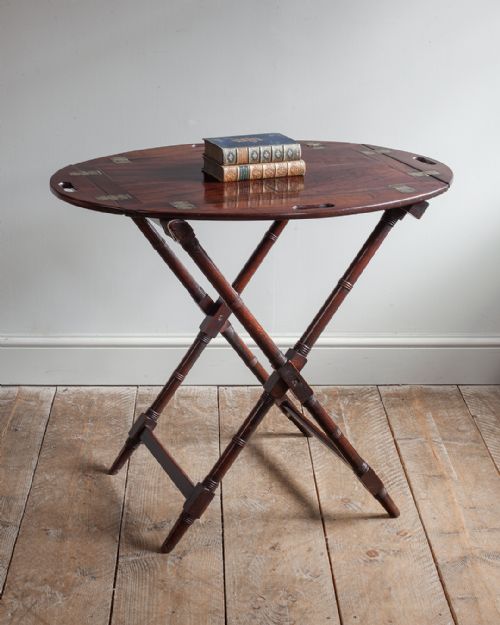
When you examine a traditional wood tray, you find utilitarian serving pieces and clever folding tray tables spanning the eighteenth century through the twentieth century. These include folding butler trays on separate stands, deep oval serving trays, and decorative platters fashioned from mahogany, walnut, oak, and ash.
The selections on this page range from Georgian mahogany examples to Victorian and Edwardian iterations, alongside regional specimens such as Kashmiri walnut and Indian shisham wood. Many survive paired with dedicated folding stands or mounted as low coffee tables.
Materials and construction methods
Cabinetmakers utilised dense hardwoods such as mahogany and walnut, frequently employing cooperative techniques for raised rims or incorporating brass handles and boxwood inlay for reinforcement and visual contrast. Platter forms often relied on single planks of English ash or exotic timbers hand-carved to shape.
Folding stands utilise clever hinge mechanisms and X-frame supports designed for portability and compact storage when not in service during tea or dining.
Traditional Wood Tray Retail Price Guide 2026
Typical asking prices for traditional wood tray among the pieces listed under this phrase on Sellingantiques today, from the lower quarter to the upper quarter. They describe what is for sale here now, not the wider market.
The timber selection spans native English ash and oak alongside imported mahogany, walnut, shisham, and Kashmiri walnut.
Distinctions in quality
Superior examples display crisp hand-carved detailing, well-figured timber grains, and original brass fittings that show honest patination through decades of use. The integrity of the dovetail joints and the snug fit of the tray within its folding stand indicate the skill of the original workshop.
Lesser or heavily restored specimens may exhibit replaced stands, sanded surfaces that remove historic character, or mismatched components assembled long after the initial period of manufacture.
The Traditional Wood Tray Glossary
- Butler tray
- A portable serving tray featuring hinged sides that fold flat for storage, frequently mounted on a folding X-frame stand.
- Coopered
- Constructed using vertical wooden staves bound together with metal bands, similar to barrel-making, often seen in oval trays.
- Treen
- Small handmade wooden household objects and utensils valued for their tactile qualities and domestic utility.
- Shisham
- A durable Indian rosewood known for its rich colour and prominent grain patterns, utilised in regional platters.
- Boxwood inlay
- Contrasting light-coloured wood inserted into recesses of a darker timber to create decorative geometric or floral borders.
Traditional Wood Tray: Frequently Asked Questions
How were butler trays originally used?
Butler trays served as portable surfaces for carrying silver, glassware, and tea services from the kitchens to the drawing room.
The removable tray sat atop a folding wooden stand, allowing servants to clear the arrangement quickly when the gathering concluded.
Can I use an antique tray on a coffee table?
Many folding tray tables and larger serving trays find a second life as sturdy coffee tables in modern reception rooms.
Their raised edges contain items securely while introducing rich timber textures and historical character to the centre of a room.
How do I care for wooden serving trays?
Maintain the finish by applying natural beeswax occasionally to nourish the hardwood and protect against minor moisture marks.
Avoid submerging antique wooden items in water or exposing them to direct heat sources that might cause the timber to split.
Are these trays water resistant?
Traditional finishes such as shellac or wax offer limited defence against liquid spills, requiring prompt wiping to prevent staining.
Most historic pieces were designed for dry service or brief handling during tea rather than heavy moisture exposure.