
Traditional Wood Stool
A traditional wood stool offers sturdy utility and honest craftsmanship, connecting modern interiors to centuries of domestic and tavern life.
Traditional Wood Stool
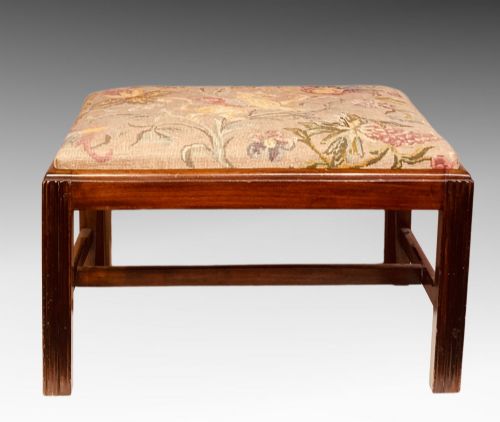
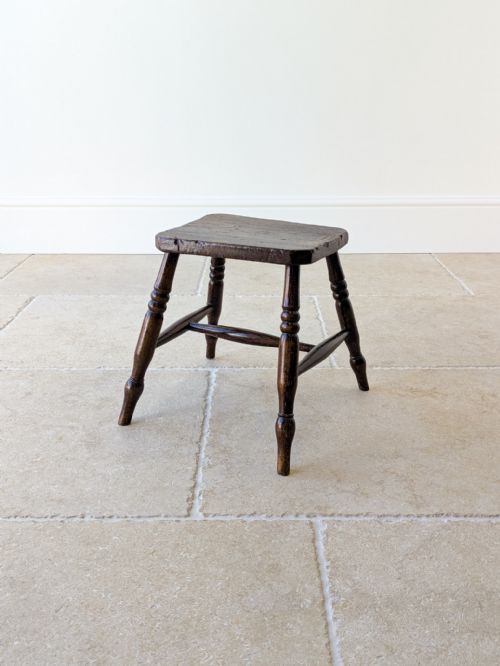
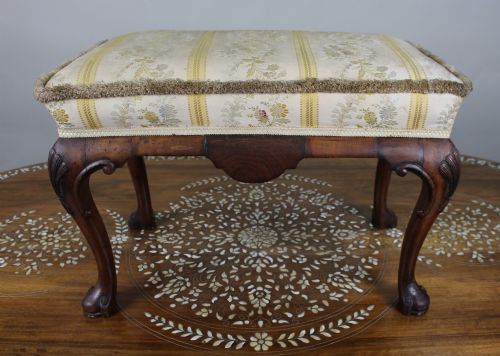
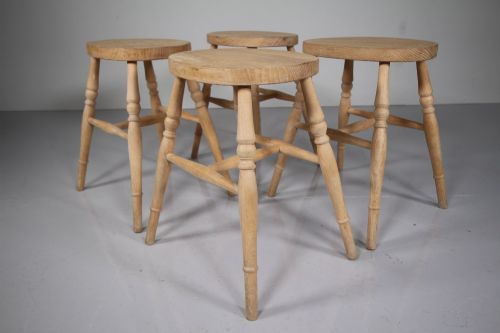
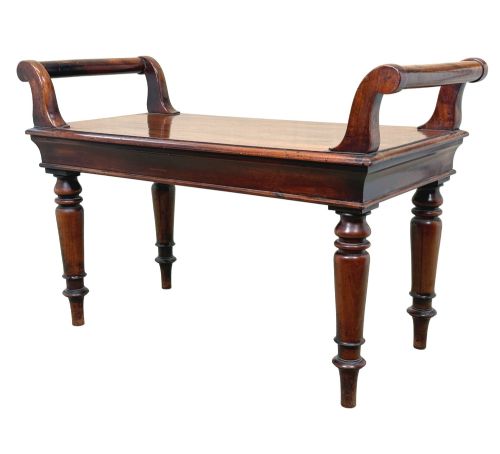
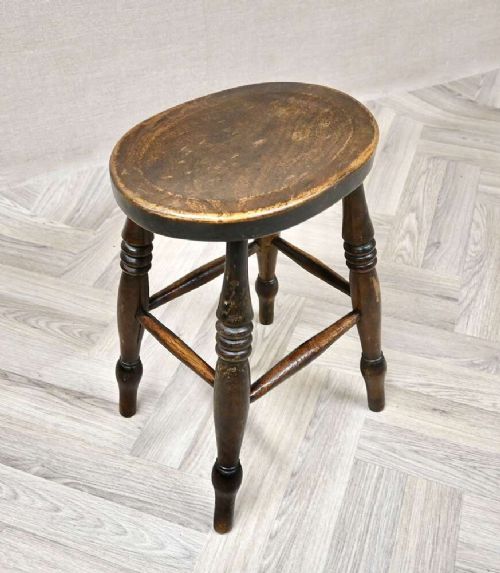
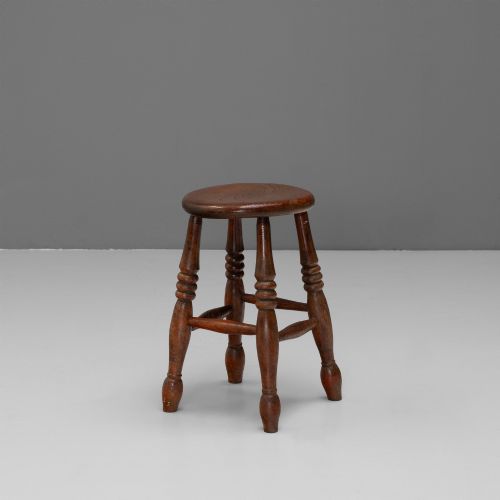
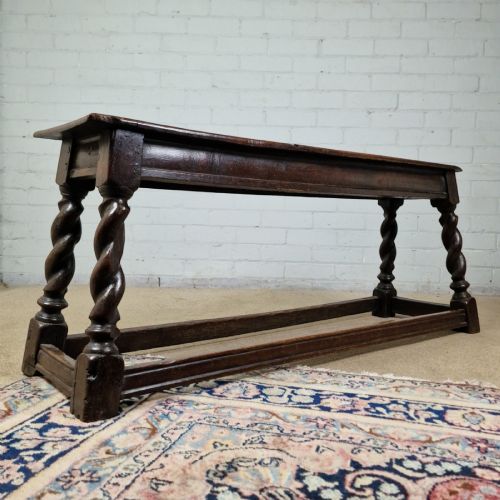
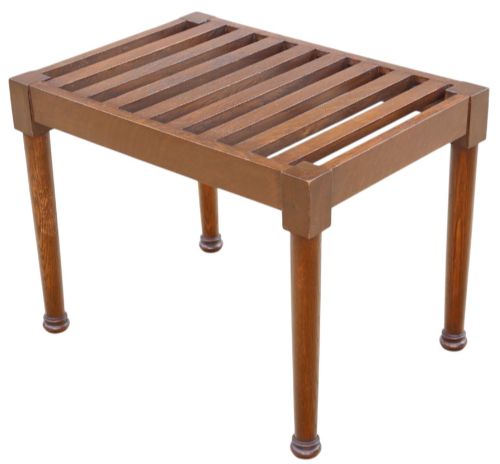
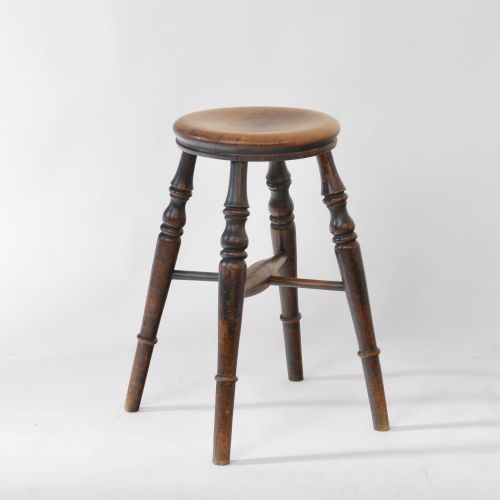
A traditional wood stool is a practical seat spanning humble vernacular forms and formal revival styles. When searching for a traditional wood stool, buyers encounter diverse seating including low milking forms, tall bar heights, and jointed benches.
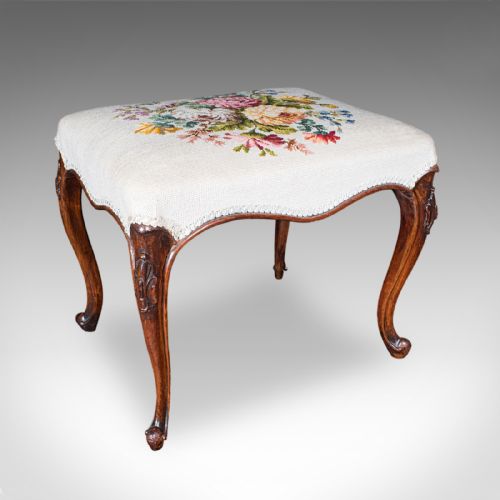
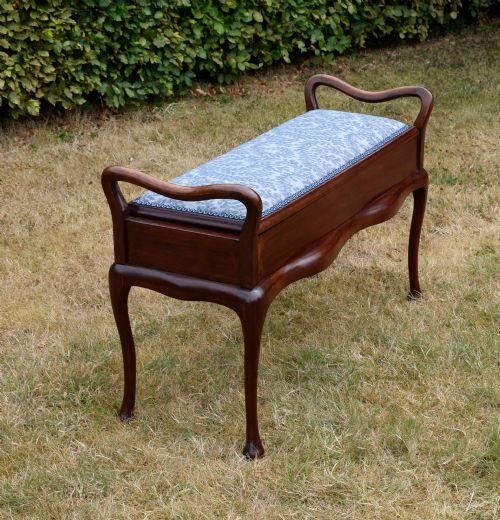
The material origins trace through Victorian, Edwardian, and earlier eras, drawing heavily on English country workshops. Surviving examples range from simple three-legged ash designs to carved walnut and mahogany pieces intended for polite rooms.
How they were made
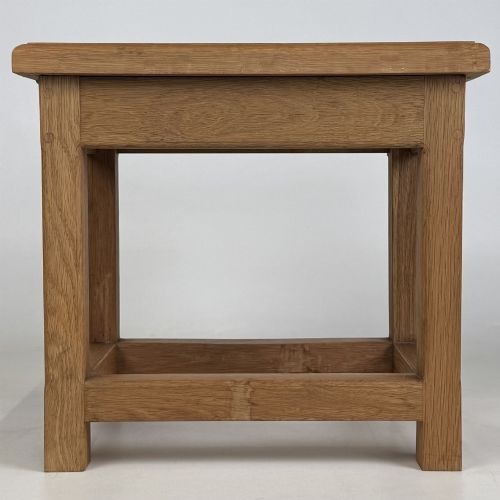
Construction relies on solid timbers selected for strength, principally oak, elm, ash, and beech. Makers shaped seats from single slabs or joined planks with pegged joints to withstand heavy daily use.
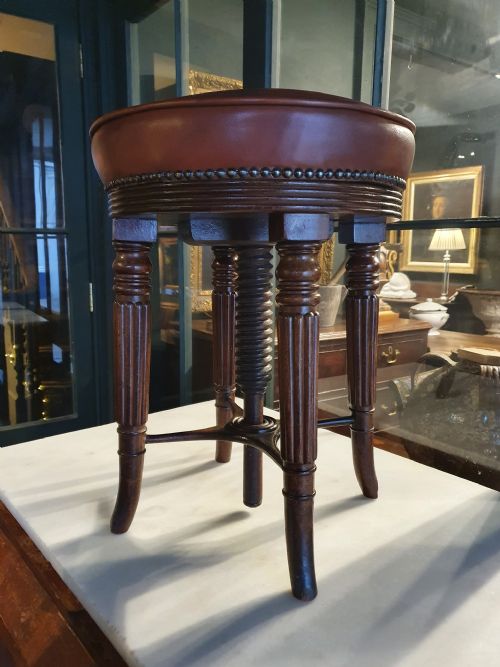
Turned legs and spindles appear frequently, shaped on lathes and fitted into bored seats. Secondary materials like rush, cane, and leather provide seating surfaces on specific regional and period types.
Periods represented stretch from the 18th century through the Victorian and Edwardian eras into the early 20th century.
What varies in quality
Quality rests in the integrity of the timber and the tightness of the joinery. Solid oak and figured mahogany pieces display superior cabinetmaking compared to utilitarian vernacular items.
Proportion and retention of original surfaces dictate desirability. Untouched patination on elm tops and crisp turning on beech legs separate superior survivals from heavily restored examples.
The Traditional Wood Stool Glossary
- Joint stool
- A sturdy wooden seat constructed with mortise and tenon joints, common in domestic settings before upholstered chairs became widespread.
- Milking stool
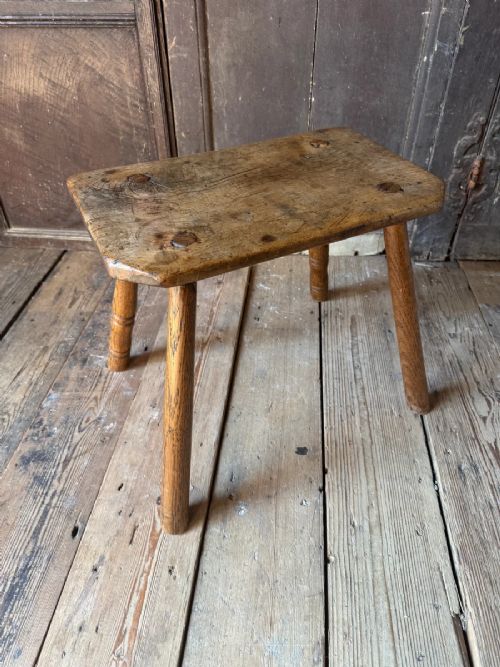
- A low, typically three-legged vernacular seat designed for stability on uneven agricultural floors.
- Windsor
- A style of seating featuring turned legs and spindles wedged directly into a thick, often saddle-shaped wooden seat.
- Rush seat
- A seating surface woven from dried marsh rushes, creating a durable and slightly yielding texture.
- Vernacular
- Everyday objects made by local craftsmen using regional materials and traditional methods without high-style academic design.
Traditional Wood Stool: Frequently Asked Questions
How do I identify a joint stool?
A joint stool relies on tight mortise and tenon joinery rather than glued or nailed construction. These sturdy oak pieces date back to early domestic interiors.
Look for pegged joints and linear underframing that provide rigid support without wobbling.
Were milking stools used for sitting?
Milking stools served agricultural workers who required a portable, low seat during daily chores. Their three legs ensured stability on uneven barn floors.
Today they function well as small side tables or decorative display pedestals in rustic rooms.
What is the difference between a bar stool and a tavern stool?
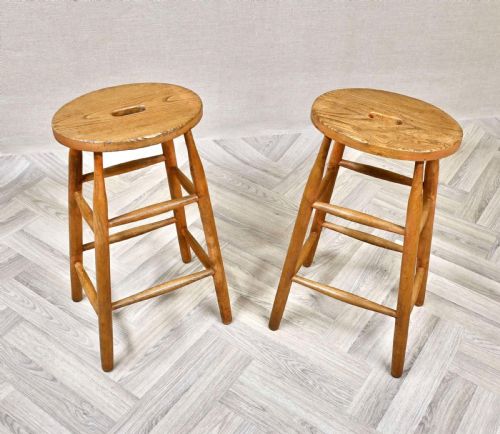
Tavern stools usually feature dished wooden tops or turned supports designed for commercial hospitality spaces. Bar stools share similar elevated heights but often incorporate footrests for sustained comfort.
Both types utilise robust timbers like beech, elm, and oak to endure heavy public use.
How should I clean a wooden stool?
Dust wooden surfaces regularly with a soft, dry cloth to prevent grit accumulation. Avoid harsh chemical cleaners that strip historical polish and dry out aged timber.
Apply occasional microcrystalline wax to nourish the grain and protect the original patination.