

Traditional Wood Stand
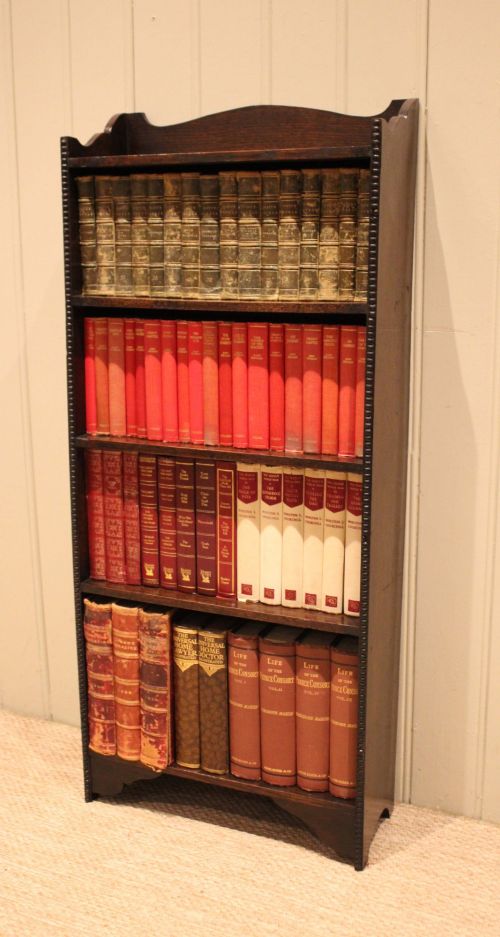
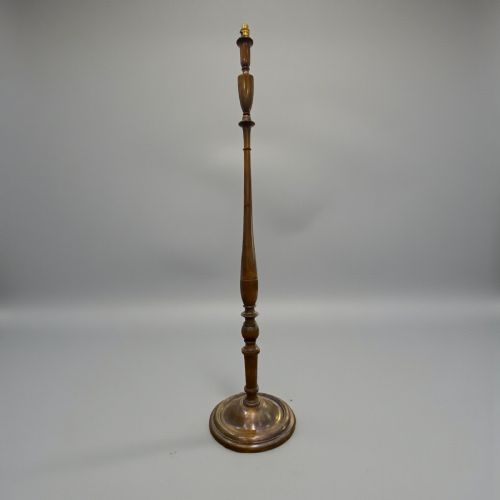
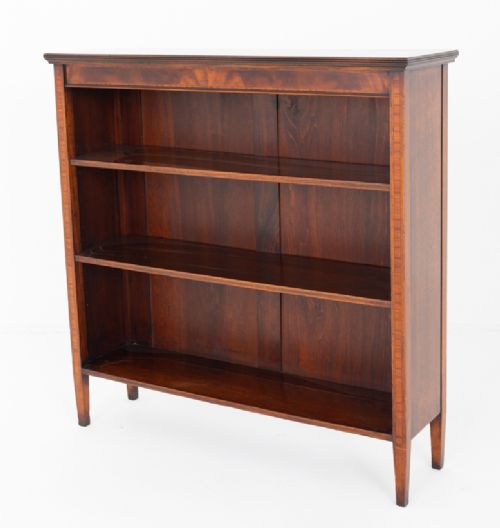
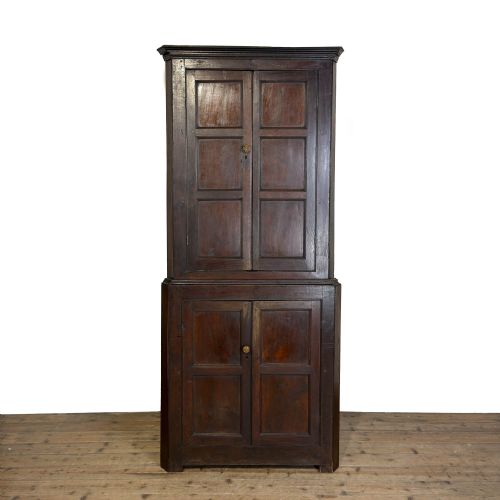
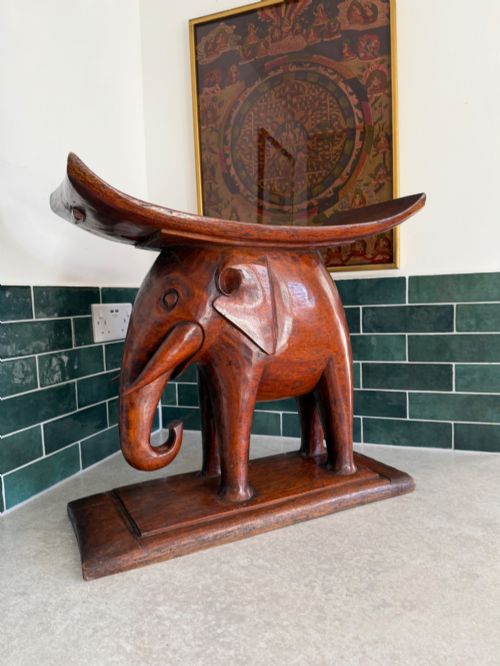
These traditional wood stand examples encompass practical furnishings from the Georgian to the 1930s periods, offering sturdy surfaces and display spaces for lamps, books, and plants.
Traditional Wood Stand
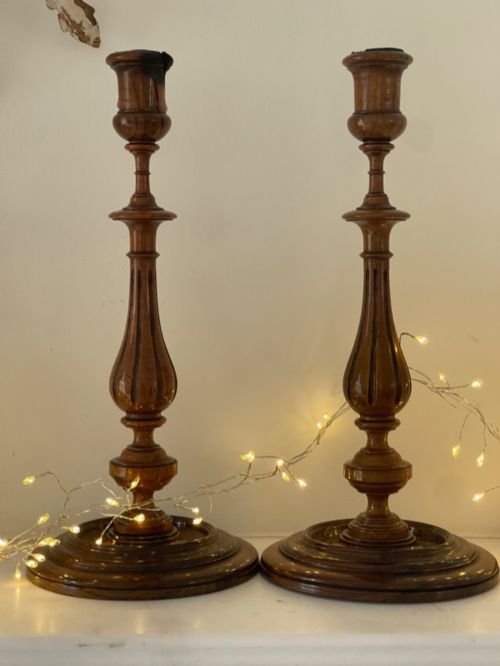
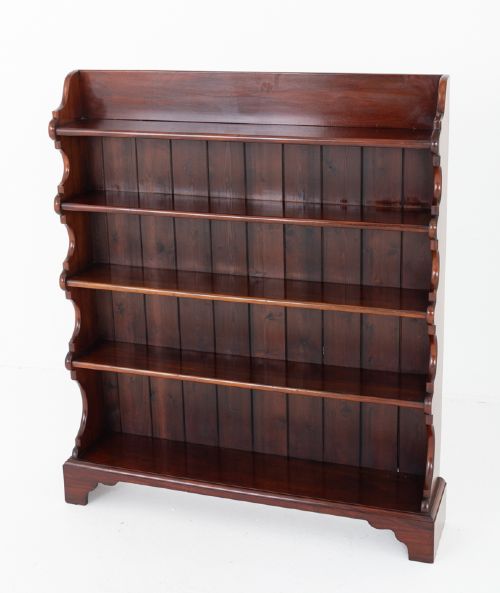
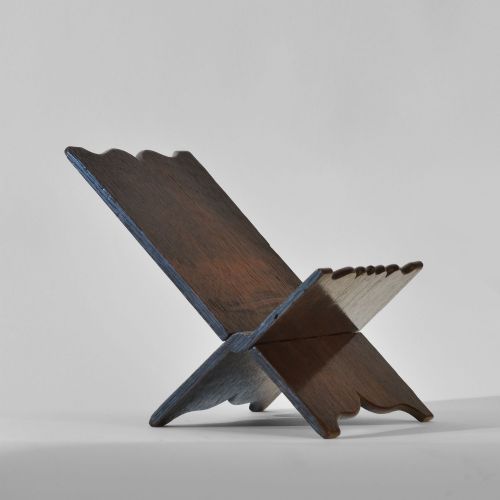
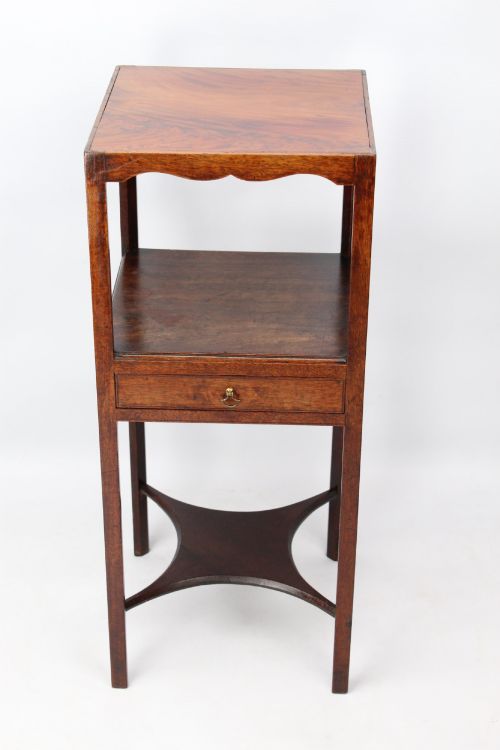
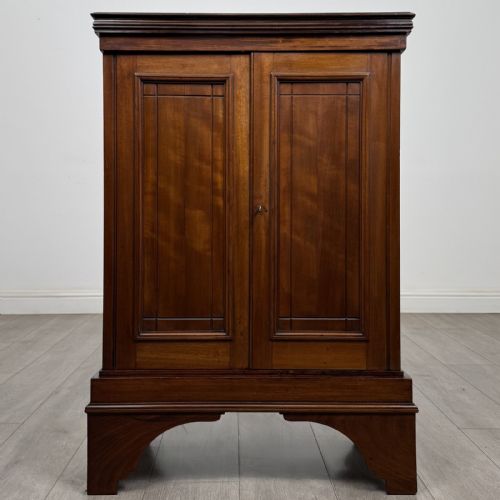
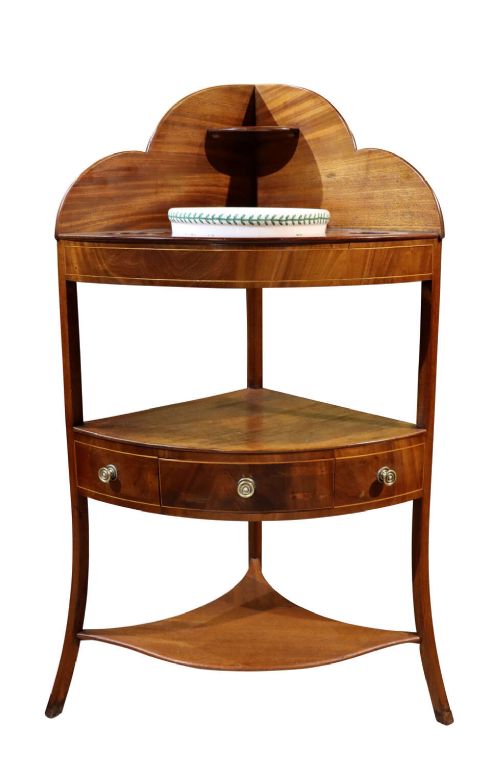
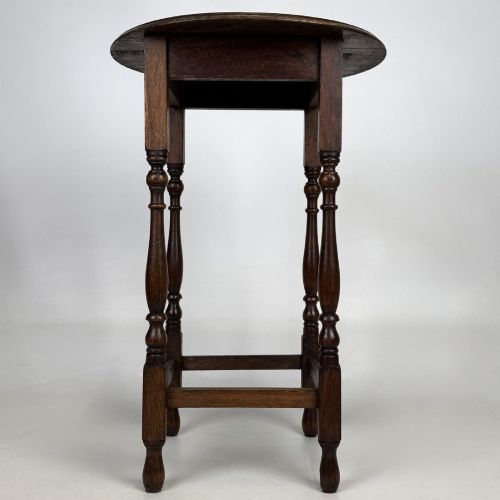
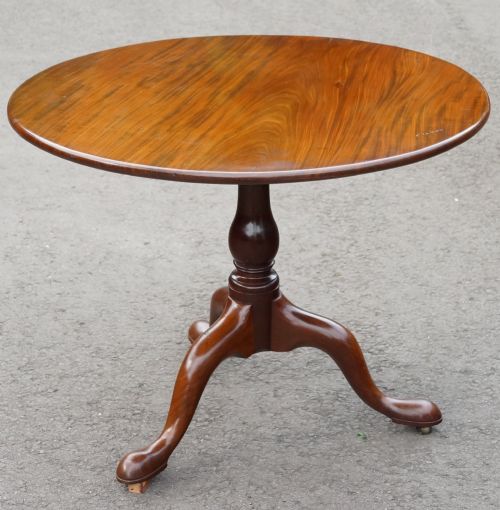
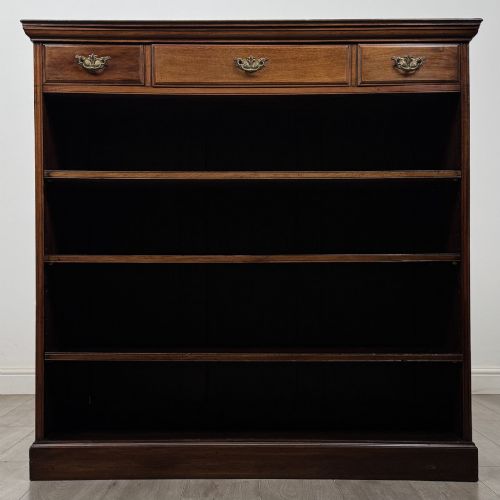
A traditional wood stand encompasses diverse functional furnishings spanning the Georgian, Victorian, Edwardian, and early twentieth-century periods. Buyers encounter pieces ranging from mahogany occasional tables and tripod candle stands to oak open bookcases, corner cabinets, and display cases.
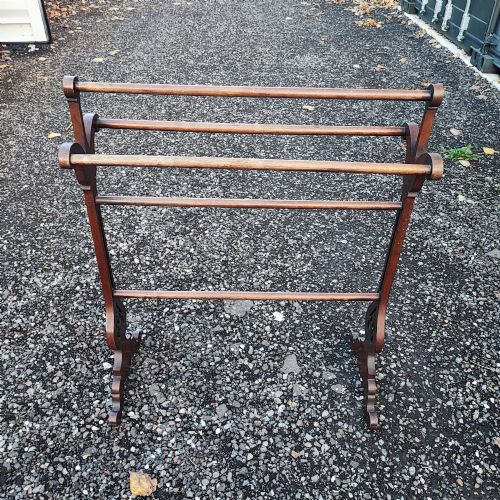
Materials such as mahogany, oak, walnut, rosewood, and brass feature prominently across these functional items. The selection reflects domestic requirements from the nineteenth century onward, including specialised forms like luggage racks, torcheres, and standard lamps.
Materials and Construction
Joinery relies on hardwoods like mahogany and oak, frequently paired with secondary timbers, burr walnut veneers, and brass hardware. Cabinetmakers constructed these pieces using solid timber boards alongside framed panels and inlaid decorative details.
Surfaces often showcase carved elements, geometric mouldings, or contrasting stringing in kingwood and walnut. Structural integrity depends on stable timber selection and traditional framing methods suited to load-bearing furniture.
Traditional Wood Stand Retail Price Guide 2026
Typical asking prices for traditional wood stand among the pieces listed under this phrase on Sellingantiques today, from the lower quarter to the upper quarter. They describe what is for sale here now, not the wider market.
The inventory encompasses diverse functional forms including bookcases, display cabinets, occasional tables, torcheres, and cheval mirrors.
Craftsmanship and Proportion
Quality emerges in the crispness of carved details, the choice of timber figuring such as burr walnut, and the balance of overall proportions. Pieces with refined grain patterns and balanced structural elements demonstrate superior execution by the maker.
The integration of functional components, including adjustable shelving in bookcases or stable tripod bases on candle stands, distinguishes standard utility pieces from exhibition-grade examples.
The Traditional Wood Stand Glossary
- Tripod Table
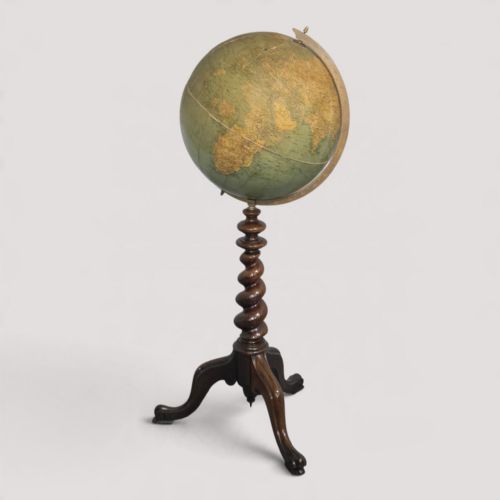
- A small occasional table supported by a central pillar resting on three legs. These versatile surfaces appear frequently in mahogany and walnut.
- Open Bookcase
- A shelving unit without doors designed for accessible book storage. Versions in oak and mahogany often feature adjustable shelves or raised galleries.
- Torchere
- A tall stand designed to hold a light or decorative object. Examples range from nineteenth-century walnut pedestals to later floor lamps.
- Corner Cabinet
- A specialised storage unit constructed to fit neatly into room angles. These pieces typically utilise oak or mahogany with glazed or panelled doors.
- Inlay
- A decorative technique inserting contrasting woods or materials into a prepared surface. Rosewood, kingwood, and walnut frequently incorporate this detailed enrichment.
Traditional Wood Stand: Frequently Asked Questions
What periods do these stands cover?
The selection spans from Georgian and Victorian eras through Edwardian times to the 1920s and 1930s. Each era brings distinct stylistic preferences and timber choices.
Earlier pieces often display Georgian proportions, while later nineteenth and twentieth-century items incorporate Jacobean revival motifs or clean Edwardian lines.
How were these wooden stands used?
These pieces served practical domestic functions ranging from holding lamps and candles to displaying china and supporting luggage. Occasional tables and torcheres provided accessible surfaces in principal rooms.
Bookcases and display cabinets organised libraries and treasured objects, while specialised stands accommodated specific household routines.
Which woods are most common?
Mahogany and oak form the foundation of the majority of pieces, appearing across tables, bookcases, and cabinets. Walnut and burr walnut also feature prominently in finer decorative examples.
Additional materials like brass, rosewood, and kingwood appear as accents, inlay components, or structural hardware.
How do I identify a Georgian piece?
Georgian items typically display restrained classical proportions, fine mahogany grain, and traditional joinery methods. Details such as tripod bases, candlesticks, and serpentine fronts are characteristic.
Later revival pieces from the twentieth century often adopt these earlier stylistic markers while utilising contemporary construction techniques.