

Traditional Wood Sofa
Traditional wood sofa designs bring enduring joinery and tactile frames into a room, offering substantial seating built around visible timber structures.
Traditional Wood Sofa
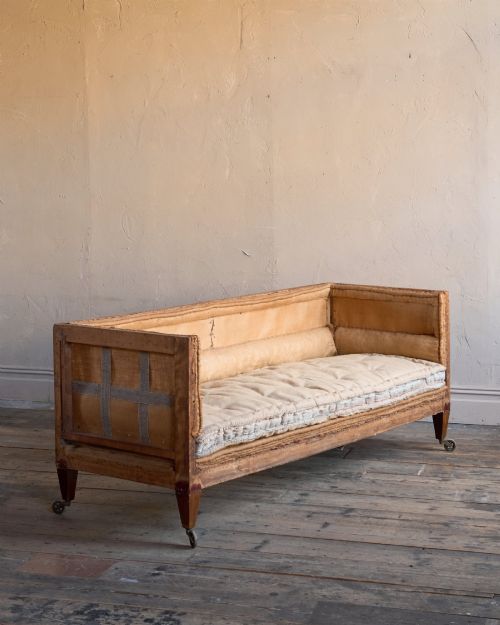
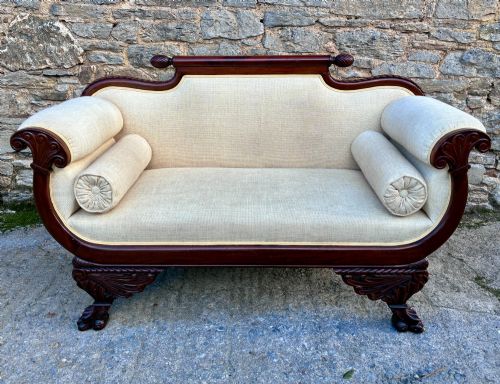
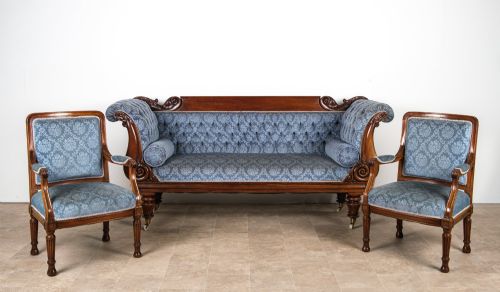
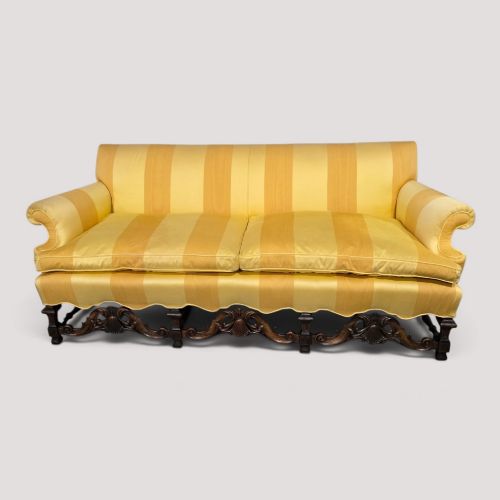
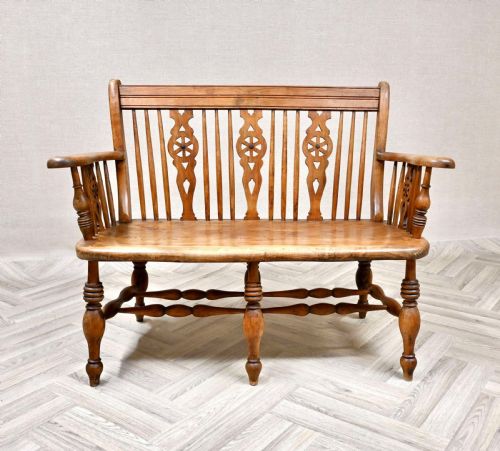
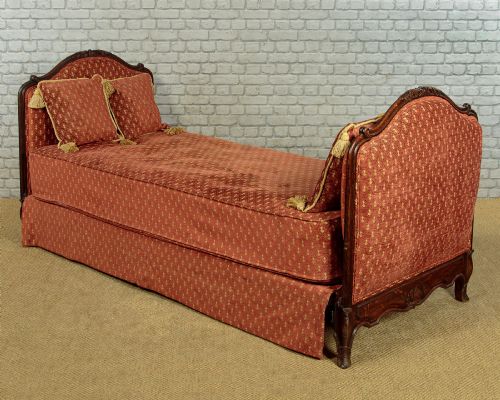
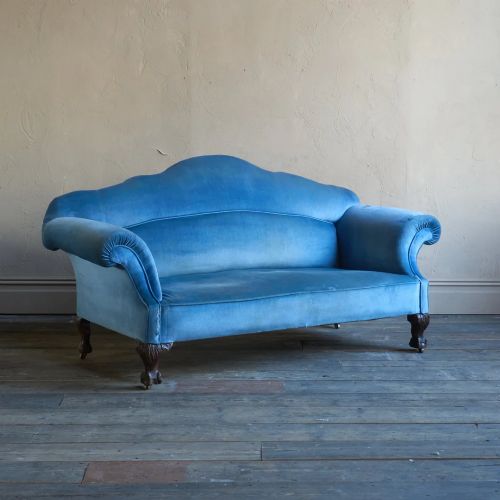
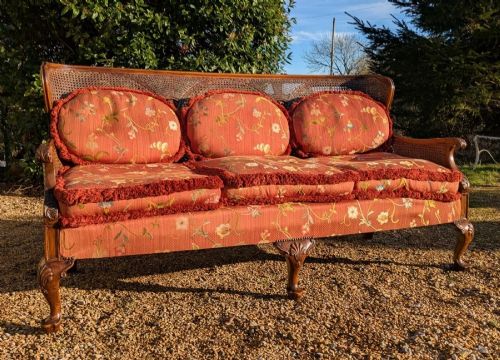
A traditional wood sofa combines a structural timber frame with upholstered seating elements, spanning periods from the 18th century through the early 20th century. Buyers searching for a traditional wood sofa encounter diverse seating forms, including double-ended settees, camelback designs, and day beds.
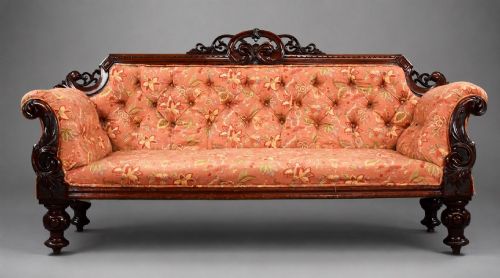
The material evidence on this page shows framing constructed from mahogany, walnut, oak, fruitwood, and elm, often paired with fabrics, hessian, and leather. Pieces frequently exhibit stylistic influences such as Georgian, Regency, Victorian, and Edwardian design.
Makers and retailers like Howard & Sons, Miles & Edwards, Hampton & Sons, and Liberties appear among the listings alongside uncredited country house and provincial pieces. Buyers are most likely to meet Victorian and Edwardian mahogany or walnut frames featuring sprung bases or feather cushions.
Materials and construction methods
Frames rely on dense hardwoods such as mahogany, walnut, and oak, shaped through traditional joinery and occasional hand-carving. Secondary timbers and structural supports utilise elm and general hardwoods to ensure frame stability.
Upholstered surfaces incorporate traditional materials including hessian, sprung settees, feather cushions, and deep pile brocade or leather coverings. Brass fittings and ball and claw leg details appear on specific period frames.
Traditional Wood Sofa Retail Price Guide 2026
Typical asking prices for traditional wood sofa among the pieces listed under this phrase on Sellingantiques today, from the lower quarter to the upper quarter. They describe what is for sale here now, not the wider market.
Listings span 18th-century, Victorian, Edwardian, and 1930s periods, predominantly constructed from mahogany, walnut, and oak.
Judging quality in timber seating
Quality rests in the integrity of the timber frame, the crispness of any hand-carved detailing, and the fidelity of period stylistic execution. Dense timbers like mahogany and burr walnut with robust joinery command attention.
Upholstery execution and the retention of original maker signatures or stamps elevate a piece. Frames maintaining structural rigidity without excessive timber replacement represent the upper tier of surviving examples.
Howard & Sons·Miles & Edwards·Hampton & Sons·Liberties
The Traditional Wood Sofa Glossary
- Camelback sofa
- A traditional upholstered settee featuring an undulating, arched backrest resembling a camel's hump. This style gained prominence in the 18th century and is frequently associated with Chippendale designs.
- Bergere sofa
- An enclosed upholstered wooden sofa featuring exposed timber framing and woven cane or fully padded sides. These pieces often incorporate loose feather cushions for seating comfort.
- Chaise longue
- An elongated upholstered chair designed for reclining, featuring a backrest at one end. Examples appear in Victorian and William IV periods utilising rosewood or mahogany frames.
- Double ended sofa
- A settee featuring symmetrical raised scrolling ends rather than a single backrest and arm arrangement. This form appears in 19th-century mahogany and simulated rosewood variations.
- Settee
- A medium-sized upholstered wooden bench with a back and arms designed for multiple occupants. The term is frequently used interchangeably with early sofa forms on this page.
Traditional Wood Sofa: Frequently Asked Questions
How do I identify the period of a wooden sofa?
Period identification relies on examining the framing style, leg design, and secondary upholstery materials. Georgian pieces often display clean lines or camelback profiles, while Victorian examples favour heavier carved mahogany and sprung bases.
Edwardian and 1930s variations introduce lighter proportions, bergere cane work, and alternative upholstery treatments like feather cushioning.
Are these sofas suitable for daily seating?
Most antique wood sofas are built around robust hardwood frames designed for regular domestic use. Many surviving examples feature upgraded or restored sprung bases and comfortable cushion fillings.
Placing them in a room requires balancing daily wear against the preservation of antique timber and period upholstery fabrics.
What timber woods are most common?
Mahogany and walnut dominate the selection of traditional wood frames across 19th-century and Edwardian listings. Elm, oak, and fruitwood also appear in provincial country house pieces.
Selected surfaces frequently showcase decorative veneers such as burr walnut or rosewood to enhance visual depth.