


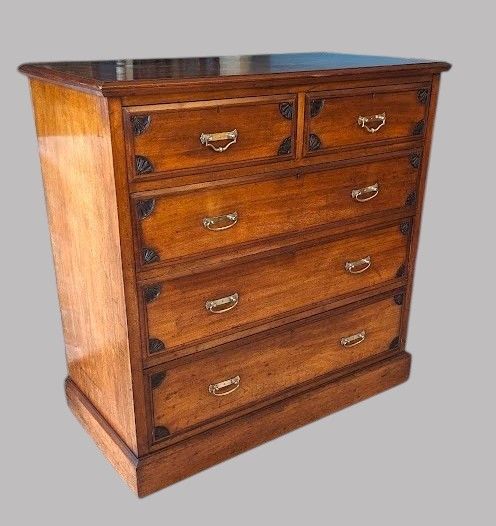
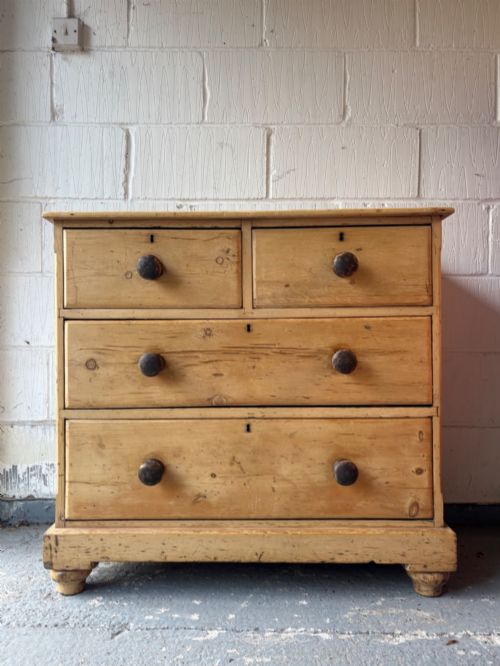
Traditional Wood Commode
Traditional wood commode furniture brings warmth and practical storage to a room through time-tested craftsmanship and timber.
Traditional Wood Commode
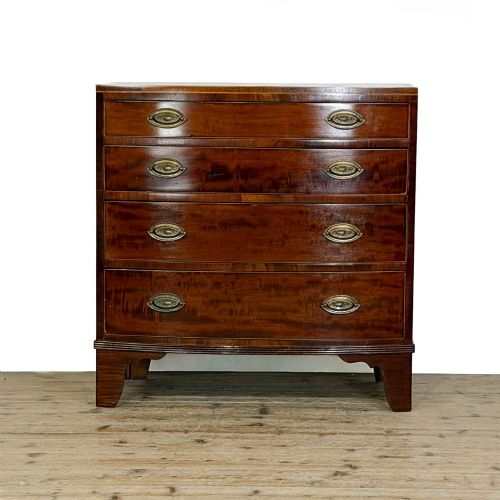
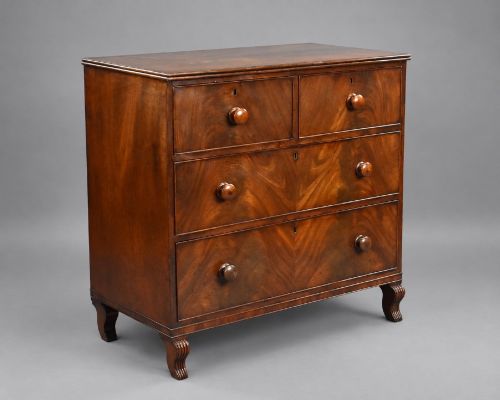
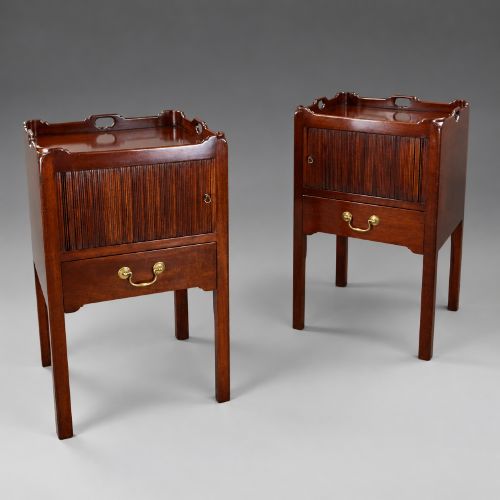
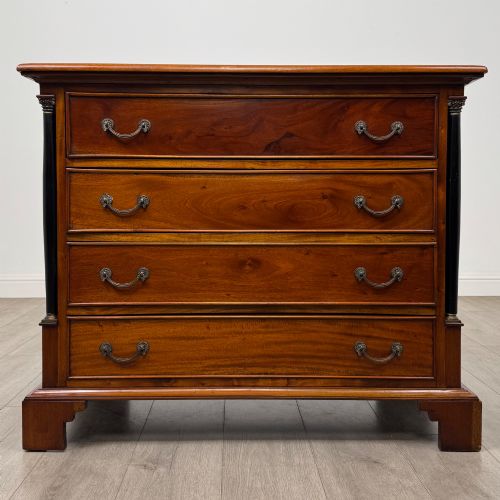
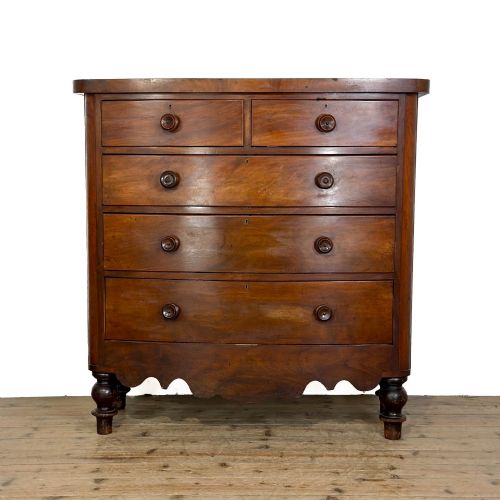
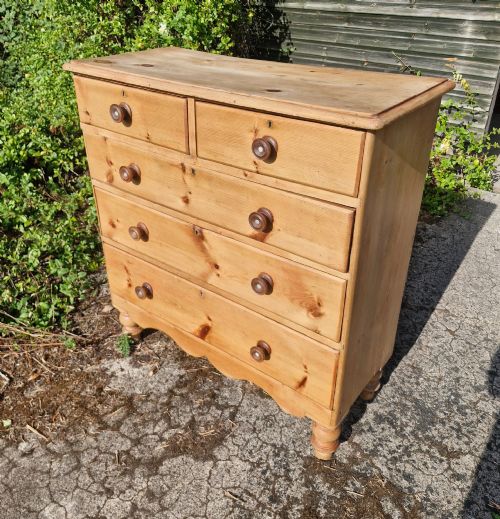
A traditional wood commode typically takes the form of a sturdy chest of drawers or a bedside cabinet designed for daily utility. These pieces span periods from the Georgian era through to the Edwardian period and Victorian times.
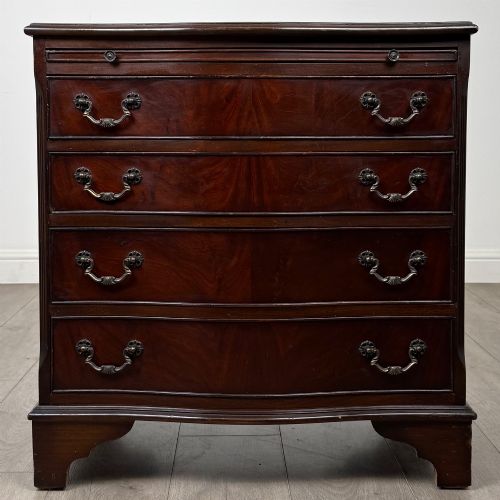
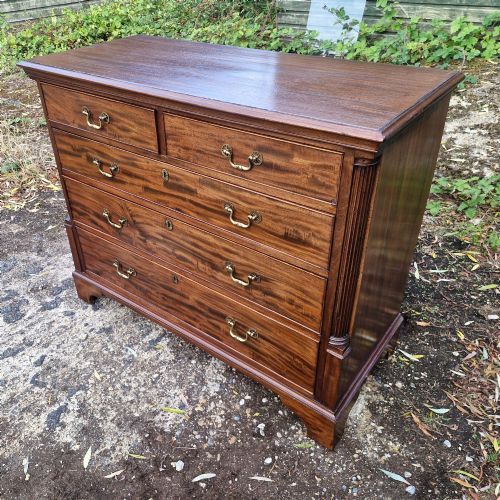
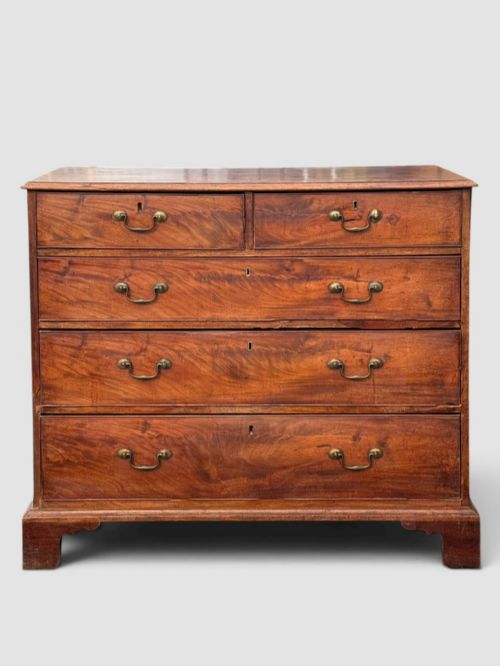
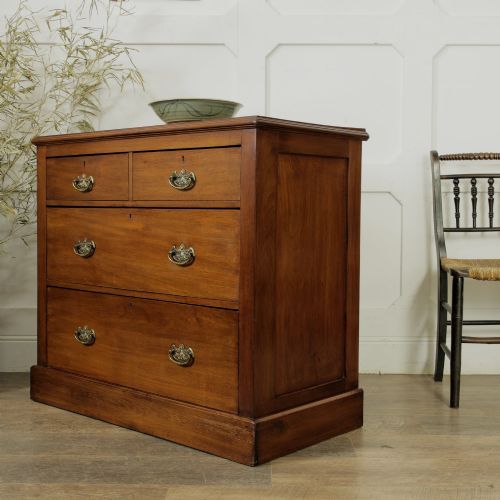
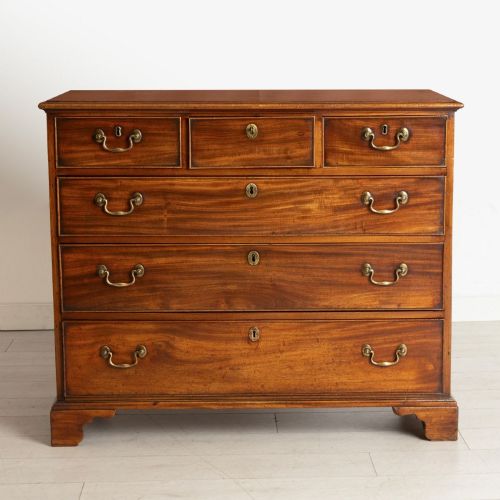
The most common version you meet on this page is a mahogany chest of drawers, often arranged with two smaller drawers over three larger ones. Other variations include pine, oak, and walnut configurations, alongside compact bedside night tables and cupboards.
Materials and Construction
Cabinet makers utilised solid woods like mahogany, pine, oak, and walnut to build the primary structures of these pieces. Timber selection dictated both the visual weight and the durability of the item.
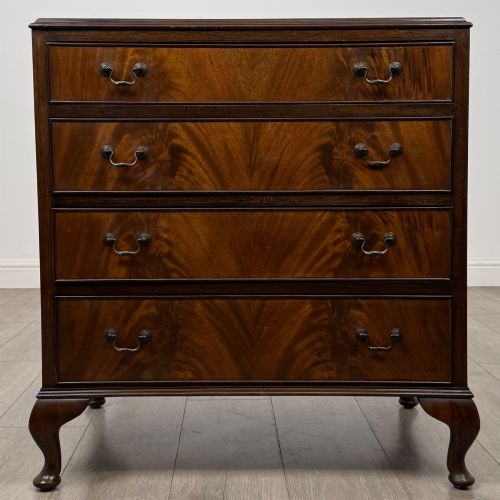
Surface enhancement often involved flame mahogany veneer, boxwood inlay, and marquetry to create varied grain patterns and decorative fronts. Brass handles and mounts provided functional hardware across Georgian, Regency, and Victorian examples.
Listings feature mahogany, pine, oak, and walnut across Georgian, Victorian, and Edwardian periods.
Assessing Quality and Build
The distinction between tiers rests upon the choice of timber and the precision of the cabinet work. Pieces utilising figured walnut, flame mahogany veneer, or detailed boxwood inlay display a higher grade of artistry than plain utility items.
Structural integrity depends on the joinery within the drawers and the condition of the timber over the centuries. Refined proportions, such as a bow front or serpentine shape, require greater skill from the maker than a standard straight-front chest.
The Traditional Wood Commode Glossary
- Bow front
- A convex curved chest front that swells outward in the centre. This decorative shape requires advanced woodworking skill to execute properly.
- Flame mahogany
- A veneer cut from the fork of the mahogany tree where the branch meets the trunk. It produces a distinctive flickering, flame-like grain pattern.
- Serpentine
- A front design featuring a concave centre flanked by convex outer curves, or vice versa. The undulating line adds movement to case furniture.
- Marquetry
- The art of applying small pieces of veneer to a structure to form decorative patterns or pictures. It often incorporates various contrasting woods.
- Bachelors chest
- A small chest of drawers typically featuring a fold-over top or a brushing slide. Historically utilised for writing or dressing.
Traditional Wood Commode: Frequently Asked Questions
What is a traditional wood commode?
A traditional wood commode refers to case furniture such as a chest of drawers or bedside cabinet constructed from timber. These items provide enclosed storage whilst displaying historical cabinet-making styles.
They appear across periods including the Georgian, Regency, and Victorian eras in materials like mahogany, oak, and pine.
How do I date a wood commode?
Dating relies on examining the timber species, handle hardware, construction methods, and overall stylistic period. Georgian and Regency pieces often show distinct proportions and bracket feet.
Later Victorian and Edwardian examples introduce different veneers, pine carcasses, and varied drawer configurations.
Are these commodes suitable for modern bedrooms?
These pieces offer practical storage dimensions that fit well within contemporary bedroom layouts. Their traditional timber finishes introduce texture and natural warmth to a space.
Bedside cabinets and compact chests function effectively alongside modern bedding and decor.
What woods were used in these pieces?
Mahogany remains the most prevalent timber found across these listings, alongside pine, oak, and walnut. Cabinet makers also utilised specialised veneers like flame mahogany.
Details often include boxwood inlay, brass handles, and secondary woods suited to drawer linings.