

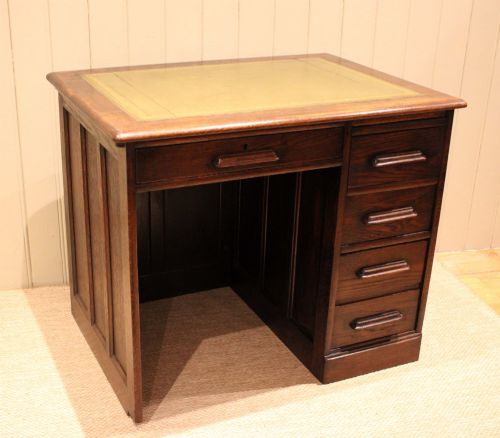
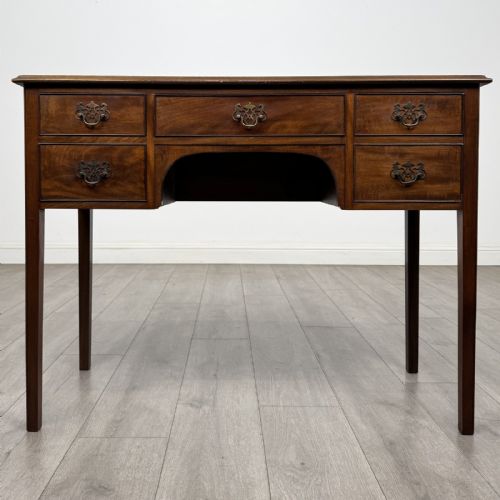
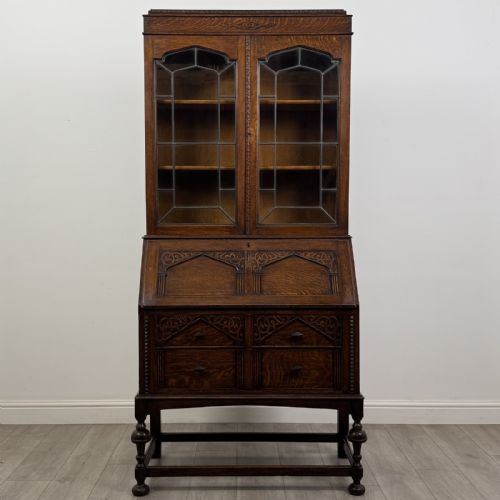
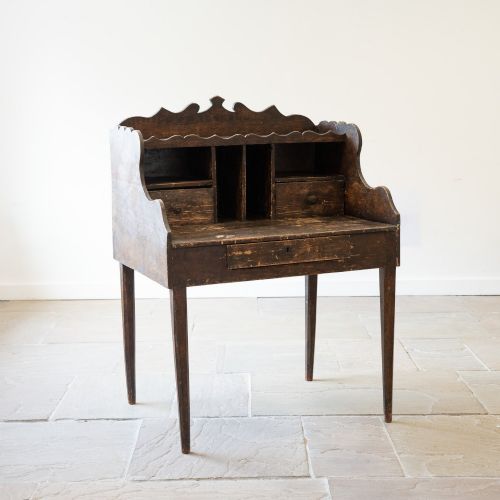
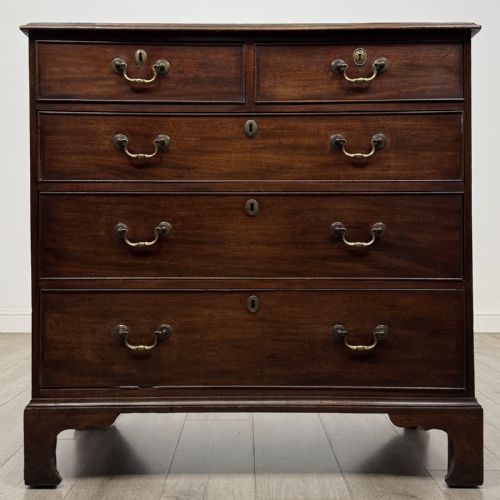
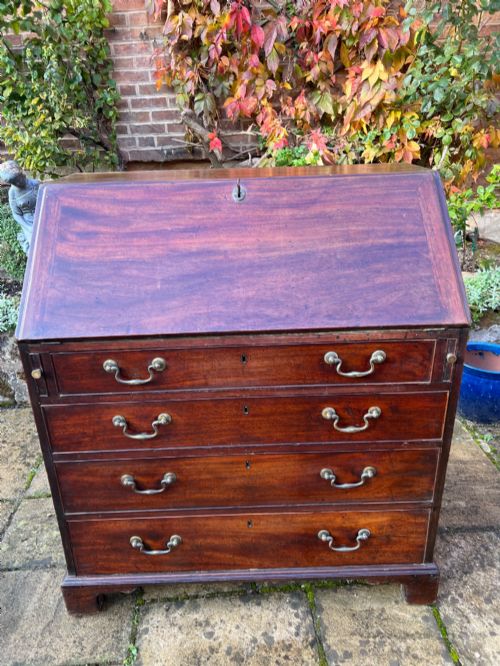
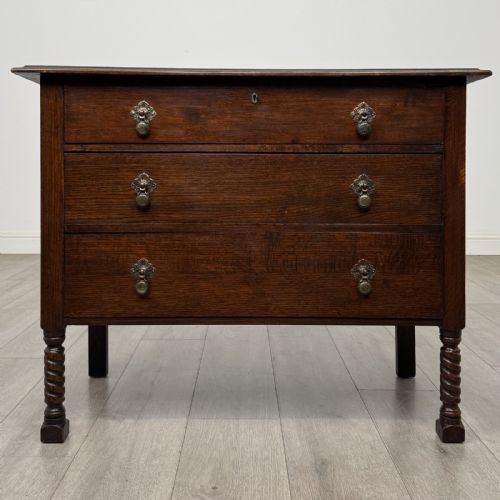
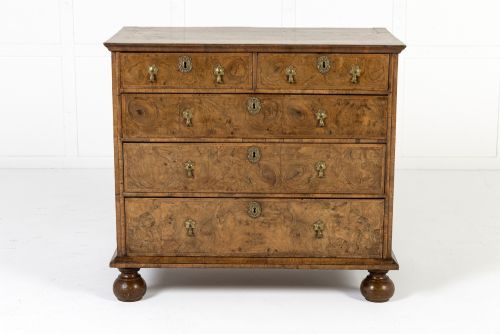
Traditional Wood Bureau
A traditional wood bureau provides a practical writing surface paired with concealed compartments, suiting studies and living spaces alike.
Traditional Wood Bureau
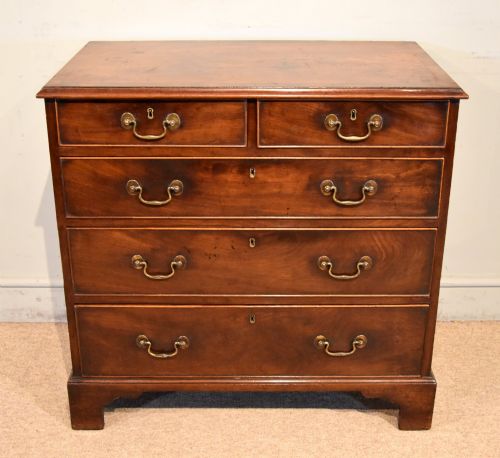
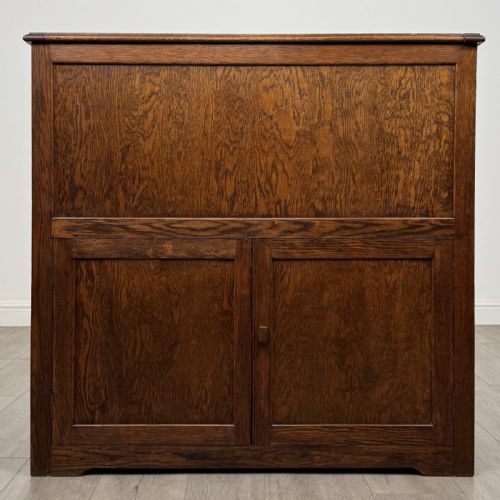
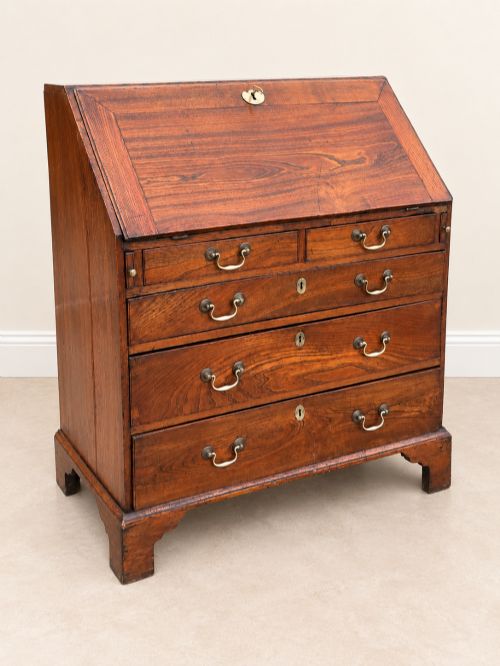
When you search for a traditional wood bureau, you find practical writing furniture designed for domestic administration and correspondence. These pieces typically feature a fall-front flap that opens to reveal pigeonholes and small drawers.
The selections span several periods, originating from the eighteenth century through to the Edwardian era. Alongside fitted writing desks, the listings include related forms such as bureau bookcases and drop-front cabinets.
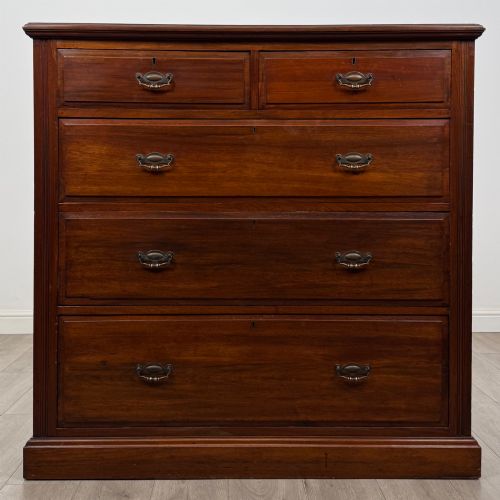
Mahogany and oak remain the most common timbers, though examples in pine, walnut and rosewood also appear. Stylistic influences range from straightforward Georgian utility to later revival movements.
How they were made
Cabinetmakers constructed these pieces primarily from solid hardwoods like mahogany and oak, occasionally employing pine for internal framing and drawer construction. Flame mahogany veneer and figured walnut surface treatments added visual depth to drawer fronts and writing flaps.
Brass handles, escutcheons and hinges provided structural reinforcement and functional hardware, while leather inserts frequently lined the internal writing surfaces. Specialised joinery secured the pigeonhole interiors and the hinged mechanisms of the writing slopes.
Traditional Wood Bureau Retail Price Guide 2026
Typical asking prices for traditional wood bureau among the pieces listed under this phrase on Sellingantiques today, from the lower quarter to the upper quarter. They describe what is for sale here now, not the wider market.
What varies in quality
The grade of timber and the refinement of internal joinery largely dictate the quality of a piece. Superior examples display carefully matched veneer grains and tight dovetail joints on the drawer construction.
The presence of original brass hardware and untouched surface patination separates standard utility items from finer cabinetwork. Elaborate internal fittings, such as secret compartments or tambour doors, indicate higher craftsmanship.
The Traditional Wood Bureau Glossary
- Bureau
- A writing desk with a sloping hinged lid that covers pigeonholes and small drawers. This form evolved during the seventeenth century into a standard household writing cabinet.
- Tambour
- A sliding shutter constructed from narrow strips of wood glued to a canvas backing. It conceals the writing surface and interior compartments on cylinder desks.
- Dovetail
- An interlocking joint used in drawer construction to secure the sides to the front and back. Hand-cut variations indicate earlier periods of manufacture.
- Escutcheon
- A protective plate surrounding a keyhole. These metal fittings are typically cast in brass.
Traditional Wood Bureau: Frequently Asked Questions
How do I use a bureau?
Lower the hinged writing flap to create a stable desk surface for correspondence or laptop use. The internal pigeonholes and small drawers organise stationery and household documents.
Close the flap when not in use to conceal writing materials and maintain a tidy room appearance.
What woods were used?
Cabinetmakers predominantly utilised mahogany and oak for their strength and fine grain. Walnut and pine also appear across various periods.
Veneers, particularly flame mahogany and figured walnut, decorated primary surfaces.
How to date a bureau?
Examine the timber, hardware and construction methods to determine the period of origin. Hand-cut dovetails and brass handles offer key chronological indicators.
Stylistic details, such as Jacobean revival motifs or Georgian proportions, further clarify the date.
Where should I place it?
Position the piece in a study, living room or bedroom where wall space accommodates the depth. Ensure adequate clearance in front of the unit for the drop-down flap.
Keep wooden furniture away from direct heat sources to prevent timber splitting.