

Traditional Wine Table
A traditional wine table is a compact pedestal stand designed for holding a glass or bottle close at hand.

Traditional Wine Table
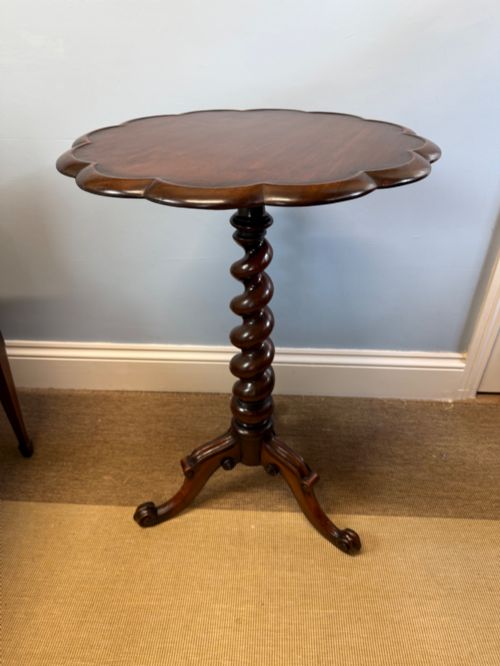
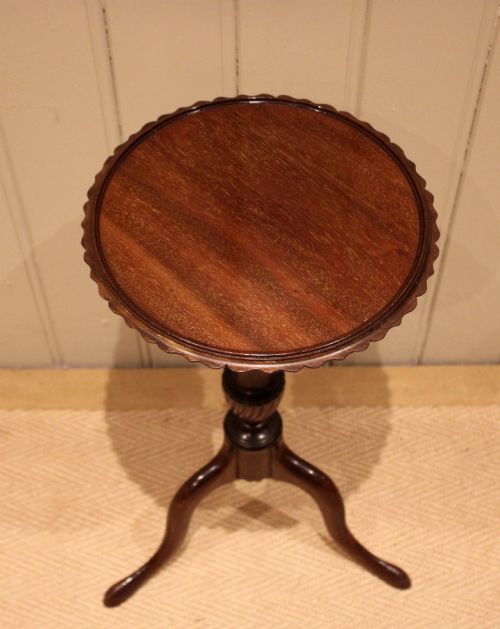
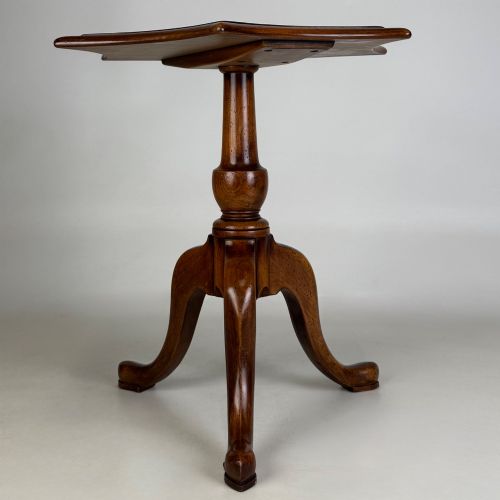
A traditional wine table is a compact pedestal stand designed for holding a glass or bottle close at hand. These small items of furniture appear primarily in mahogany, walnut, and oak across the 18th, 19th, and early 20th centuries.
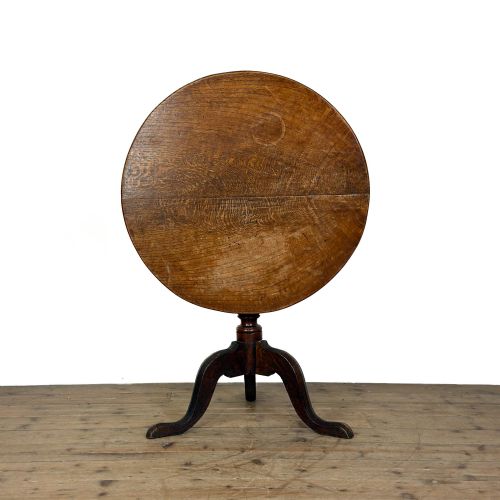
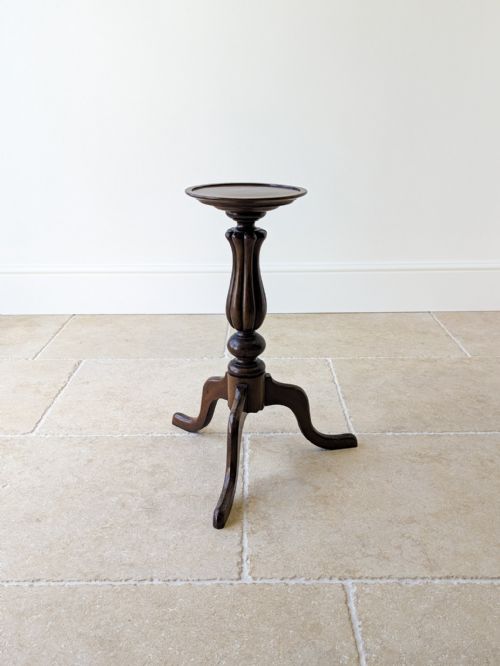
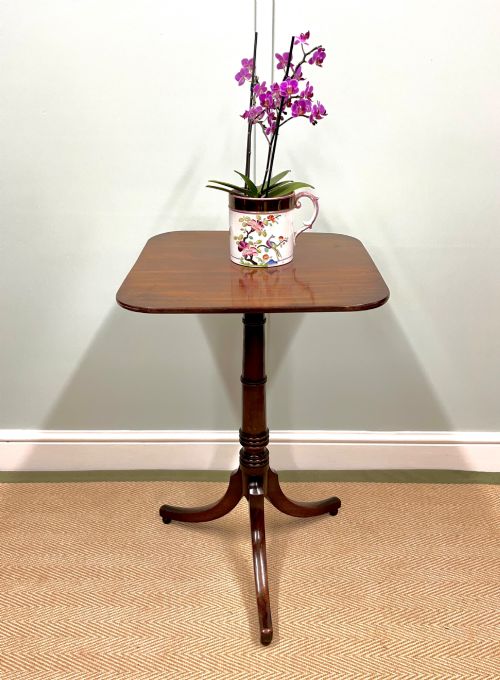
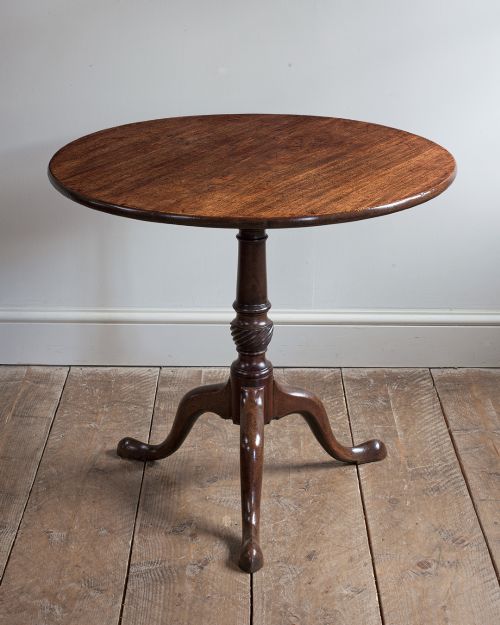
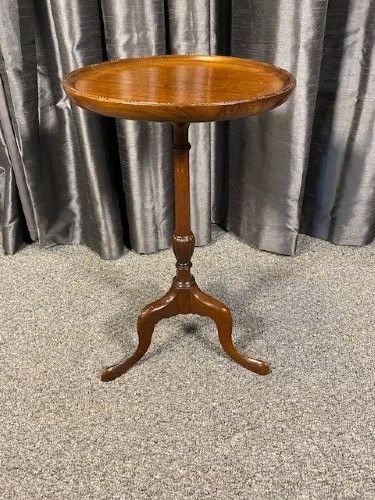
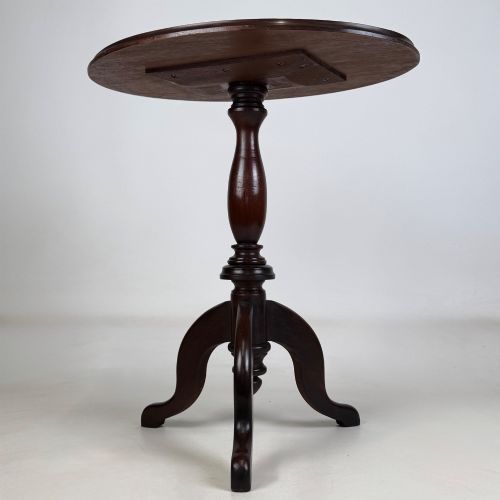
Most examples rely on a single central pillar supported by three splayed legs to maintain stability on uneven floors. Tripod bases dominate the selection, often featuring circular tops that occasionally tilt via a birdcage mechanism.
Materials and construction methods
Cabinet makers utilised dense timbers like mahogany, walnut, and oak to construct these robust little tables. Turning lathes shaped the central pedestals and upright columns, whilst hand-carving produced delicate tripod legs and shaped rims.
Joinery methods involved sturdy tenons and pegs, particularly in earlier oak and ash pieces, alongside sophisticated tilting mechanisms such as birdcage mounts. Figured veneers frequently enriched the table surfaces, paired with solid timber for structural supports.
Some tiny 19th-century versions were dubbed lazy merchants because they saved guests from reaching across the room for their port.
Judging the quality of execution
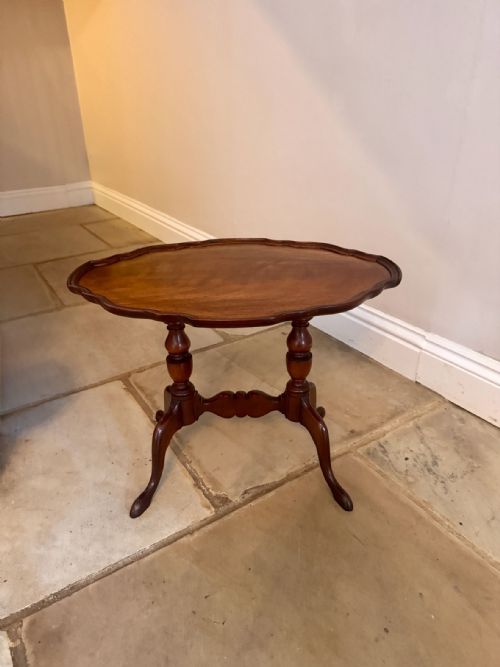
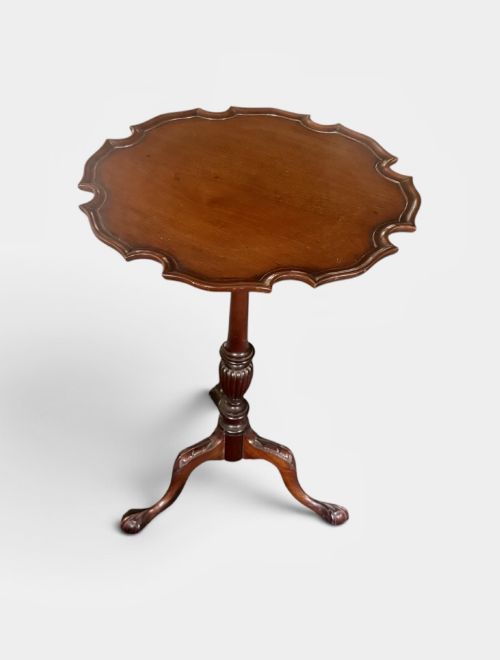
Quality reveals itself in the selection of timber, particularly where figured veneers or solid, well-grained mahogany and walnut display natural depth. Finer pieces show crisp detailing in carved tripod feet and shaped pie crust rims rather than soft or rounded moulding.
The engineering of the central column and tilt mechanisms determines practical durability. A superior table stands firmly on its three legs without wobble, operating smoothly if fitted with a birdcage pivot or folding mechanism.
The Traditional Wine Table Glossary
- Tripod table
- A small stand supported by a single central pillar resting on three legs. This configuration prevents rocking on irregular floor surfaces.
- Tilt-top
- A hinged tabletop that pivots to a vertical position when not in use. This feature allowed the furniture to be stored flat against a wall.
- Birdcage mechanism
- A box-like wooden frame beneath the tabletop that permits the surface to rotate and tilt. It uses small vertical spindles resembling a cage.
- Pie crust rim
- A decorative raised edge shaped with carved curves and indentations. It prevents items from sliding off the small circular surface.
- Pedestal table
- Any freestanding furniture piece supported by a central column. These range from simple wine stands to large dining bases.
Traditional Wine Table: Frequently Asked Questions
What is a traditional wine table used for?
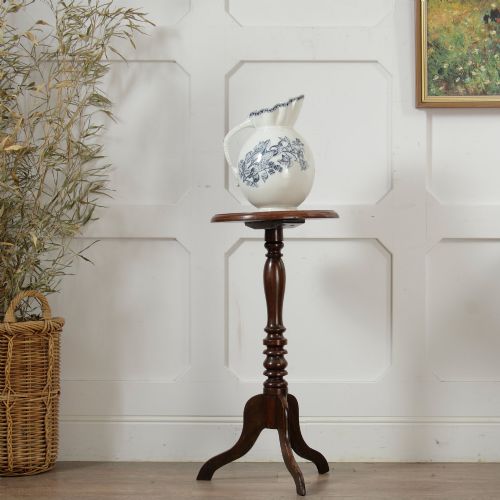
These small stands were originally designed to hold glasses and bottles during social gatherings near seating areas. Today they function flexibly as bedside stands, lamp supports, or small decorative display surfaces in tight spaces.
Their compact footprint allows them to fit easily beside armchairs or sofas where larger furniture would overwhelm the room.
How do I date an antique wine table?
Dating relies on examining the timber species, construction tool marks, and stylistic indicators such as leg profiles. Georgian pieces show different turning characteristics compared to Edwardian revivals or 19th-century utility pieces.
Secondary woods used in hidden structural areas also help establish the correct period of manufacture.
What does a tilt-top mechanism do?
The hinge beneath the surface allows the top to fold flat against the central pillar. Historic rooms required flexible space management, so tables were stowed against walls when evening hospitality ended.
Many surviving examples retain this functional pivoting hardware in working order.
Are these tables sturdy enough for daily use?
Solid timber construction and three-legged pedestal designs provide surprising stability for everyday domestic placement. Placing a heavy lamp or resting drinks on them poses no structural problem if the joints remain tight.
Checking that the leg attachments and central column are firm ensures lasting reliability in a modern home.