

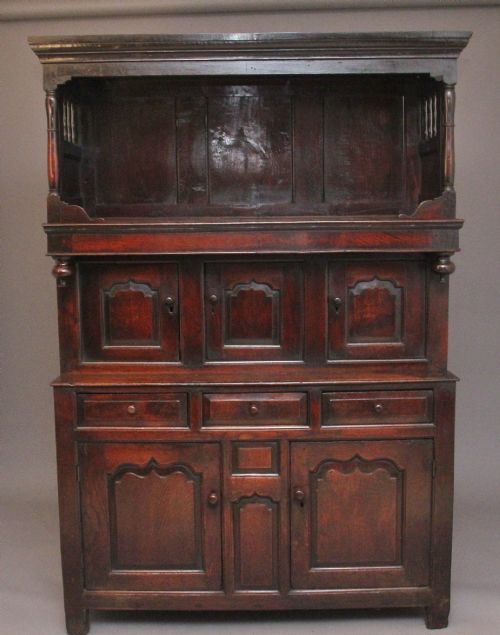


Traditional Welsh Press Cupboard
A traditional welsh press cupboard brings sturdy regional craftsmanship and centuries of storage history straight into a room.
Traditional Welsh Press Cupboard
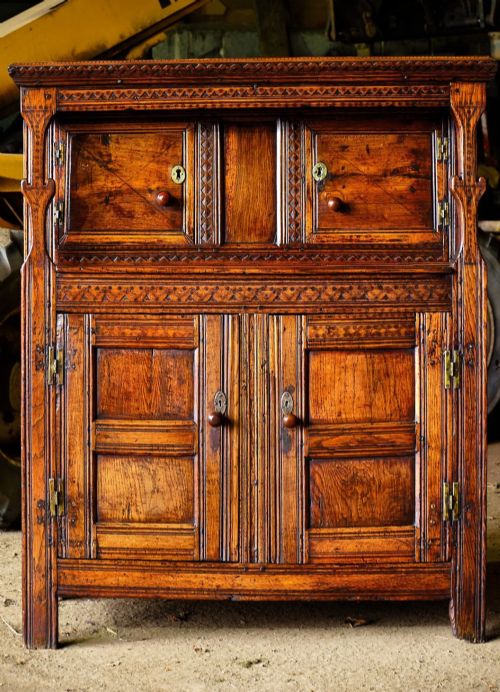
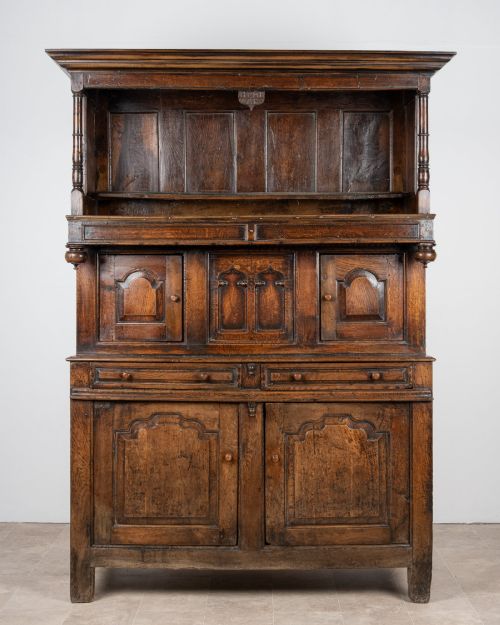
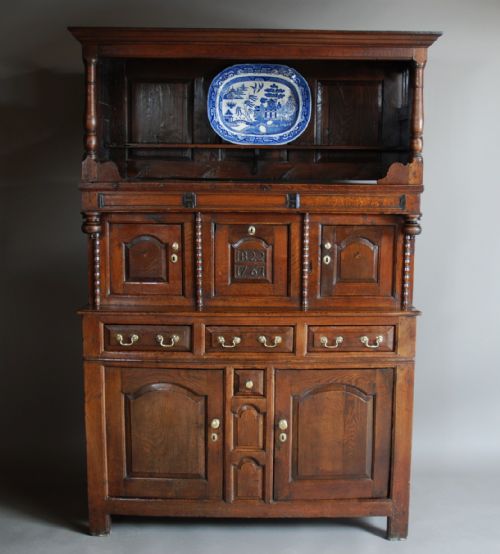
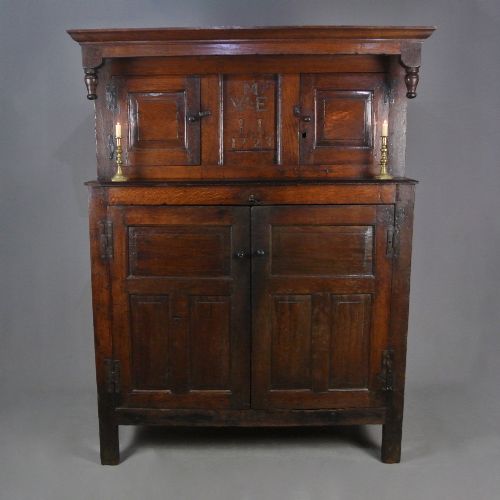
A traditional welsh press cupboard is a substantial storage piece rooted in regional domestic history, commonly encountered in forms like the deuddarn, tridarn, and bread and cheese cupboard. These items emerge primarily from 17th century, 18th century, and 19th century periods, reflecting the practical needs of Welsh country homes.
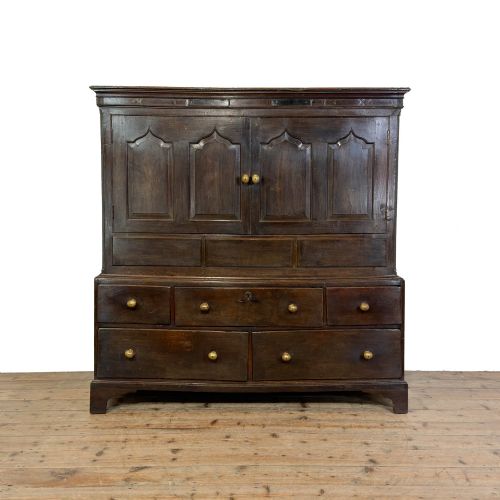
The selection ranges from multi-tiered cupboards featuring distinct upper and lower sections to simpler food cupboards and linen presses. Stylistic influences span Welsh vernacular and Georgian country traditions, showing how local joiners adapted formal designs for rural households.
How they were made
Makers relied principally on solid oak, frequently augmented by mahogany, pine, and painted finishes to construct these heavy carcases. Joinery techniques involved panel construction and pegged joints designed to withstand daily use in busy farmhouse kitchens.
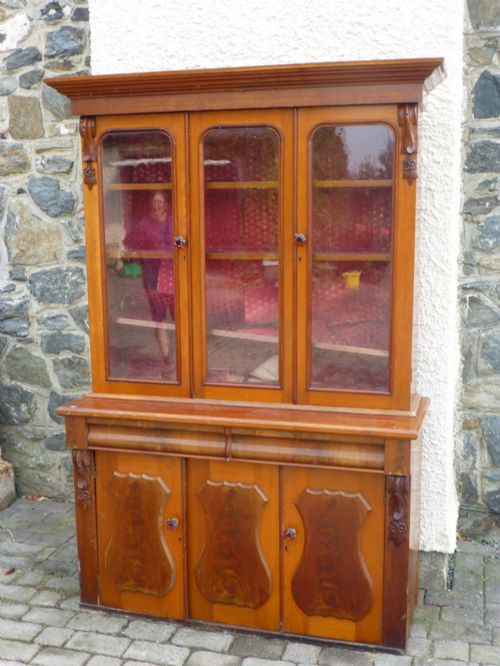
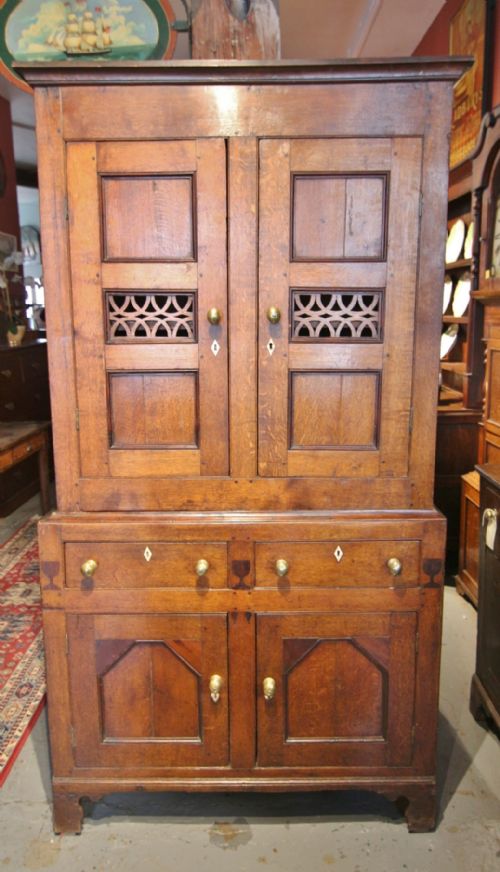
Hardware details typically include brass and iron fittings, whilst occasional pieces incorporate bone inlay or glass panels in associated bookcase sections. Surfaces developed deep patination over generations through natural handling and waxing.
Traditional Welsh Press Cupboard Retail Price Guide 2026
Typical asking prices for traditional welsh press cupboard among the pieces listed under this phrase on Sellingantiques today, from the lower quarter to the upper quarter. They describe what is for sale here now, not the wider market.
Current listings demonstrate a concentration of oak timber construction across 18th century and 19th century Welsh vernacular styles.
What varies in quality
The distinction between ordinary and exceptional examples rests in the crispness of the original joined work and the preservation of regional character. Pieces bearing specific dates, regional attributions, or intact multi-tiered superstructures command greater interest among collectors.
Surface integrity also defines the tier, with untouched patination and original hardware holding higher appeal than heavily restored or altered carcases.
The Traditional Welsh Press Cupboard Glossary
- Deuddarn
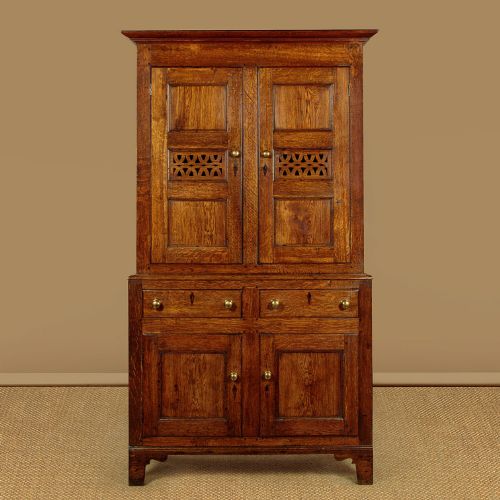
- A traditional two-part Welsh cupboard featuring an enclosed upper section above a base cabinet. This form represents a staple of rural Welsh vernacular furniture.
- Tridarn
- A three-tiered Welsh cupboard comprising an open middle stage flanked by small cupboards beneath a main upper canopy. It stands as one of the most distinctive regional cabinet forms.
- Bread and cheese cupboard
- A specialised food cupboard featuring pierced or louvred panels for ventilation to store provisions safely. These pieces date predominantly to the 19th century.
- Vernacular
- Furniture built by local tradesmen for domestic or agricultural use rather than following high London fashions. This style prioritises sturdy construction and regional utility over classical ornamentation.
- Patina
- The surface sheen and colour developed by wood over centuries through age, handling, and polishing. A good patina reflects genuine untouched history.
Traditional Welsh Press Cupboard: Frequently Asked Questions
What is a traditional welsh press cupboard?
A traditional welsh press cupboard is a heavy storage cabinet built in Wales during the 17th, 18th, or 19th centuries. These items served rural families for storing household textiles, linen, and food provisions.
Constructed mainly from local oak using traditional joining methods, these cupboards often feature distinctive regional layouts such as the two-part deuddarn or the taller three-tiered tridarn.
How do I tell a deuddarn from a tridarn?
A deuddarn is a two-part cupboard with an enclosed upper cabinet resting on a larger base. It offers substantial shelved storage behind panelled doors.
A tridarn adds an extra middle stage, usually featuring an open display shelf flanked by small cupboards beneath the upper canopy, creating a three-tier elevation.
What were bread and cheese cupboards used for?
Bread and cheese cupboards provided ventilated storage for perishable farmhouse provisions before refrigeration. Their doors frequently incorporated pierced slats or turned spindles to allow air circulation.
Families kept dairy products and bread inside these cabinets to protect them from household pests while keeping them accessible in the kitchen.
How do I date a Welsh oak cupboard?
Dating relies on examining construction methods, timber choice, and stylistic evolution from joined 17th-century frameworks to later Georgian vernacular designs. Some pieces bear carved initials and dates directly onto the woodwork.
Hardware styles, panel thicknesses, and the presence of secondary woods like pine or mahogany also help place a piece within the 18th or 19th centuries.
Where should I place one at home?
These substantial oak cupboards suit large dining rooms, hallways, or kitchens where their depth and height can be accommodated safely. Their robust carcases demand solid wall placement and adequate clearance.
Pairing them with plain walls allows the natural grain and deep patinated oak surfaces to act as the primary visual focus of the room.