
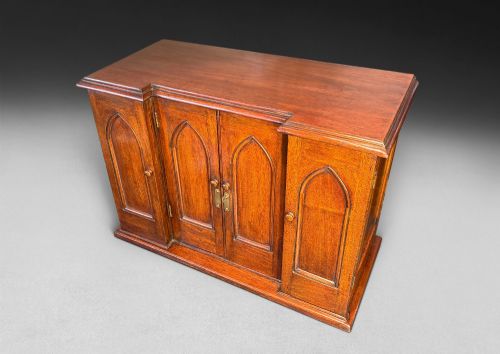
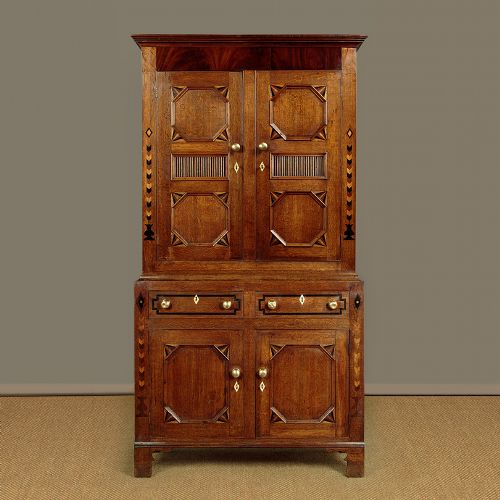


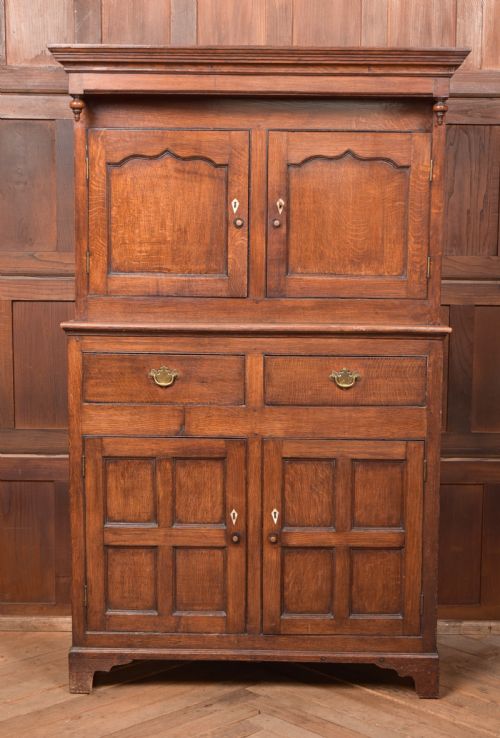


Nineteenth Century Oak Cupboard
A nineteenth century oak cupboard is a solid, honest piece of vernacular storage built to last, prized for the rich character of its timber.
Nineteenth Century Oak Cupboard
When you search for a nineteenth century oak cupboard, you are looking at sturdy utilitarian storage built from durable British and European timber during the 19th century. These pieces range from simple panelled hall cupboards to elaborate Gothic revival bookcases and regional Welsh bread and cheese cupboards.
The most common versions met on this page are vernacular country pieces, particularly Welsh cupboards and dressers, alongside formal Victorian cabinets. They span styles from rustic farmhouse and French provincial to grand Romanesque revival and Gothic designs.
Many incorporate secondary woods like fruitwood and pollard oak, often fitted with brass or steel hardware. Their primary function was domestic storage, evolving from basic food larders and linen presses into display cabinets and bookcases.
How they were made
Cabinet makers utilised solid oak planks, frequently complemented by decorative veneers of pollard oak or contrasting inlays of ebony and holly. Joinery relied on traditional pegged mortise and tenon construction, ensuring the carcase could handle the natural seasonal movement of heavy timber.
Surfaces were typically hand-planed and finished with wax or oil to nourish the grain rather than form a modern glossy film. Iron hinges, brass escutcheons and glazed doors were integrated by hand into the heavier framing.
Some nineteenth century food cupboards feature clever perforated tin panels punched by hand to keep out mice while letting the cheese breathe.
What varies in quality
The distinction between ordinary and exceptional pieces lies primarily in the selection of the timber and the ambition of the regional design. Grain figuring in pollard oak sections, intricate inlaid decoration, and well-executed Gothic or Romanesque carvings elevate certain examples far above basic utility furniture.
Proportion and structural integrity also separate the fine from the mediocre. Pieces that retain their original brass hardware, unblemished glass panes, and sound backboards demonstrate superior preservation and craftsmanship.
A Blain and Son Liverpool
The Nineteenth Century Oak Cupboard Glossary
- Pollard oak
- Timber taken from a tree that has been pruned close to the trunk to encourage dense, highly figured growth patterns. This creates a mottled, swirling decorative surface popular in Victorian cabinet making.
- Bread and cheese cupboard
- A regional vernacular food storage piece, particularly associated with Wales, featuring pierced or ventilated panels to allow air circulation around provisions.
- Court cupboard
- A traditional short upper cupboard set back on a wider lower base, often supported by heavy turned posts. It serves as an ancestor to the more enclosed press cupboards.
- Romanesque revival
- An architectural and decorative style drawing on heavy, rounded medieval arches and robust proportions. It appears on mid-century cabinets and gun cabinets.
- Vernacular
- Everyday furniture made by local regional craftsmen using native materials, distinct from high-style London metropolitan workshop pieces.
Nineteenth Century Oak Cupboard: Frequently Asked Questions
What is a nineteenth century oak cupboard used for today?
These cupboards serve as practical living room or hallway storage, holding books, tableware, or linens while adding historic character to a room.
Their robust construction makes them as functional in modern homes as they were in Victorian farmhouses.
How do I identify a Welsh vernacular cupboard?
Welsh pieces often feature regional characteristics such as specific ventilation panels for food storage or traditional local timber combinations.
They display the practical hand of rural joiners rather than urban furniture factories.
What is pollard oak?
Pollard oak is timber harvested from trees cut back to encourage dense, highly decorative grain patterns.
Cabinet makers used these distinctive sections for dramatic drawer fronts and panel highlights.
Are Gothic revival cupboards authentic to the nineteenth century?
Yes, Gothic revival was a major architectural style during the 1900s, influencing cabinet makers to incorporate pointed arches and heavy tracery.
These pieces reflect the Victorian fascination with medieval design.