

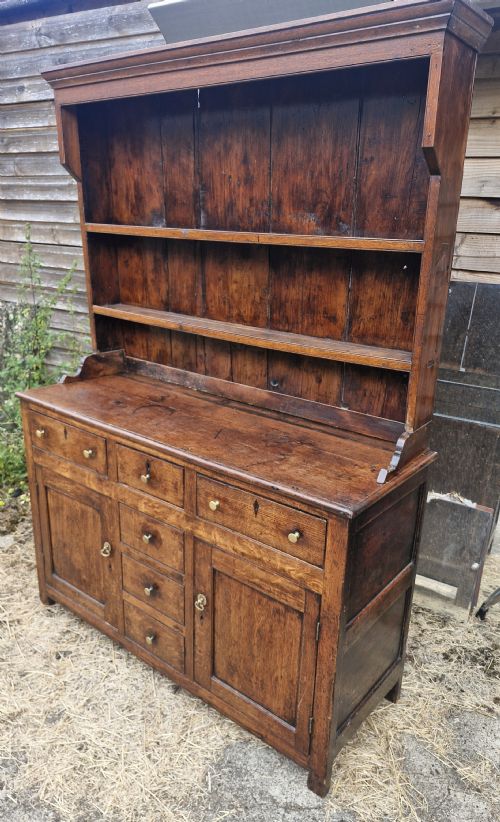
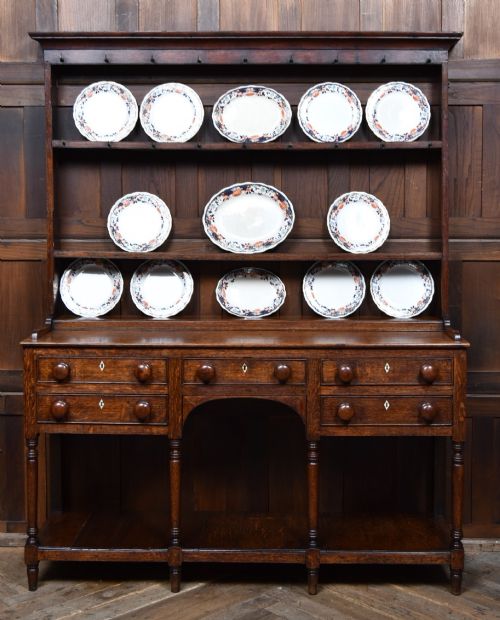
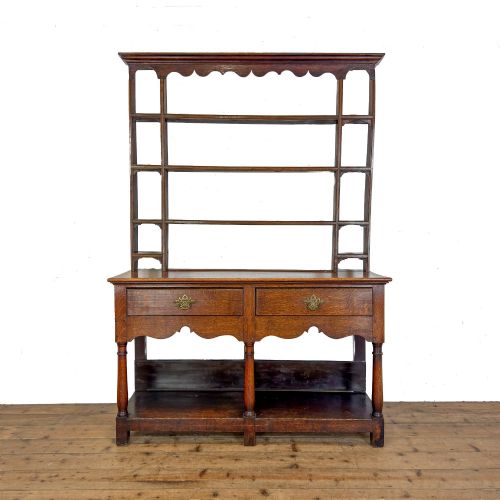
Traditional Welsh Dresser Rack
A traditional welsh dresser rack organises kitchen plates and display items, bringing provincial utility and timber warmth into domestic spaces.
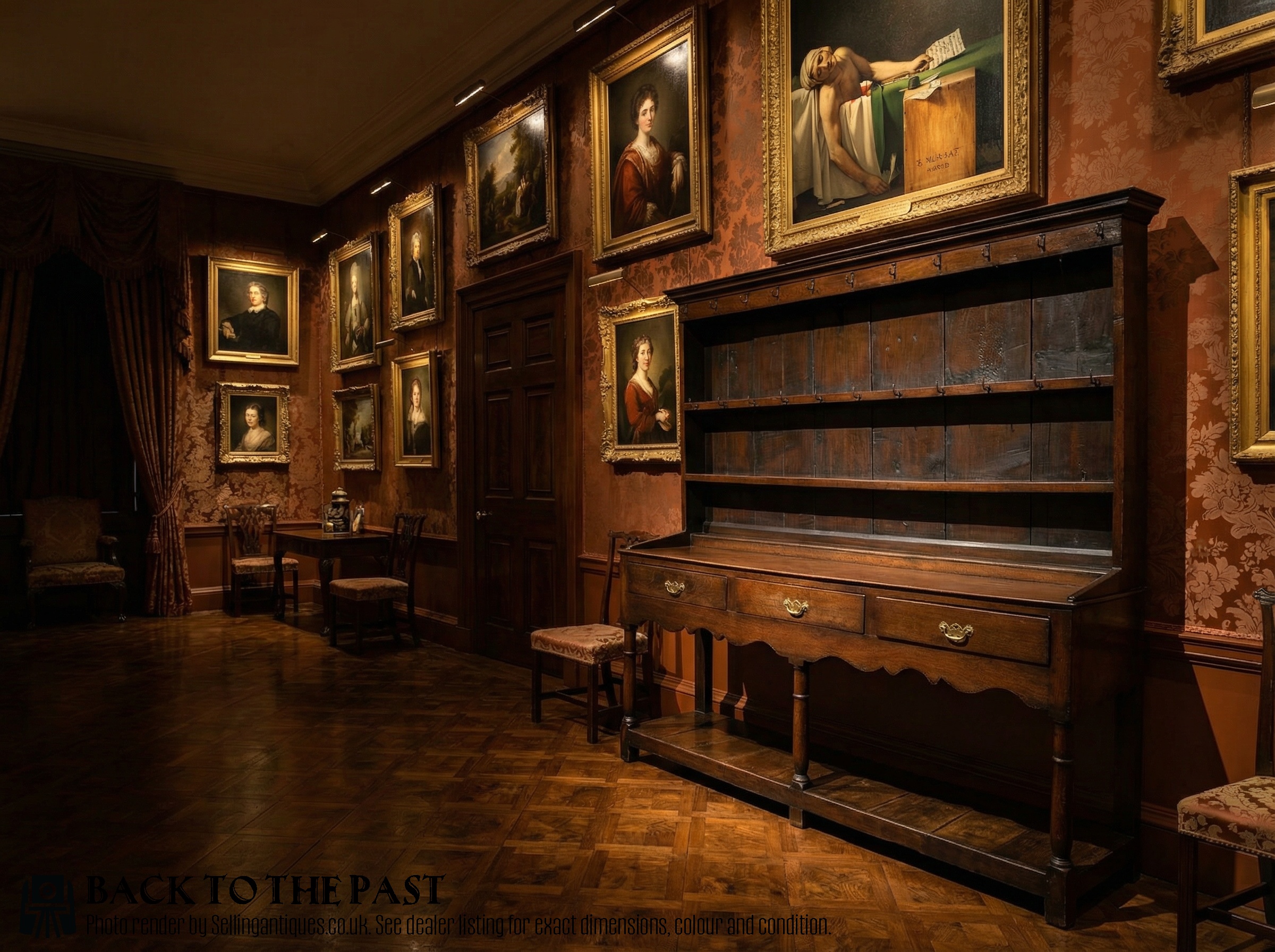
Traditional Welsh Dresser Rack
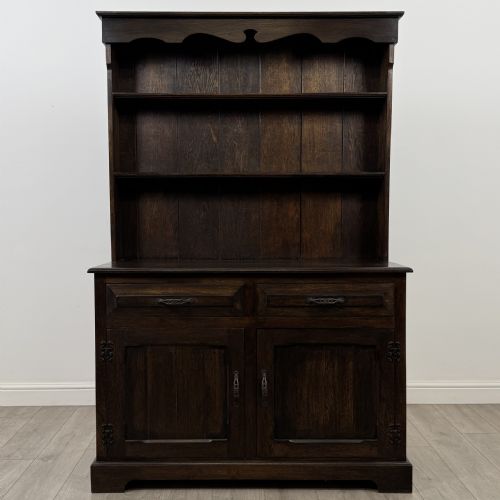
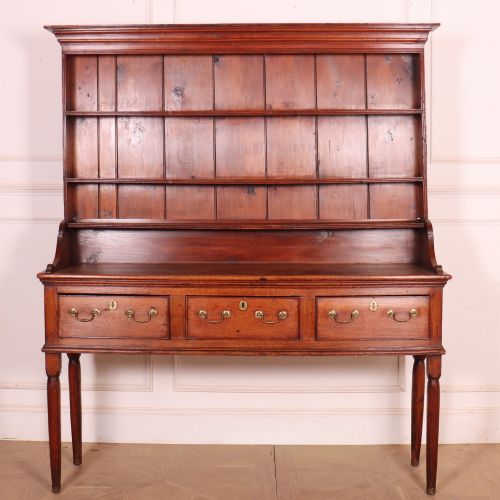
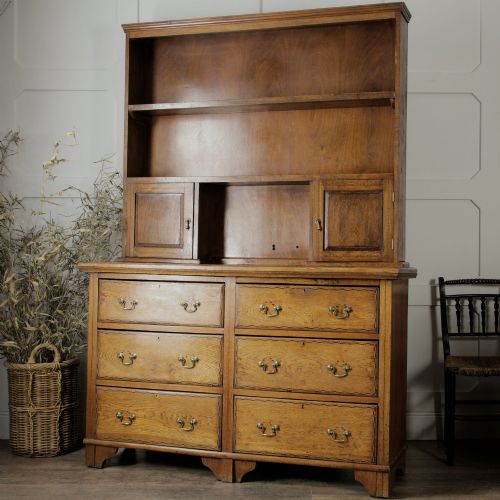
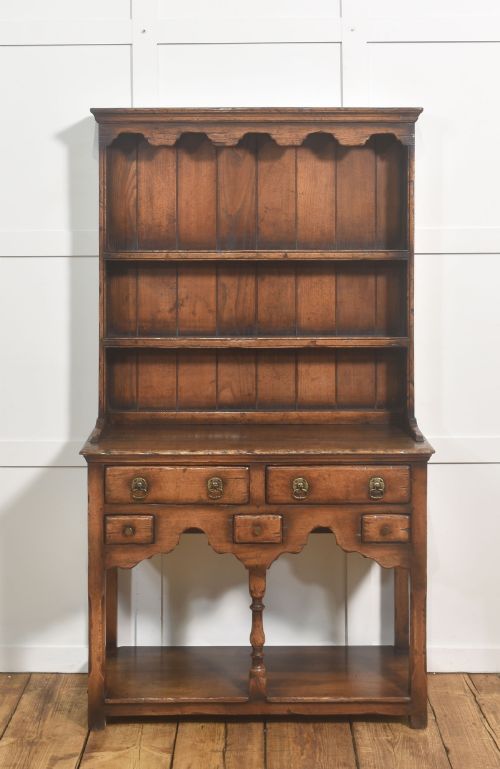
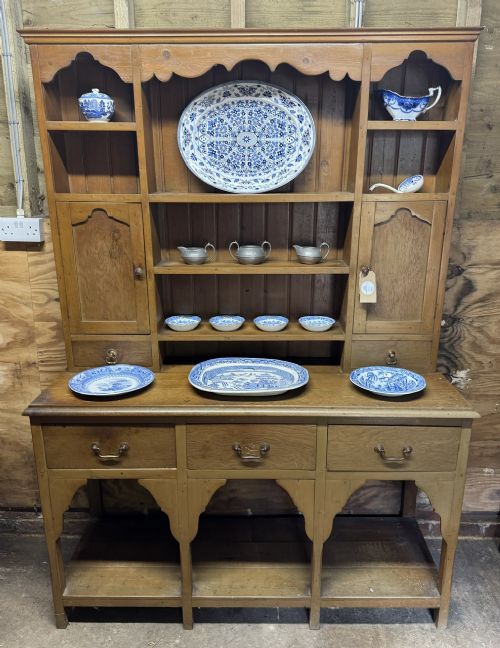
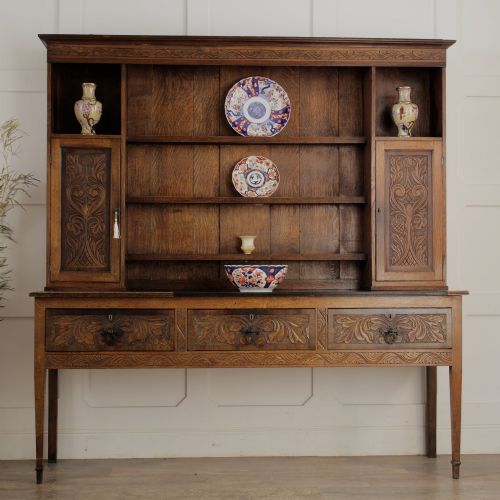
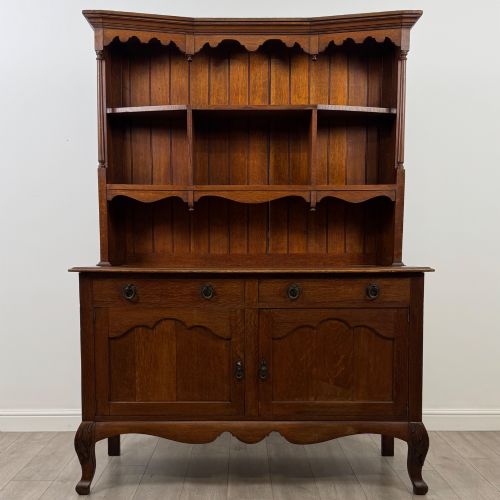
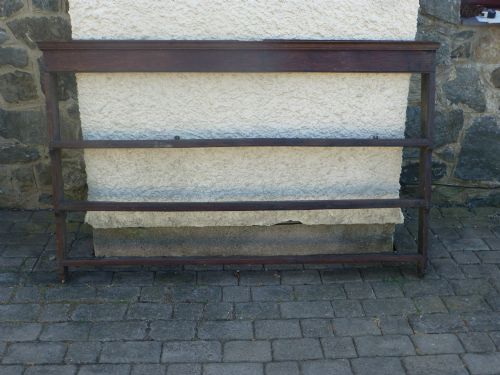
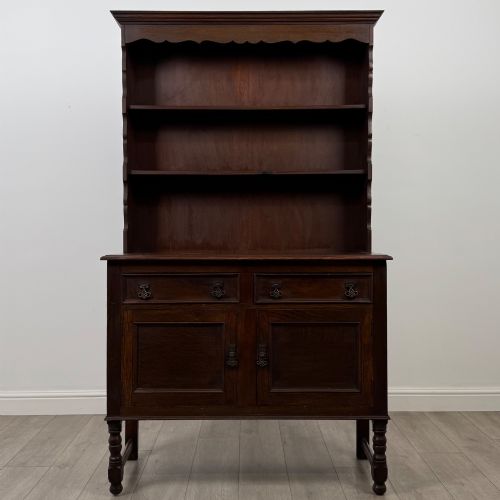
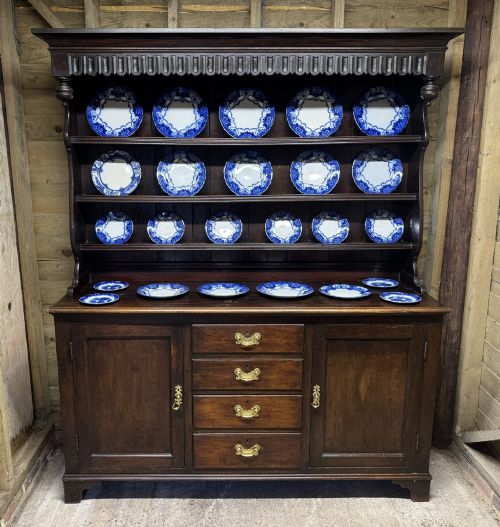
A traditional welsh dresser rack sits atop a dresser base or attaches directly to a wall, featuring open shelves designed for displaying plates and ceramic wares. Most examples met here emerge from 18th-century, 19th-century, Georgian, and Edwardian periods.
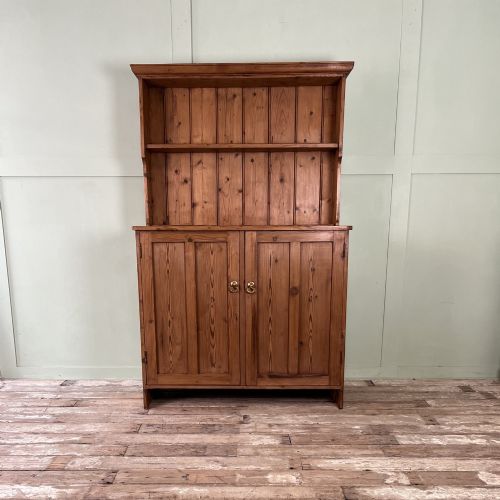
The regional forms range from Snowdonia and South Wales workshops to West Country and English country vernaculars. Oak, pine, elm, and mahogany constitute the primary timbers used in their construction.
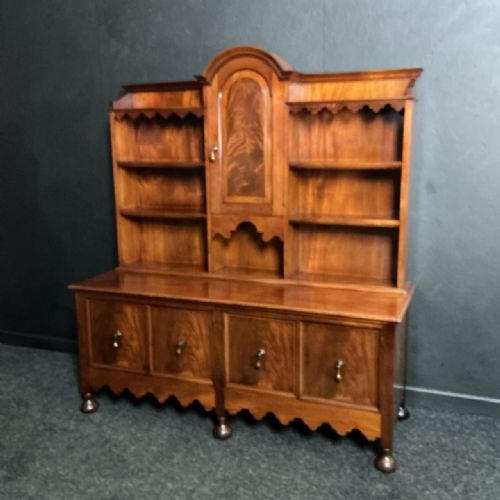
Makers integrated hooks, shelves, and small cupboards into the upper framework to hold pottery safely. These timber structures reflect domestic storage traditions of rural households.
What varies in quality
The standard of timber selection and the retention of original surface patination distinguish finer examples from simpler provincial pieces. Coarser country workshops utilised local pine or elm with straightforward board construction, whereas Georgian and George III iterations often display sophisticated moulding and selected oak.
The integrity of the structural joinery and the presence of original plate rack shelves dictate the overall archaeological and visual value. Altered or replaced shelving tiers alter the balance between the upper rack and the lower base.
Regional styles include Welsh vernacular, English country, and specific regional workshops from Snowdonia and South Wales.
The Traditional Welsh Dresser Rack Glossary
- Potboard
- A lower shelf fitted near the floor on traditional dressers, originally intended for storing heavy pots and pans. This open lower platform sits between the legs of dresser bases.
- Patina
- The surface sheen and colour developed by timber through decades of handling, polishing, and exposure to light. Original patination confirms the age and history of domestic furniture.
- Vernacular
- Regional furniture styles built by local craftsmen using accessible materials rather than following metropolitan fashion trends. Welsh vernacular pieces often exhibit distinct local architectural details.
- Breakfront
- A cabinet or furniture facade where the central section projects forward from the flanking sides. This configuration creates architectural depth on larger dresser bases.
- Plate rack
- An upper framework of shelves and slats designed to hold ceramic plates upright for display and drying. These racks form the upper component of traditional dresser combinations.
Traditional Welsh Dresser Rack: Frequently Asked Questions
What is a traditional welsh dresser rack?
A traditional welsh dresser rack is an upper shelving unit designed to display plates and kitchen ceramics, either mounted on a wall or placed upon a matching dresser base.
These timber racks utilise open shelves and sometimes small cupboards or hanging hooks to organise domestic tableware.
How do I date a dresser rack?
Dating relies on timber species, construction techniques, and regional style characteristics seen across 18th-century, 19th-century, and Edwardian examples.
Hand-planed boards, pegged joints, and original surface patination point toward earlier Georgian or country vernacular periods.
Are dresser racks separate from the base?
Many traditional racks were built to sit upon a separate potboard or drawer base, though some regional examples functioned as integrated single pieces.
Over the centuries, bases and upper racks occasionally became separated or paired with matching timber companions.
How do I clean and maintain antique oak?
Maintenance involves applying gentle beeswax to nourish the dry timber and preserving the historic surface finish without harsh chemical cleaners.
Keeping the wood away from direct heat sources prevents timber splitting and protects the original patina.