



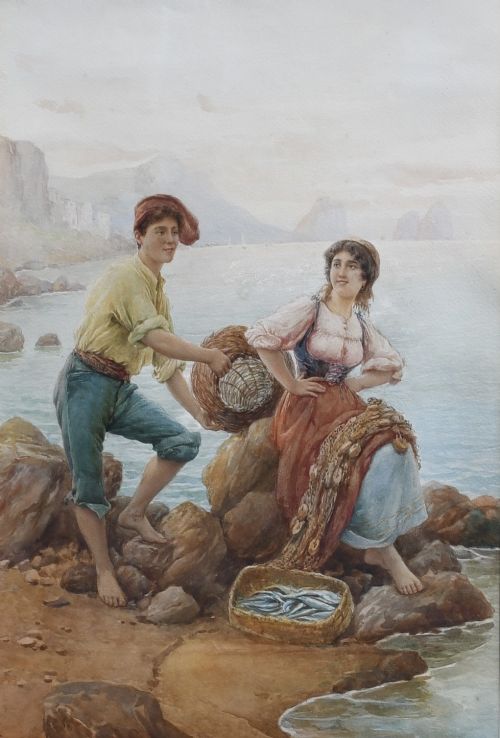
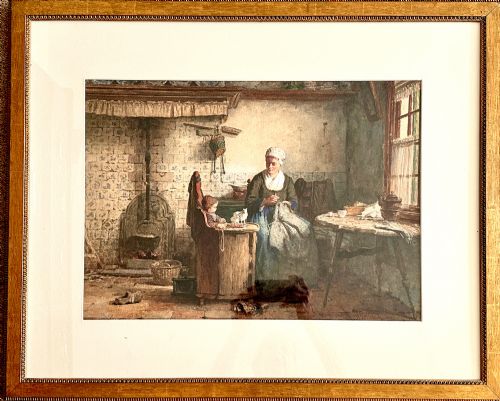
Traditional Watercolor Scene
A traditional watercolor scene captures pastoral calm, coastal harbours, and historic villages through delicate pigment laid on paper.
Traditional Watercolor Scene
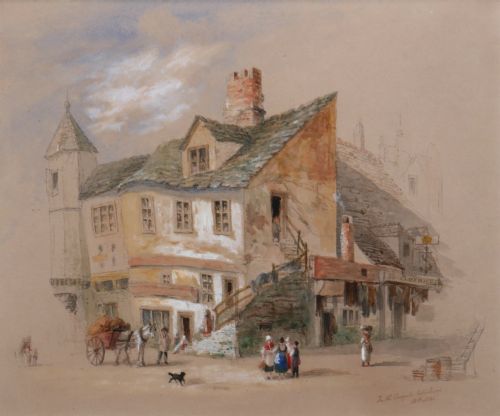
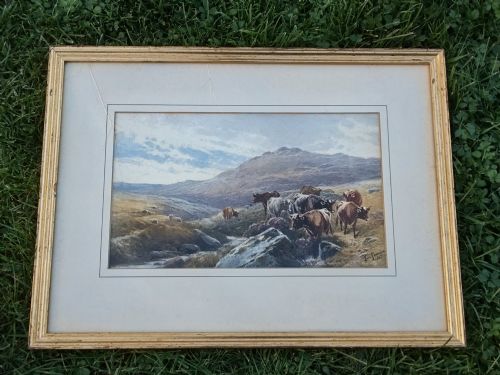
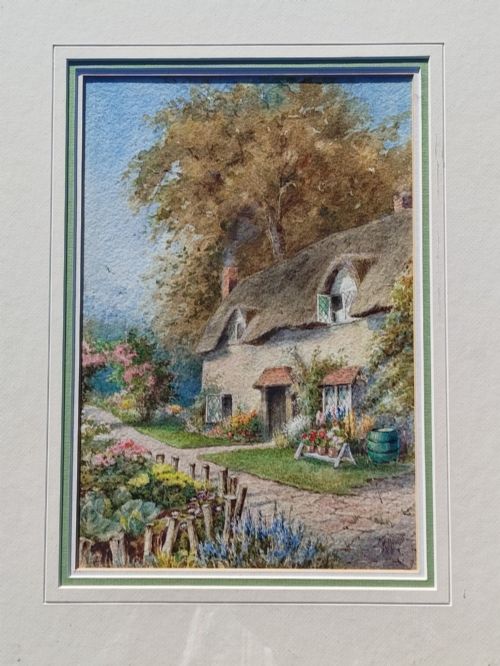
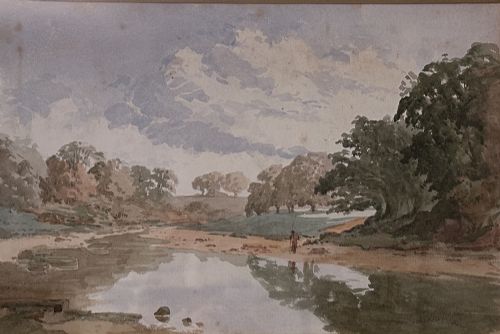
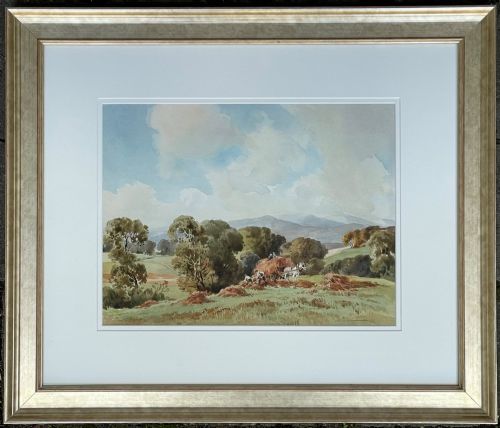
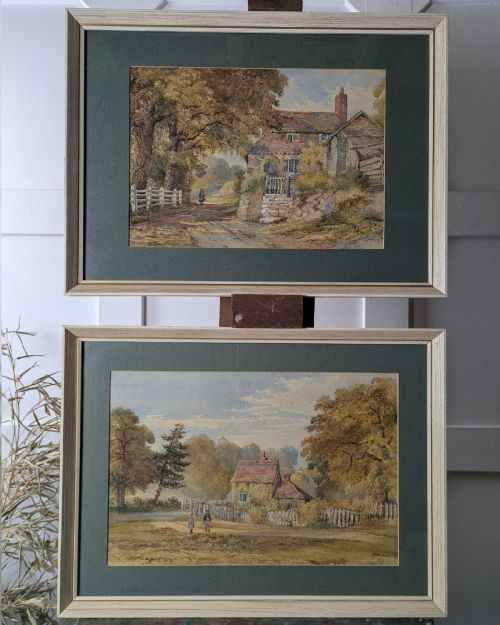
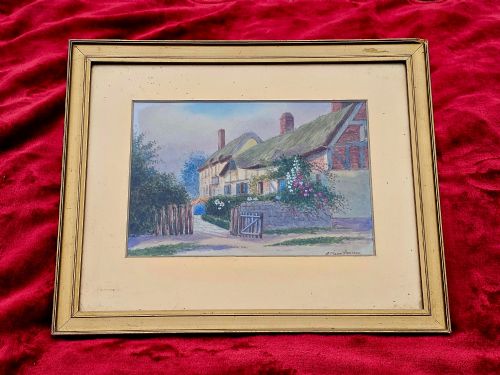
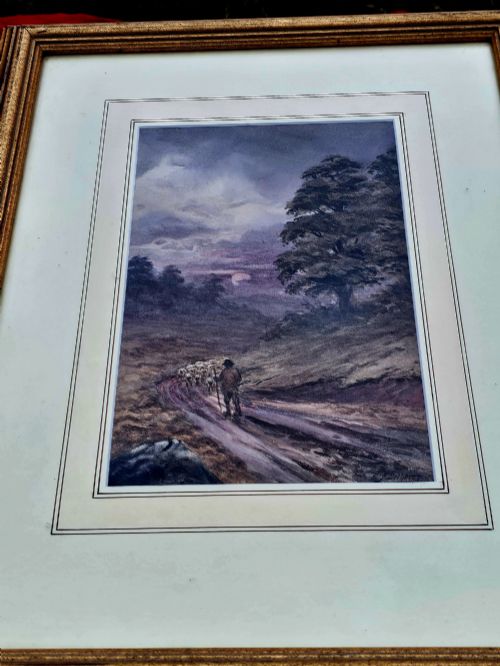
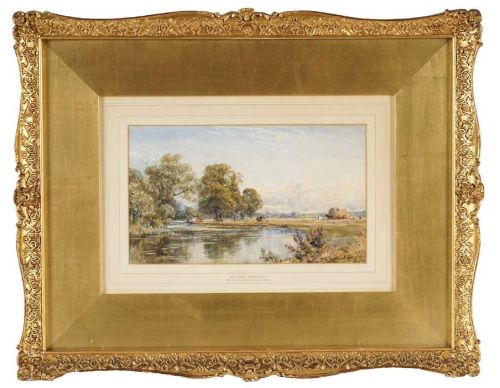
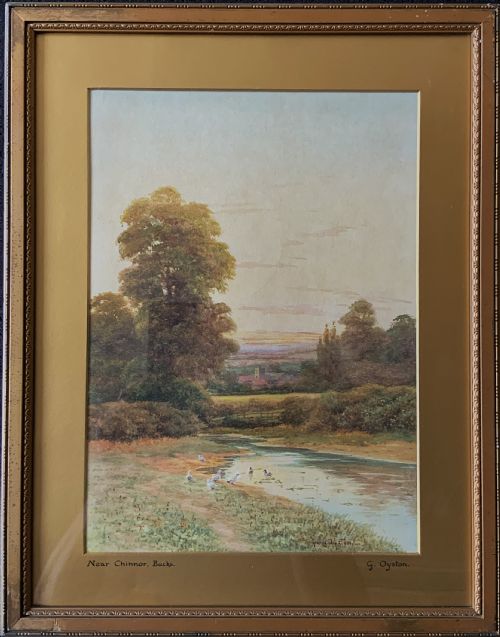
A traditional watercolor scene depicts landscapes, rivers, cottages, and coastal subjects created primarily during the nineteenth and early twentieth centuries. These paintings range from pastoral countryside views to bustling harbour scenes recorded by regional British artists.
The selections encountered here span Victorian, Edwardian, and British Impressionist periods, often framed in wood or gilt settings. Many pieces focus on rural English life, agricultural work, and tranquil riverbanks.
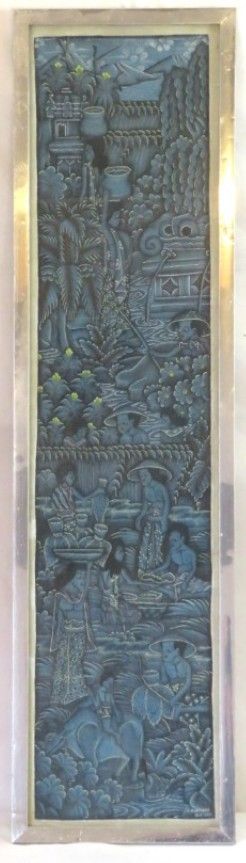
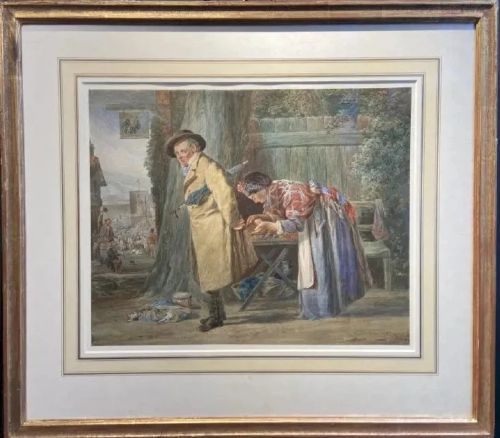
While the majority of works originate from British artists working in the nineteenth and early twentieth centuries, variations include continental European scenes and mid-century compositions on paper or fabric.
How they were made
Artists applied watercolour pigment directly onto paper surfaces, sometimes utilising ink washes or bodycolour to build depth and contrast. The transparent nature of the medium allowed light to reflect off the white paper beneath the pigment.
Finished works were typically mounted behind glass and housed within wooden or gilt frames to protect the delicate surface from moisture and light damage.
Traditional Watercolor Scene Retail Price Guide 2026
Typical asking prices for traditional watercolor scene among the pieces listed under this phrase on Sellingantiques today, from the lower quarter to the upper quarter. They describe what is for sale here now, not the wider market.
The periods represented span from the nineteenth century through the Edwardian era and into the mid-twentieth century.
What varies in quality
The distinction between standard works and finer pieces rests upon the artist's handling of light, atmospheric perspective, and detail within the composition. Stronger works demonstrate confident brushwork and precise draughtsmanship rather than flat or formulaic application.
Condition plays a central role in valuation, particularly regarding pigment retention, fading caused by sunlight, and the absence of foxing or damp staining across the paper ground.
Thomas Rowden·Alfred Young Nutt·Percy Lancaster·George Oyston·Robert Thorne Waite·Thomas Bush Hardy
The Traditional Watercolor Scene Glossary
- Watercolour pigment
- The finely ground colour suspended in a water-soluble binder used to create transparent washes on paper.
- Gilt wood
- Wood frames treated with a thin layer of gold leaf or metallic gilt, commonly used to frame Victorian and Edwardian fine art.
- British Impressionism
- A painting style adopted by British artists focusing on light, everyday subjects, and loose brushwork during the late nineteenth and early twentieth centuries.
- Foxing
- Brown spots and discolouration that develop on antique paper over time due to chemical reactions and humidity.
Traditional Watercolor Scene: Frequently Asked Questions
How should I hang a watercolor?
Keep antique watercolors away from direct sunlight to prevent the pigments from fading over time. UV-filtering glass provides essential protection for works on paper.
Ensure they are hung on interior walls away from damp areas like kitchens or uninsulated exterior walls.
Are these paintings original?
The majority of pieces catalogued are hand-painted original works on paper produced by named artists or skilled practitioners of the period. Signatures, monograms, and artist details often accompany these authentic compositions.
Prints and reproductions differ fundamentally by showing dot patterns under magnification rather than brush strokes and pigment layers.
How do I identify the period?
Stylistic clues, framing materials, and artist biography dates help establish when a painting was created. Victorian and Edwardian works frequently depict traditional rural subjects with specific Victorian aesthetic framing.
Paper characteristics and backing boards can also offer clues regarding the age of the piece.
Can I reframe an antique painting?
Original frames should be preserved whenever possible because they contribute to the historical character and period integrity of the artwork. Many pieces retain their period wooden or gilt frames.
If framing requires replacement due to structural damage, consult a professional framer to ensure acid-free materials are utilised.