


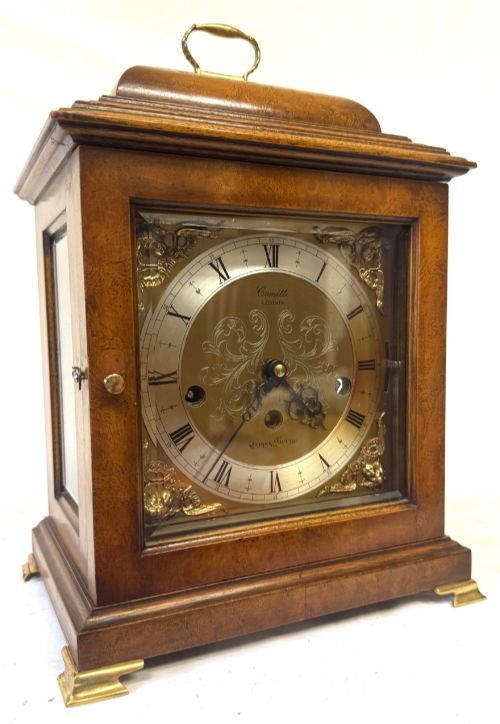
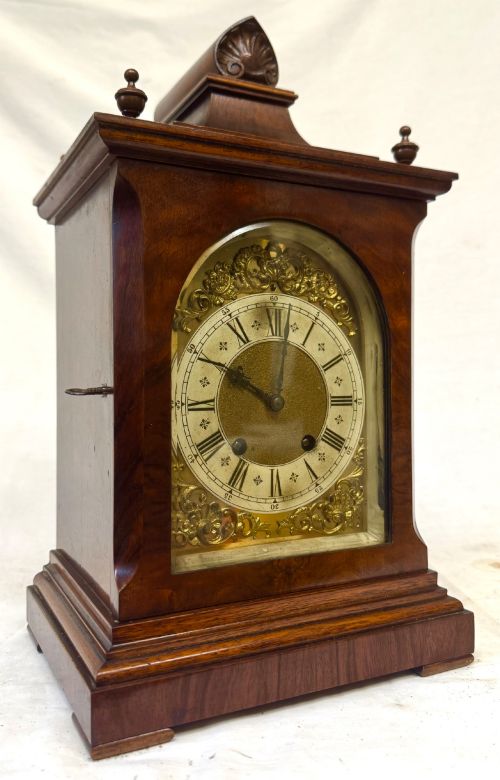
Traditional Walnut Table
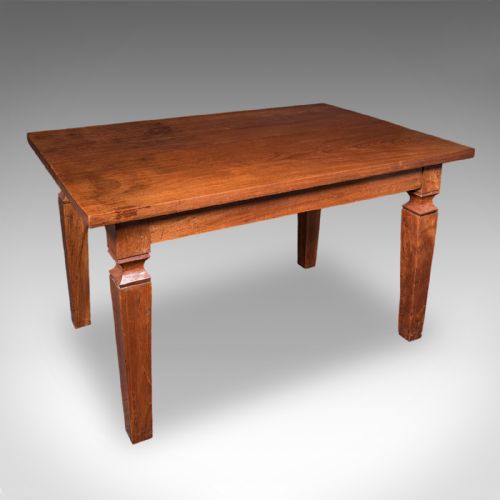
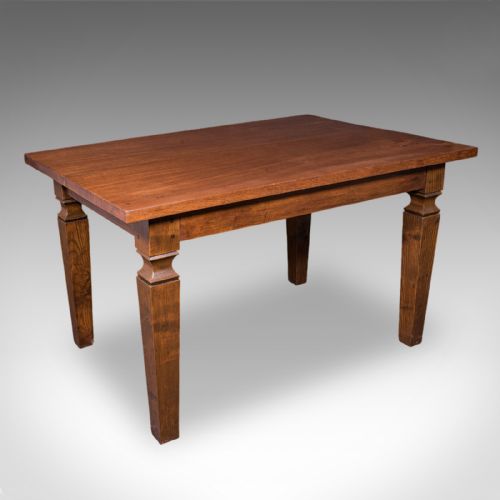
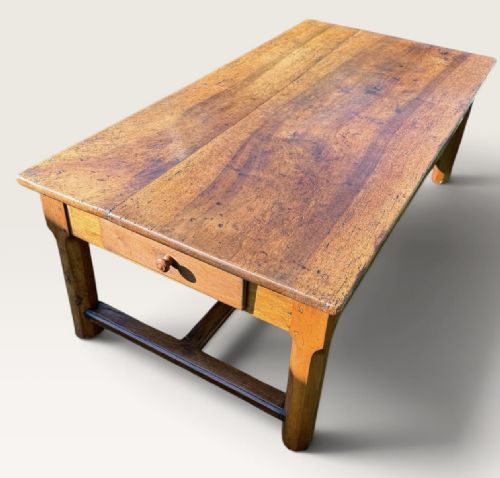
A traditional walnut table brings warmth and dark figured grain to a room, offering everything from large dining pieces to compact coffee tables.
Traditional Walnut Table
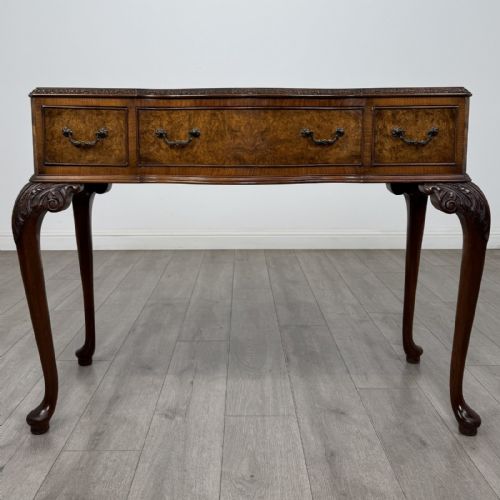
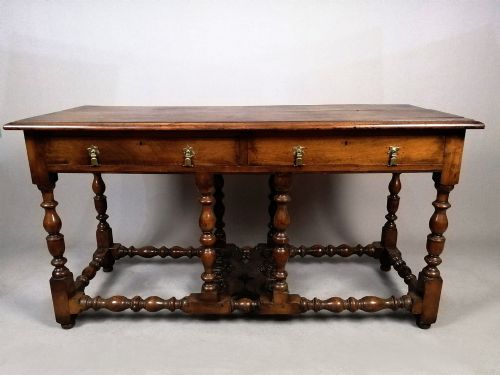
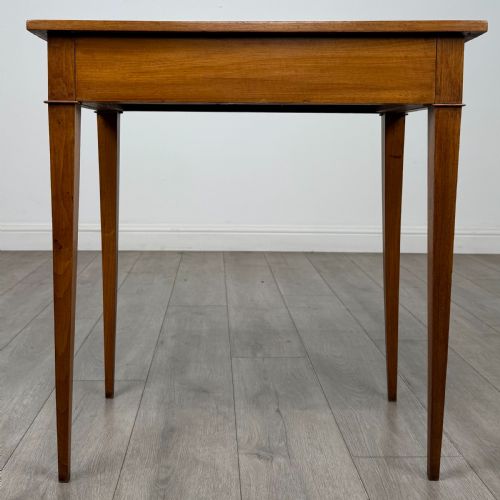
A traditional walnut table encompasses a diverse range of domestic furniture spanning the nineteenth and early twentieth centuries, including dining tables, coffee tables, side tables and writing desks. These pieces draw heavily on earlier design movements, frequently appearing in Queen Anne, Georgian and Edwardian revivals alongside Victorian and Edwardian originals.
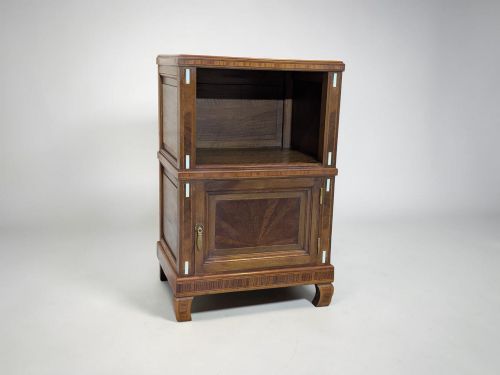
The versions most commonly met on this page include smaller occasional items like coffee tables, side tables and bedside cabinets, alongside larger dining tables and pedestals. Makers utilised both solid timber and decorative veneers to achieve distinct formal silhouettes across these varied domestic types.
Origins span English workshops of the nineteenth and twentieth centuries, with occasional continental examples appearing in the record. The survival of these varied forms demonstrates the enduring appeal of walnut timber across multiple eras of domestic interior design.
Materials and Construction
Makers constructed these pieces primarily using walnut and burr walnut veneer, frequently applying the highly figured veneers over secondary woods to create decorative surfaces on tables and desks. Solid timber frames provided structural integrity for legs, rails and mouldings.
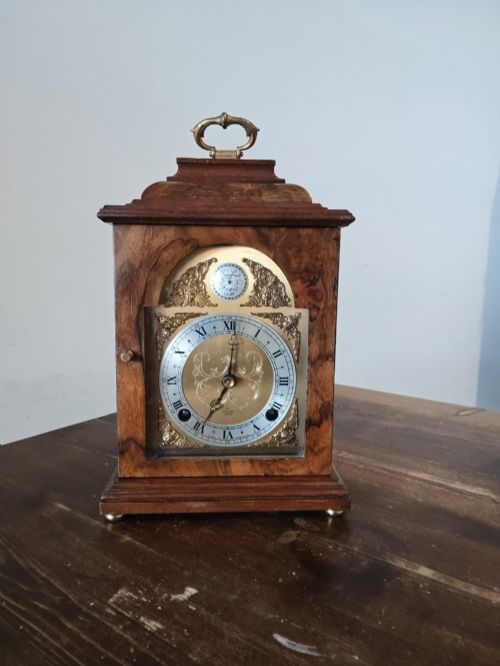
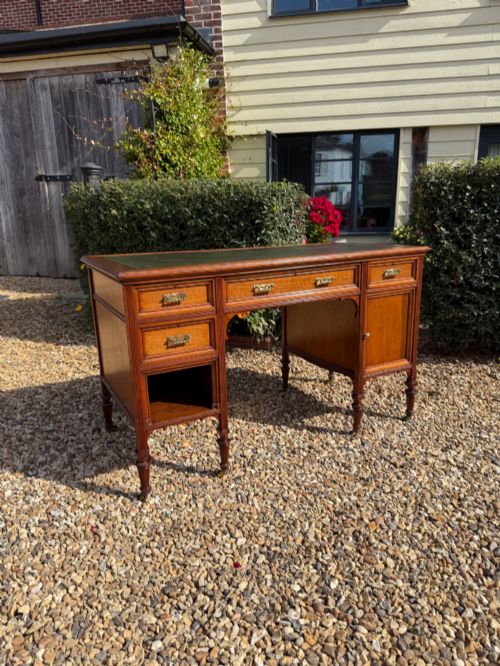
Additional materials appear to complement the primary wood, including brass for hardware, dials and fittings, and leather for the writing surfaces of desks. Glass, oak and various textiles also feature as supporting elements within the broader selection of pieces.
Listings feature periods spanning from the eighteenth century through the Edwardian era and into the nineteen-thirties.
Craftsmanship and Grain
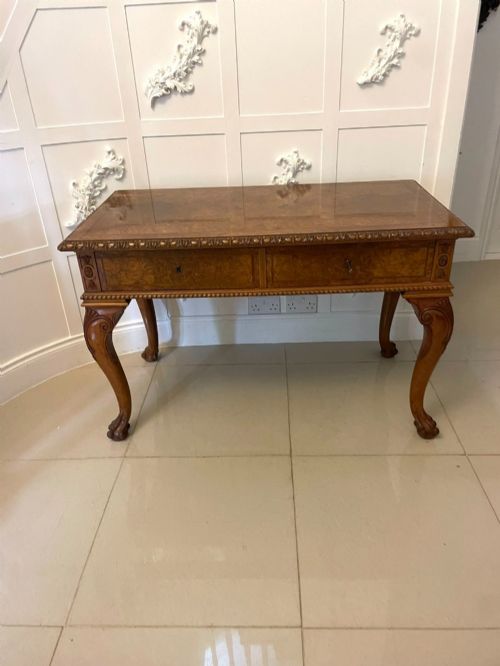
The distinction between ordinary and superior examples rests in the selection and application of the timber veneer. Pieces featuring heavily figured burr walnut display a complex, swirling grain pattern that requires exceptional skill to match symmetrically across large surfaces.
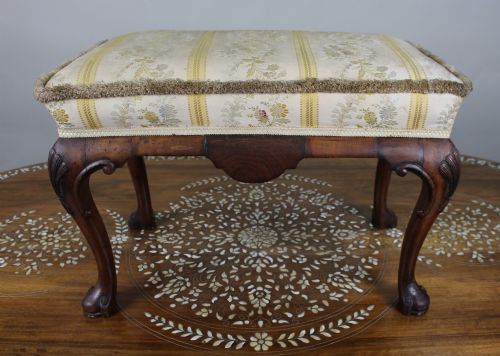
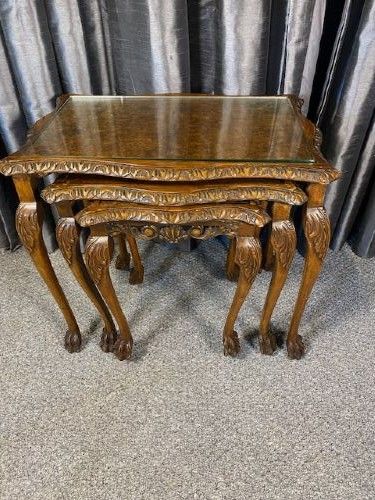
Construction methods and secondary details further define the tier of a piece, separating standard workshop output from finer cabinet work. Solid timber framing, crisp carving on revival cabriole legs, and the integration of quality brass hardware indicate higher standards of original manufacture.
Wylie and Lochhead Glasgow·Mappin and Webb·Comitti Of London·Lenzkirch
The Traditional Walnut Table Glossary
- Burr walnut
- A specialised timber harvested from the wart-like growths on walnut trees, yielding highly ornamental grain patterns. Cabinet makers prized this wood for veneering prominent surfaces.
- Cabriole leg
- A furniture leg that curves out and then in, commonly associated with Queen Anne and Georgian revival styles. This profile mimics the shape of an animal's curving leg.
- Pedestal desk
- A heavy writing table supported by two columns of drawers beneath the work surface. These large pieces frequently incorporate leather writing inserts.
- Lowboy
- A small seventeenth or eighteenth-century dressing table or side table featuring one or more rows of drawers beneath a flat top. They typically stand on slender legs.
- Partners desk
- A large double-sided writing desk designed for two people to work opposite one another. These substantial pieces usually feature banks of drawers on both sides.
Traditional Walnut Table: Frequently Asked Questions
How do I care for a walnut table?
Keep walnut furniture away from direct sunlight and heat sources to prevent the wood and delicate veneers from drying out. Regular dusting with a soft, dry cloth maintains the finish without needing harsh polishes.
Apply a quality beeswax periodically to nourish the timber and preserve its deep natural lustre. Avoid placing damp items directly onto the wood surface to prevent staining.
What styles are common for these tables?
Queen Anne revival designs dominate many of the smaller tables and desks, identifiable by shaped aprons and cabriole legs. Georgian revival pieces also appear frequently, often showcasing traditional proportions and figured timber.
Edwardian and Victorian iterations lean into functional domestic forms with subtle decorative carving. These varied revivals reflect historical tastes popularised during the nineteenth and early twentieth centuries.
Are walnut tables suitable for daily dining?
Larger dining and wake tables provide robust surfaces suited for regular family use while adding historical character to a dining room. Their sturdy construction accommodates everyday meals and gatherings.
Use protective mats under hot dishes and liquids to safeguard the polished surface and sensitive veneers. Careful daily use ensures these antique timbers remain durable for modern living.
How can I tell the period of a table?
Examine the construction methods, secondary woods used in the frame, and the specific style of the hardware or legs. Edwardian and Victorian pieces often show machine-sawn elements, whereas earlier Georgian designs reveal hand-worked joinery.
Comparing the decorative revival style against known production eras helps narrow down the manufacturing window. Subtle indicators like timber thickness and drawer construction guide proper dating.