
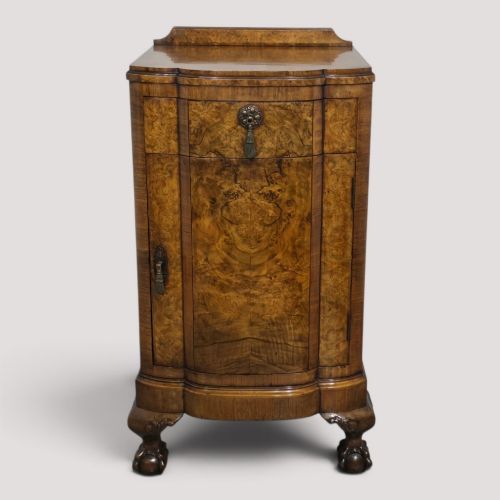
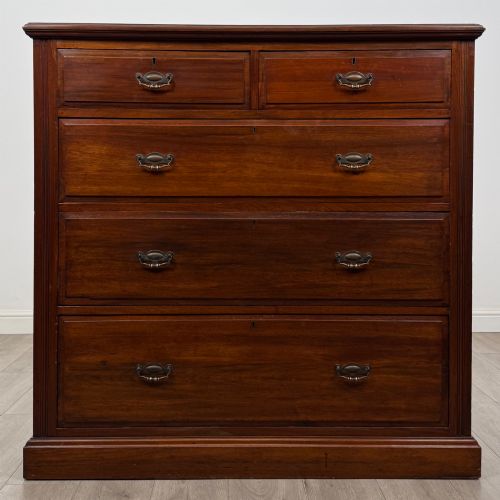
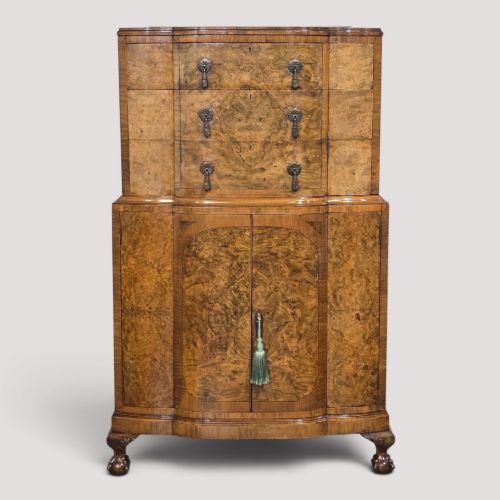
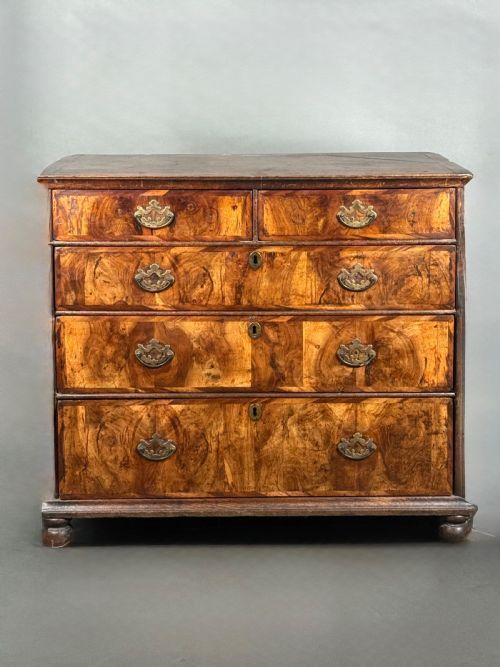


Traditional Walnut Storage Chest
A traditional walnut storage chest brings together rich timber and practical depth, offering a handsome focal point for any room.
Traditional Walnut Storage Chest
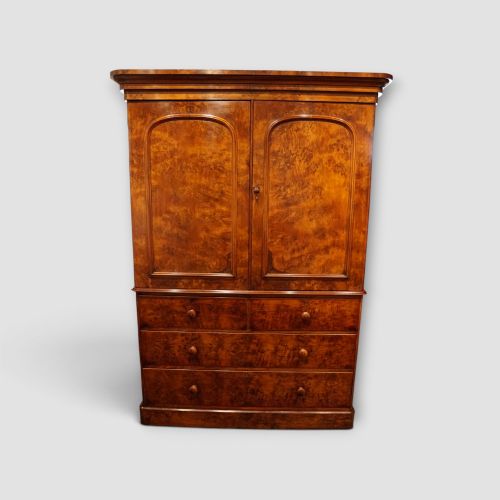
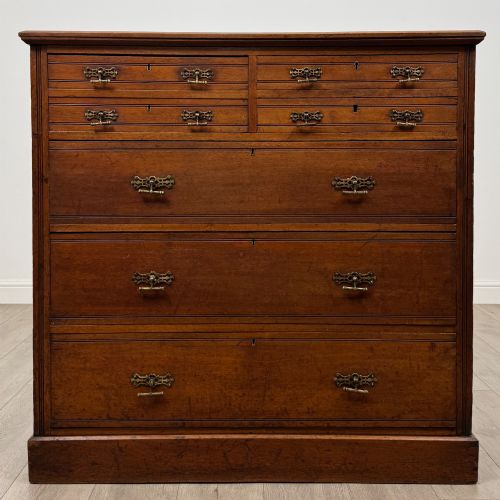
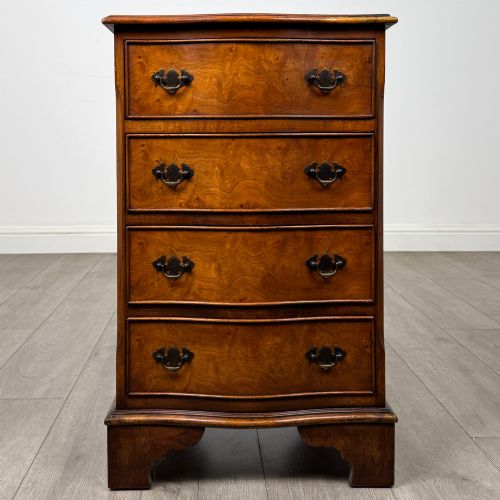
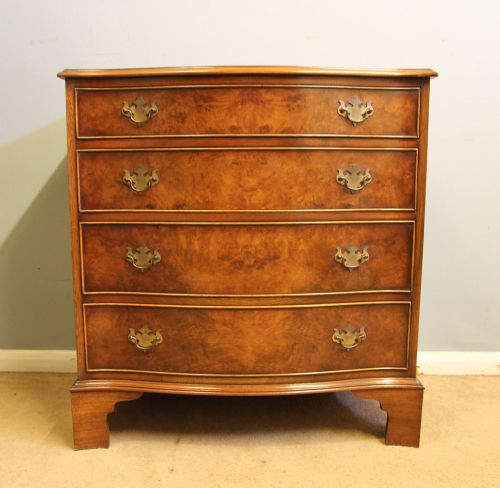
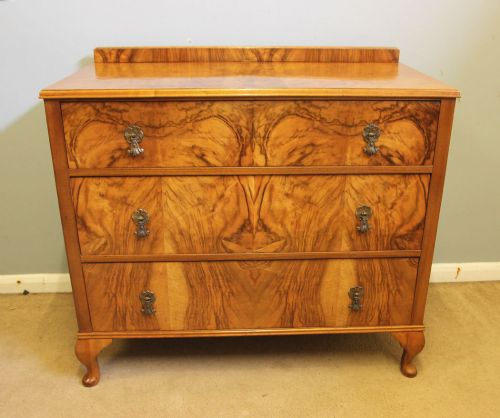
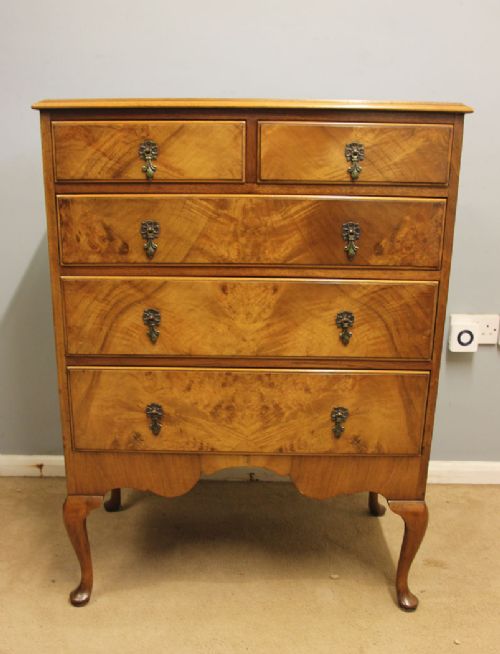
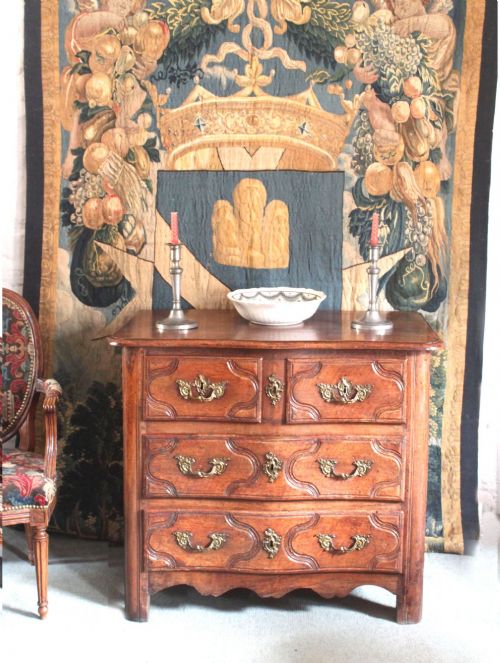
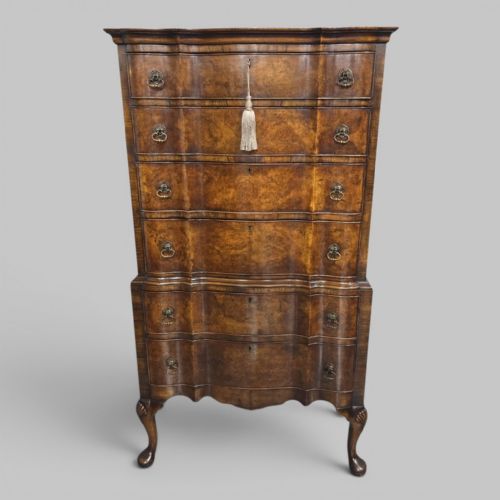
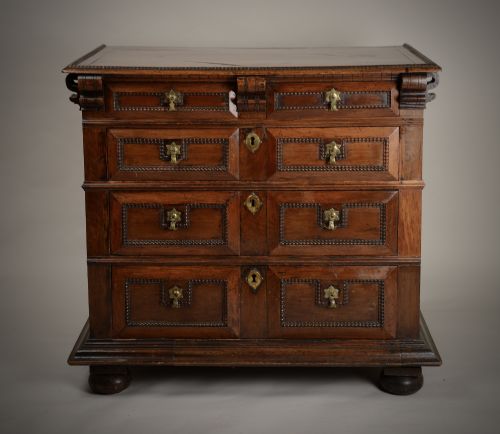
A traditional walnut storage chest encompasses various historical forms, from compact chests of drawers to tallboys, linen presses, and cabinets on stands. Buyers seeking this phrase encounter pieces spanning several centuries, including seventeenth-century designs, eighteenth-century Queen Anne and Georgian examples, Victorian pieces, and twentieth-century revivals.
The selection ranges from straightforward four-height chests to elaborate serpentine commodes, Dutch marquetry tallboys, and specialised pieces like dough proving boxes and gentlemen's tallboys. Pieces originate from different domestic and continental workshops, reflecting shifts in cabinet-making traditions over hundreds of years.
Materials and Construction
Makers utilised solid walnut alongside decorative cuts such as burr walnut, figured walnut, and oyster veneer, often laid over secondary timbers like oak or fruitwood. Brass hardware, including drop handles and escutcheons, provides functional contrast to the dark, grained wood surfaces.
Joinery techniques evolved across the periods represented, incorporating graduating drawer depths, stands, and specialised superstructures like cabinets on chests. Surface treatments relied on natural finishing methods that highlight the complex grain patterns inherent to the timber.
A French provincial walnut dough proving box sits alongside grand Georgian tallboys, proving ancestors kept bread just as secure as linen.
Distinctions in Execution
Quality in a traditional walnut storage chest rests upon the selection and matching of the wood veneers, particularly the dexterity displayed in burr and oyster patterning. Superior examples show careful grain alignment across drawer fronts and harmonious proportions that respect period conventions.
The refinement of the internal construction, the crispness of the secondary mouldings, and the integrity of the brass mounts further separate standard production from exceptional cabinet work. Greater attention to detail in the drawer linings and carcase assembly distinguishes the higher tier of surviving pieces.
Jas Shoolbred·WC Burt
The Traditional Walnut Storage Chest Glossary
- Burr walnut
- A figured wood grain derived from the wart or burl growths of the walnut tree. It produces intricate, swirling patterns highly prized by cabinet-makers for decorative drawer fronts and panel surfaces.
- Oyster veneer
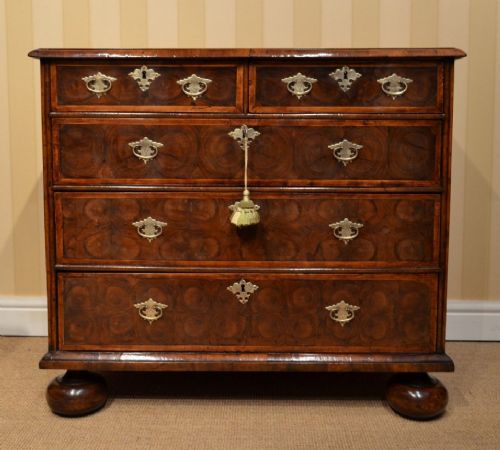
- Slices of small branches cut across the grain to create circular or oval patterns resembling oyster shells. This technique gained prominence during the seventeenth century.
- Tallboy
- A tall chest of drawers consisting of one chest stacked on top of another or upon a stand. It maximised vertical storage space while maintaining a compact footprint.
- Marquetry
- The art of applying pieces of veneer to a structure to form decorative patterns and pictures. Dutch examples frequently employ floral and botanical motifs.
- Serpentine
- A curved line of furniture fronting that bends outward in the middle and inward at the sides. This contour requires precise joinery and shaping of the solid wood or veneer.
Traditional Walnut Storage Chest: Frequently Asked Questions
What is a tallboy chest?
A tallboy is a vertical storage piece featuring stacked sections of drawers, designed to hold linens and apparel while occupying minimal floor space.
These pieces often include graduating drawer depths, tapering from larger lower compartments to smaller top drawers.
How do I identify a Queen Anne piece?
Queen Anne style pieces typically exhibit restrained elegance, often featuring figured walnut veneers, cabriole legs, and understated brass hardware.
Makers of this era focused on clean lines and rich timber grain rather than heavy carved ornamentation.
Where were these chests placed?
Historically, these storage chests served domestic functions in bedrooms, hallways, and grand reception rooms for organising garments and household linens.
Today, they adapt easily to modern living spaces as focal storage units in bedrooms or living areas.
What is oyster veneering?
Oyster veneering involves slicing small walnut branches crosswise to produce small, circular wooden disks with concentric growth rings.
Craftsmen arranged these pieces closely together to create intricate, textured surface designs across the entire front of a cabinet or chest.