



Traditional Walnut Pedestals
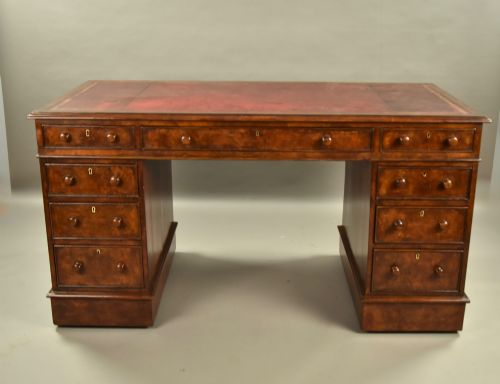
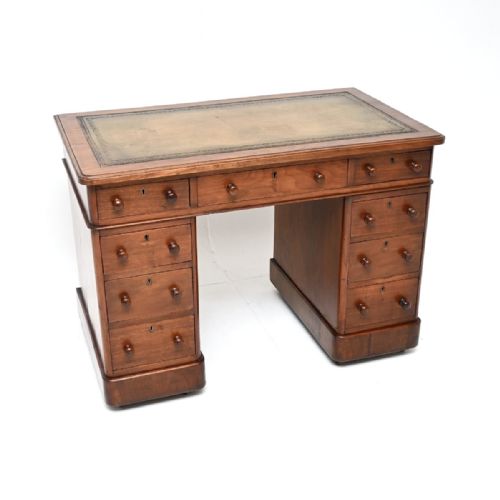
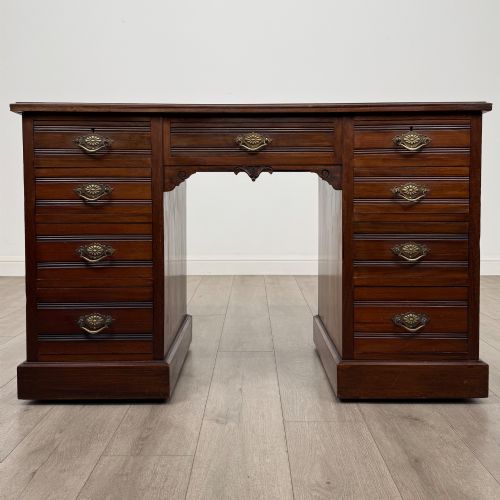
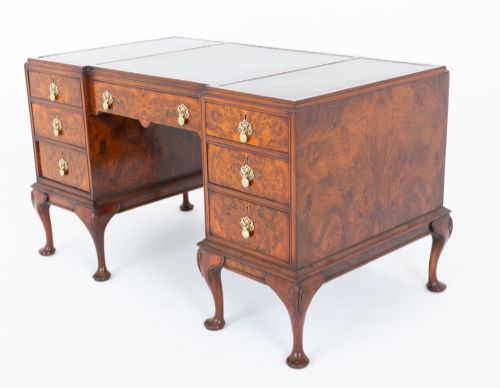
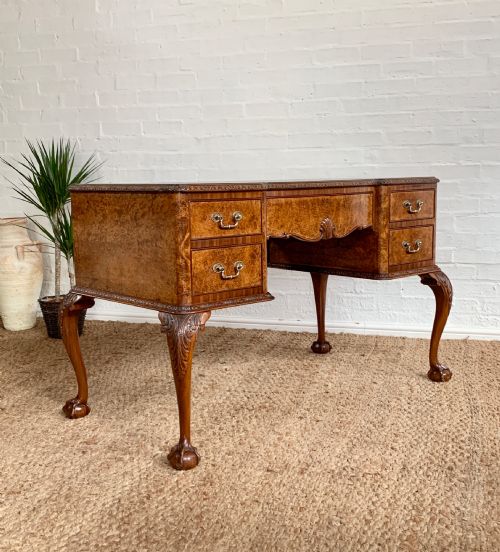
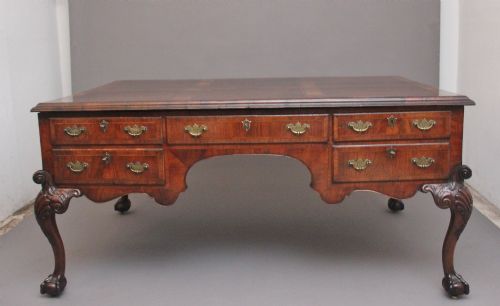
Traditional walnut pedestals are substantial writing and display pieces defined by rich timber figuring and sturdy multi-drawer construction.
Traditional Walnut Pedestals
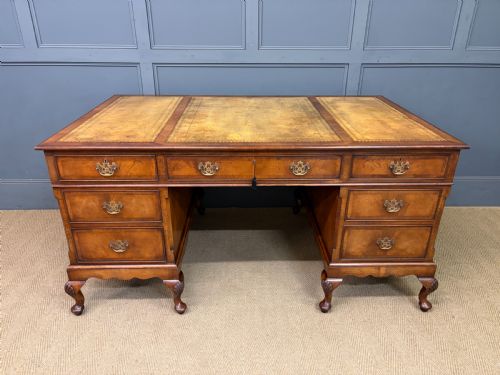
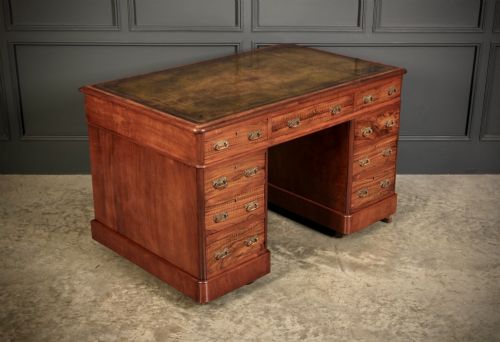
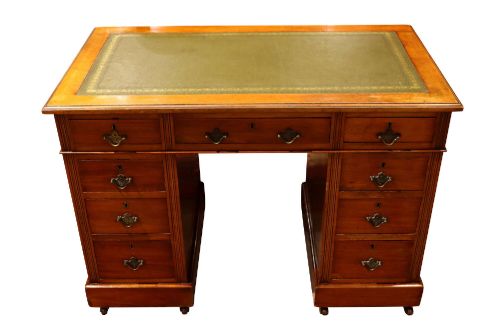
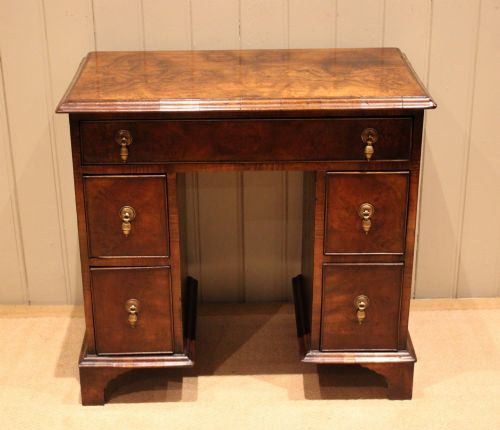
Traditional walnut pedestals primarily comprise nineteenth-century and early twentieth-century desks and writing tables, spanning Victorian, Edwardian, and revival eras. These pieces typically feature a central kneehole flanked by banks of drawers, designed for formal studies and libraries.
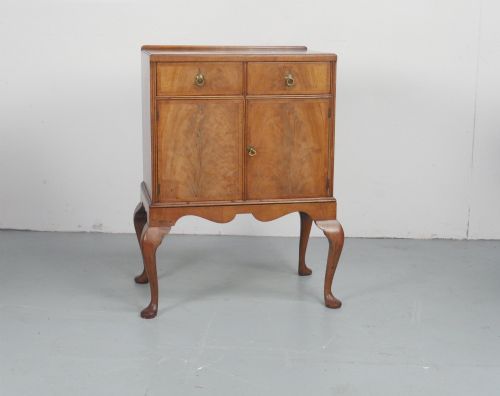
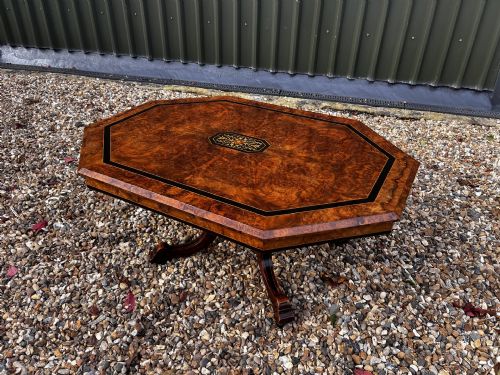
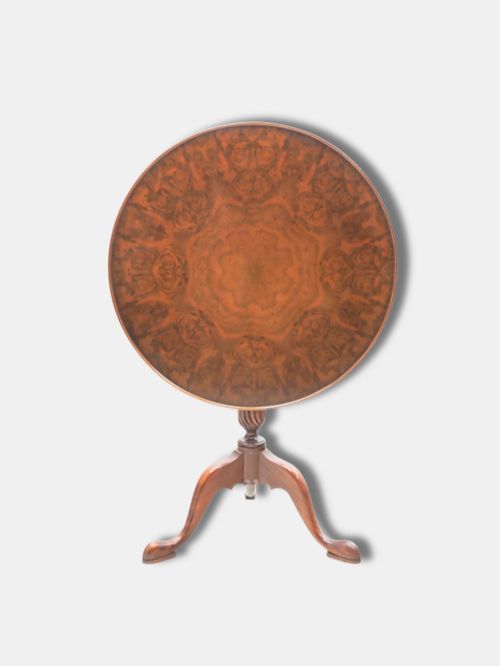
Beyond standard desks, the category encompasses related supports such as torcheres, occasional tables, and plant stands rooted in Georgian and Queen Anne design idioms. The surviving examples demonstrate how cabinetmakers adapted earlier architectural proportions for domestic use.
Materials and construction
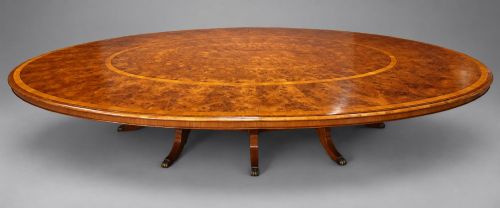
Construction relies heavily on solid walnut and decorative veneers like burr and figured walnut, often applied over secondary timbers. Cabinetmakers selected these figured surfaces for tops and drawer fronts to create striking visual patterns.
Functional surfaces frequently incorporate inset tooled leather writing panels, while structural elements utilise brass hardware and occasional marquetry inlay. The combination of dense timber and careful joinery ensures the heavy pedestals remain stable over generations of daily use.
Traditional Walnut Pedestals Retail Price Guide 2026
Typical asking prices for traditional walnut pedestals among the pieces listed under this phrase on Sellingantiques today, from the lower quarter to the upper quarter. They describe what is for sale here now, not the wider market.
Several pieces include secret compartments hidden within the pedestals, designed for storing private papers away from prying eyes.
Craftsmanship and distinction
Quality rests on the selection and matching of the walnut veneer, where symmetrical grain patterns across large surfaces indicate superior workshop practice. Plain timber or mismatched patching suggests lesser ambition in the original commission.
The sophistication of internal drawer construction, hand-carved details, and the preservation of original leather writing surfaces further distinguish finer examples from standard commercial production.
Howard and Sons
The Traditional Walnut Pedestals Glossary
- Burr walnut
- A veneer sliced from the growth excrescences of the tree, prized for its swirling, highly figured grain patterns. It was frequently utilised on the primary display surfaces of Victorian and Edwardian desks.
- Kneehole desk
- A compact writing table featuring a central recess for the user's legs, flanked by two vertical columns of drawers. This form became standard in domestic studies during the eighteenth and nineteenth centuries.
- Partners desk
- A large writing table designed with drawers and cupboards on both opposing sides, allowing two people to work face to face. These substantial pieces usually date from the nineteenth century.
- Torchere
- A tall, slender stand or pedestal designed to support a candle, lamp, or decorative object. Examples often incorporate tripod bases and turned wooden columns.
- Marquetry
- The art of applying decorative pieces of veneer to a structure to form ornamental designs. Craftsmen utilised contrasting woods to create floral or geometric patterns on table tops and desk fronts.
Traditional Walnut Pedestals: Frequently Asked Questions
What is a pedestal desk?
A pedestal desk is a large freestanding writing table supported by two vertical columns of drawers. The user sits in the central kneehole space between the two drawer stacks.
These desks became prominent in British interiors during the nineteenth century, offering both extensive storage and a formal architectural presence in a study.
How do I care for walnut furniture?
Walnut furniture requires protection from direct sunlight and extreme humidity fluctuations to prevent the timber and veneer from drying out or cracking. Regular dusting with a soft, dry cloth maintains the finish.
Leather writing inserts benefit from occasional specialist conditioning to keep the material supple without damaging the surrounding wood.
What is burr walnut?
Burr walnut is a specialised wood veneer derived from a tree growth or burl, which produces complex, swirling grain patterns. Cabinetmakers applied it to prominent areas like desk tops and drawer fronts for decorative effect.
Because of its irregular growth structure, burr walnut is notoriously difficult to work, making skilled application a mark of quality.
Are these desks suitable for daily work?
Most traditional pedestal desks provide ample surface area and drawer storage for modern writing and administrative tasks. The sturdy multi-drawer construction easily accommodates contemporary stationery and equipment.
Buyers should verify internal drawer dimensions and kneehole clearance to ensure the piece fits their ergonomic requirements.