



Traditional Walnut Bookcase
A traditional walnut bookcase brings rich grain and warmth to a room, offering practical shelving disguised in classical timber.
Traditional Walnut Bookcase
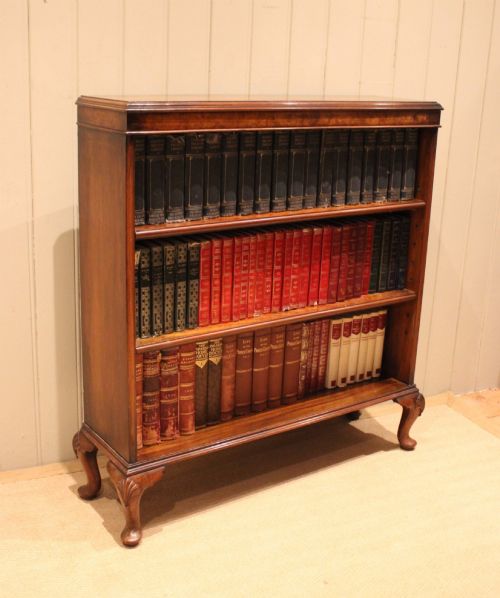
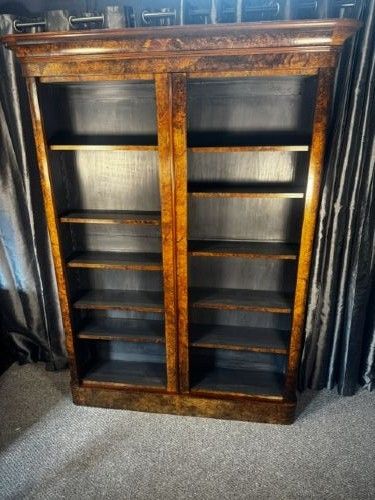
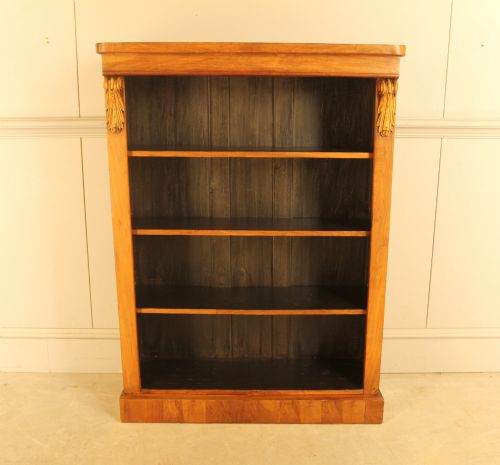
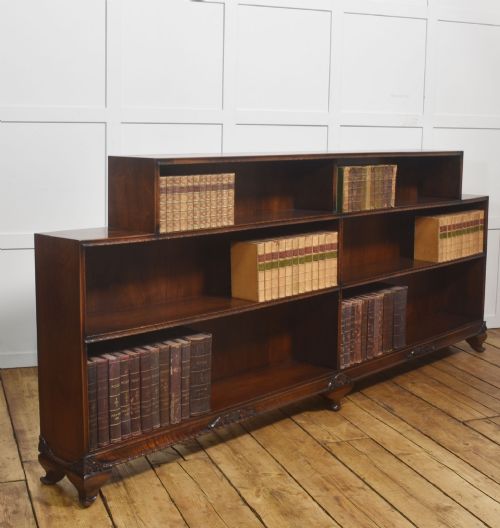
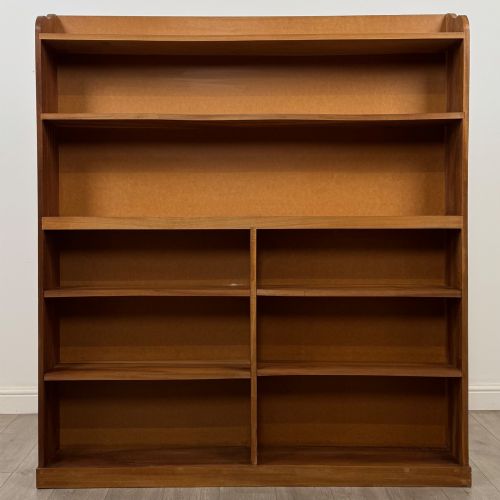
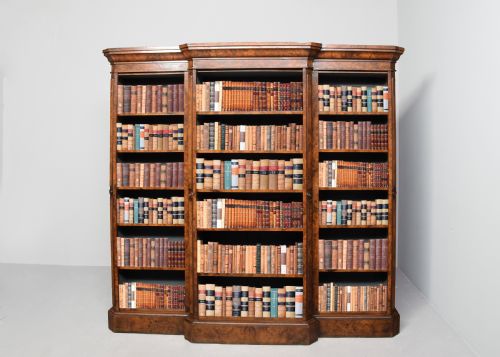
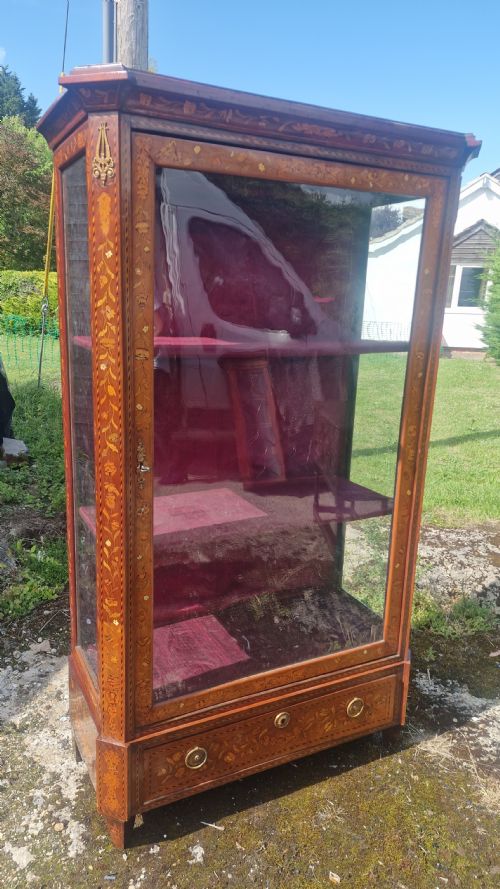
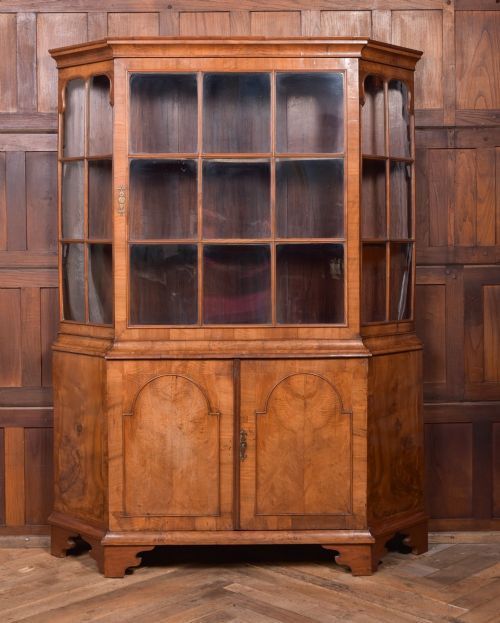
A traditional walnut bookcase spans open shelving units, glazed display cabinets, and fitted bureau bookcases designed to house a library while anchoring a room. The selection here leans heavily towards Victorian and 20th century examples, alongside Dutch marquetry and Queen Anne revival pieces that bring distinct regional character.
Buyers will encounter everything from large breakfront bookcases with adjustable shelves to compact glazed cabinets and bureau bookcases featuring fitted writing compartments. Open shelf formats and glass-fronted display versions dominate the available forms, utilising walnut timber in both plain and highly figured grains.
How they were made
Construction relies primarily on solid walnut and walnut veneer, often enhanced by burr walnut sections that highlight intricate natural grain patterns. Supporting elements such as pine and mahogany frequently form the internal carcase work and drawer linings of these pieces.
Decorative techniques include elaborate Dutch marquetry inlay, carved friezes, and turned barley twist columns, paired with brass hardware. Glazed doors utilise timber framing to protect the contents while maintaining visibility for display.
Several pieces feature barley twist columns, offering a tactile spiral turn that begs to be touched every time you reach for a volume.
What varies in quality
Quality rests heavily on the selection of the timber, where highly figured burr walnut and symmetrical veneer matching elevate the visual impact far above plain planks. The depth of colour and natural patina accumulated over the decades distinguish superior examples.
Construction depth also defines the grade, seen in breakfront proportions, multi-section carcases, and sophisticated interior fittings like adjustable shelving or secretaire drawers. Finer execution shows in crisp carving details, intact marquetry, and robust joinery.
The Traditional Walnut Bookcase Glossary
- Burr walnut
- A prized timber harvested from growth deformations on walnut trees, yielding swirling, highly decorative grain patterns. It is typically sliced into veneers for prominent cabinet surfaces.
- Breakfront
- A piece of furniture whose central section projects forward from the flanking wings. This architectural arrangement creates depth and visual rhythm across larger bookcases.
- Marquetry
- The art of applying small pieces of veneer to a structure to form decorative patterns and pictorial scenes. Dutch examples often display floral and foliage motifs in contrasting woods.
- Secretaire bookcase
- A cabinet incorporating a pull-down writing flap that conceals small drawers and pigeonholes. It combines a traditional writing desk with upper bookshelf storage.
Traditional Walnut Bookcase: Frequently Asked Questions
How do I care for a walnut bookcase?
Keep the timber away from direct heat sources and strong sunlight to prevent the walnut veneer from drying out or fading. Regular dusting with a soft, dry cloth maintains the surface without the need for heavy chemical polishes.
Occasional application of appropriate wax feeds the grain and preserves the natural patina. Ensure shelves are not overloaded to maintain the structural integrity of the timber supports.
Are the shelves adjustable?
Many examples on this page feature adjustable shelving systems to accommodate varying book heights and display items. Traditional rackwork or wooden support strips allow you to reposition shelves easily.
Fixed shelves do appear in certain period configurations, so checking the specific description helps confirm the interior flexibility of each cabinet.
What is the difference between open and glazed bookcases?
Open bookcases provide direct, unhindered access to books and often feature adjustable shelving suited to daily reading libraries. They prioritise immediate accessibility over physical protection.
Glazed bookcases use glass doors to shield delicate volumes from dust and environmental wear while displaying decorative bindings. These enclosed cabinets often incorporate lockable doors and more formal architectural detailing.
How do I identify Queen Anne style features?
Queen Anne revival pieces typically exhibit understated elegance, focusing on the natural grain of walnut rather than heavy carving. They often incorporate graceful proportions and refined cornices.
Bureau bookcases in this style combine sloped writing flaps with compact proportions and subdued bracket feet. The aesthetic emphasises clean lines and smooth surfaces over ornate embellishment.