





Traditional Wall Lamps
Traditional wall lamps are classic metal and glass light fittings designed to mount directly onto interior and exterior walls.
Traditional Wall Lamps
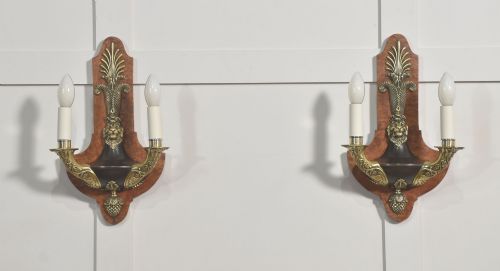
When you search for traditional wall lamps, you encounter a diverse selection of wall lights, lanterns, wall sconces, and carriage lamps originating from the nineteenth and early twentieth centuries. These fixtures span Victorian, Edwardian, and later periods, capturing historical aesthetic movements from French Rococo to Empire style and Grand Regency.
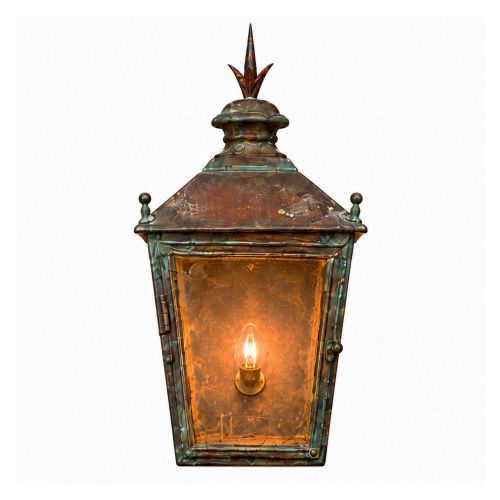
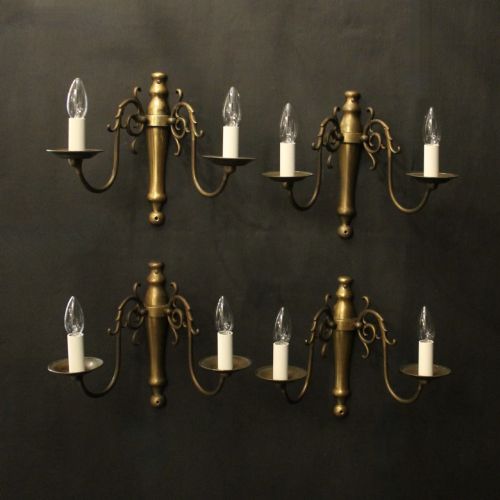
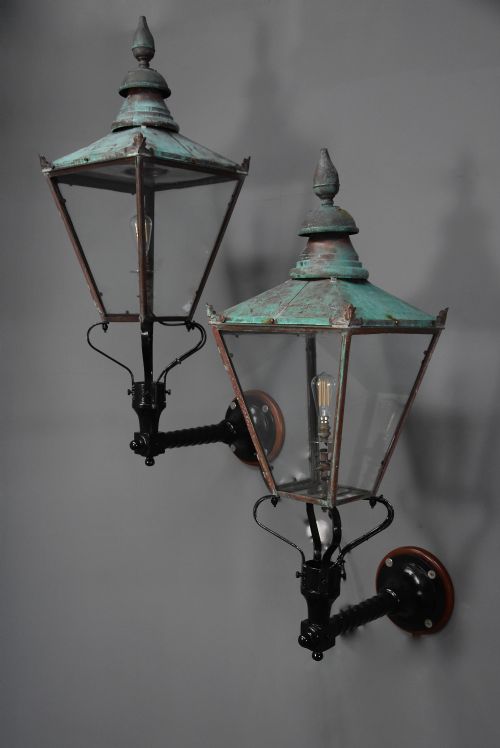
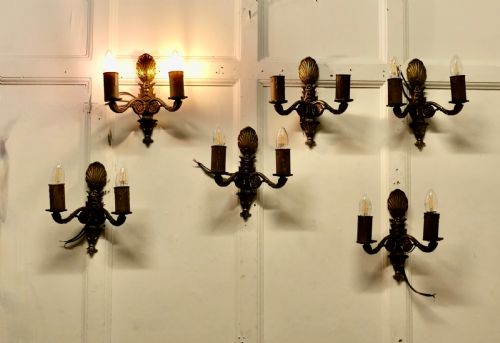
You are most likely to meet brass twin-branch wall lights and various brass or copper outdoor lanterns on this page. The forms range from simple single-arm sconces to grand pairs of street lanterns and carriage lamps designed for exterior mounting.
The materials reflect historical utility and decorative intent, featuring combinations of brass, copper, iron, wrought iron, and cast brass alongside occasional burr walnut and silver-plated surfaces.
How they were made
The construction of these pieces relies heavily on metalworking techniques applied to brass, copper, and iron. Artisans shaped sheet copper and brass into lanterns and shades, often combining cast brass components for structural brackets and decorative mounts.
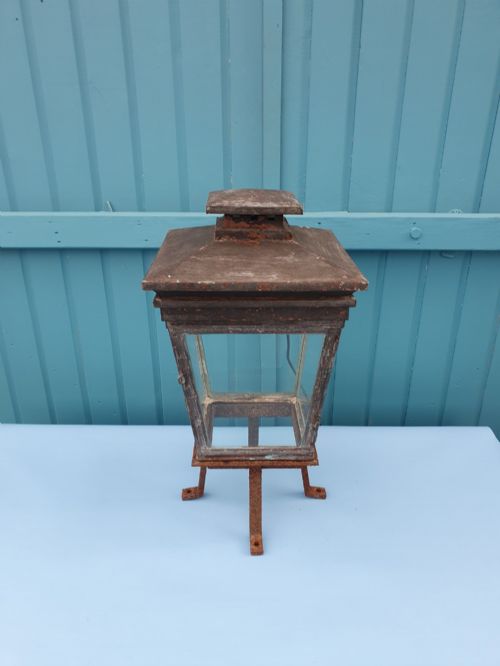
Many exterior and carriage examples incorporate hand-formed iron and wrought iron brackets, sometimes featuring twisted or scrollwork elements to support heavier glass and metal bodies. Historical lighting conversion is also evident, with several gas and oil-burning lamps adapted for electrical use while retaining their original metal housings.
Traditional Wall Lamps Retail Price Guide 2026
Typical asking prices for traditional wall lamps among the pieces listed under this phrase on Sellingantiques today, from the lower quarter to the upper quarter. They describe what is for sale here now, not the wider market.
Several copper street lanterns once guided horse-drawn carriages through dark streets before finding a second life illuminating modern porches.
What varies in quality
Quality in these wall fittings is determined by the crispness of the metal casting, the weight of the brass or copper used in the body, and the sophistication of decorative details like spiral twist brackets or French gilded finishes. Heavier gauge metals and intact period glass panels separate standard utility pieces from more ambitious decorative lighting.
The integrity of the original construction, whether through hand-wrought ironwork or refined neoclassical mounts, dictates the overall execution. Pieces that retain their matched pairs and coherent period styling demonstrate higher design ambition than simpler utilitarian adaptations.
F. & C. Osler
The Traditional Wall Lamps Glossary
- Wall Sconce
- A decorative light fixture fixed to a wall, typically designed to project light upwards or outwards using one or more arms. These fixtures often feature elaborate backplates and multi-branch configurations.
- Carriage Lamp
- A specialised weather-resistant lantern originally mounted to horse-drawn carriages for night travel, later adapted for domestic porch and hallway use. They frequently utilise bevelled glass panels and prominent ventilation chimneys.
- Empire Style
- A neoclassical design movement originating in early nineteenth-century France, characterised by symmetry, classical motifs, and rich use of brass and bronze. Pieces in this style often incorporate classical architectural elements.
- Twin-Branch Wall Light
- A lighting bracket featuring two distinct arms extending from a central wall plate to hold separate lamp holders or candles. This configuration provides balanced illumination across interior spaces.
- Baluster Form
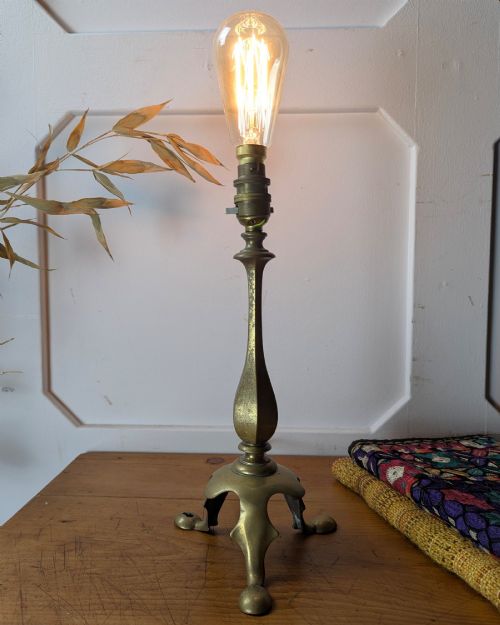
- A architectural shape resembling a moulded pillar or spindle, wider at the base and tapering towards the top. This profile appears frequently in the stems of wall and table lamps.
Traditional Wall Lamps: Frequently Asked Questions
How do I install antique wall lights?
Most antique wall lights require professional electrical installation to ensure the wiring meets current safety standards while preserving the original metal backplate.
Your electrician can mount the fixture securely to standard wall junction boxes, taking care with heavier brass or cast iron components.
Are these lamps suitable for outdoor use?
Many copper and iron lanterns on this page were originally designed as exterior carriage or street lamps exposed to the weather.
When placing historical outdoor lanterns outside today, ensure the electrical components have been suitably rated for moisture resistance.
Can I convert gas lamps to electricity?
Several listed carriage and street lamps show historical conversions from gas or oil operation to standard electrical fittings.
This adaptation allows you to display functional period lighting indoors or outdoors without altering the exterior brass and copper housings.
How do I date an Edwardian wall light?
Edwardian wall lights typically display lighter neoclassical or traditional English decorative motifs compared to heavier Victorian counterparts.
Examining the manufacturing techniques, screw types, and mounting brackets helps distinguish early twentieth-century production from nineteenth-century examples.