





Traditional Wall Hanging Mirror
A traditional wall hanging mirror brings depth and reflected light to a room, drawing on centuries of woodcarving and gilding traditions.
Traditional Wall Hanging Mirror
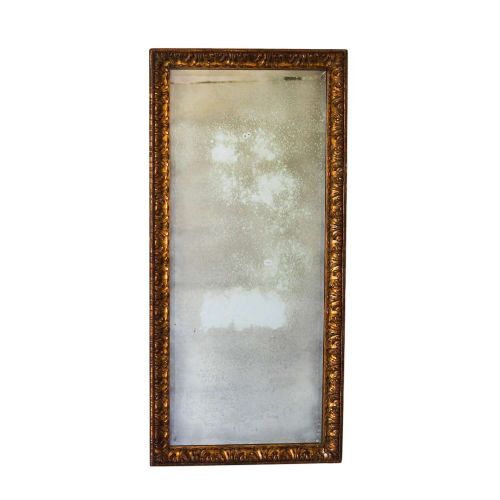
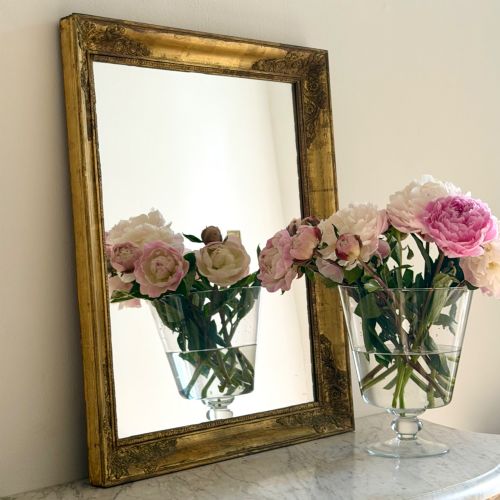
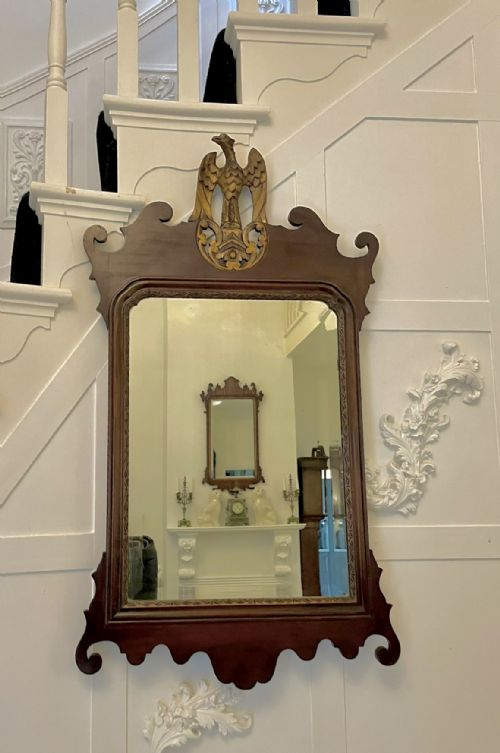
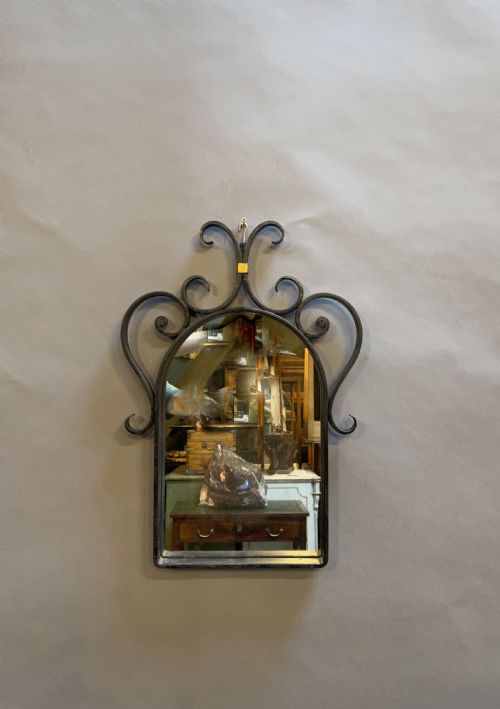
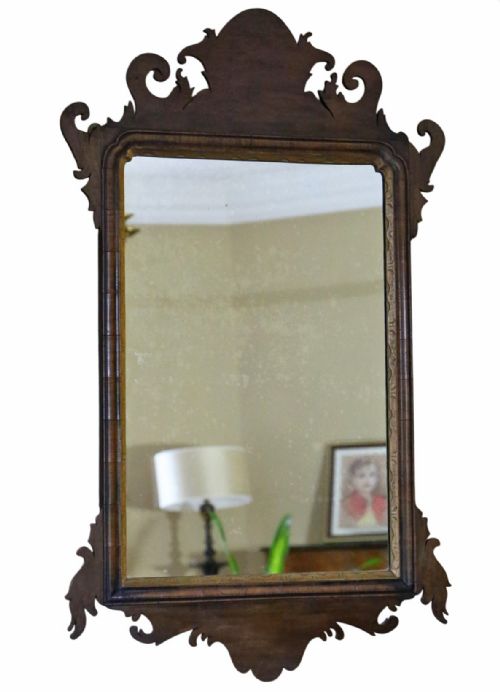
When you search for a traditional wall hanging mirror, you encounter pieces spanning from the Georgian and Regency eras through to the Victorian period and later revivals. The selection includes architectural pier mirrors, elaborate overmantles, and smaller fret-cut designs meant for domestic spaces.
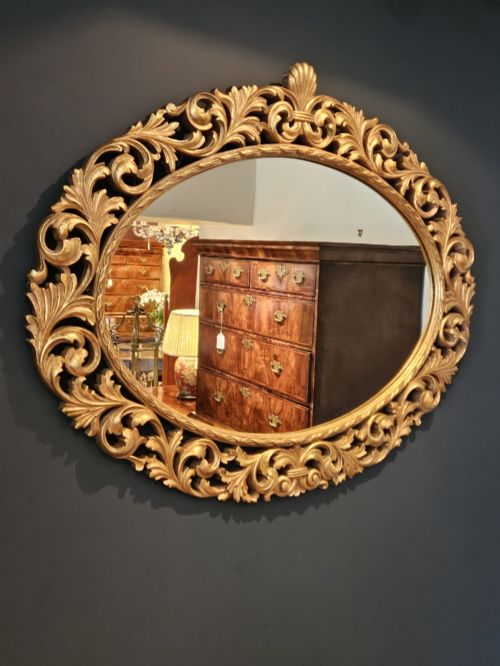
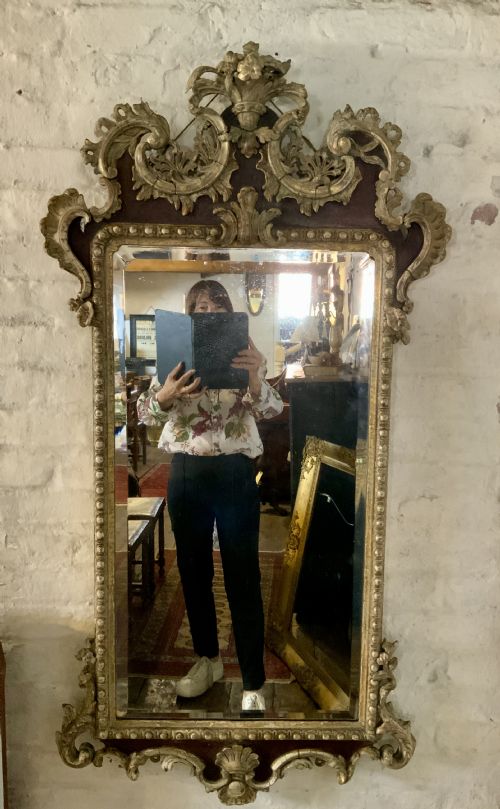
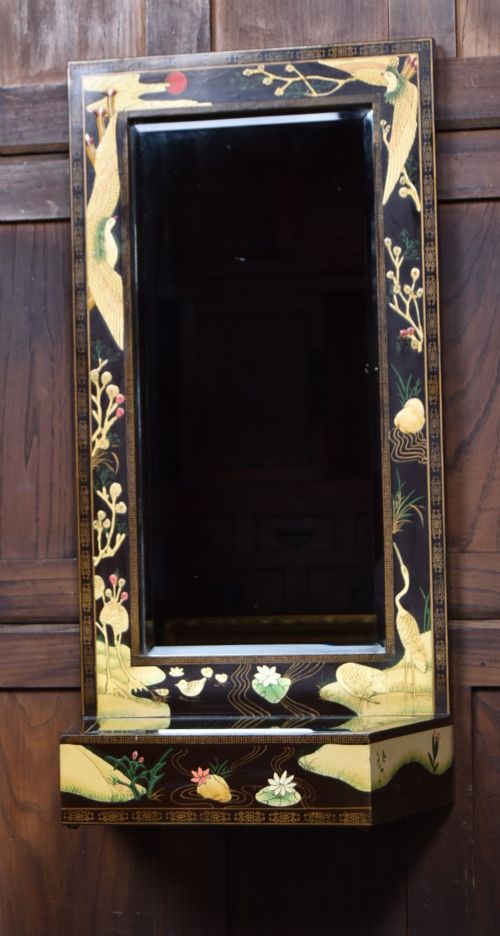
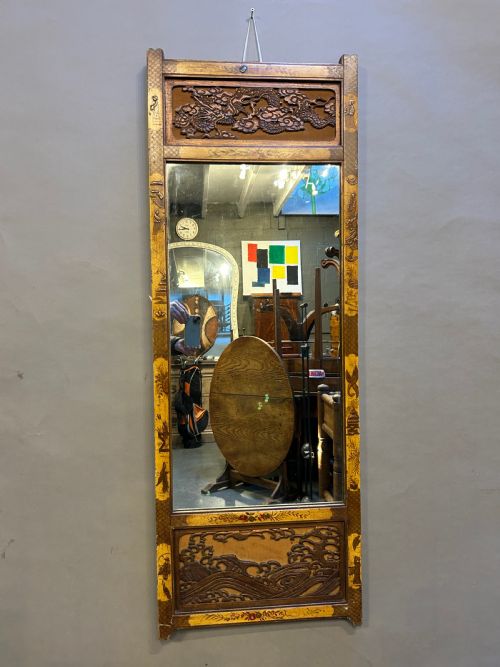
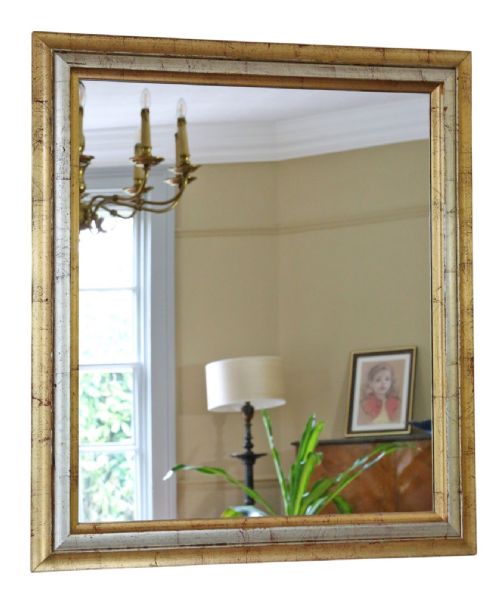
The most common examples on this page are giltwood and walnut frames, often featuring carved ornamentation such as scrolls, flowers, and Chinoiserie motifs. These domestic accessories have served as both practical looking glasses and decorative focal points in British interiors for generations.
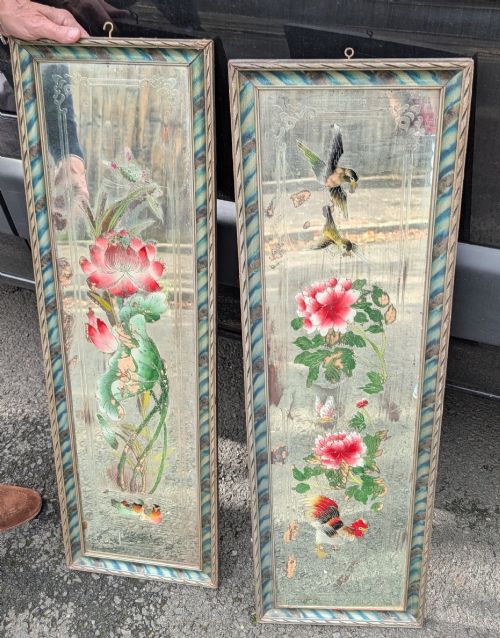
Some variations incorporate reverse paintings on glass or silk embroidered covers, demonstrating the broad scope of historic wall decor. Whether you find an oak-framed Edwardian piece or an 18th-century walnut design, each object reflects the prevailing aesthetic of its decade.
Materials and construction methods
Craftsmen built these frames using dense hardwoods like mahogany, walnut, and oak, alongside softer timbers prepared for surface decoration. Giltwood and gesso surfaces required meticulous application of gold leaf over layered plaster grounds, creating the luminous finishes seen on Regency and Victorian examples.
Joinery techniques varied from simple pegged mortise and tenon frames in oak to intricate fret-cut scrollwork sawn from layered mahogany or walnut. Mirror glass itself was historically bevelled or silvered by hand, and replacement plates remain common in pieces that have survived centuries of use.
Distinctions in craftsmanship and preservation
The division between standard and superior pieces rests on the crispness of the hand-carved ornamentation and the integrity of the original gilt or wood finish. Finer examples display deep, undercut carving on gesso and timber rather than cast composition mouldings.
Original glass plates with historic foxing and untouched backboards elevate a piece above those with modern replacements. The balance of proportion in fret-cut frames and the preservation of the original gilding dictate the standing of any given mirror.
The Traditional Wall Hanging Mirror Glossary
- Giltwood
- Wood, typically pine or gesso-coated timber, covered in thin sheets of gold leaf. This finish defines the ornate appearance of many period looking glasses.
- Gesso
- A plaster-like mixture applied to wooden frames as a smooth base for gilding. It allows artisans to carve intricate relief details before applying gold leaf.
- Fret cut
- A thin board pierced with decorative patterns using a fretsaw. This technique creates the delicate, pierced silhouettes found on Georgian revival walnut frames.
- Pier mirror
- A tall glass designed specifically to hang on the wall space between two windows. These pieces often feature matching console tables beneath them.
- Overmantle
- A wide mirror made to hang directly above a fireplace mantelpiece. They frequently incorporate large scale gesso frames and three-plate glass configurations.
Traditional Wall Hanging Mirror: Frequently Asked Questions
How do I hang a heavy antique mirror safely?
Heavy antique frames require robust fixings secured directly into wall studs or masonry rather than standard plasterboard anchors. Professional mirror hangers utilise heavy-duty D-rings and steel wire rated well above the weight of the timber and glass.
Ensuring the weight distributes evenly across the frame prevents warping of the historic wood joints over time.
Can I place a gilt mirror in direct sunlight?
Intense direct sunlight can degrade historic giltwood surfaces and dry out aged timber frames. Ultraviolet rays also accelerate the deterioration of old mirror plates and backing papers.
Positioning your piece where it catches ambient room light rather than harsh rays preserves both the finish and the silvering.
How do I clean antique mirror glass?
Historic glass requires gentle cleaning with a soft microfibre cloth and minimal moisture. Avoid spraying commercial ammonia-based cleaners directly onto the plate, as liquid can seep behind the glass and damage the silvering.
Applying distilled water or a mild conservation cleaner to the cloth first protects the surrounding wood and gesso.
What does a replacement glass plate mean?
Many historic frames have received new mirror glass over the centuries due to breakage or the silvering degrading beyond recovery. While original glass adds collector value, a replacement plate often makes the mirror more usable for daily reflection.
Inspect the rebate at the back of the frame to understand whether the glass is contemporary to the woodwork.