
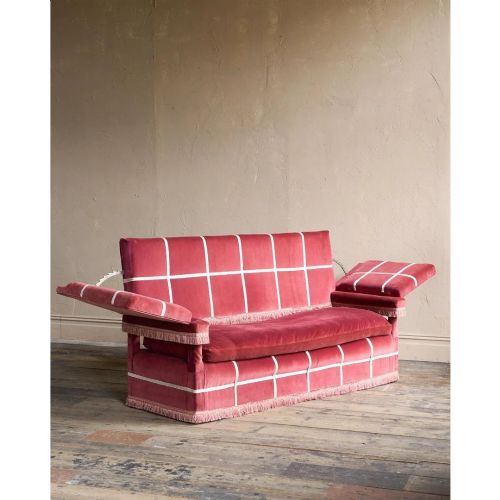
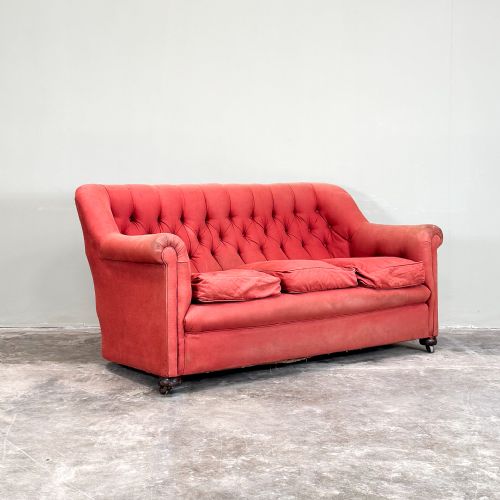
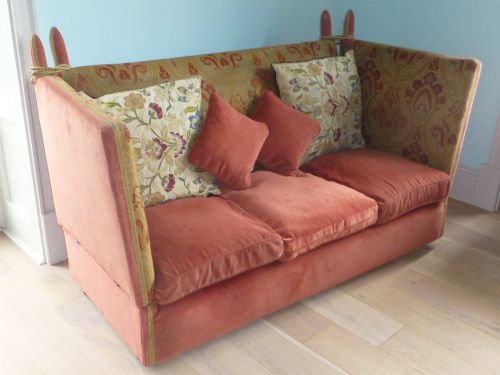


Traditional Velvet Sofa
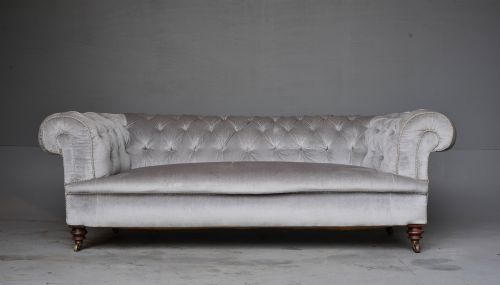
A traditional velvet sofa brings deep comfort and formal presence to a room, spanning styles from Victorian buttoned frames to English country house Chesterfields.
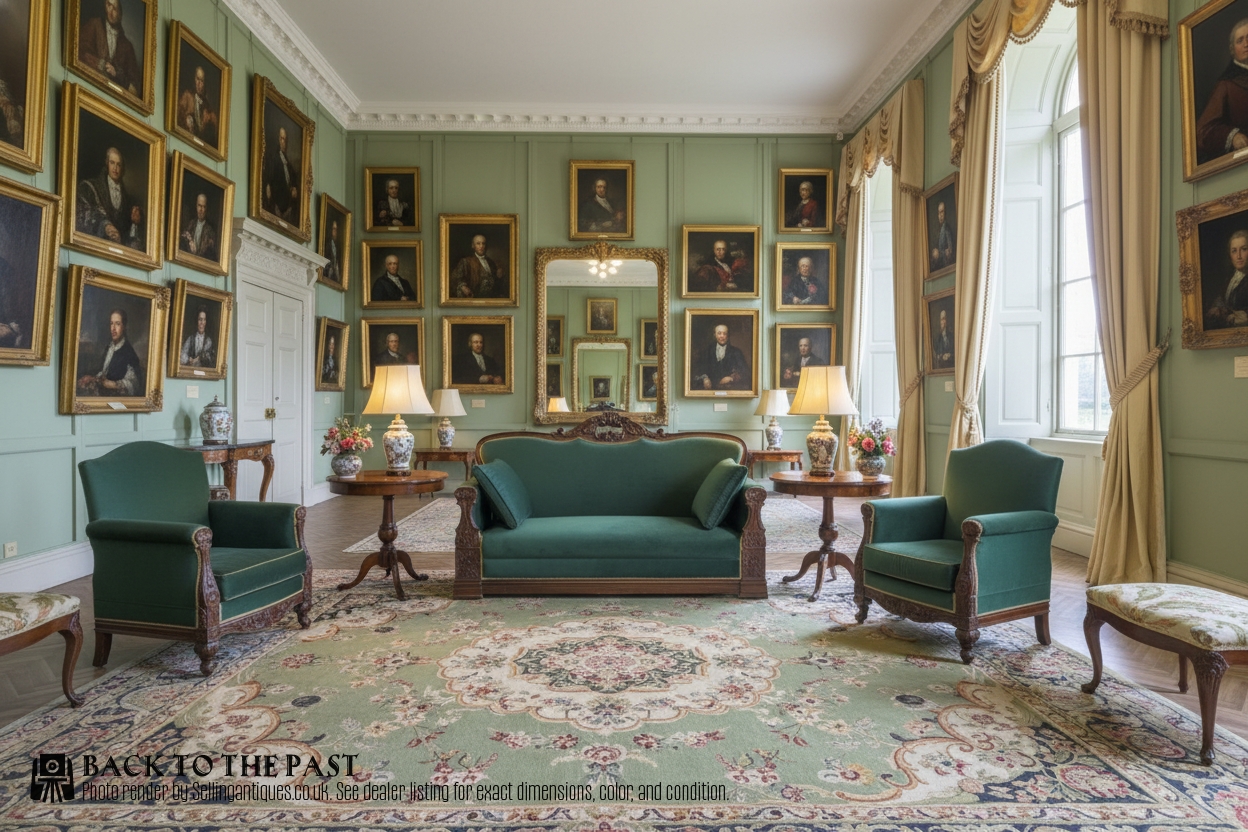
Traditional Velvet Sofa
A traditional velvet sofa encompasses a broad range of historic seating forms, from nineteenth-century Victorian Chesterbacks and double-ended settees to early twentieth-century Knole sofas with adjustable drop arms. These pieces serve as substantial living room focal points, combining generous seat proportions with tactile pile upholstery.
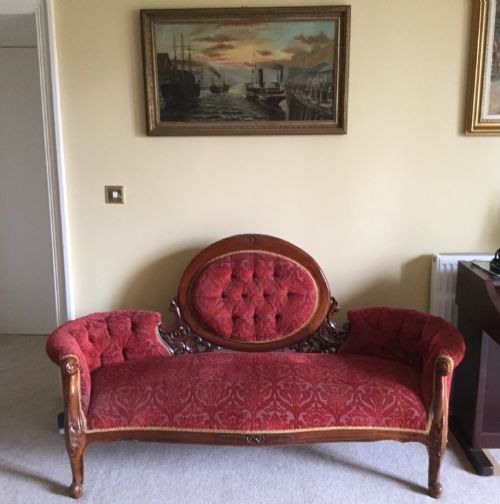
The most common examples on this page date from the nineteenth century through the Edwardian period, often reflecting Victorian Rococo Revival or Georgian styling. Buyers encounter sturdy mahogany, walnut, and rosewood frames paired with rich fabrics, alongside specialised forms such as chaise longues, day beds, and drop-end settees.
Makers such as Howard and Sons, Holland and Sons, and Hampton and Sons appear among these historic seating options, alongside country house designs and Chinese Chippendale revival pieces. Such items range from intimate two-seater reception pieces to large three-seater suites complete with matching armchairs.
How they were made
Frames are constructed from dense timbers including mahogany, walnut, rosewood, and general hardwood timber, providing structural integrity for heavy sprung seat bases. Exposed woodwork frequently displays carved detailing, ball and claw feet, or turned legs.
Upholstery relies on traditional techniques utilising deep-pile velvet, brocade, and fabric over sprung foundations, occasionally finished with buttoning, brass tacks, or tassel trims. Adjustable mechanisms on drop-arm and drop-end models rely on robust internal metal and wood framing to sustain regular movement.
The selection includes open-arm settees, three-piece suites, and day beds upholstered in velvet, brocade, and leather.
What varies in quality
The integrity of the underlying timber frame and the precision of the carving on woods like mahogany and walnut dictate the baseline standard of a piece. Finer examples retain original show-wood components with crisp proportions and uncompromised structural joints.
The grade of the upholstery materials, such as deep-pile velvet and brocade, combined with the execution of traditional buttoning and sprung base construction, separates standard production items from workshop pieces bearing attribution to makers like Howard and Sons.
Howard and Sons·Holland and Sons·Hampton and Sons
The Traditional Velvet Sofa Glossary
- Knole sofa
- A historic sofa style featuring high, hinged arms that can be dropped or adjusted to various angles using traditional cords and wooden supports. It typically appears upholstered in rich velvet with exposed brass finials.
- Chesterfield sofa
- A classic deep-tufted or button-backed seating form with arms and back of the same height. This design provides formal upright support and remains a staple of country house interiors.
- Chaise longue
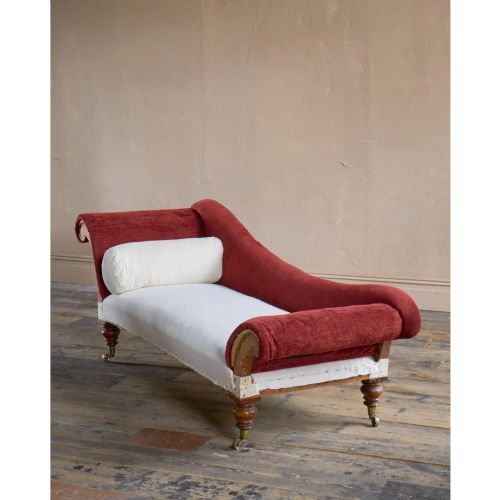
- An elongated upholstered chair designed for reclining, combining the backrest of a sofa with the seat length of a day bed. Examples range from Victorian salon pieces to double-ended variations.
- Drop end sofa
- A settee featuring one or both arms fitted with a mechanical hinge to lower the side for lounging. These pieces offer adjustable comfort while maintaining formal proportions.
- Camelback sofa
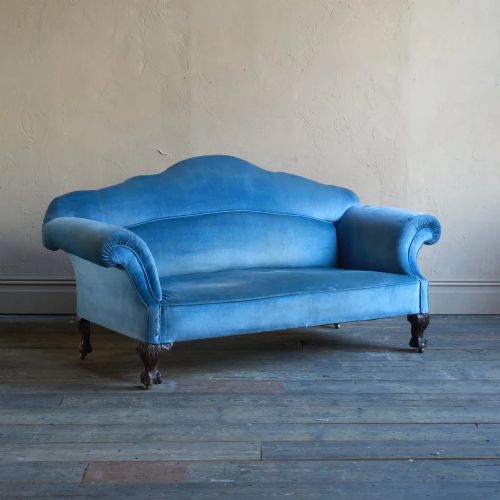
- A seating design characterised by a graceful, undulating serpentine top rail that curves upward in the centre. This style is frequently associated with Georgian and Chippendale revival woodworking traditions.
Traditional Velvet Sofa: Frequently Asked Questions
What is a Knole sofa?
A Knole sofa is a traditional seating design characterised by high ends and adjustable arms held in place by cords and wooden posts. It provides a formal silhouette that can be altered by lowering the sides.
These pieces are frequently upholstered in heavy velvet and suit period drawing rooms or traditional library spaces.
Are these sofas comfortable for daily use?
Many historic pieces utilise traditional sprung bases and deep-seated cushions designed for sustained sitting. Comfort levels depend on the condition of the internal webbing and upholstery support.
Buyers often select these items for daily living rooms, though some antique frames benefit from professional reupholstery to restore their original padding.
How do I care for antique velvet?
Velvet upholstery requires regular brushing with the grain to maintain the pile and prevent flattening. Professional dry cleaning or specialist fabric care is recommended for treating marks on historic textiles.
Keeping these sofas away from direct sunlight protects the richness of the claret, green, or blue velvet tones.
What is a drop-end sofa?
A drop-end sofa includes a mechanical hinge on one or both arms, allowing the side to fold downward into a reclining position. This function combines the utility of a day bed with the upright seating of a standard settee.
Victorian and Edwardian examples often employ brass mechanisms hidden beneath velvet or brocade upholstery.