

Traditional Upholstered Wingback
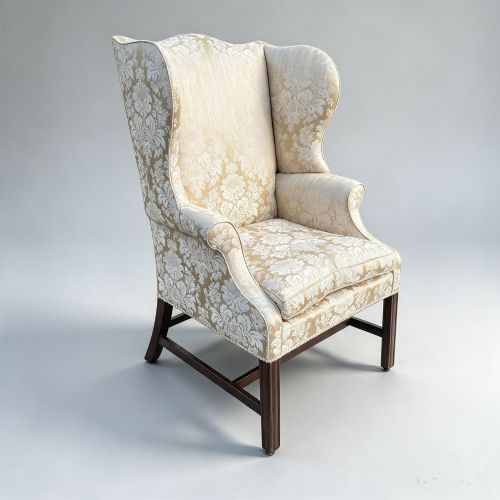
A traditional upholstered wingback is an armchair designed to shield the sitter from draughts, offering comfort through high wings and deep cushioning.
Traditional Upholstered Wingback
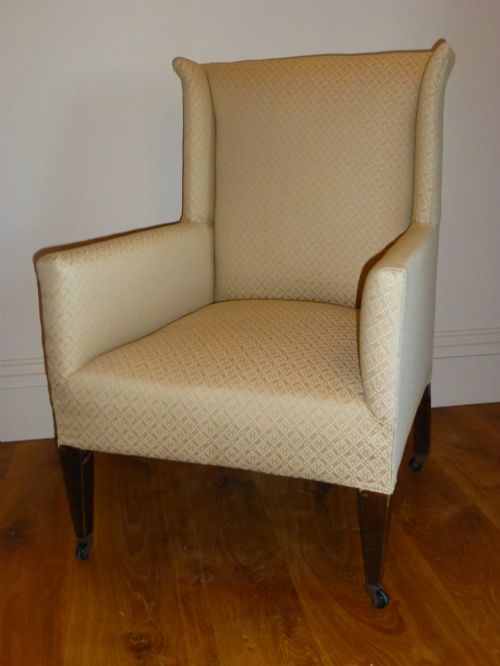
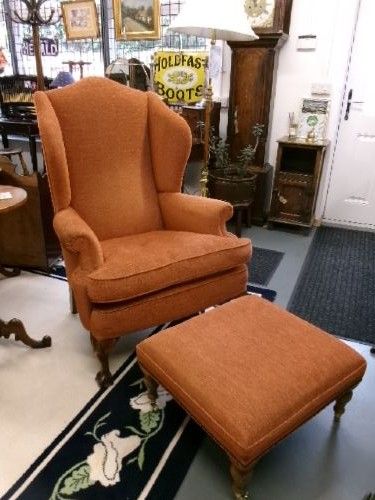
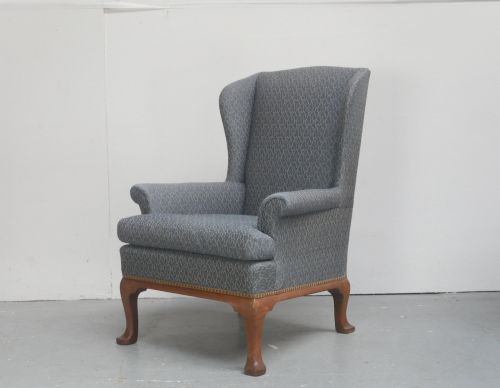
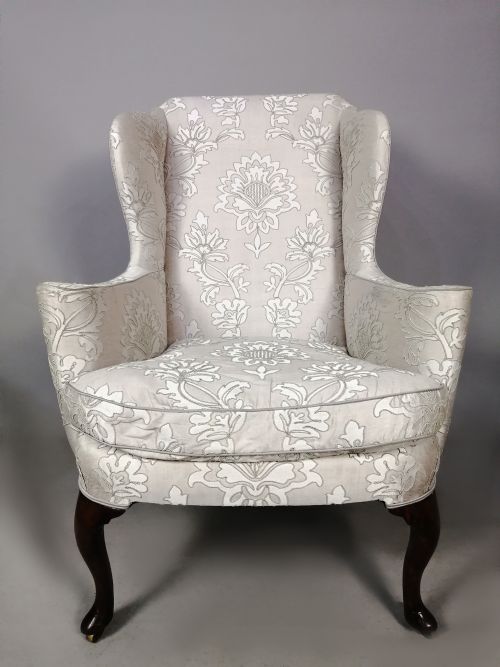
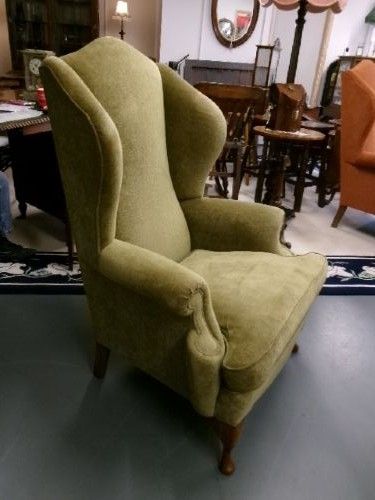
When searching for a traditional upholstered wingback, a buyer encounters seating designed primarily for drawing rooms and libraries, with examples spanning from the 18th century through to the 1930s. The selection includes individual armchairs, occasional seating, and occasional sofas or settees.
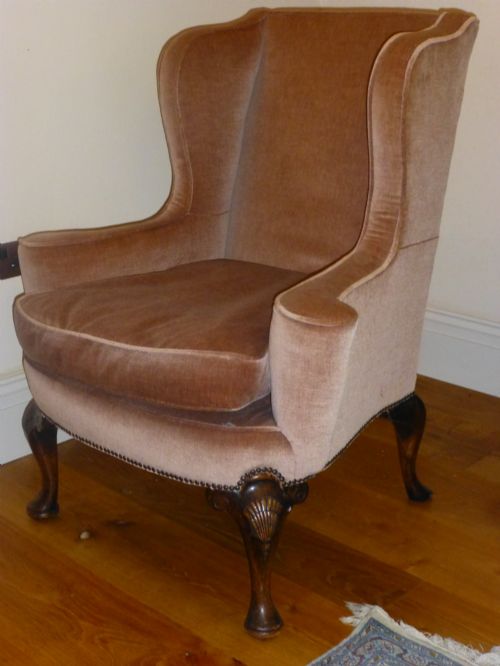
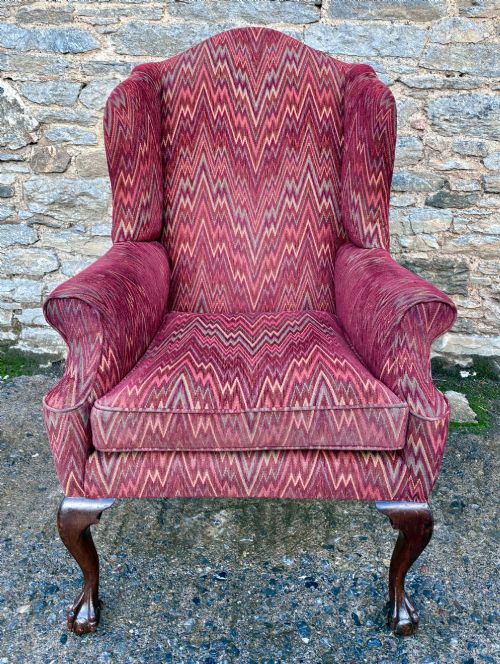
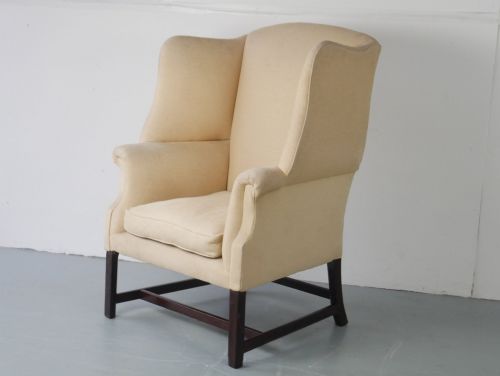
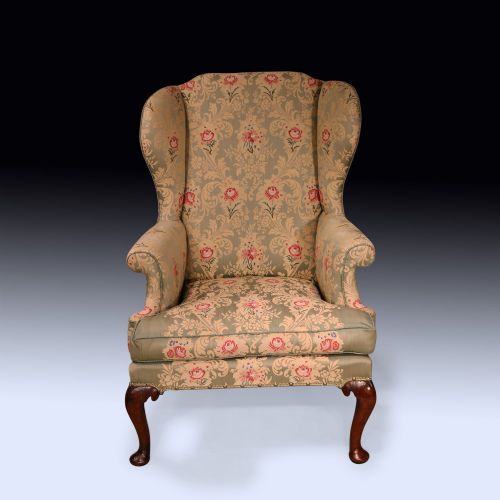
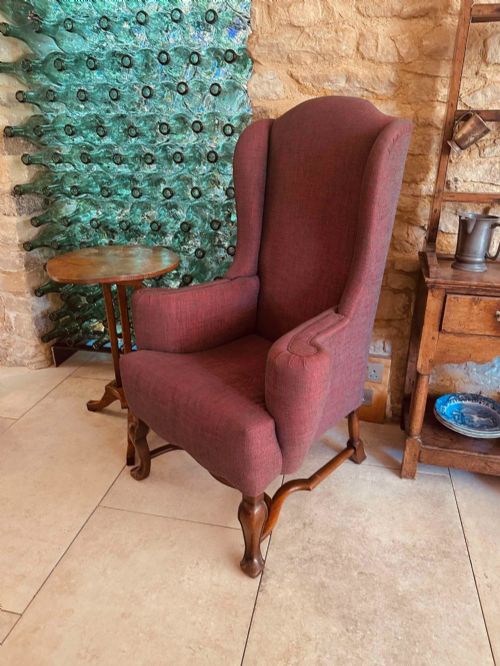
Most pieces seen here date from the 19th and early 20th centuries, including Edwardian and Victorian interpretations alongside Georgian originals and later revivals in the Queen Anne and Chippendale styles. These pieces range from standard proportions to large scale armchairs and child's chairs.
How they were made
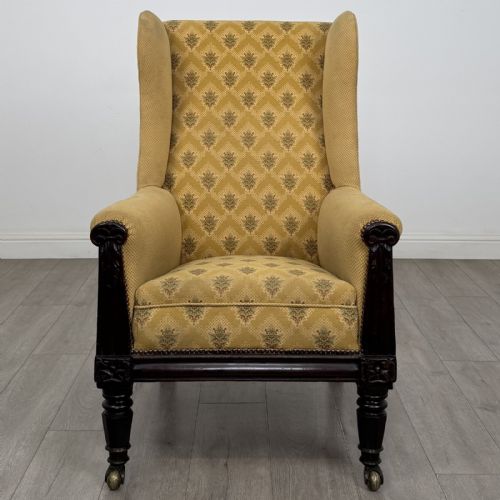
Frames are constructed from hardwoods such as mahogany, walnut, oak, and general timber, providing structural integrity beneath the upholstery. Brass accents occasionally appear on castors or decorative details.
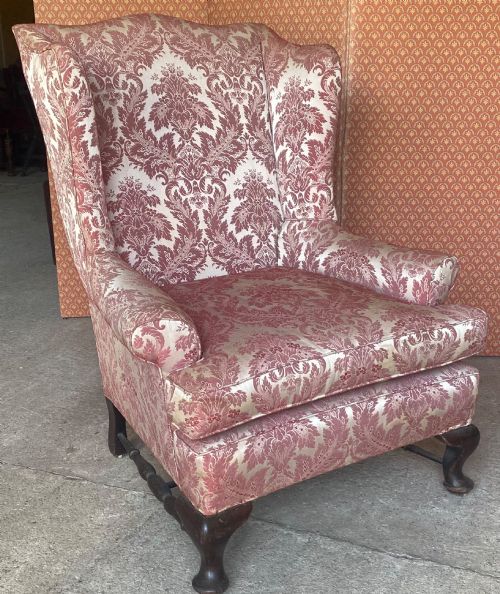
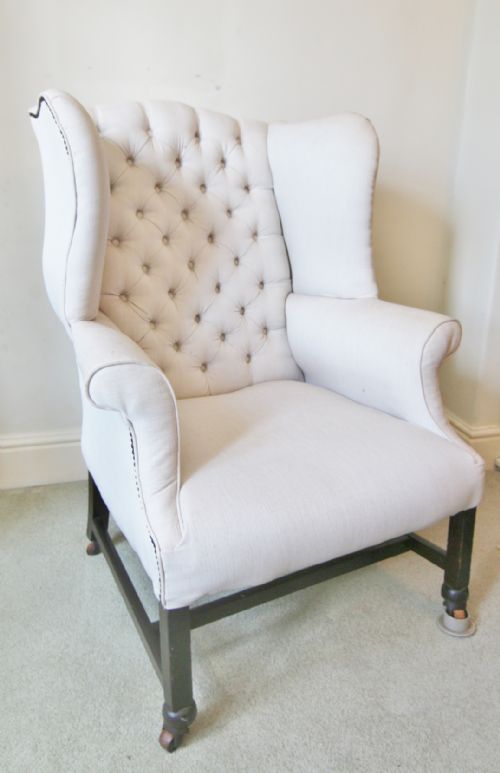
Upholstery techniques utilise fabric, velvet, chenille twill, and calico, often mounted over traditional sprung or stuffed interiors. Wood framing is polished or left in its natural timber state.
Traditional Upholstered Wingback Retail Price Guide 2026
Typical asking prices for traditional upholstered wingback among the pieces listed under this phrase on Sellingantiques today, from the lower quarter to the upper quarter. They describe what is for sale here now, not the wider market.
Even the household cat eventually concedes that a deep-winged armchair offers superior monitoring posts for garden squirrels.
What varies in quality
The refinement of the timber framework and the accuracy of period stylistic revivals dictate the distinction between standard production and superior craftsmanship. Early examples demonstrate careful proportioning in the scroll of the arms and the sweep of the wings.
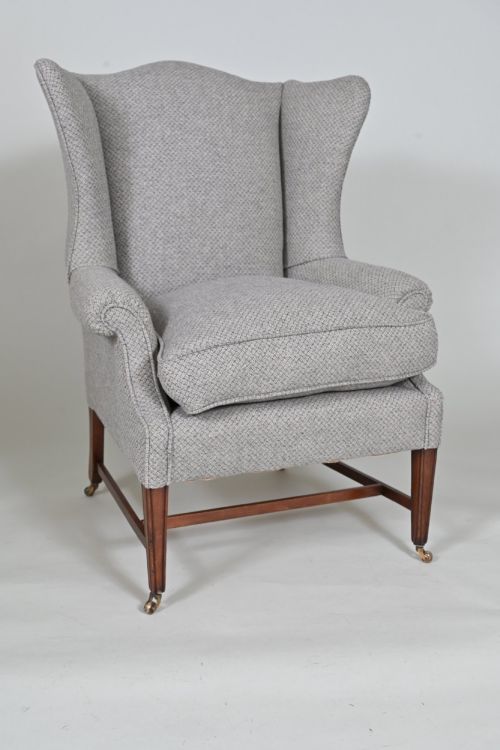
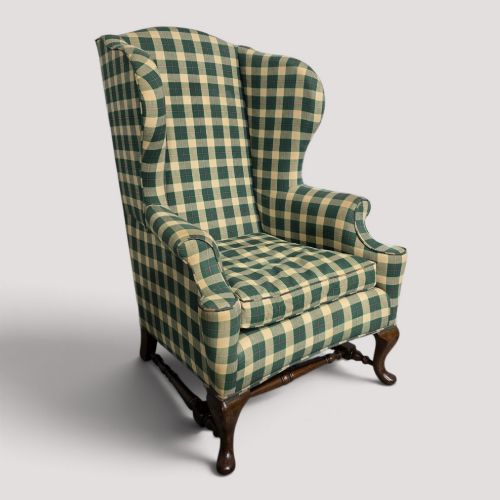
The choice of covering material, ranging from plain calico to patterned wool plaid and velvet, influences the visual weight of the chair. Frames built from dense hardwoods like walnut or mahogany maintain stability better than softer woods over centuries of use.
Howard And Sons
The Traditional Upholstered Wingback Glossary
- Wingback
- An armchair featuring high side panels attached to the arms designed to enclose the head and block cold draughts. This form evolved during the late 17th and early 18th centuries.
- Bergere
- An enclosed upholstered armchair with wooden framing exposed around the sides and back. This French form gained popularity during the 18th and 19th centuries.
- Settee
- A long upholstered seat with a back and arms designed for multiple occupants. These pieces mirror the stylistic details of contemporary armchairs.
- Chippendale Style
- Furniture designs inspired by the aesthetic of Thomas Chippendale, characterised by carved mahogany woodwork and graceful cabriole legs. Revival versions appeared frequently during the 19th and early 20th centuries.
- Queen Anne Style
- A style defined by curved lines, pad feet, and smooth walnut surfaces without excessive ornamentation. Revival pieces replicate these domestic proportions from earlier eras.
Traditional Upholstered Wingback: Frequently Asked Questions
What is a traditional upholstered wingback?
A traditional upholstered wingback is a high-backed armchair featuring protruding side wings designed to retain heat from a fireplace and protect the sitter from draughts.
These chairs range from 18th-century Georgian originals to 19th-century Victorian interpretations and 1930s revival pieces covered in modern wool or traditional velvet.
How do I identify an 18th-century wingback?
Eighteenth-century examples typically display hand-carved mahogany or walnut frames with subtle proportions and exposed timber legs.
Later Victorian and Edwardian iterations often feature heavier framing, different upholstery fabrics, and machine-made internal structures.
Where were wingback chairs used?
These chairs were traditionally placed near hearths in living rooms, libraries, and drawing rooms to provide warmth and private seating.
Today, they function as reading chairs or statement seating in studies and sitting rooms.
What materials cover these chairs?
Upholstery materials seen across these pieces include velvet, calico, chenille twill, and patterned wool plaids.
Underneath the fabric, frames are built from solid hardwoods like mahogany, walnut, and oak.