
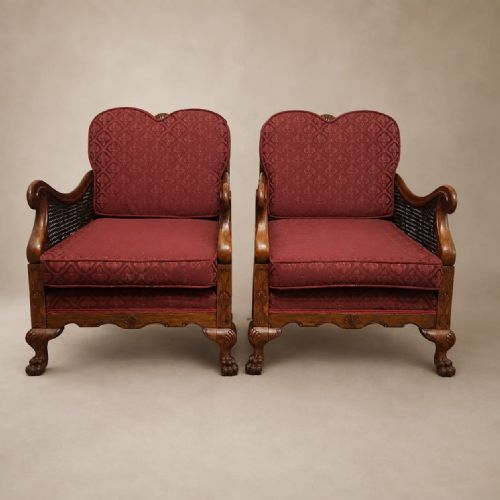
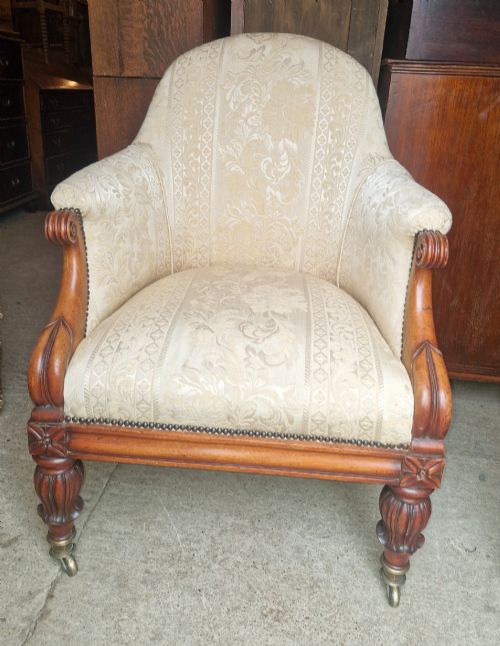
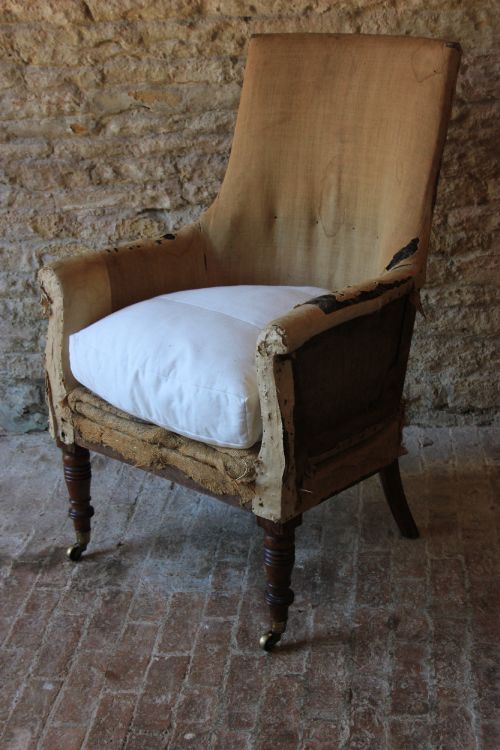
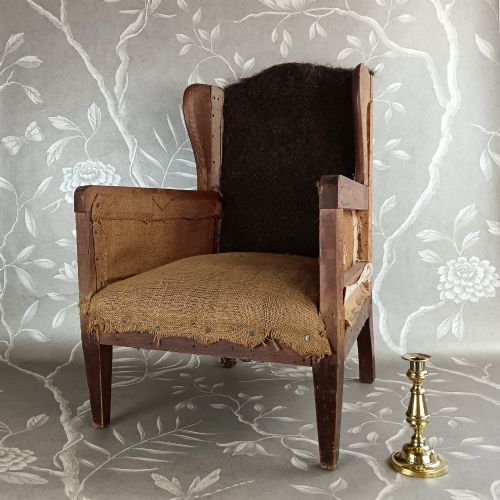
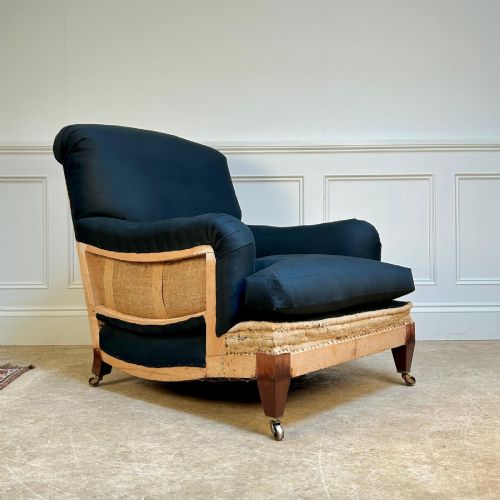
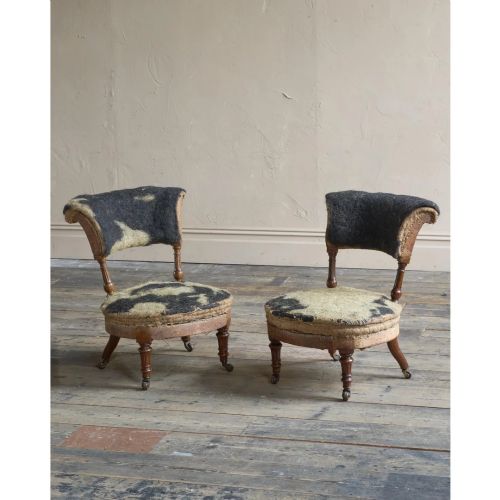
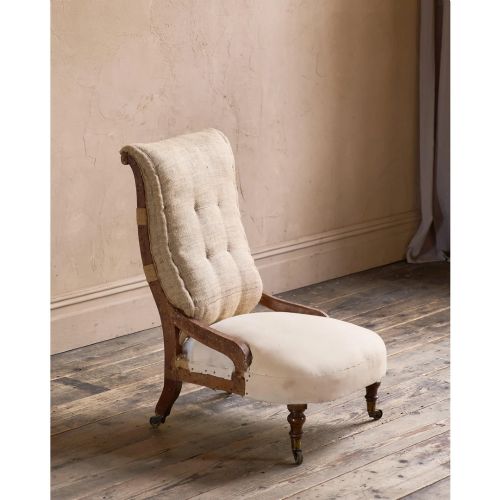
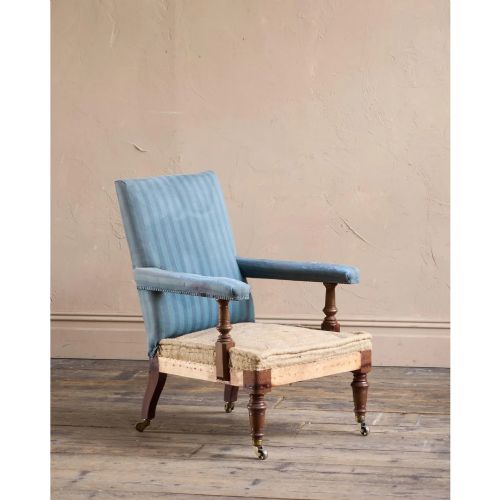
Traditional Upholstered Chair Frame
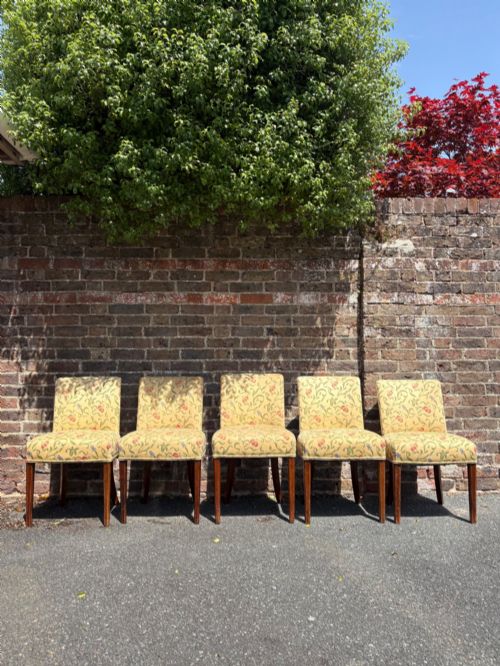
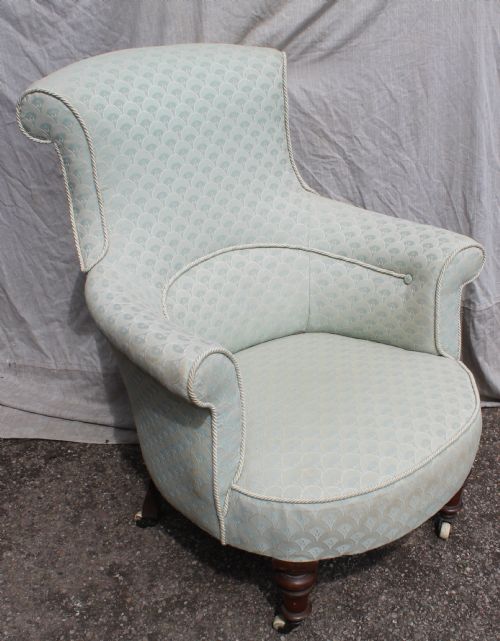
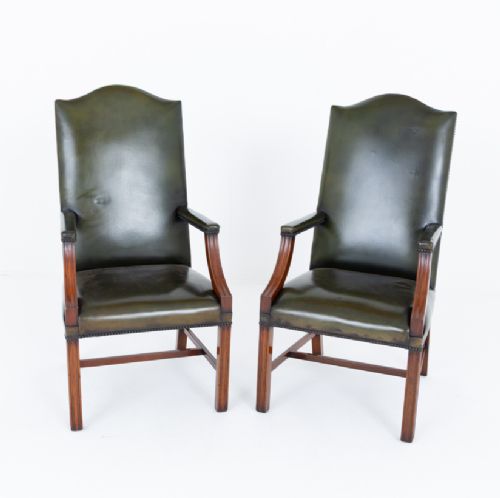
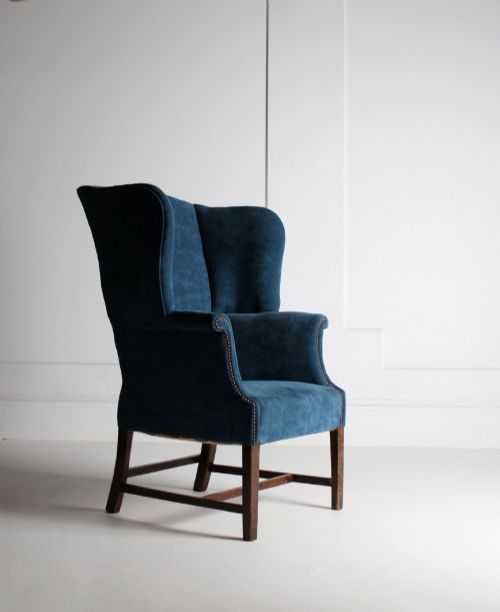
A traditional upholstered chair frame offers the structural bones for bespoke seating, ranging from Georgian mahogany dining chairs to Victorian armchairs.
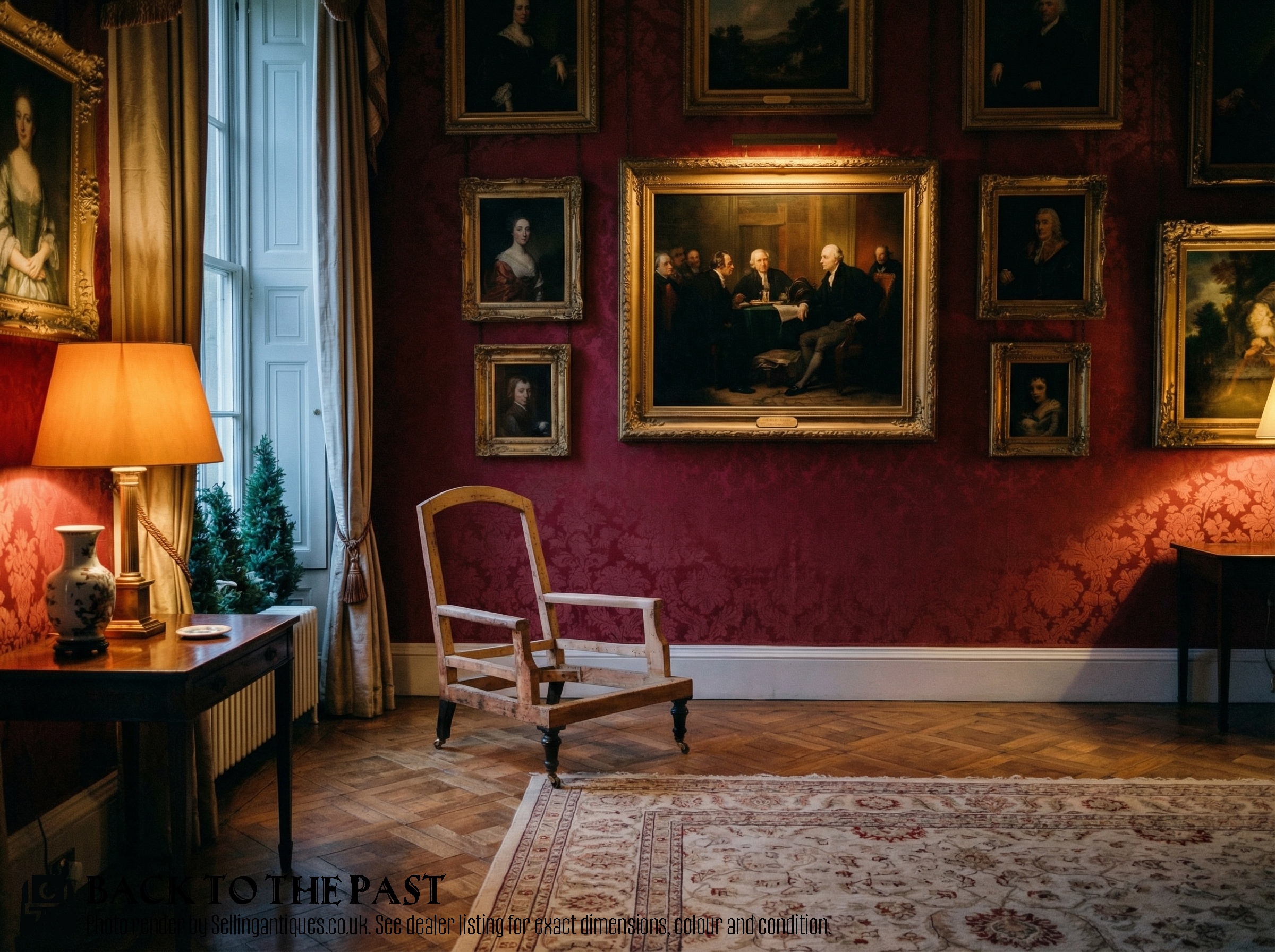
Traditional Upholstered Chair Frame
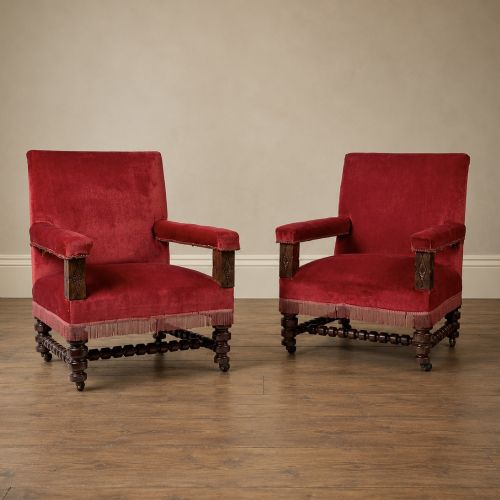
When you search for a traditional upholstered chair frame, you encounter the foundational woodwork and internal webbing of period seating before final top-covers are applied. These pieces span dining chairs, library armchairs, nursing chairs, and larger settees from the eighteenth through to the twentieth century.
How they were made
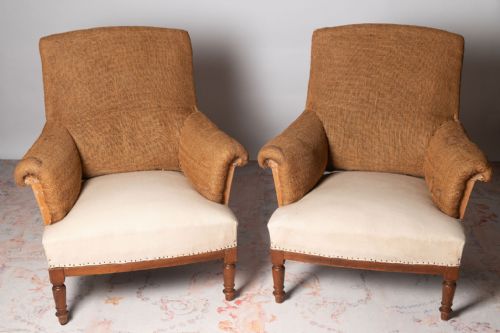
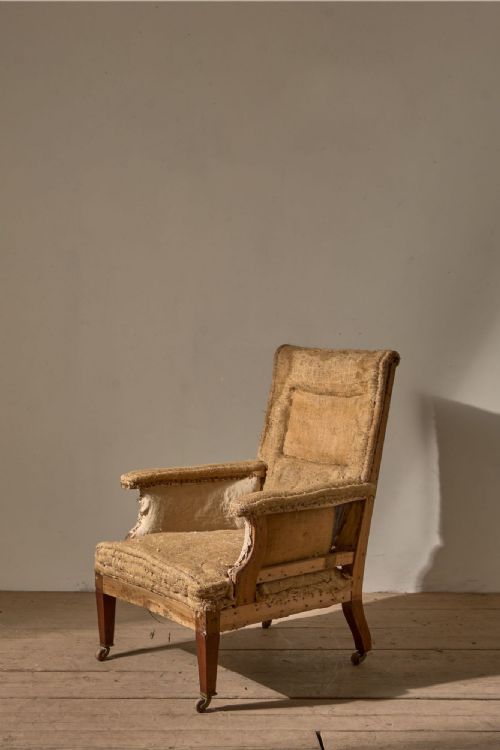
Internal upholstery relies on traditional textile layers including hessian and calico to support the springs and padding before any decorative top fabric is fitted.
Listings span eight distinct periods from the eighteenth century through to 1930, utilising mahogany, walnut, oak, and brass.
What varies in quality
Quality rests in the precision of the timber joinery and the integrity of the underlying wooden frame rather than the superficial fabric covering. Heavier timbers like mahogany and walnut show superior durability compared to softer woods.
The distinction between standard production and fine maker pieces lies in the sculptural grace of the carved show-frame and the robustness of the structural joints.
Howard and Sons·Morison and Co
The Traditional Upholstered Chair Frame Glossary
- Show-frame
- The exposed wooden portion of an upholstered chair that remains visible around the padding and fabric. This decorative woodwork defines the stylistic period of the seating.
- Hessian
- A coarse woven fabric utilised as a sturdy foundation layer for internal upholstery webbing and stuffing. It provides tension and support beneath the calico and top covers.
- Calico
- A plain-woven cotton textile stretched over the stuffing of a chair to hold the shape before the final decorative fabric is applied. It conceals internal webbing and animal hair.
- Bergere
- An enclosed armchair featuring woven cane panels on the back and sides within a wooden frame. Originating in France, these pieces often incorporate walnut structures.
- Wingback
- An armchair featuring protective side panels attached to the arms or back to deflect draughts. Early examples frequently employ oak or mahogany framing.
Traditional Upholstered Chair Frame: Frequently Asked Questions
What is a traditional upholstered chair frame?
It is the structural wooden skeleton of a period seat, often exposed as a show-frame or prepared with internal hessian and calico webbing.
These pieces allow buyers to restore or recover historic armchairs, dining seats, and sofas using authentic period forms.
How do I identify the period?
Period identification relies on wood selection, such as Georgian mahogany or Victorian oak, alongside stylistic details like cabriole legs or carved show-frames.
Comparing the structural silhouette against documented nineteenth and early twentieth century designs clarifies the exact era.
Are frames sold ready for upholstery?
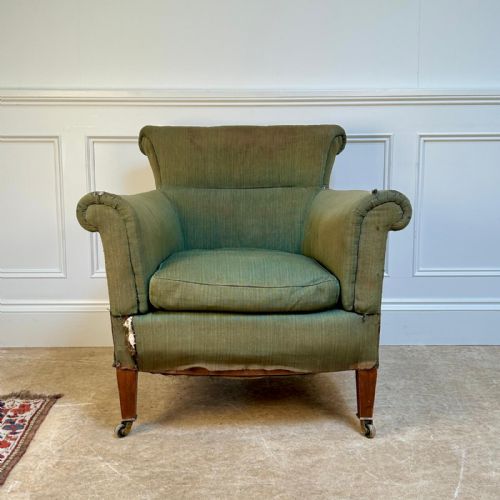
Many listings present frames stripped back to hessian and calico foundations, while others retain older fabrics or leather.
Buyers should examine the specific condition notes to determine whether webbing or interior stuffing requires replacement.
Which woods were commonly used?
Mahogany and walnut appear frequently across eighteenth and nineteenth century library and dining chairs.
Oak and rosewood also feature prominently in Victorian and Edwardian armchairs and chaise longues.
Can I use modern fabrics on them?
Historic frames accept modern textiles easily provided the internal webbing and padding meet current safety standards.
Traditional calico foundations offer a stable base for applying contemporary or period-accurate top fabrics.