


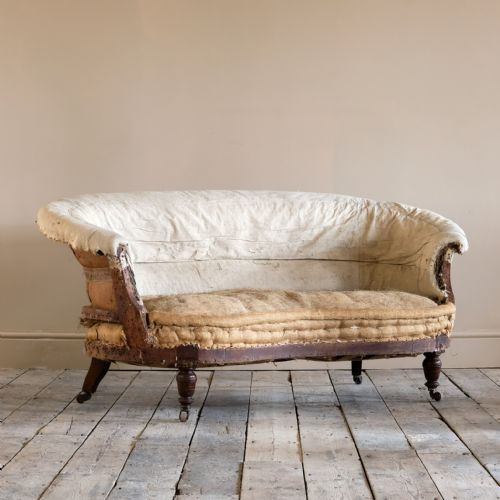
Traditional Two Seater Sofa
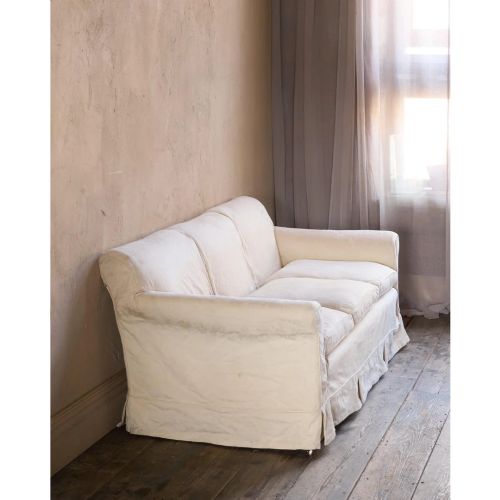
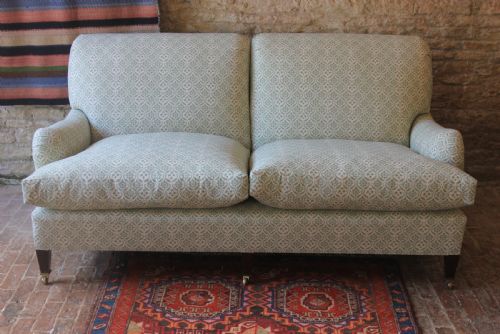
A traditional two seater sofa brings architectural presence and deep comfort to a room, offering compact seating rooted in nineteenth and early twentieth century cabinetmaking.
Traditional Two Seater Sofa
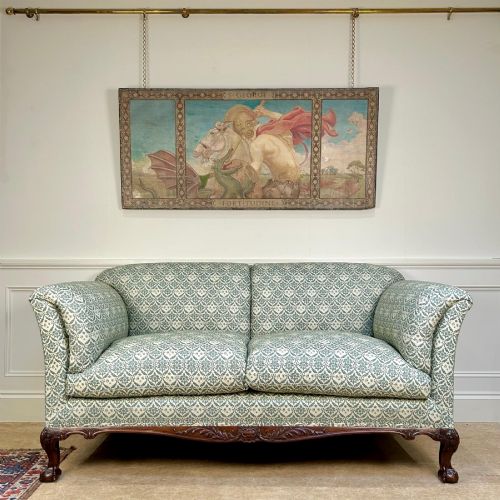
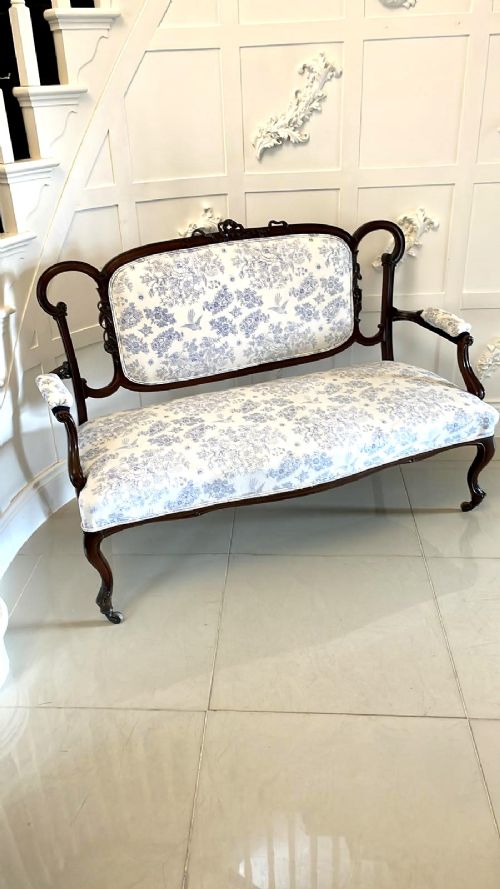
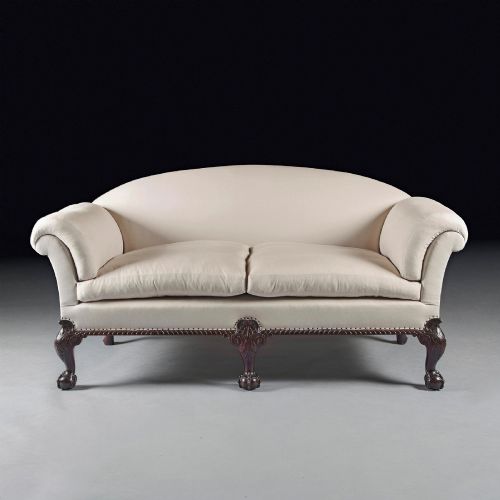
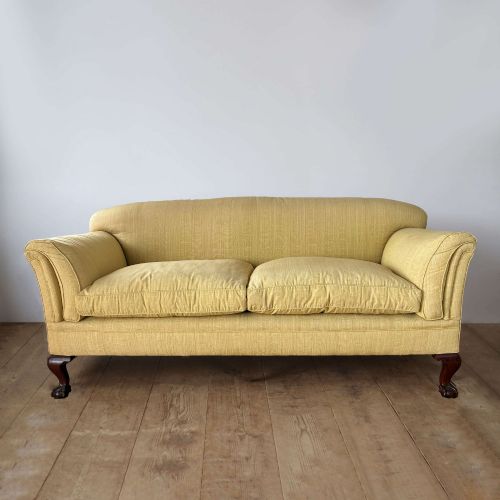
When you search for a traditional two seater sofa, you encounter compact upholstered settees designed for drawing rooms, parlours, and country house interiors. These pieces span the Victorian, Edwardian, and early twentieth century periods, reflecting classical revivals from Queen Anne to Chippendale.
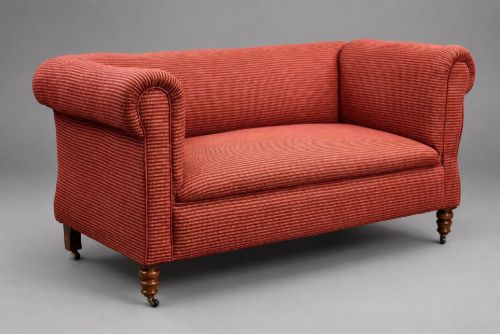
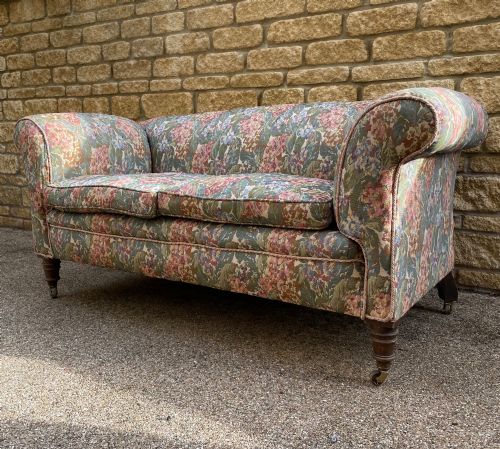
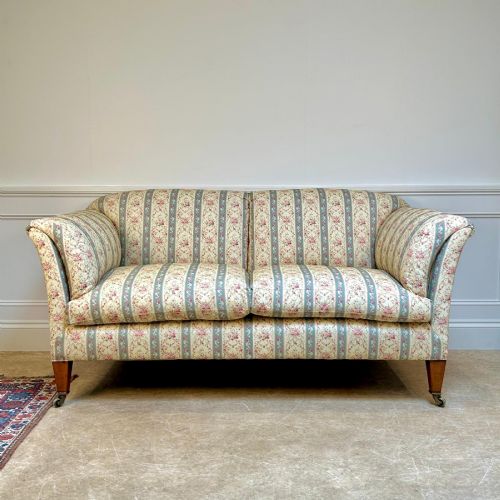
The version you are most likely to meet on this page is an upholstered wood framed settee or drop arm couch. They appear in styles ranging from English Country House and French Country to Arts and Crafts, combining sturdy timber frames with sprung or horsehair interiors.
How They Were Made
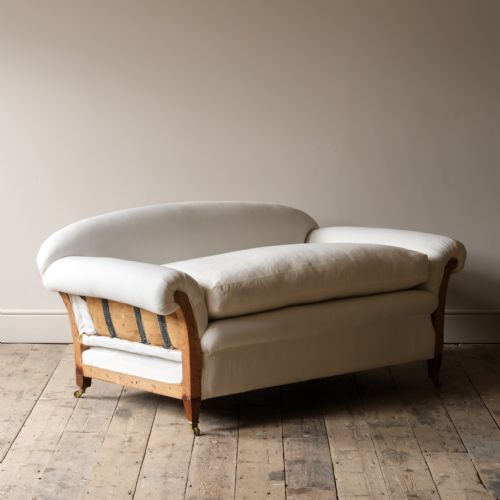
Frames rely on dense timbers like mahogany, walnut, oak, and satinwood, often shaped with hand carving or supported on turned wooden legs with brass castors. Joinery techniques from the nineteenth and early twentieth centuries ensure structural rigidity beneath the upholstery.
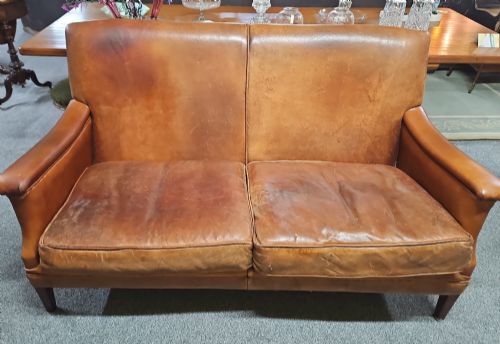
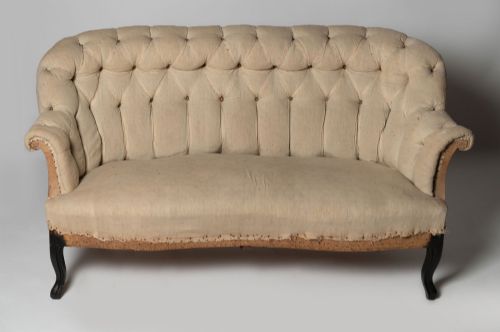
Internal stuffing frequently utilises horse hair, paired with traditional ticking or hand dyed leather, upholstery fabric, and brass detailing. Drop arm mechanisms and button back tensioning add mechanical and visual complexity to the seating.
Listings feature timbers such as mahogany, walnut, oak, and satinwood paired with brass fittings.
What Varies in Quality
The distinction between ordinary production and top tier maker output rests in the integrity of the frame construction and the fidelity of the carved details. Fine walnut or mahogany frames display crisp lines and substantial weight, whereas lesser examples employ simpler timbers.
Upholstery execution and material choice dictate the enduring character of each piece. Original horse hair fill, hand dyed leather, and branded ticking elevate a settee above standard re-covered variants.
Howard & Sons·Hampton & Sons
The Traditional Two Seater Sofa Glossary
- Drop arm
- A functional mechanism allowing one end of the sofa to lower into a chaise configuration. This provides adjustable comfort for reclining.
- Show frame
- An exposed wooden structural skeleton surrounding the upholstered sections of the sofa. It highlights the grain and carving of the timber.
- Horse hair fill
- A traditional stuffing material derived from equine manes and tails used for durable internal padding. It offers firm, resilient support.
- Ticking
- A tightly woven, durable cotton or linen fabric traditionally used as a base cover for upholstery stuffing. It prevents internal fibres from escaping.
Traditional Two Seater Sofa: Frequently Asked Questions
How do I identify an Edwardian sofa?
Edwardian sofas usually date from the early twentieth century and often exhibit lighter satinwood or walnut frames. They frequently lean towards English Country House aesthetics with comfortable, deep seating.
Look for refined turned legs, brass castors, and upholstery styles that favour relaxed drawing room elegance over heavy Victorian ornamentation.
Are these sofas suitable for daily use?
Many of these pieces were constructed with robust hardwood frames and traditional horse hair fill intended for active household living. Their solid timber frames offer enduring structural integrity.
Depending on whether the upholstery is historic or recently restored, daily comfort can range from firm traditional support to plush lounging.
How do I care for leather upholstery?
Leather upholstered settees benefit from regular dusting and occasional conditioning to maintain the suppleness of hand dyed hides. Avoid placing them in direct sunlight to prevent drying.
Natural ageing and patina are characteristic of vintage leather, so gentle maintenance preserves the historic surface texture.