



Traditional Two Seat Sofa
A traditional two seat sofa brings enduring comfort and craftsmanship to a room, offering compact seating rooted in decades of historical design.
Traditional Two Seat Sofa
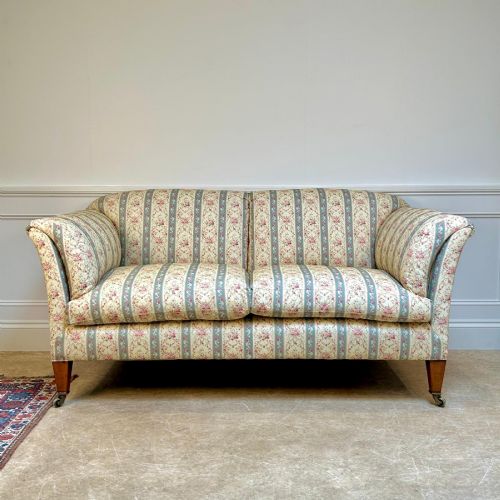
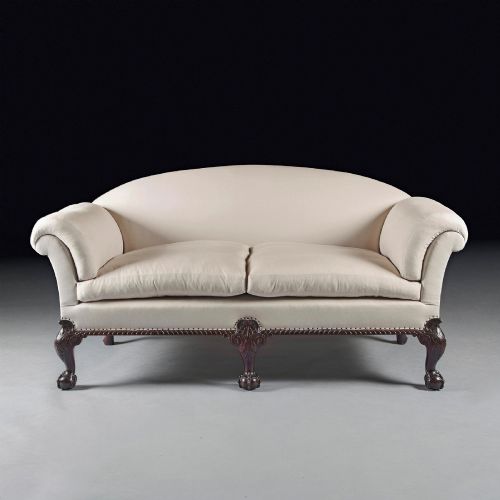
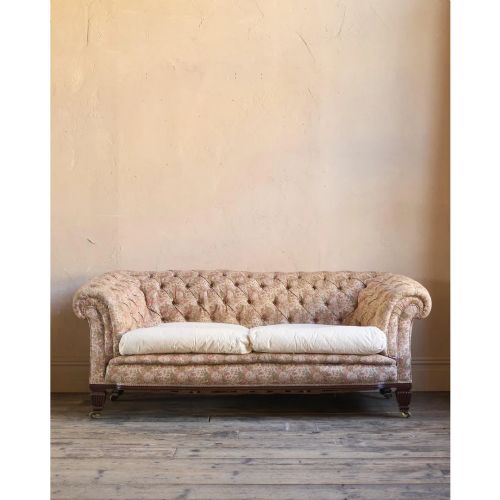
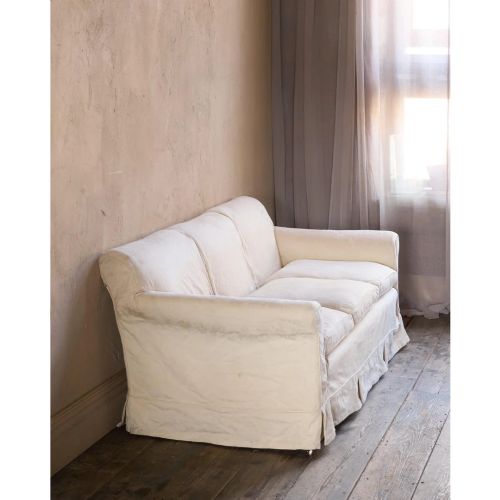
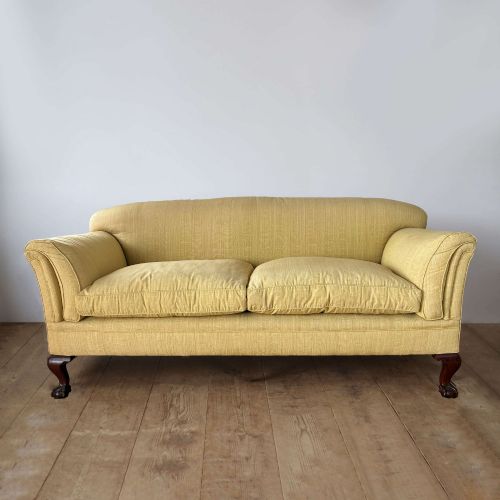
A traditional two seat sofa represents a compact seating option spanning several decades and aesthetic movements. When exploring this selection, buyers encounter pieces originating primarily from the nineteenth and early twentieth centuries, including Edwardian and Victorian examples.
The inventory includes various forms such as settees, chair-back designs, and library sofas. English country house styles and revival pieces reflect historical eras like the Georgian and Queen Anne periods.
How they were made
Maker construction relied heavily on sturdy timbers such as mahogany and walnut for frames, sometimes accented with brass details. Craftsmen shaped wood through carving and inlay techniques to create show frames and ladderback or chair-back structures.
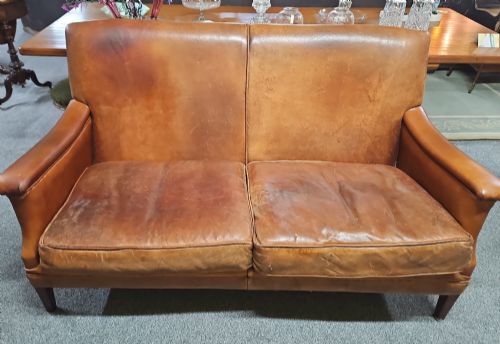
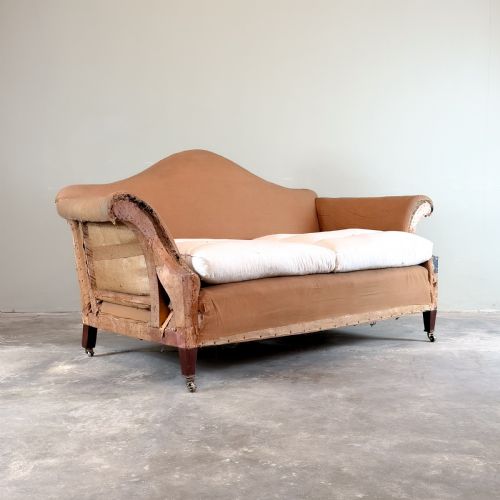
Upholstery utilised traditional materials including leather, ticking fabric, and specialised stuffing. Skilled hands secured padding and springs to ensure structural integrity and enduring support within the seat.
The selection includes Edwardian, Victorian, and Georgian styles alongside upholstered salon settees and library couches.
What varies in quality
The standard of a piece rests upon the crispness of the timber carving and the integrity of the frame construction. Superior examples display refined proportions and deliberate attention to detail in the woodwork and joinery.
Fabric choice and upholstery execution distinguish finer outputs, particularly where original ticking or hand-dyed leather remains intact. The alignment of wood grain and the finesse of inlay work separate standard workshop items from exceptional commissions.
Howard and Sons
The Traditional Two Seat Sofa Glossary
- Camel Back
- A sofa back featuring a distinctive undulating convex curve resembling a camel's hump. This profile gained popularity during the eighteenth century and persisted in later revival pieces.
- Show Frame
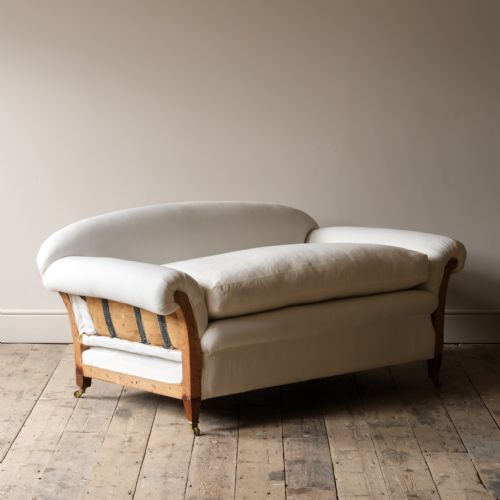
- An exposed wooden framework surrounding upholstered elements, allowing the carved wood to remain visible. This technique highlights the quality of the timber and the carver's skill.
- Ball and Claw
- A foot design depicting a bird's talon grasping a ball, commonly found on eighteenth-century and revival furniture legs. It derives from ancient Chinese motifs.
- Japanned
- European imitation of East Asian lacquering applied to furniture surfaces. The process involves multiple layers of varnish and metallic dust to achieve a glossy finish.
Traditional Two Seat Sofa: Frequently Asked Questions
How do I identify an Edwardian sofa?
Edwardian sofas typically date from the early twentieth century and often incorporate lighter timbers like mahogany with subtle inlay work. They frequently reflect comfortable country house aesthetics.
Examine the frame structure and upholstery style to determine if the piece aligns with this period of British furniture production.
How were leather sofas finished originally?
Historical leather sofas utilised hand-dyed leathers that developed rich patina over decades of use. Craftsmen often incorporated button back detailing and hand-carved floral motifs into the surrounding wood.
These finishes ensure the material ages gracefully while maintaining structural character.
Where did country house sofas originate?
Country house sofas were commissioned for large English estates, prioritizing deep seating and relaxed comfort. Makers designed them for everyday use in drawing rooms and libraries.
Their generous proportions distinguish them from more formal parlour seating.