




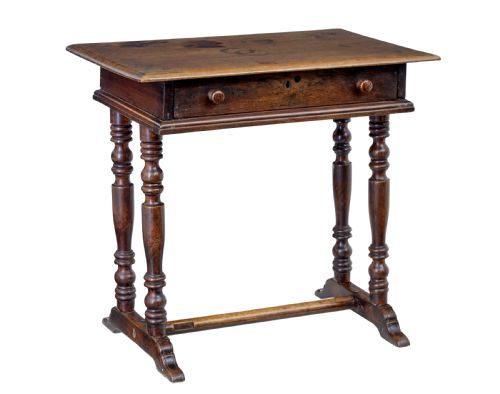

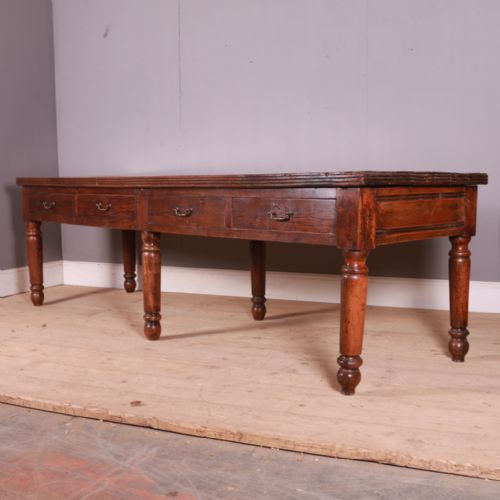
Traditional Timber Server Table
A traditional timber server table brings solid utility and understated presence to a room, drawing on centuries of provincial and formal woodworking.
Traditional Timber Server Table
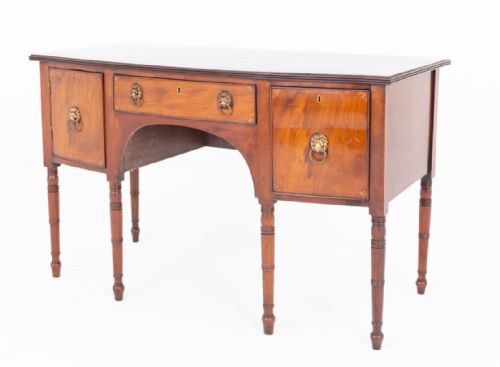
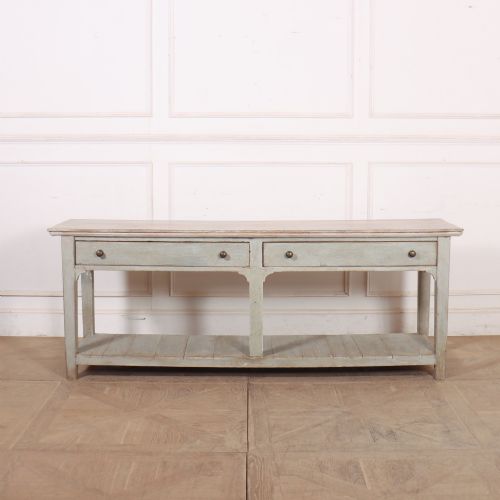
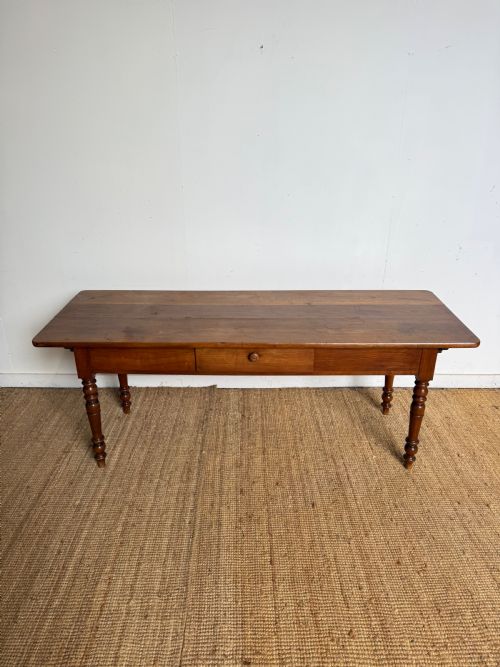
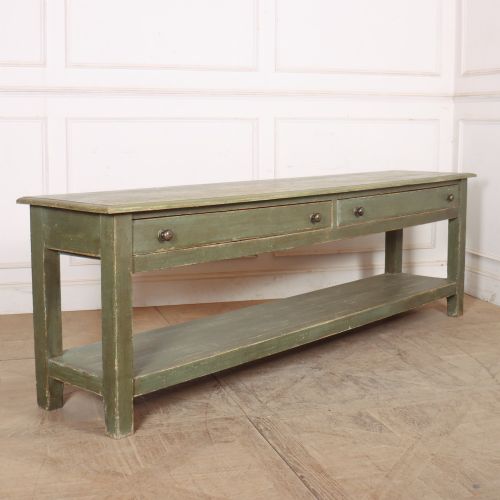
A traditional timber server table spans functional surfaces built for food preparation, serving, and storage across centuries of domestic life. When you browse for a traditional timber server table, you encounter forms ranging from formal mahogany sideboard designs to rustic farmhouse potboard dresser bases.
The pieces appearing here include Georgian mahogany examples alongside nineteenth-century painted timber and cherrywood console tables. Provincial lowboys, buffet servers, and kitchen preparation tables also populate the selection, reflecting diverse regional origins.
How they were made
Cabinet makers utilised dense hardwoods such as mahogany, walnut, and cherrywood for formal dining furniture, employing precise joinery to ensure lasting stability. Softer timbers like pine found use in provincial dresser bases and preparation tables, often finished with layers of paint.
Metal hardware such as brass handles and drawer pulls appeared on Georgian and Victorian sideboards to complement the timber grain. Painted wood surfaces frequently received hand-applied finishes, displaying the brush marks and wear characteristic of nineteenth-century domestic items.
The listings span the eighteenth and nineteenth centuries, featuring walnut, mahogany, cherrywood, and pine.
What varies in quality
The distinction between a standard utility piece and a finer example lies in the choice of timber and the sophistication of its construction. Dense hardwoods like walnut and figured mahogany command greater attention for their grain and structural integrity.
Surface treatment also defines the hierarchy, ranging from simple utilitarian pine to sophisticated hand-painted finishes on country house furniture. Original brass fittings and the preservation of aged timber patination elevate the character of individual pieces.
The Traditional Timber Server Table Glossary
- Potboard
- An open slatted lower shelf fitted beneath a dresser base or serving table, traditionally used for storing ceramic plates and heavy cookware. This lower tier provides structural bracing while offering visible display space.
- Lowboy
- A small oak, walnut, or fruitwood side table featuring drawers beneath the surface, standing on relatively tall legs. These compact tables served domestic storage needs in bedrooms and parlours.
- Bowfront
- A curved convex cabinet front that projects outward in an arc, frequently seen on Georgian sideboards. This shaping requires specialised joinery to bend or shape the solid timber accurately.
- Dresser base
- The lower section of a kitchen or dining room storage unit, featuring cupboards and drawers beneath a broad working surface. These sturdy timber units functioned as primary food preparation areas.
Traditional Timber Server Table: Frequently Asked Questions
What is a traditional timber server table used for?
These versatile timber pieces served historically for food preparation, plating dishes during meals, and storing dining accessories in country houses and provincial kitchens.
Today, buyers utilise them in dining rooms as serving surfaces or in living spaces as sideboards and display tables.
How do I distinguish Georgian from Victorian tables?
Georgian tables often feature rich mahogany timbers, precise classical proportions, and refined details like bowfronts or brass hardware.
Victorian pieces frequently embrace country aesthetics, utilising painted pine, fruitwood, or walnut with heavier proportions suited to robust domestic use.
Are painted timber tables original?
Many nineteenth-century country pieces received hand-applied paint finishes during their working lives to protect the underlying timber or refresh domestic interiors.
Examining the wear patterns and adherence to the wood helps distinguish period decorative painted surfaces from later interventions.
How do I care for antique timber surfaces?
Historic timber benefits from minimal intervention, relying on gentle dusting and occasional application of appropriate natural waxes to maintain the finish.
Avoiding direct sunlight and excessive moisture protects the wood grain and preserves the patination accumulated over centuries.