



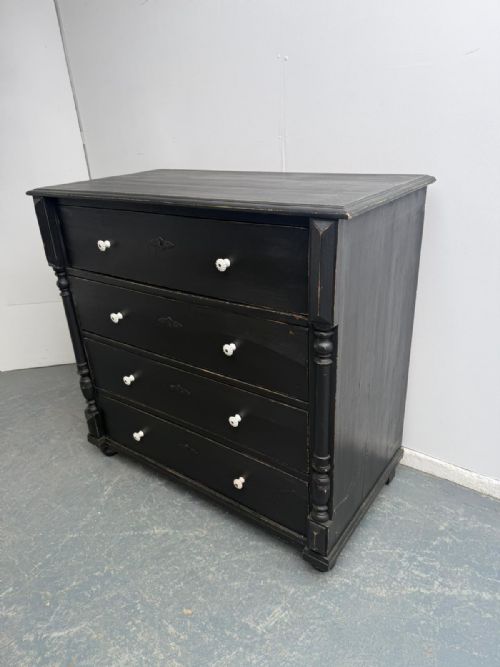
Traditional Timber Dressers
Traditional timber dressers bring domestic history into a room, offering sturdy utility and enduring woodwork from past centuries.
Traditional Timber Dressers
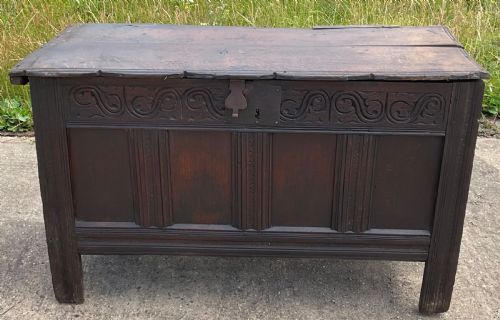
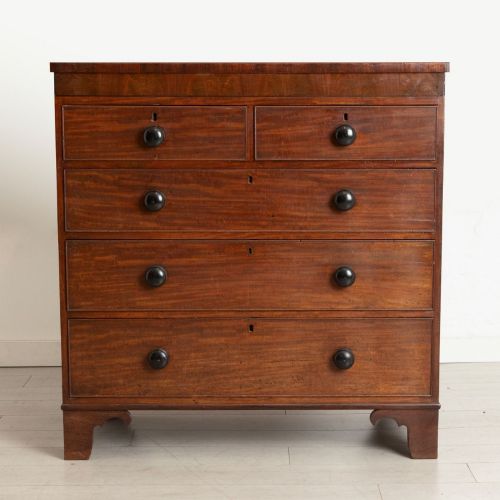
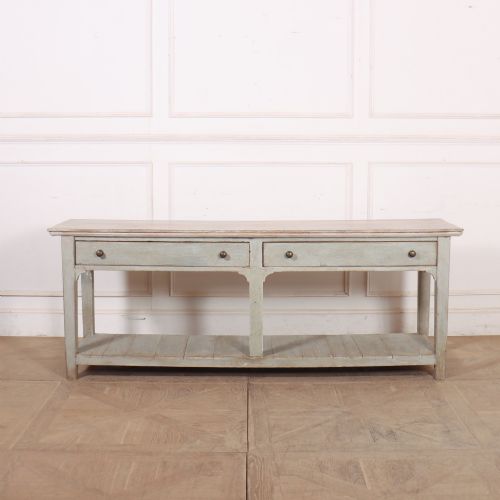
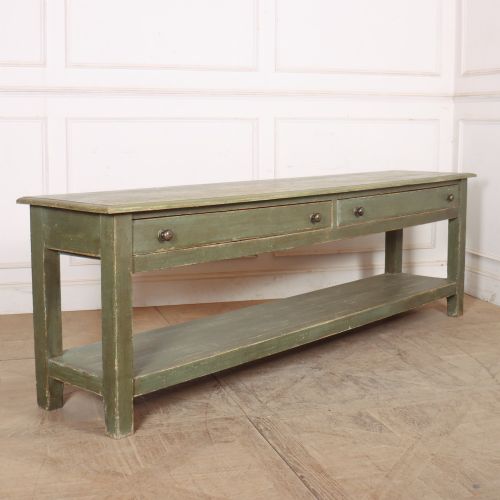
Traditional timber dressers span several periods, drawing heavily from the 18th century, Georgian eras, and Victorian times. Buyers encountering these pieces will find potboard bases, painted pine formats, and elm court cupboards among the selection.
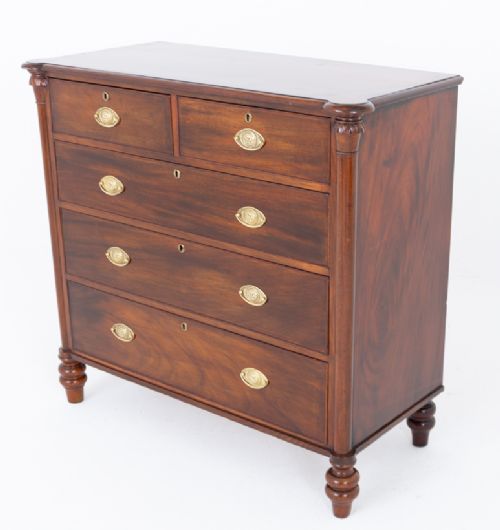
The category encompasses robust storage forms including dresser bases, serving tables, and cupboards alongside related chest configurations. These items originate from English country houses as well as continental workshops.
Makers and craftsmen utilised dense native and imported woods to build pieces intended for heavy daily household service. The resulting furniture ranges from simple rustic pine to refined mahogany designs.
How they were made
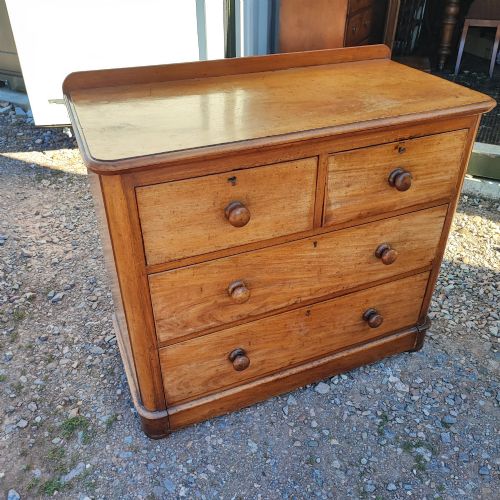
Makers constructed traditional timber dressers using solid oak, mahogany, walnut, and pine, often incorporating secondary timbers for internal partitions. Surfaces frequently received hand-applied paint finishes or remained as polished hardwood.
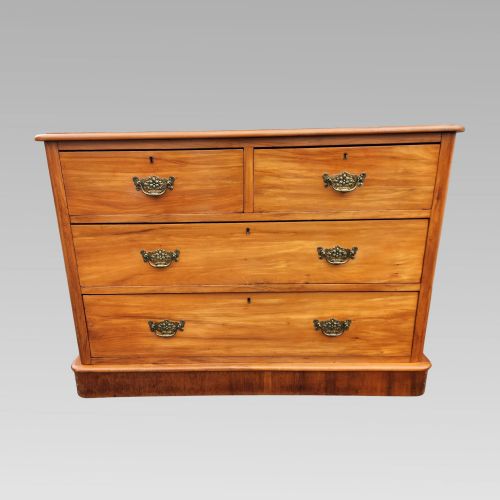
Joinery techniques relied on pegged frames, dovetailed drawer construction, and panelled doors designed to accommodate seasonal wood movement. Brass and iron hardware, including handles and key escutcheons, secured operational sections.
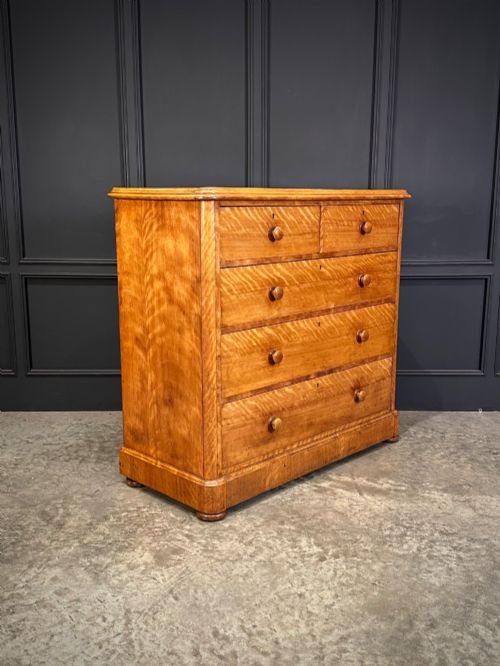
Inlaid details and decorative veneers such as burr walnut and satinwood appeared on more formal examples from the Georgian and Victorian periods. Carved wooden ornamentation decorated select panels and cornices on country and court pieces.
The listings here feature oak, mahogany, walnut, and pine across 18th, 19th, and early 20th-century periods.
What varies in quality
The selection of timber dictates much of the inherent quality, distinguishing simple painted pine utilities from highly figured burr walnut and solid mahogany constructions. Finer pieces display careful grain matching across drawer fronts and primary surfaces.
Construction precision separates standard workshop output from exceptional cabinet work, particularly in the hand-cut dovetailing of drawers and the seamless fitting of panelled doors. Original brass hardware and untouched surface patination elevate the standing of a piece.
Jas Shoolbred·William Gomm
The Traditional Timber Dressers Glossary
- Potboard dresser base
- A low storage unit featuring an open lower shelf traditionally used for displaying heavy pottery and kitchen earthenware.
- Court cupboard
- An enclosed antique cabinet structure featuring multiple tiers, often supported by turned wooden posts.
- Serpentine front
- A furniture facade curved in a wave-like shape, convex at the centre and concave towards the sides.
- Dovetail
- A joint formed by interlocking wedge-shaped fingers, commonly used in drawer construction to ensure tensile strength.
- Potboard
- A lower open shelf built into the base of a dresser for storing kitchen utensils and earthenware dishes.
Traditional Timber Dressers: Frequently Asked Questions
What is a potboard dresser base?
A potboard dresser base is a heavy lower storage unit characterised by an open bottom shelf positioned near the floor. This design allowed households to store earthenware and pots within easy reach.
Such pieces date back centuries and reflect utilitarian domestic spaces before fitted kitchens became common. Their open lower tier sets them apart from enclosed cupboards.
How do I care for antique timber dressers?
Antique timber dressers require stable indoor humidity levels and protection from direct sunlight to prevent wood splitting. Regular dusting with a dry cloth maintains the surface.
Avoid placing these pieces near modern heating vents or damp exterior walls. Gentle waxing preserves the historic patina of oak and mahogany surfaces.
Are these dressers suitable for modern kitchens?
These traditional timber pieces provide practical storage and display surfaces that function well in contemporary kitchen and dining areas. Their drawers and cupboards accommodate modern tableware and linens.
Buyers often use potboard bases and serving tables as islands or sideboards. The durable hardwood construction handles daily household use effectively.
How do I identify Georgian dressers?
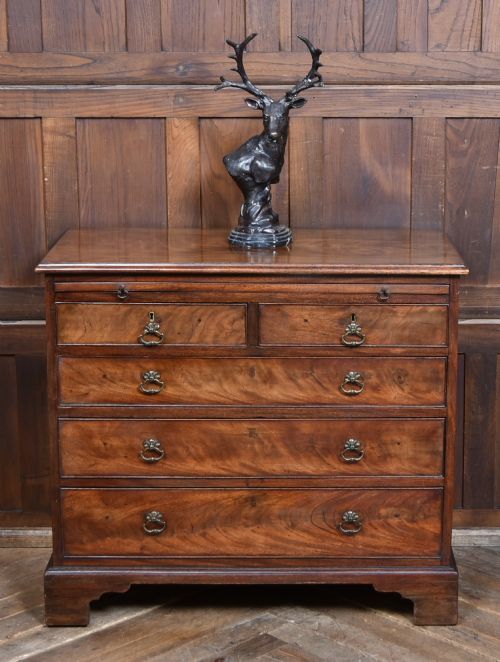
Georgian dressers and related furniture often feature dense timbers like mahogany or oak, combined with fine dovetail joinery. Stylistic markers include bracket feet and brass drop handles.
Proportions tend to be balanced and classical, reflecting the design standards of the 18th century. Finer examples may also incorporate subtle string inlay or serpentine fronts.