

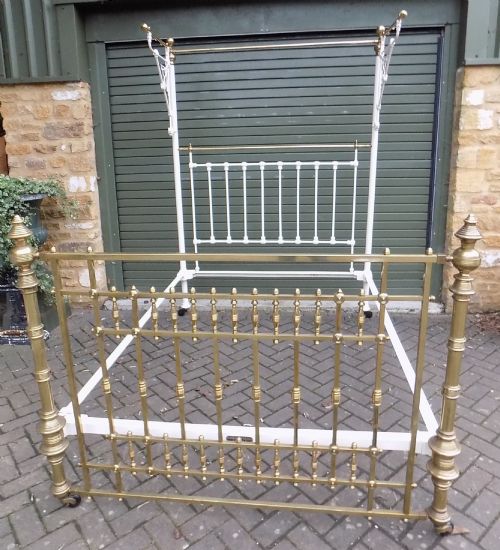
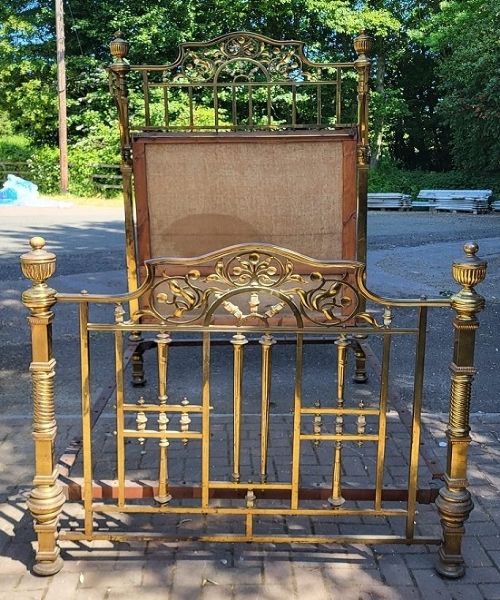
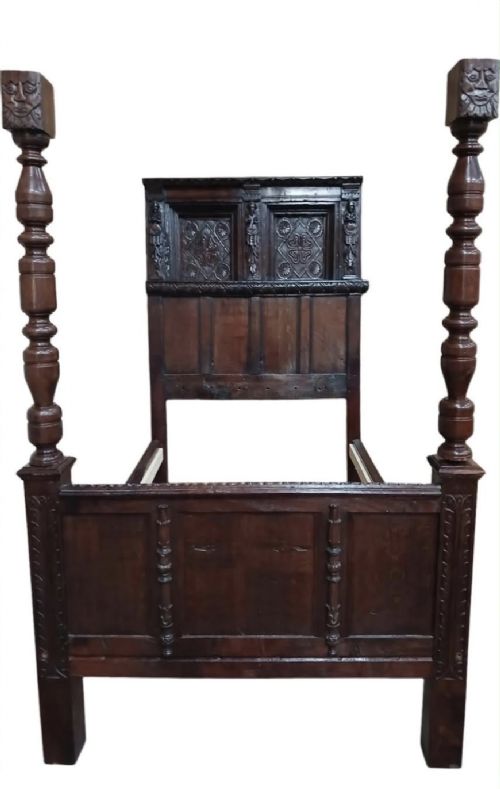
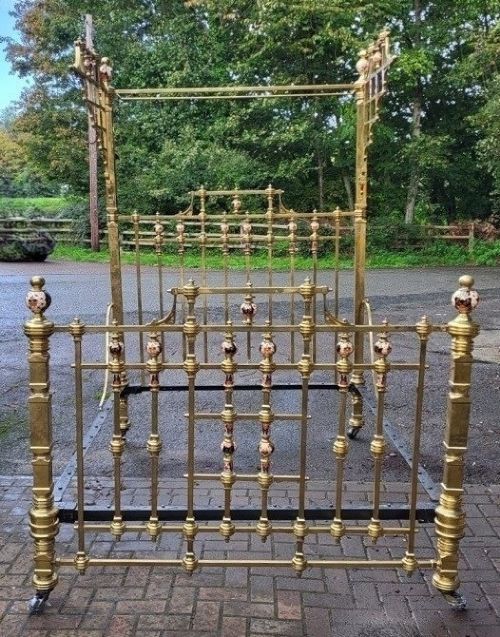
Traditional Tester Bedstead
A traditional tester bedstead brings architectural presence to a room, offering grand proportions and a commanding canopy structure.
Traditional Tester Bedstead
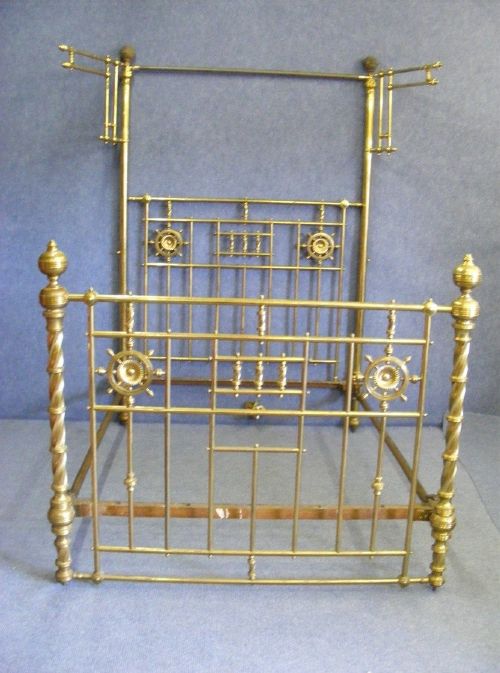
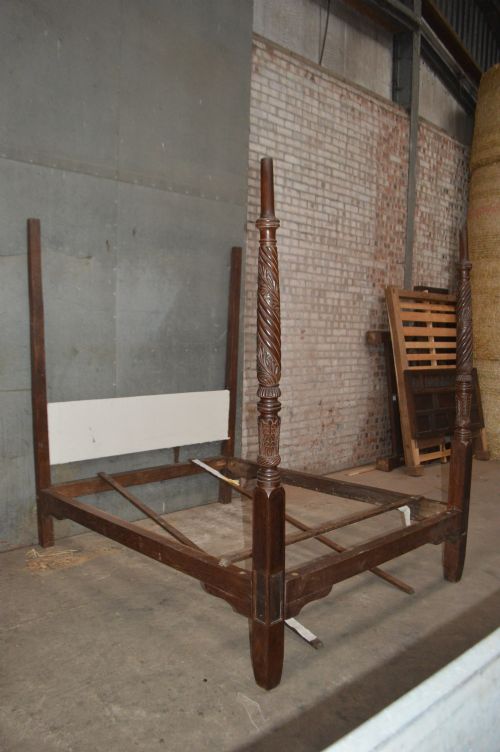
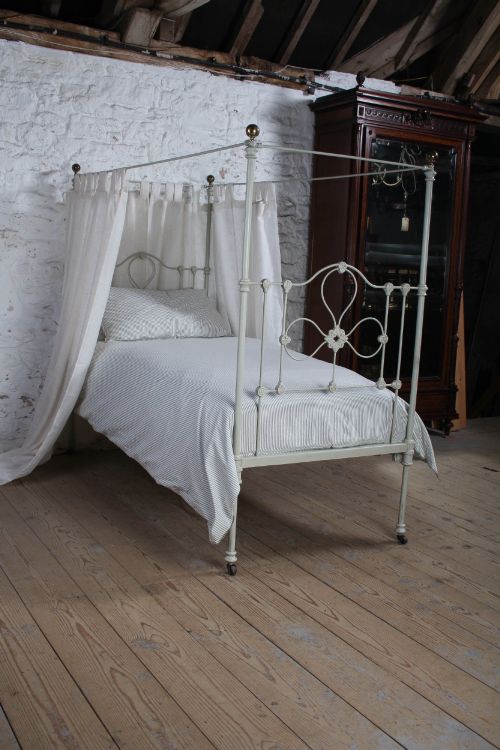
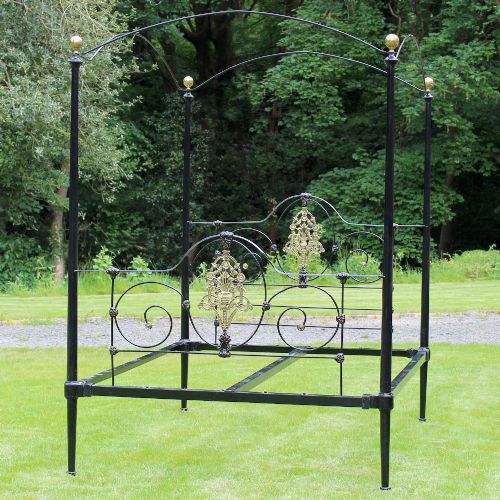
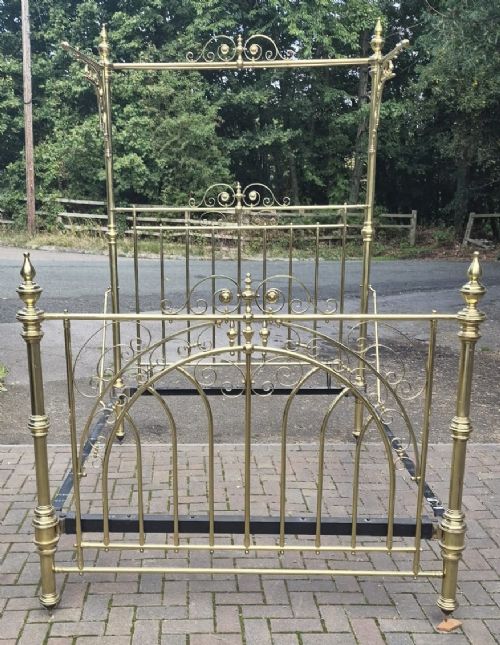
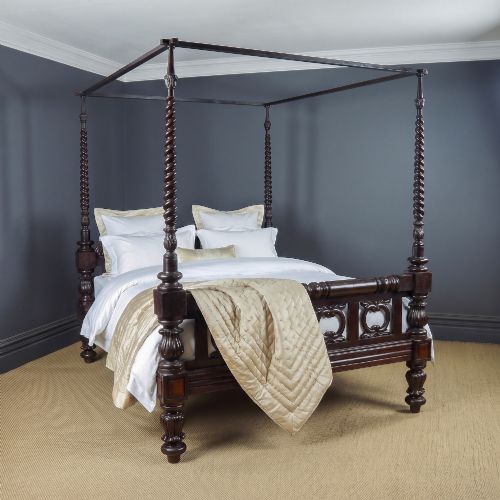
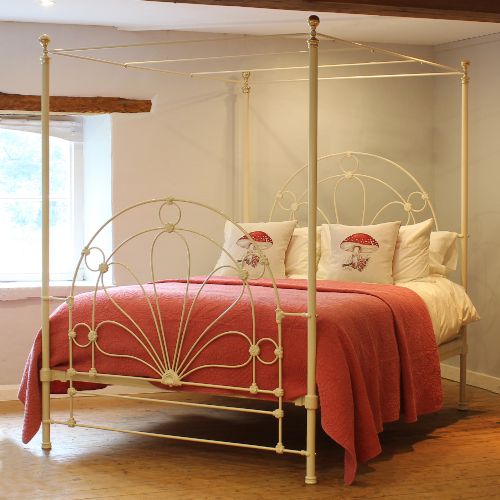
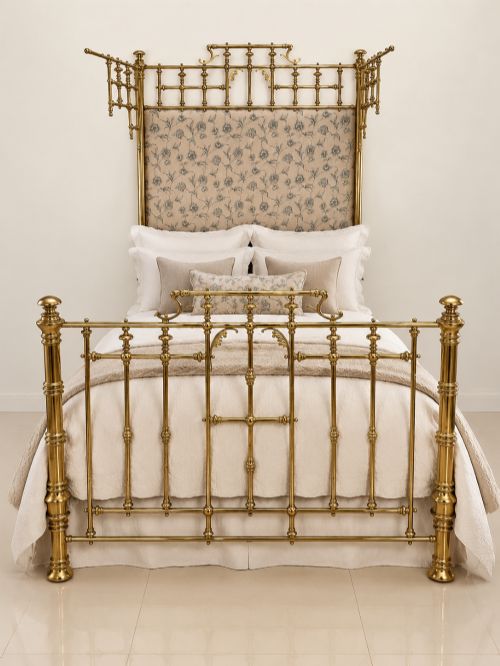
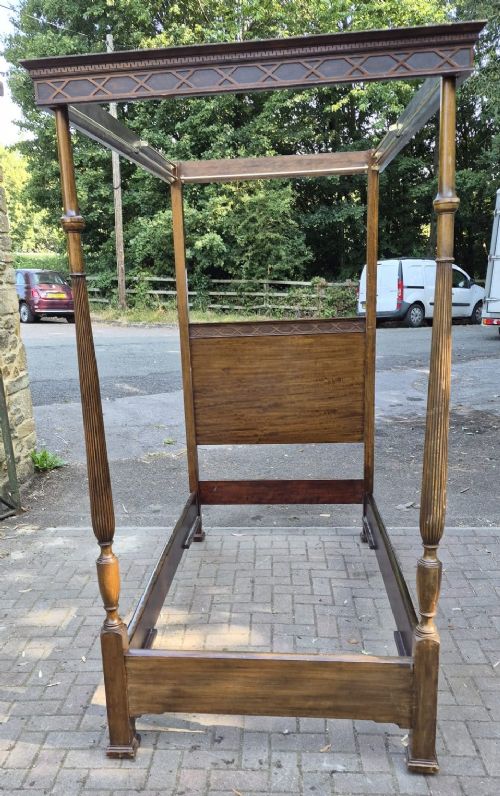
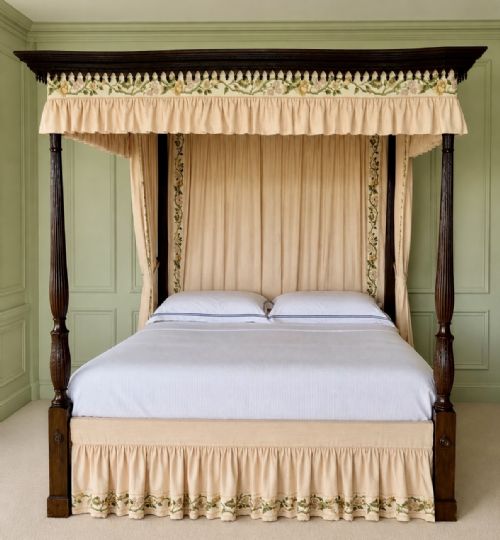
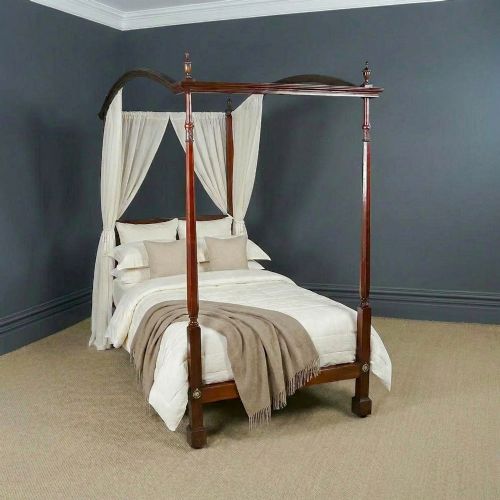
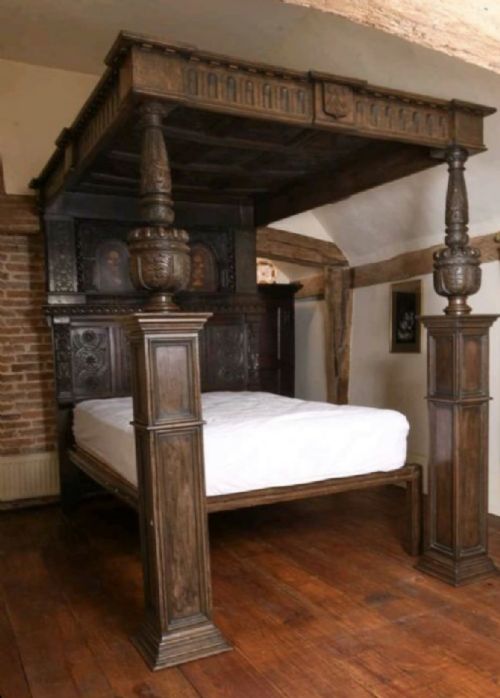
When you search for a traditional tester bedstead, you encounter substantial sleeping frameworks dominated by overhead testers and vertical posts. These pieces range from early seventeenth-century oak examples to nineteenth-century mahogany and brass creations.
You are most likely to meet Victorian brass half tester bedframes or Edwardian mahogany versions on this page. The selection spans robust seventeenth-century oak joinery and decorative iron frames alongside polished revival styles.
Materials and construction
The construction relies on heavy timbers such as oak and mahogany, paired with structural metals including brass, iron, and cast iron. Cabinetmakers utilised traditional joinery for wooden frames while metalworkers cast and joined brass components for half tester designs.
Surface finishes include polished mahogany, painted surfaces, and fruitwood inlay. Fabric and upholstery elements often complete the canopy and tester sections.
Traditional Tester Bedstead Retail Price Guide 2026
Typical asking prices for traditional tester bedstead among the pieces listed under this phrase on Sellingantiques today, from the lower quarter to the upper quarter. They describe what is for sale here now, not the wider market.
Materials recorded across the inventory include solid brass, mahogany, cast iron, oak, fruitwood inlay, and painted finishes.
Judgments of quality
Quality rests in the architectural proportion of the posts and the crispness of carved or cast detail. Exhibition pieces display superior material selection, such as solid brass or burr walnut, combined with refined finishing.
The integrity of the frame construction and the purity of the stylistic revival dictate the standing of an individual bedstead. Earlier oak examples derive their distinction from period joinery methods and patination.
Heals of London·Howard and Sons·RW Winfield
The Traditional Tester Bedstead Glossary
- Tester
- The canopy framework supported by the posts of a bed. It creates a ceiling-like structure over the sleeping area.
- Half tester
- A wall-mounted or post-supported canopy that covers only the head portion of the bed rather than the entire length. This form gained popularity during the Victorian era.
- Four poster
- A bed with four vertical columns supporting an upper canopy frame. These frames accommodate draperies or stand as architectural statements.
- Joinery
- The wooden construction method used to connect components without excessive metal fasteners. Seventeenth-century examples rely heavily on these traditional carpentry techniques.
Traditional Tester Bedstead: Frequently Asked Questions
How do I fit a modern mattress?
Many antique tester beds require specific mattress sizes or custom foundations to sit properly within the wooden or metal rails. Checking the internal dimensions of the frame ensures a correct fit.
Adjustment of the support slats or adding a low-profile base often resolves discrepancies between historic dimensions and modern mattress standards.
Are these beds easy to dismantle?
Traditional bedsteads utilise period bolt systems or interlocking timber joints designed for relocation. Careful cataloguing of components during disassembly ensures straightforward reassembly.
Enlisting specialist delivery and installation assistance is advisable given the heavy timber and metal components involved.
What woods were commonly used?
Early examples rely on native oak, sometimes enhanced with fruitwood inlay. Later nineteenth-century designs favour imported hardwoods such as mahogany and burr walnut.
Metal alternatives in brass, iron, and cast iron appear alongside these timber constructions from the Victorian period onward.