


Traditional Tester Bed Frame
A traditional tester bed frame brings grand architectural presence to a bedroom, offering a substantial canopy structure designed for draped fabrics and dramatic focal impact.
Traditional Tester Bed Frame
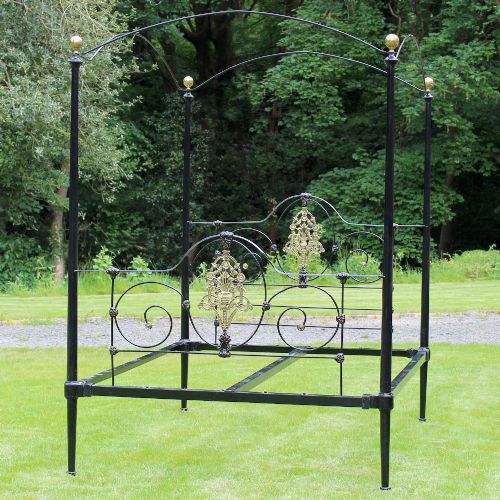
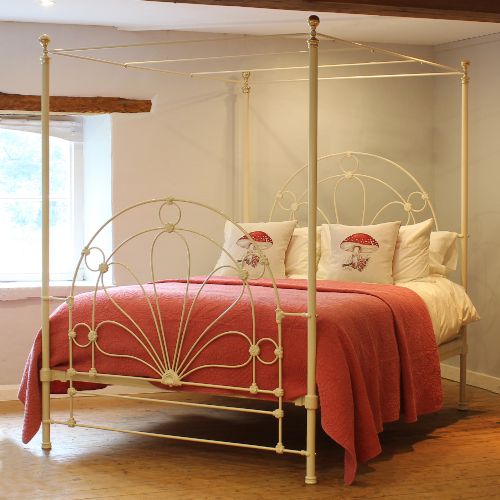
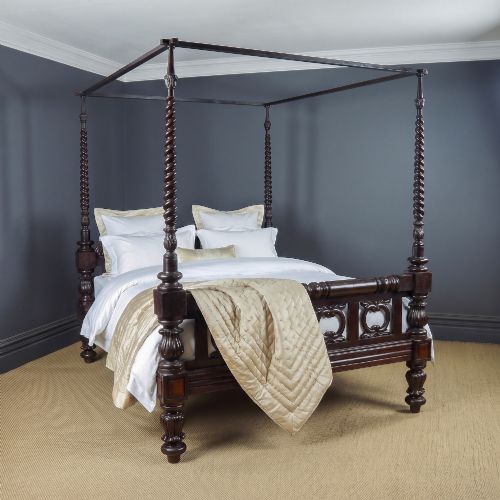
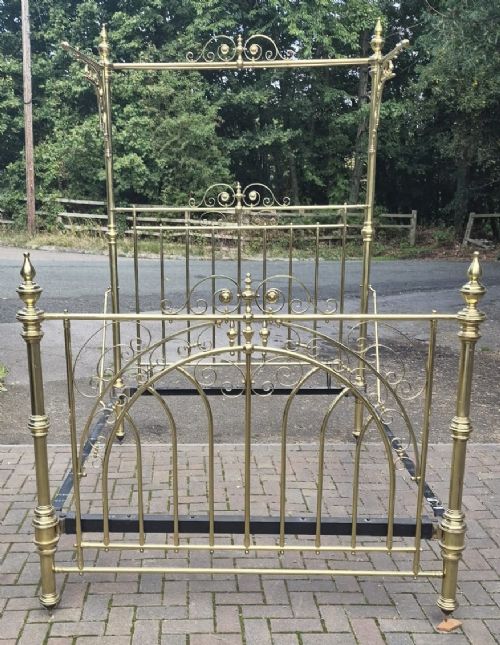
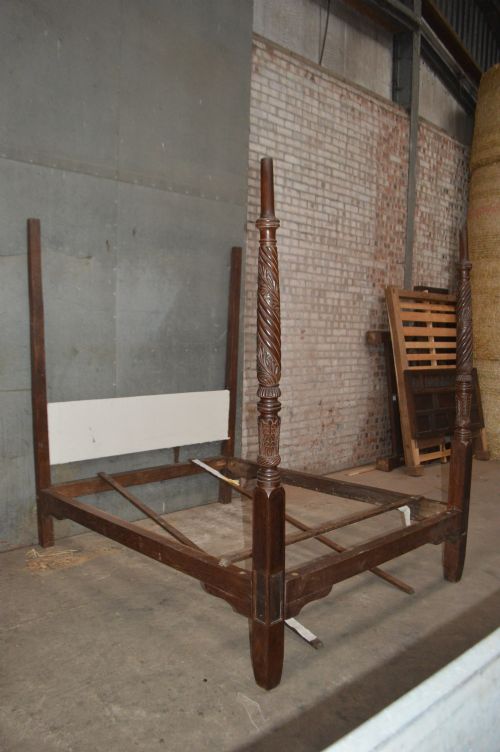
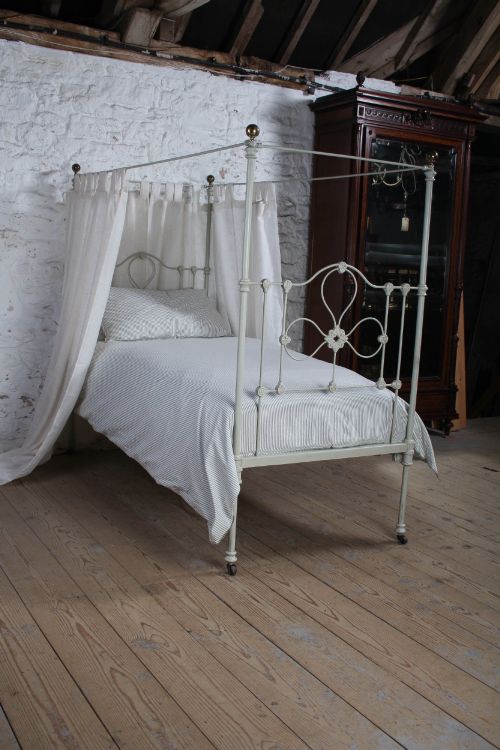
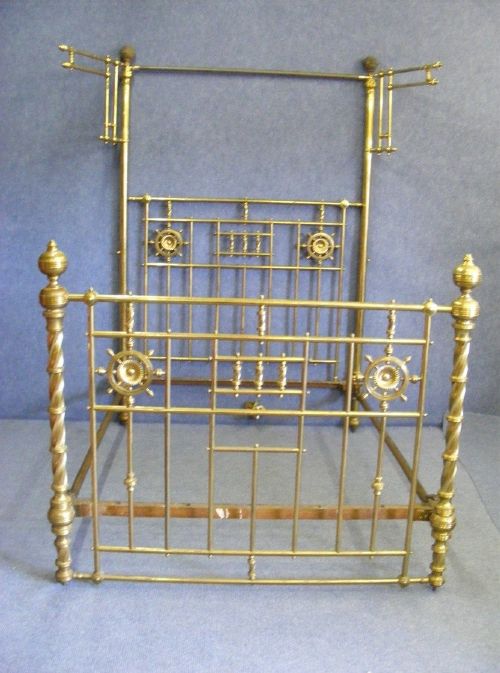
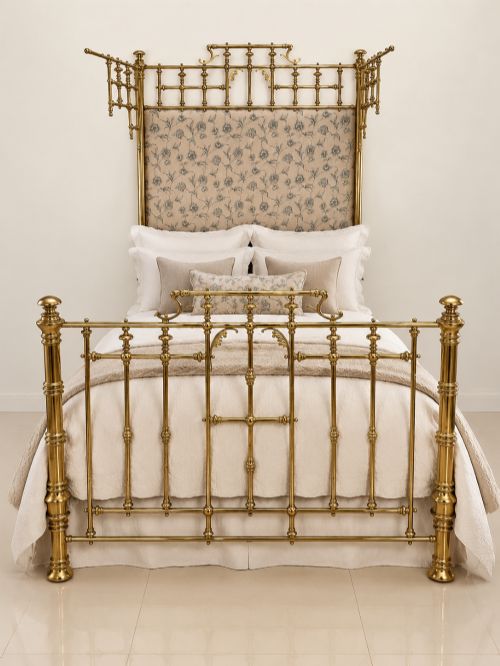
When you search for a traditional tester bed frame, you are looking at substantial canopy sleeping furniture spanning centuries of domestic design. The forms available range from imposing oak full testers originating in earlier periods to lighter half testers in brass and iron from the Victorian era.
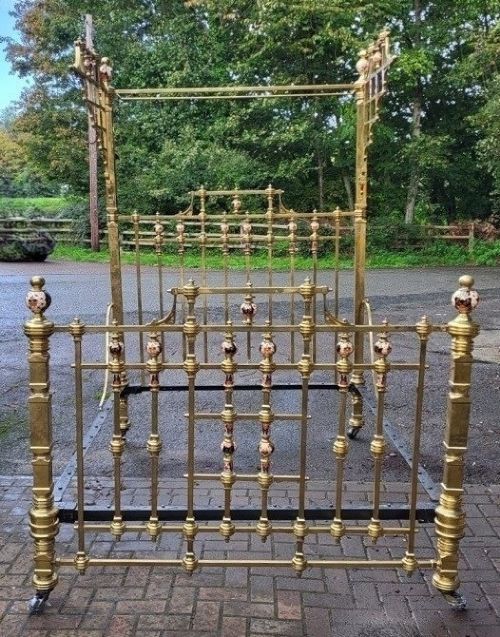
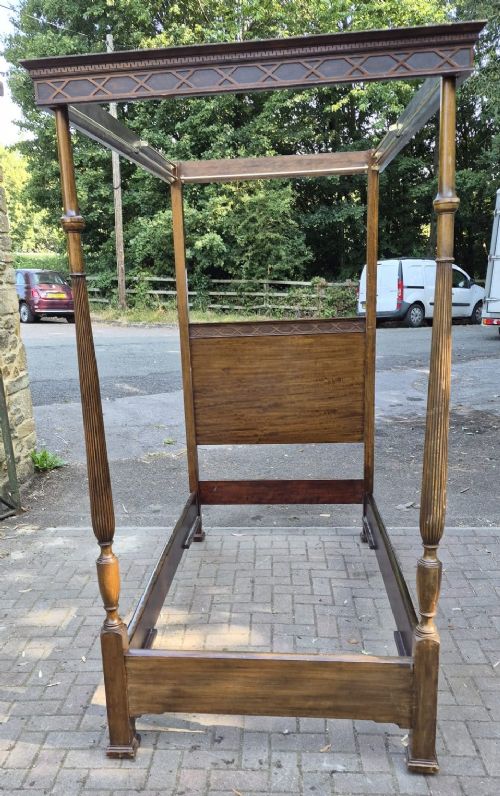
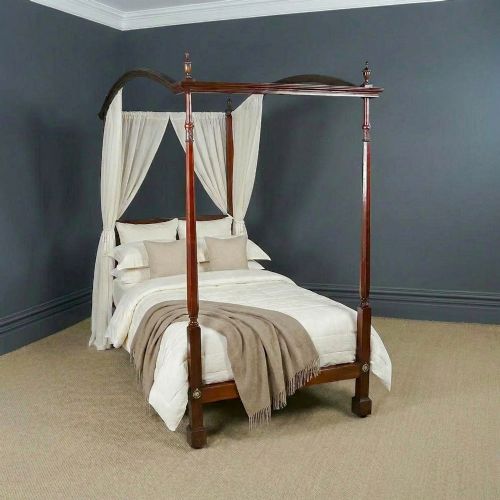
You are most likely to meet Victorian brass and iron half testers alongside mahogany and oak four poster bedsteads on this page. These pieces accommodate various mattress sizes, including single, double, queen, and king dimensions.
The architectural vocabulary of these frames encompasses styles from Elizabethan revival to Regency and Edwardian interpretations. Each piece retains the defining overhead canopy structure that gives the traditional tester bed frame its enduring character.
How they were made
Makers constructed these frames using dense hardwoods like mahogany and oak, frequently employing hand carving for structural posts and headboards. Metal frames utilise cast iron and brass components, combining robust structural integrity with decorative metalwork.
Surface treatments involve traditional polishing of timber, painted finishes, and polished brass or blackened iron details. Certain examples incorporate specialised materials such as porcelain mounts within the hardware.
Listings span from the seventeenth century through the Edwardian period, incorporating oak, mahogany, brass, iron, and painted finishes.
What varies in quality
The distinction between standard examples and top tier pieces rests on the crispness of timber carving and the weight of metal used in the canopy and posts. Exhibition quality frames display superior casting detail, refined proportions, and sophisticated secondary timbers.
Construction methods determine longevity, with sophisticated joinery in timber frames and robust founding in brass and iron frameworks separating exceptional pieces from ordinary ones.
Heals of London·Howard and Sons·RW Winfield
The Traditional Tester Bed Frame Glossary
- Tester
- The flat canopy or ceiling framework suspended above a bed. It often supports drapery and curtains.
- Half Tester
- A wall or headboard mounted canopy that extends only partway over the bed rather than spanning the full length.
- Bedstead
- The complete supporting framework of a bed, excluding the mattress and bedding. This term appears frequently in nineteenth-century descriptions.
- Four Poster
- A bed featuring four vertical posts at each corner that support an upper canopy framework. These posts may be plain, reeded, or heavily carved.
- Colonial Revival
- An architectural and decorative style drawing inspiration from early settlement furniture forms. It manifests in mahogany four poster frames with classical proportions.
Traditional Tester Bed Frame: Frequently Asked Questions
How do I choose the right size?
Review the listed dimensions carefully against your bedroom floor space, ensuring adequate clearance for both the mattress size and the overhead canopy height.
Consider the ceiling height of your room, as traditional tester frames require vertical clearance that standard low ceiling bedrooms may struggle to accommodate comfortably.
Are these beds difficult to assemble?
Most antique bed frames utilise traditional bolt or wedge tenon joints that require methodical fitting by individuals experienced with heavy furniture assembly.
Enlisting professional installation help is often advisable for substantial mahogany or cast iron tester frames to protect delicate carvings and metal finishes during setup.
How do I dress a tester bed?
Historically, tester beds relied on hanging curtains and pelmets suspended from the canopy to retain warmth and provide privacy. Modern styling often utilises lighter drapery or leaves the timber and brass framework exposed to showcase the architectural lines.
Select fabrics that complement the period of the frame, whether opting for simple linens on an Edwardian piece or rich damasks on an Elizabethan style oak bed.
How do I care for the brass?
Metal components require gentle dusting and occasional cleaning with appropriate non abrasive metal cleaners to maintain their finish without stripping historical patina.
Avoid harsh chemical polishes that can damage protective lacquers or vintage coatings applied to nineteenth-century brass and iron surfaces.