

Traditional Table
These traditional table designs span oak refectories to mahogany dining pieces, offering sturdy timber construction suited for daily dining and writing.
Traditional Table
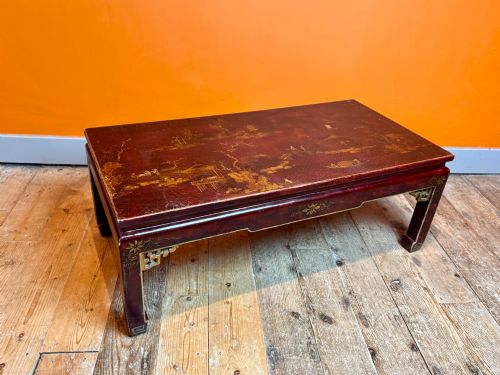
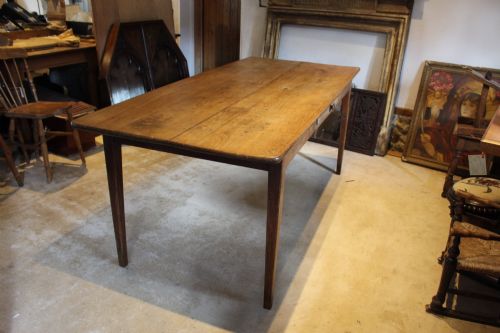
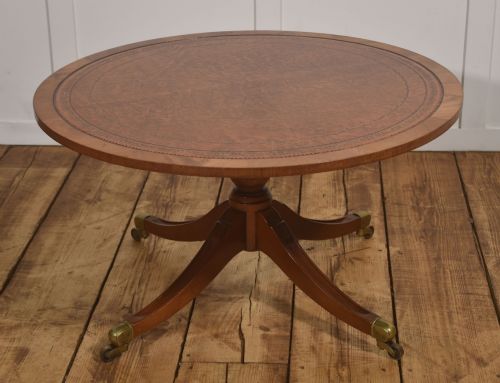
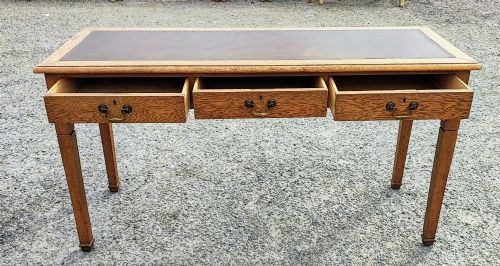
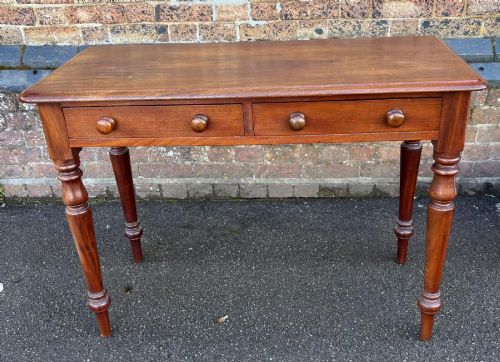
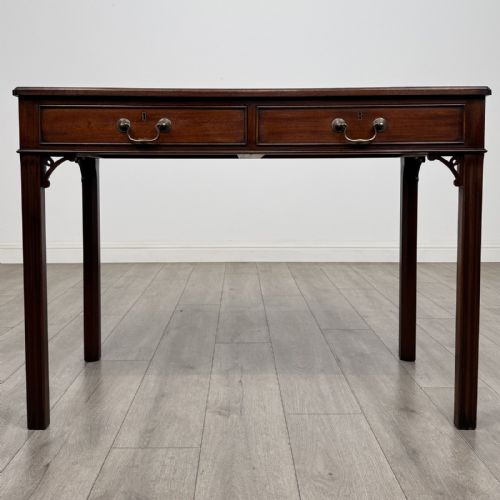
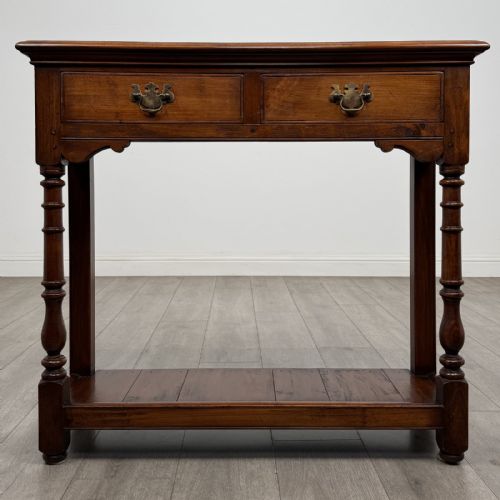
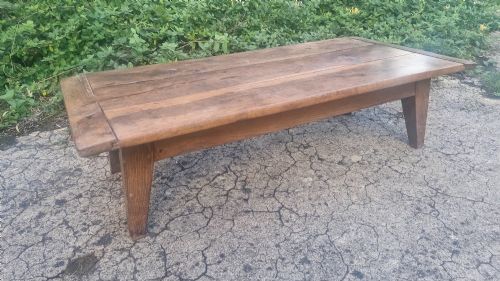
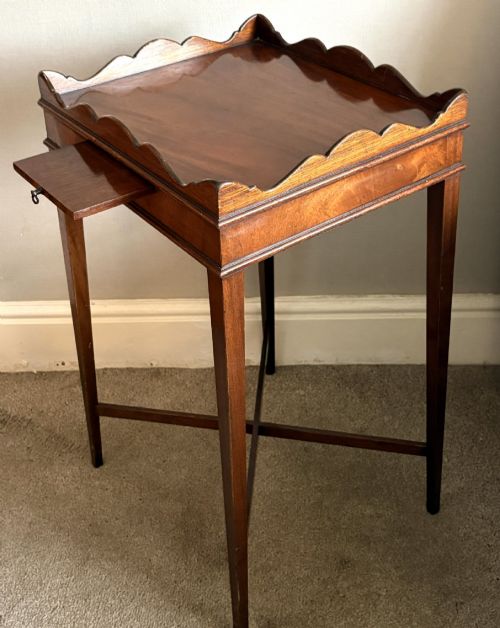
A traditional table encompasses dining surfaces, desks, and tea tables built from sturdy timbers like oak and mahogany. When exploring a traditional table on this page, buyers frequently encounter refectory forms, gateleg drop-leaf designs, and tilt-top pieces originating from the nineteenth and early twentieth centuries.
Makers shaped these items for practical daily use, ranging from large oak farmhouse dining surfaces to compact writing tables and occasional stands. Surviving examples reflect historical periods including the Victorian, Edwardian, and Regency eras alongside revival styles stretching from the seventeenth century onward.
How they were made
Cabinet makers relied primarily on solid hardwoods such as oak, mahogany, walnut, and elm to construct these surfaces. Timber selection governed the structural integrity, with dense oak supporting heavy refectory and wake designs, while fine-grained mahogany accommodated polished dining and writing furniture.
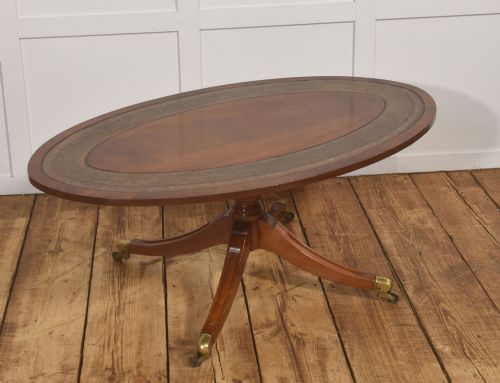
Joinery techniques involved traditional methods suited to the timber, including drop-leaf hinges, tilt mechanisms, and fold-over top configurations. Metal components like brass hardware and leather inserts supplemented the woodwork on specific desks and serving tables.
Traditional Table Retail Price Guide 2026
Typical asking prices for traditional table among the pieces listed under this phrase on Sellingantiques today, from the lower quarter to the upper quarter. They describe what is for sale here now, not the wider market.
Dining tables, writing desks, and tea tables represent the primary forms found in this collection.
What varies in quality
The standard of a traditional table depends heavily on the grade of timber selected by the maker and the precision of its construction. Superior pieces utilise well-seasoned solid hardwoods with harmonious grain patterns and robust structural joints that endure decades of use.
Refinement in carving, turning, and mechanism design separates standard utility items from exceptional examples. Thoughtful proportions, stable pillar supports, and well-executed edge profiles indicate a higher level of workshop execution.
The Traditional Table Glossary
- Refectory table
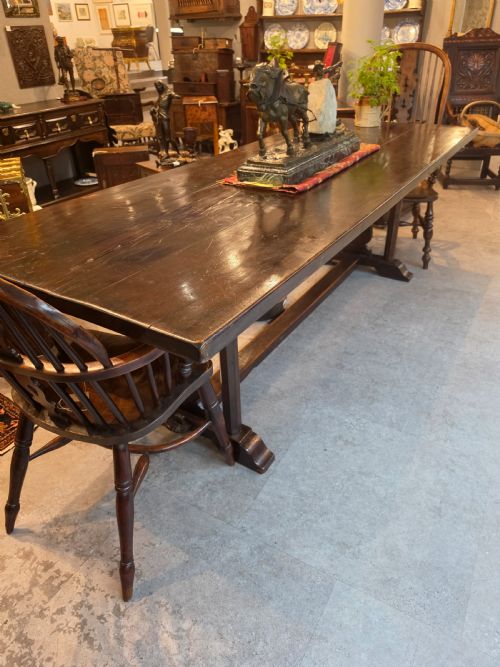
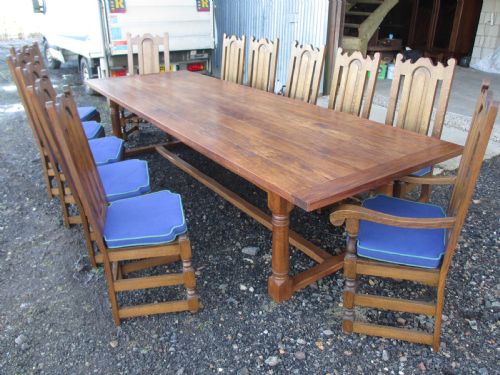
- A long, narrow dining table traditionally built with substantial wooden legs and a central stretcher for stability. This form frequently appears in heavy oak construction.
- Gateleg table
- A drop-leaf table featuring hinged flaps supported by swing-out legs that resemble a gate opening. It allows the surface area to expand or contract efficiently.
- Tilt-top table
- A small occasional table with a hinged top that pivots into a vertical position when not in use. This mechanism saved floor space in period interiors.
- Wake table
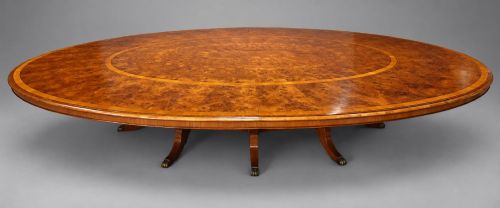
- An exceptionally large dining or gathering table designed to seat many people, typically constructed from oak with multiple support legs.
- Kneehole desk
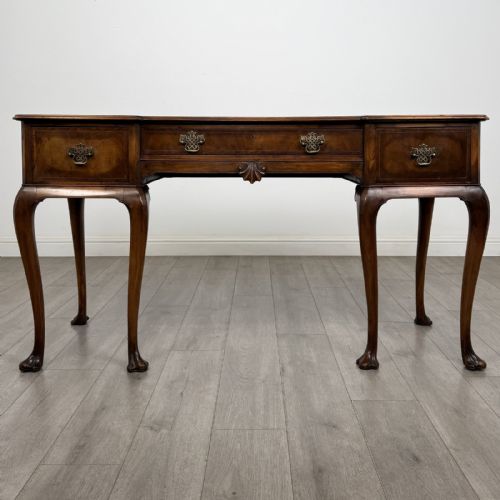
- A writing table featuring a central recess for the user's legs flanked by banks of drawers. These pieces often incorporate finished backs for freestanding placement.
Traditional Table: Frequently Asked Questions
What is a refectory table?
A refectory table is a long, narrow dining surface traditionally supported by sturdy legs joined by a floor-level stretcher. These pieces originated in monastic dining halls before becoming standard in large domestic kitchens and dining rooms.
Surviving examples are frequently built from solid oak with heavy planks. Their generous proportions make them practical for modern family dining.
Are these tables suitable for daily use?
Most traditional tables are constructed from solid hardwoods like oak and mahogany designed for generations of physical use. Their sturdy timber frames handle regular dining and writing tasks reliably.
Protecting the wooden surfaces from excessive moisture and heat preserves the finish. Routine maintenance keeps antique timber stable in contemporary homes.
What woods were used for these tables?
Makers relied primarily on native and imported hardwoods including oak, mahogany, walnut, and elm. Oak served rustic farmhouse and refectory forms, while mahogany appeared on formal dining and writing tables.
Each timber offered distinct structural qualities and grain patterns. Selection depended on the intended function and prevailing style of the period.