


Traditional Study Lighting
Traditional study lighting covers the brass lamps and bronze fixtures that workspace desks and writing tables require.
Traditional Study Lighting
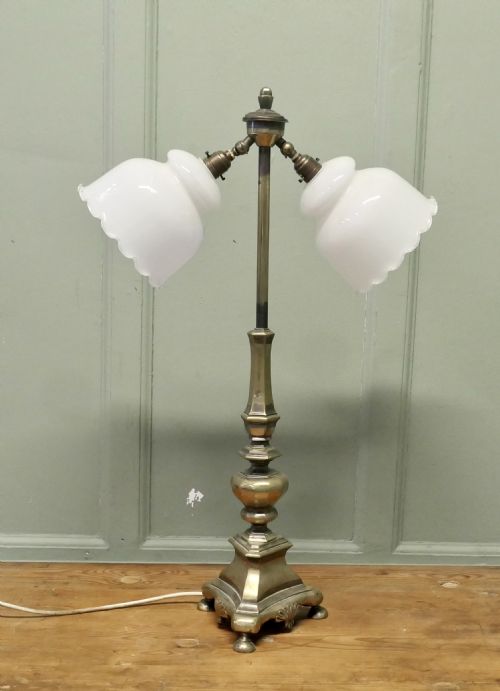
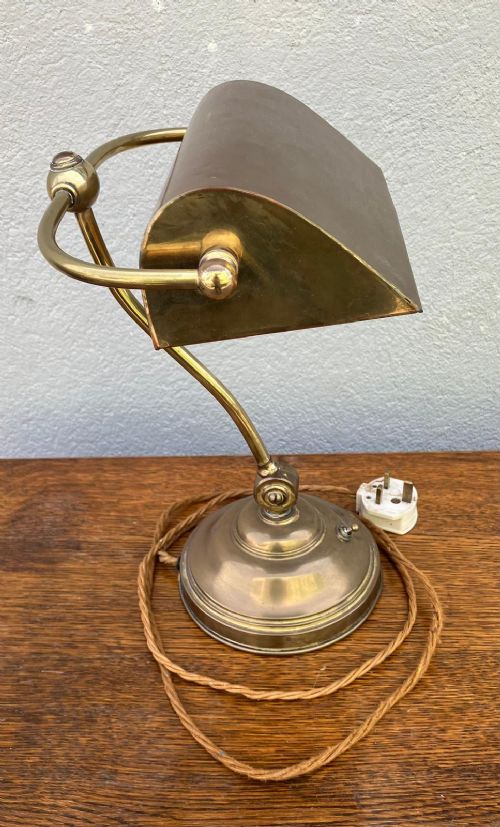
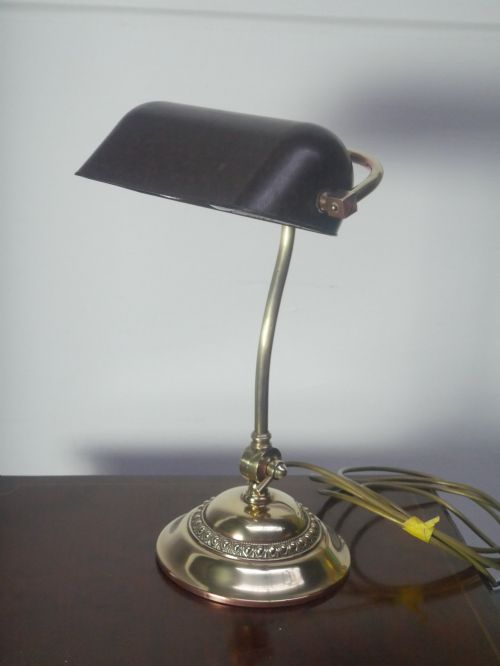
Traditional study lighting brings together brass reading lamps, adjustable desk fixtures, and bronze tole table lamps designed for workspace illumination. Buyers looking for traditional study lighting encounter solid brass swan neck designs, bankers desk lamps, and adjustable bronze fittings.
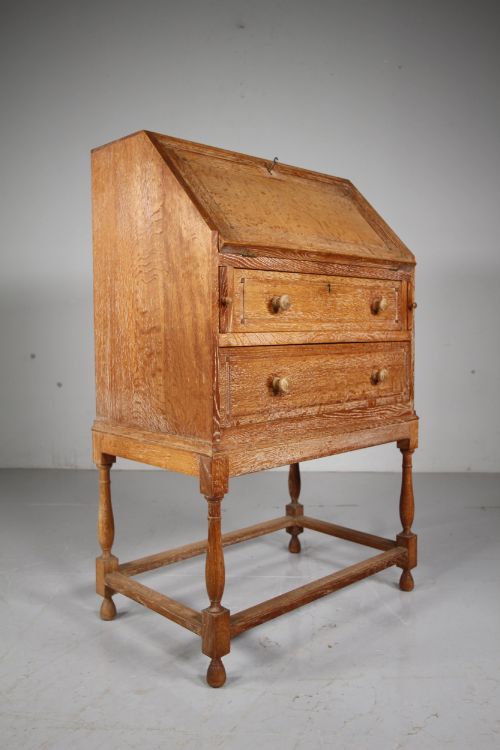
The objects span the Victorian, Edwardian, and early twentieth-century periods, alongside writing desks, oak bureaux, and revolving office chairs. Pieces originating from the eighteen-eighties through to nineteen-twenty dominate the selections available.
Forms range from classic obelisk desk lamps to twin angled reading lights and green tole bouillotte lamps. Solid brass and bronze constructions appear most frequently alongside oak furniture pieces.
Materials and construction
Brass and bronze form the primary metallic structures of these lamps, providing durability and heavy weighted bases for desk use. Toleware shades and fabric elements often complement the metalwork, adding contrasting colour and focused downward illumination.
Wooden furniture counterparts utilise solid oak, ash, and leather inserts, showing carved details typical of Victorian and Edwardian cabinetmaking. Metal components employ adjustable joints, swan necks, and screw mechanisms designed for practical workspace positioning.
Revolving office chairs included in the selections often retain their original wooden seats for long hours of bureaucratic study.
Assessing quality and finish
The weight and gauge of the brass or bronze dictate the structural integrity of each lamp, separating substantial pieces from lighter alternatives. Quality shows in the precision of the adjustable joints, the stability of the weighted bases, and the finish of the metal patination.
For related furniture items, the selection of timber grain, the depth of carving, and original hardware such as brass drawer pulls define the standard of manufacture. Maker labels, where present, add definitive evidence of origin and workshop standards.
Heals of London
The Traditional Study Lighting Glossary
- Tole
- Painted or lacquered metalware, frequently used for lamp shades in traditional green or dark finishes to reduce glare.
- Swan Neck
- A curved metallic arm holding a lamp shade, allowing directional adjustment of the light source over a desk.
- Pedestal Desk
- A large freestanding workspace featuring two banks of drawers supporting a central writing surface.
- Bouillotte Lamp
- An adjustable table lamp with a central column and a metal shade, historically utilised for card games and reading.
- Obelisk
- A tall, tapering, four-sided shaft used as a decorative column base for specific styles of heavy desk lamps.
Traditional Study Lighting: Frequently Asked Questions
What defines traditional study lighting?
Traditional study lighting comprises adjustable desk lamps, reading lights, and bankers lamps constructed primarily from brass and bronze during the late nineteenth and early twentieth centuries.
These pieces were engineered specifically to illuminate writing desks, library tables, and office spaces with direct, focused light.
How do I adjust an antique desk lamp?
Many period desk lamps utilise swivel joints, weighted hinges, or swan neck arms that pivot to alter the angle and height of the light output.
Care should be taken when adjusting older brass mechanisms to avoid straining original screws and pivot points.
What materials were used for these lamps?
Solid brass, bronze, and gilt metal form the main structural components, often paired with painted toleware shades or glass elements.
These durable materials provided the necessary weight to keep desk lamps stable during daily workspace use.
How do I date a brass desk lamp?
Dating relies on stylistic markers such as Edwardian obelisk forms, Victorian gas-to-electric conversions, and early twentieth-century adjustable switches.
Maker labels or patent stamps found on the heavy metal bases can also provide precise manufacturing decades.