



Traditional Stool
A traditional stool brings tactile timber and practical seating into a room, offering low profiles and sturdy joinery rooted in centuries of vernacular craft.
Traditional Stool
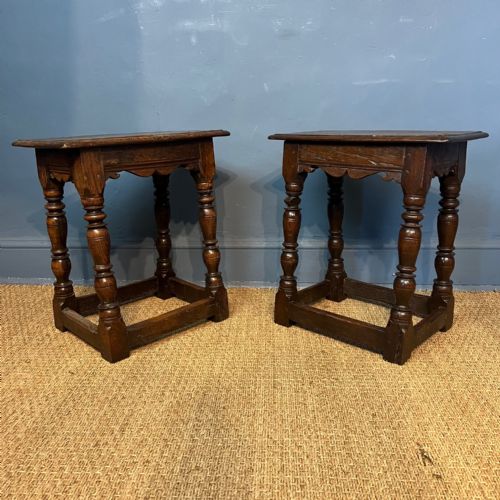
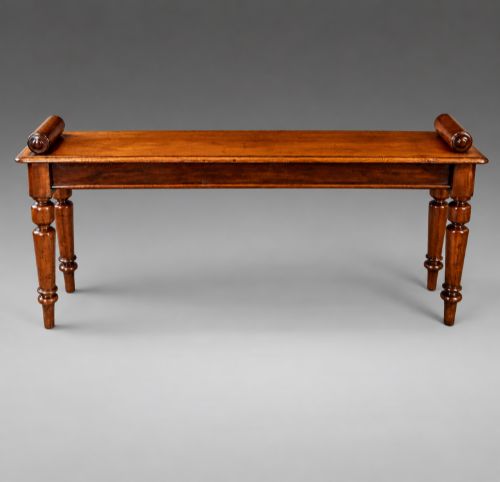
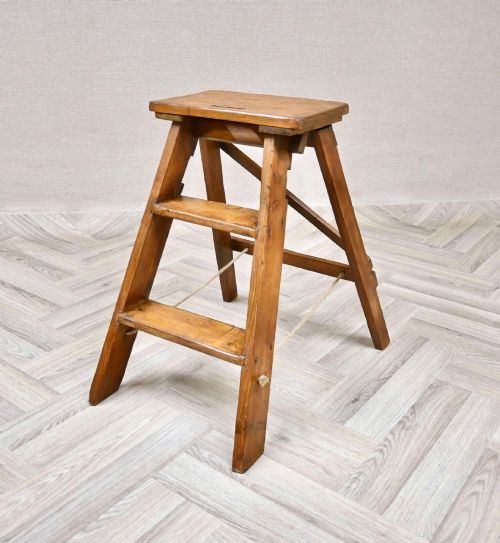
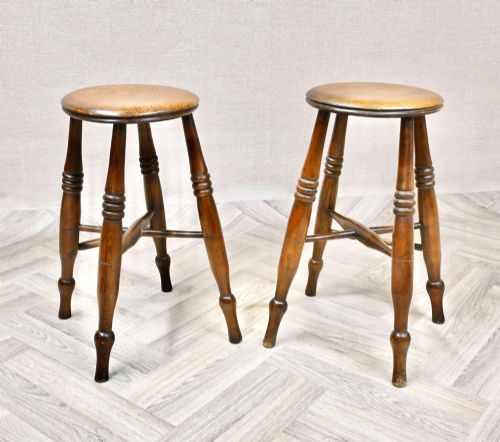
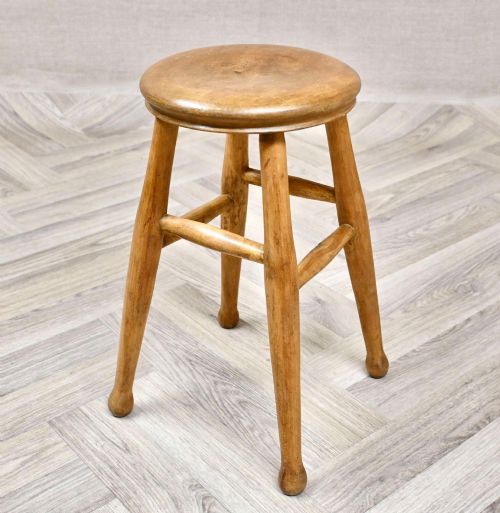
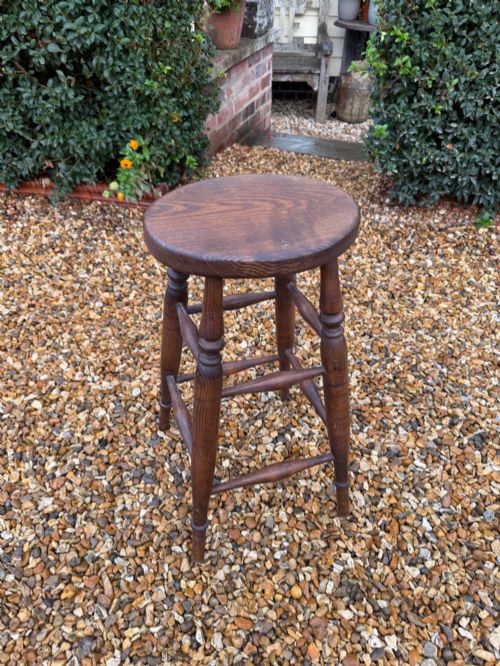
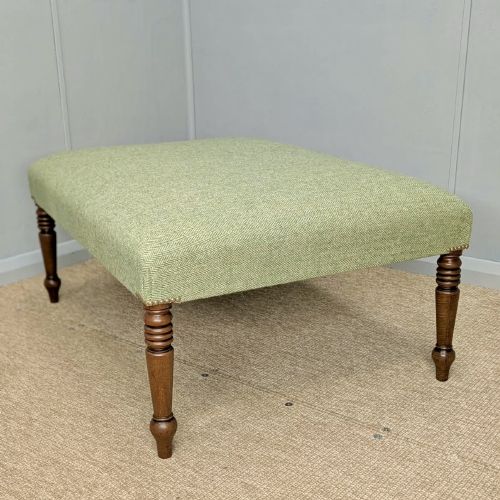
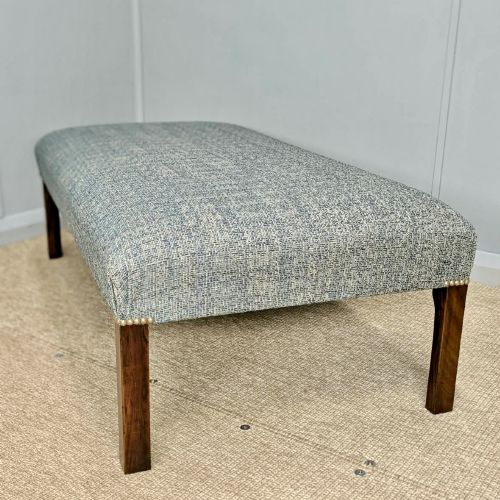
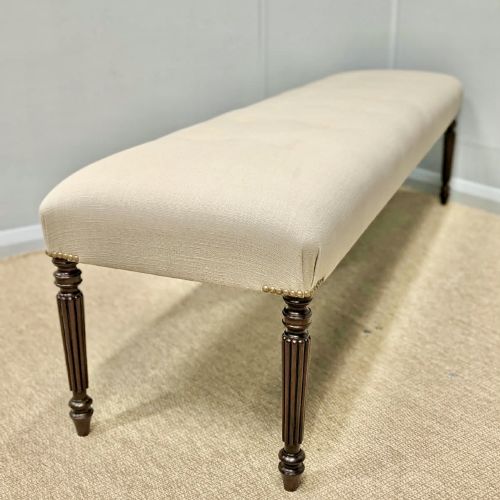
A traditional stool serves as a versatile seat or small perch, ranging from low fireside footstools to taller bar versions and long joint stools. When searching for a traditional stool, buyers encounter diverse domestic forms spanning the eighteenth, nineteenth, and early twentieth centuries.
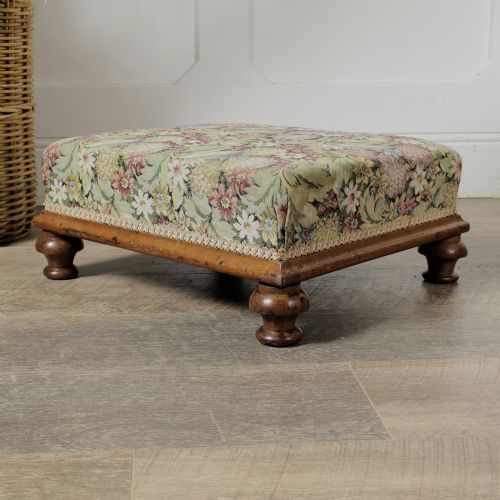
The selections on this page draw heavily from British country house and tavern traditions, featuring robust construction in solid hardwoods like oak, elm, and mahogany. Simple utilitarian forms sit alongside upholstered parlor footstools and clever revolving piano seats.
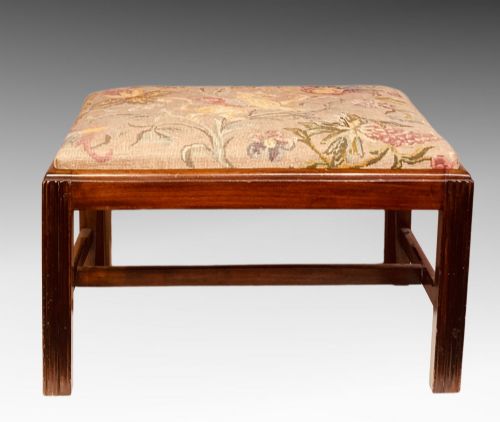
Makers utilised local timbers suited to the intended function, pairing rigid oak for joint stools with flexible ash or sycamore for turned vernacular seating. Many survive with original leather, needlepoint, or fabric upholstery that shows decades of domestic use.
How they were made
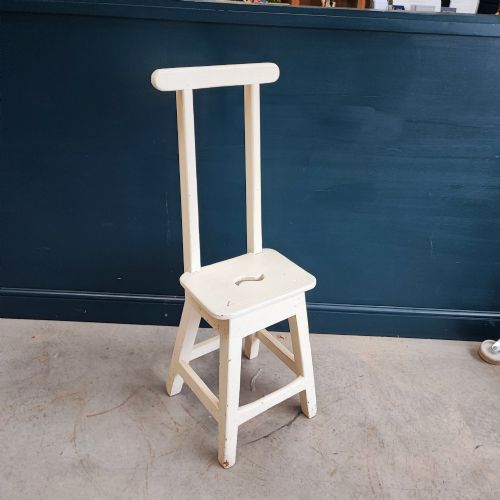
Cabinetmakers and rural joiners constructed traditional stools using sturdy frame techniques, mortise and tenon joints, and pegged legs to ensure lasting stability under heavy daily loads. Turned elements on legs and stretchers relied on foot-powered lathes, while seats were often shaped from single planks of elm or sycamore.
Upholstered variants combined webbed wooden frames with natural stuffing materials such as horsehair, secured under brass studs, buttoned leather, or wool tapestry tops. Woods were left with natural wax finishes or polished to highlight the grain of mahogany, walnut, and pollard oak.
Traditional Stool Retail Price Guide 2026
Typical asking prices for traditional stool among the pieces listed under this phrase on Sellingantiques today, from the lower quarter to the upper quarter. They describe what is for sale here now, not the wider market.
Listings feature oak, mahogany, brass, elm, leather, beech, fabric, and pine across pieces spanning the eighteenth to twentieth centuries.
What varies in quality
The standard of a traditional stool rests on the integrity of its timber frame and the authenticity of its construction methods, distinguishing honest vernacular pieces from later revivals. Heavy timbers with tight grain, original joinery pegs, and minimal structural alterations command greater appreciation among collectors.
Detailing such as hand-carved friezes, quality brass studding, and well-preserved period upholstery elevate certain examples above plain utilitarian seating. The balance of proportions and the tactile warmth of patinated wood surfaces further separate ordinary workshop output from finer cabinet work.
The Traditional Stool Glossary
- Joint stool
- A sturdy wooden stool constructed with mortise and tenon joints fastened by wooden pegs rather than glue, common in sixteenth to eighteenth-century households.
- Vernacular
- Everyday objects made by local tradesmen using regional materials and traditional techniques, prioritising utility over high-style design.
- Needlepoint
- Canvas work embroidery using wool yarn, frequently applied to Victorian footstool tops and fireside seating.
- Luggage stand
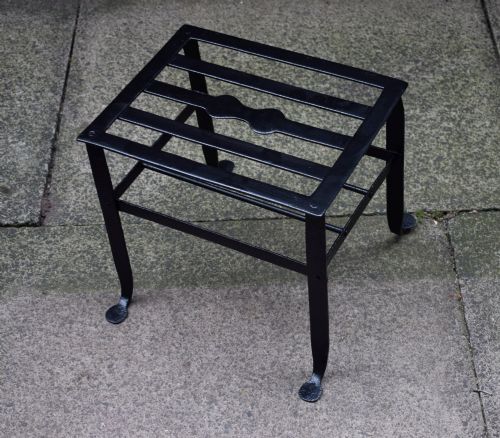
- A low folding or fixed rack typically placed in guest bedrooms to hold travelling trunks and bags.
- Buttoned leather
- An upholstery method where deep depressions are formed by sewing through the padding to secure buttons, creating a tufted surface.
Traditional Stool: Frequently Asked Questions
How were traditional stools used in period homes?
Traditional stools served multiple practical functions across different rooms, acting as fireside seats for warming feet, piano benches for musicians, and tavern perches for patrons.
Heavier joint stools also doubled as small side tables or auxiliary surfaces when extra space was needed in crowded domestic interiors.
What woods should I look for in an antique stool?
Oak and elm appear frequently in sturdy vernacular pieces, offering dense grain and high resistance to wear in domestic or tavern settings.
Finer parlor and dressing stools typically utilise mahogany, walnut, or beech, often finished with turned legs and polished surfaces.
How do I care for antique leather and wood?
Feed dry antique leather with specialist balms to maintain flexibility and prevent the surface from cracking under normal household conditions.
Nourish exposed wooden frames with traditional beeswax and buff gently with a soft cloth to preserve the historic patina.
How can I tell a Victorian stool from an earlier piece?
Victorian stools often incorporate softer secondary timbers like beech alongside mahogany, paired with buttoned upholstery, Berlin woolwork, or elaborate turned supports.
Earlier pieces from the eighteenth century or earlier frequently rely on heavier oak construction, simpler geometric lines, and pinned joinery without extensive padding.