




Traditional Standing Mirror
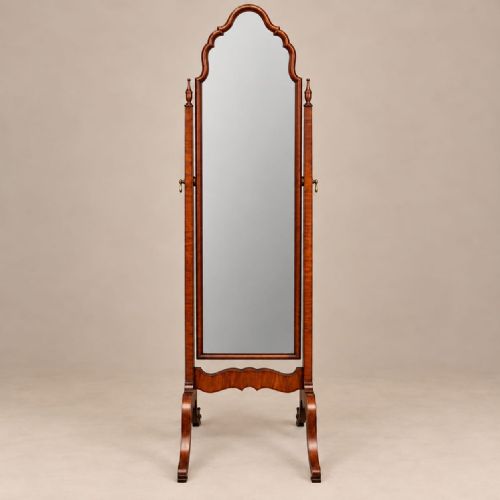
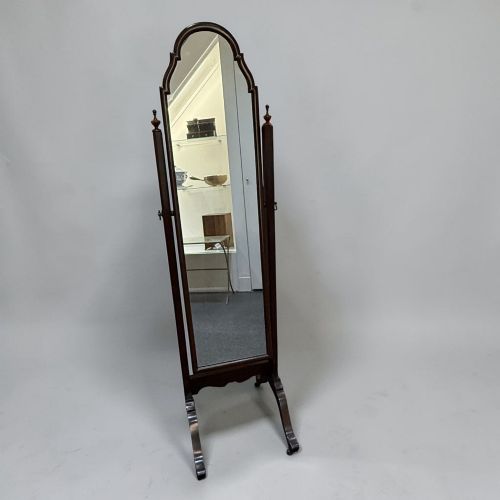
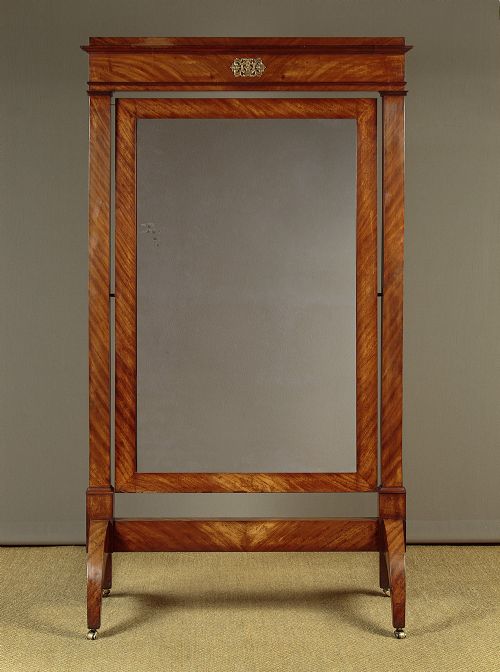
A traditional standing mirror brings poise and utility to a room, offering a full-length reflection framed in period timber and glass.
Traditional Standing Mirror
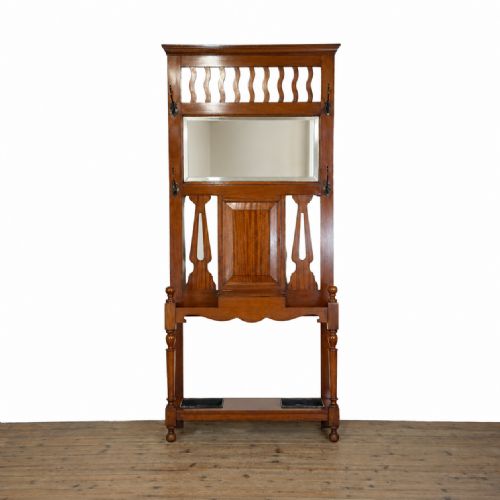
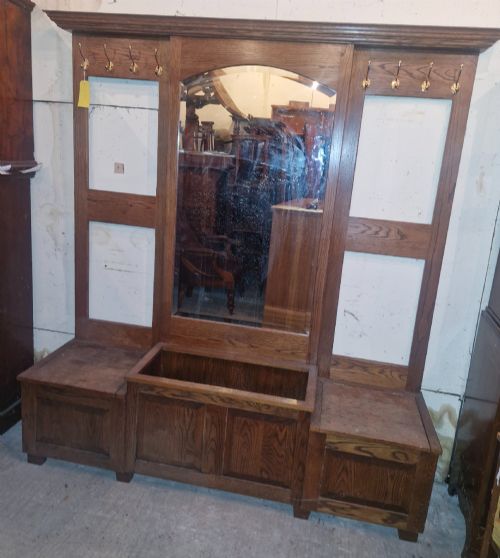
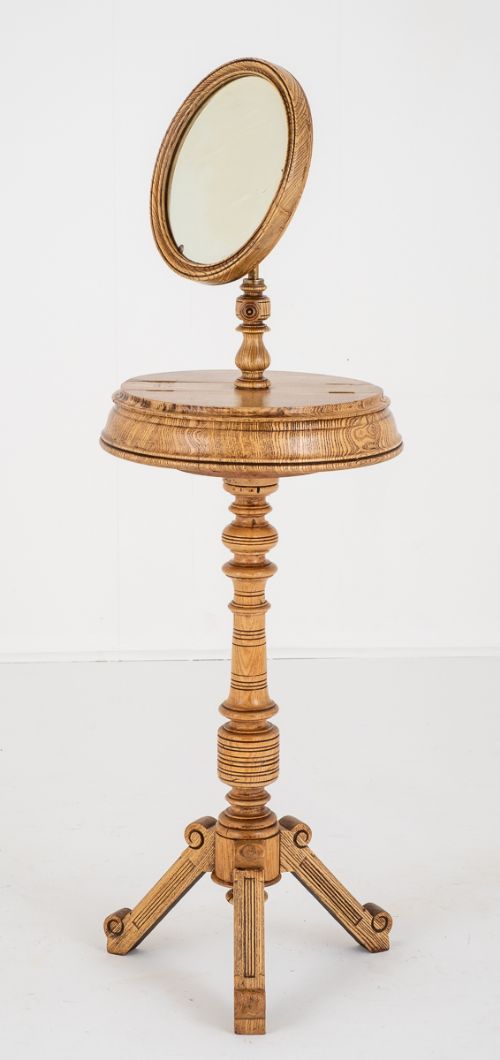
These items range from slender dressing mirrors meant for bedrooms to substantial floor-standing pieces. Alongside dedicated cheval mirrors, the current inventory includes related forms such as hall stands and shaving stands that incorporate mirror glass.
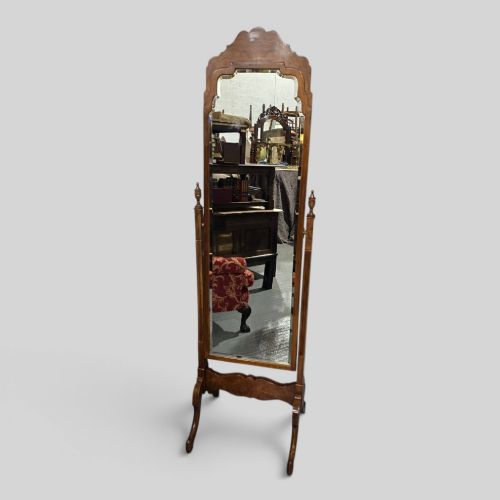
Origin and style vary from English George III and Queen Anne revivals to French and American interpretations. The overarching form remains consistent: a vertical glass plate held by upright standards and a stable base.
How they were made
Timber selection dictates the character of these frames, with mahogany, walnut, oak, and pitch pine dominating the construction. Cabinetmakers worked these woods into solid posts and curved supports, occasionally applying gesso or paint to the finished surface.
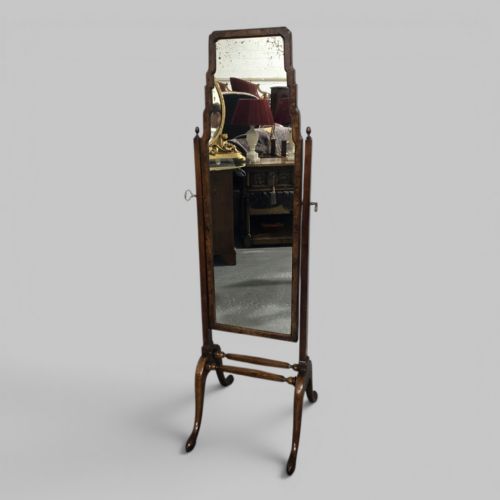
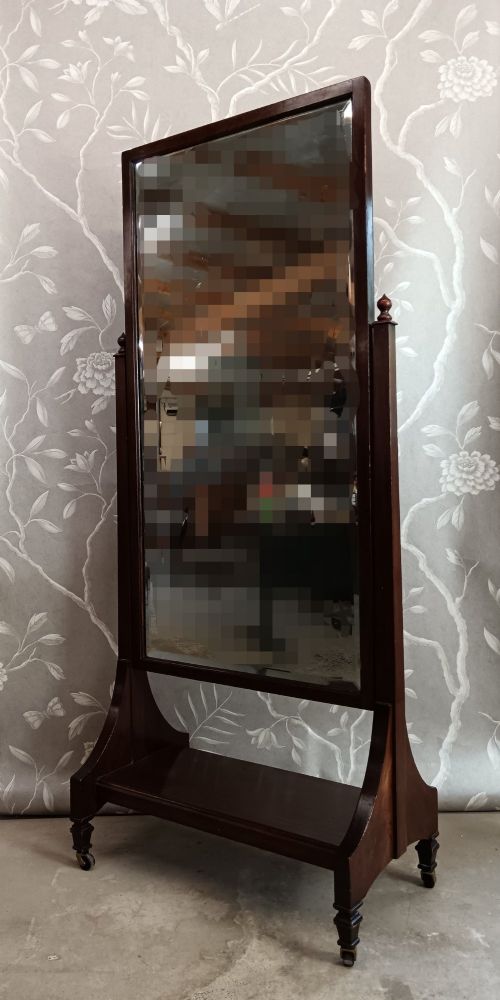
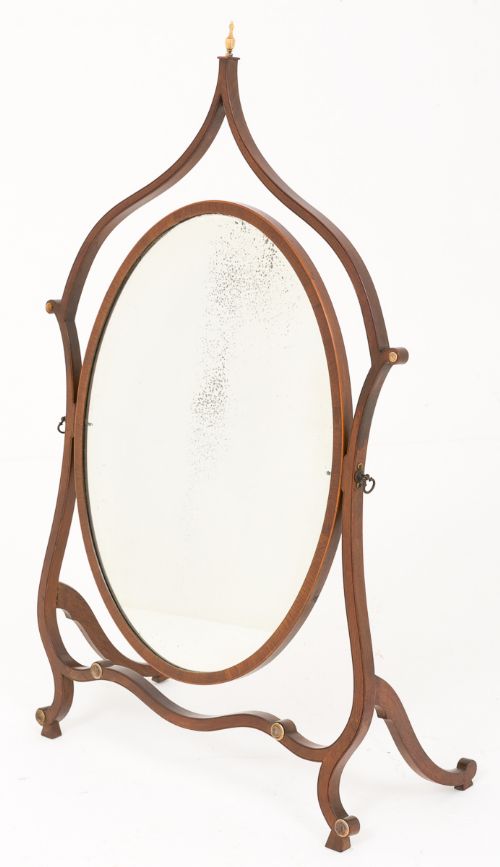
Mirror glass is held within adjustable frames mounted on pivot pins or trunnions, allowing the user to angle the reflection. Joinery relies on traditional techniques suited to heavy wooden framing that must bear the weight of thick glass plates.
Traditional Standing Mirror Retail Price Guide 2026
Typical asking prices for traditional standing mirror among the pieces listed under this phrase on Sellingantiques today, from the lower quarter to the upper quarter. They describe what is for sale here now, not the wider market.
Materials span mahogany, oak, walnut, pitch pine, brass, and gesso across Victorian, Edwardian, and Georgian periods.
What varies in quality
The sophistication of the timber grain and the depth of the carving set examples apart. Finer pieces display carefully chosen burr walnut or rich mahogany veneers, complemented by refined mouldings rather than plain structural boxing.
The stability and proportion of the supporting frame determine the success of the design. Superior pieces balance the heavy weight of the glass with robust, well-proportioned legs and secure pivoting mechanisms that hold their angle.
The Traditional Standing Mirror Glossary
- Cheval mirror
- A freestanding full-length swing mirror supported by four legs or a heavy frame. The glass pivots vertically between two upright posts.
- Gesso
- A plaster-like material applied to wood surfaces and carved or moulded before gilding or painting. It provides a smooth base for decorative ornament.
- Trunnion
- A pin or pivot inserted into the side of the mirror frame to allow rotation. It connects the glass housing to the vertical support standards.
- Overmantel mirror
- A large mirror designed to hang or stand above a fireplace mantel. Examples here share period framing characteristics with floor mirrors.
- Shaving stand
- A specialised piece of furniture incorporating a mirror and washing or storage facilities. These often date to the late Victorian era.
Traditional Standing Mirror: Frequently Asked Questions
What is a cheval mirror?
A cheval mirror is a tall, freestanding glass plate that tilts within a fixed wooden frame.
It earned its name from the French word for horse, referencing the four-legged support structure.
How do you date a wooden mirror?
Dating relies on timber types, joinery methods, and the style of the carving. Periods range from Georgian mahogany to Victorian pine and Edwardian walnut.
Secondary woods at the back of the frame also help confirm the era of manufacture.
Where should I place a standing mirror?
These mirrors suit bedrooms, dressing rooms, and hallways where full-length reflection is useful. Their pivoting design helps direct light into darker corners of a room.
Ensure the floor surface is level to keep the heavy frame stable on its base.
Are these mirrors heavy to move?
Most pieces combine solid hardwood frames with thick glass plates, making them substantial items of furniture. Many designs allow the mirror frame to lift out of the base for easier transport.
Two people are usually required to move a full-height cheval mirror safely.