

Traditional Sporting Oil Portrait
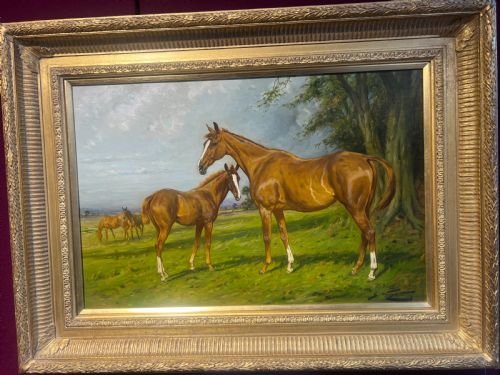
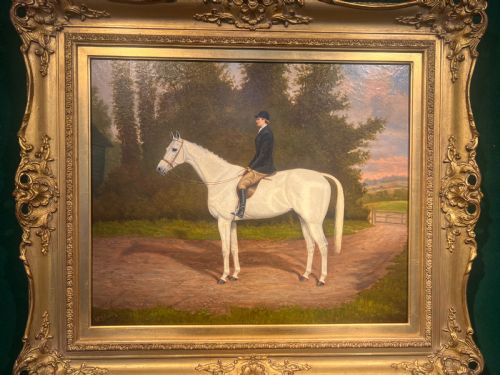
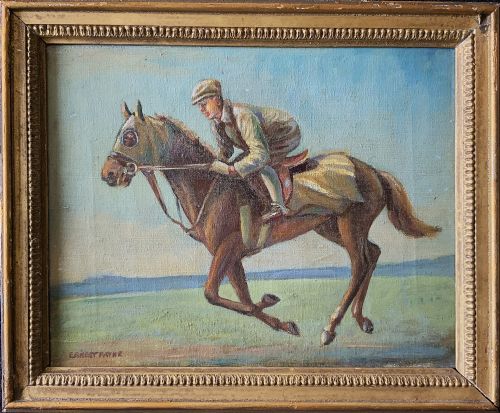
When you search for a traditional sporting oil portrait, you are looking at equine and canine subjects rendered in oil on canvas, housed in giltwood frames.
Traditional Sporting Oil Portrait
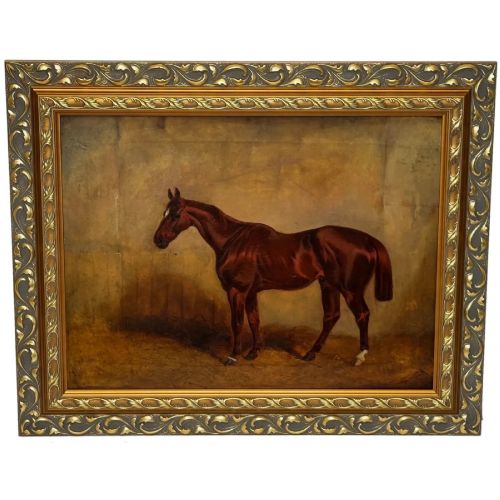
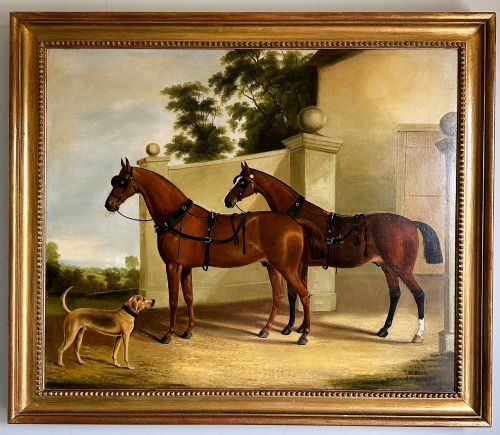
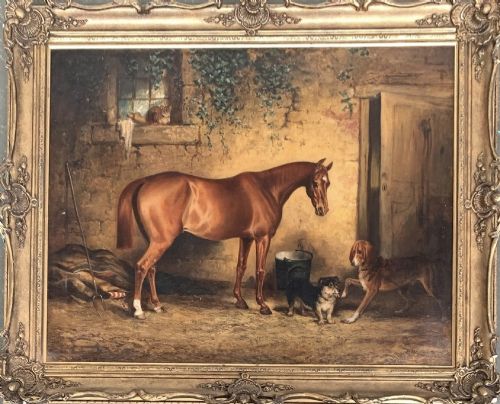
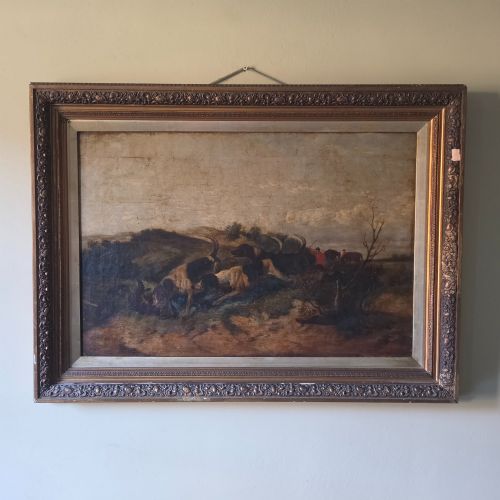
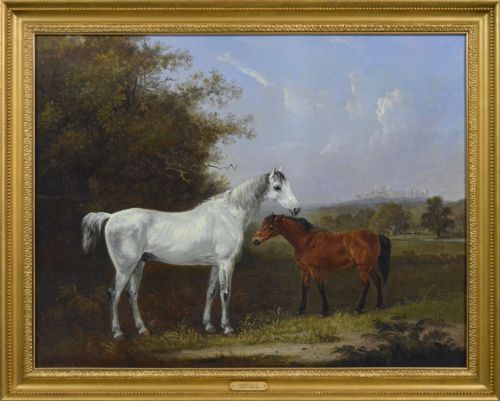
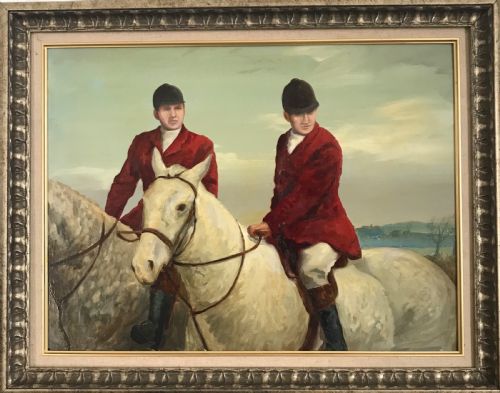
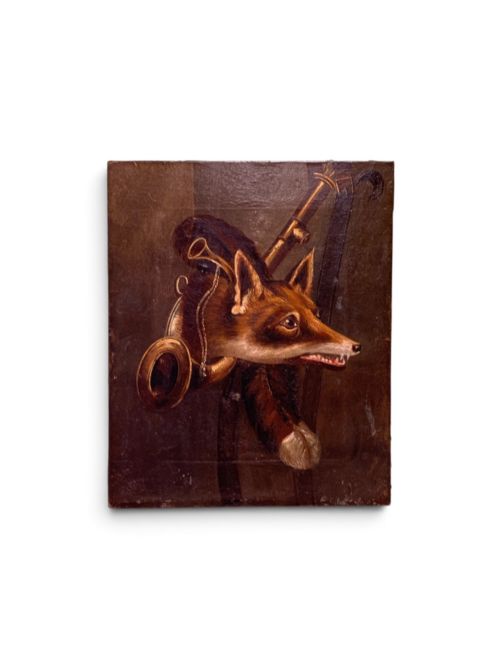
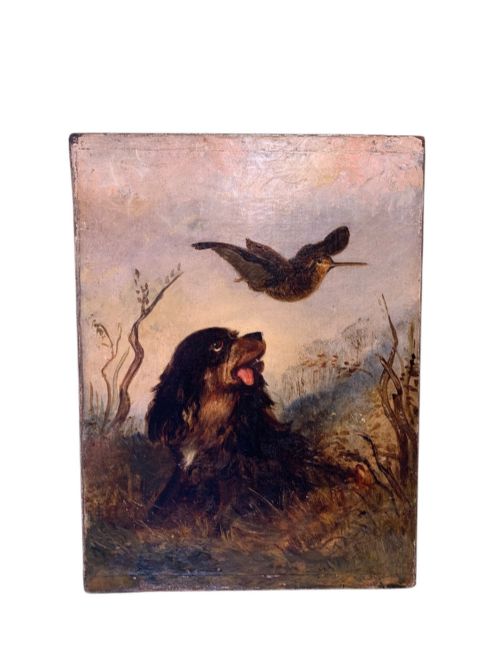
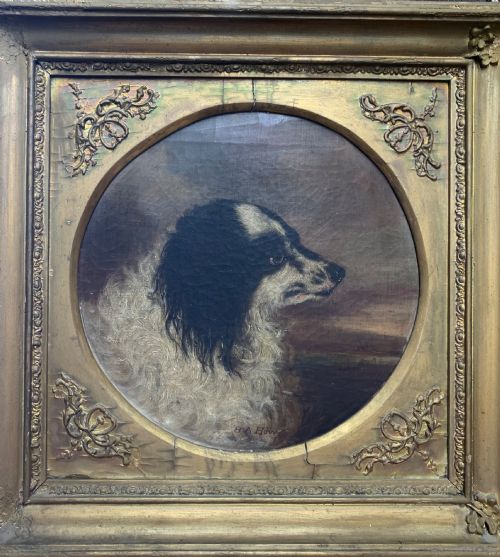
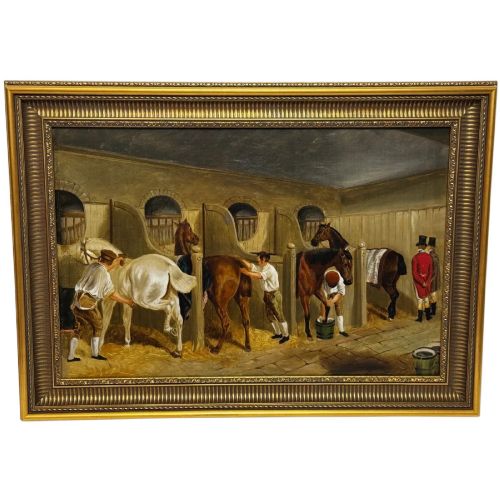
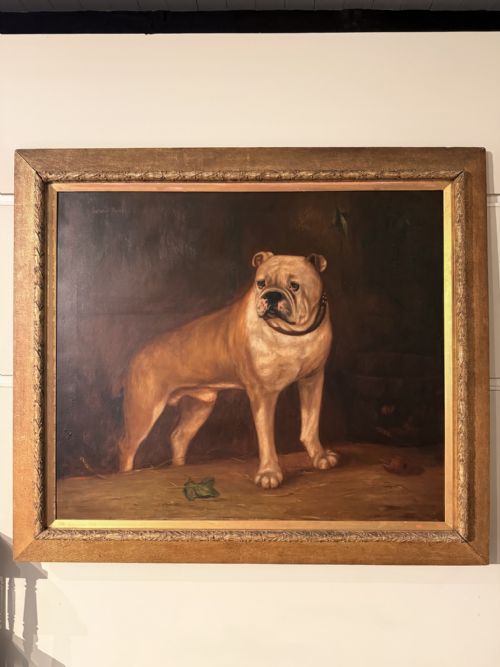
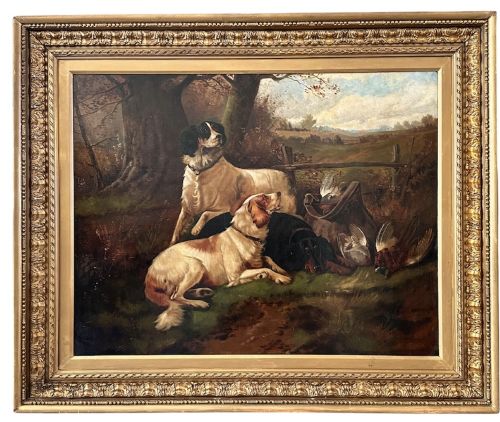
A traditional sporting oil portrait captures horses, hounds, gun dogs, and racing pigeons, painted with keen attention to anatomy and lineage. These works range from individual equine studies to dynamic scenes involving hunting dogs and racehorses with jockeys.
The pieces available span from the eighteenth century through the Victorian era and into the mid-twentieth century, showing a strong concentration of nineteenth-century British school examples. Many depict named animals, prize winners, or specific hunting subjects in pastoral or stable settings.
How They Were Made
Artists worked primarily with oil paint applied to stretched canvas, though panel supports also appear in earlier pieces. The pigments build up layers of depth, particularly in depicting the sheen of a horse's coat or the texture of a dog's fur.
Frames play a structural and aesthetic role, constructed from wood and finished with gilt or giltwood to complement the rich tones of the oil painting within.
Victorian sporting art forms the core of the selection, encompassing named hunters, stable scenes, and gun dogs.
What Varies in Quality
The fidelity of animal anatomy and the expressiveness of the subject determine the strength of the piece, separating accomplished works from rigid academic exercises. Painters who captured the individual character and conformation of a specific hunter or hound achieve a more compelling result.
Condition of the canvas and paint layer, alongside the originality of the frame, influences the integrity of the work. Evidence of proper preservation ensures the brushwork and glazing remain as the artist intended.
Henry Barraud·J Brown·John Sargent Noble·George Wright·William Albert Clarke·Ernest Payne·Thomas Walker Bretland·Albert Clark·C W Tuck·William Barraud·W Williams·Edward Lloyd of Ellesmere·George E Sharpe·Fannie moody·Edwin Frederic Holt·Colin Graeme Roe·Clifton Tomson·Alfred Wheeler·Alfred Grenfell Haigh·Abraham Cooper RA·HENRI SCHOUTEN·Charles Bilger Spalding RA·John Emms
The Traditional Sporting Oil Portrait Glossary
- Oil on Canvas
- A painting medium where pigments suspended in drying oils are applied to a woven fabric support. This combination allows for rich blending and depth of colour.
- Giltwood
- Wood carved and covered with a thin layer of gold leaf or metal gilt. It provides the traditional reflective border for nineteenth-century oil paintings.
- Equine
- Pertaining to horses. In sporting art, this covers hunters, racehorses, and stable studies.
- Grisette
- A term used to describe a grey mare colouration. It denotes a specific coat pattern in equine portraits.
- Pinxit
- A Latin term meaning he or she painted it, frequently found on eighteenth-century signatures. It precedes the artist's name on the canvas or panel.
Traditional Sporting Oil Portrait: Frequently Asked Questions
What is a traditional sporting oil portrait?
It is an oil painting depicting horses, dogs, or other animals associated with field sports, equestrian pursuits, and racing. These works serve as records of prized animals, famous hunters, and notable winners.
They reflect the deep-rooted British tradition of commemorating individual beasts through skilled portraiture, often highlighting the specific markings, conformation, and lineage of the subject.
How were these paintings displayed?
Historically, these portraits hung in country houses, estate reception rooms, and stable offices to celebrate winning racehorses and favoured hunting hounds. They were framed in substantial giltwood to project status and heritage.
Today, they suit traditional interiors, libraries, and hallways, bringing a sense of historic equestrian culture into domestic spaces.
How do I identify the period of a painting?
Dating relies on stylistic clues in the background landscape, the cut of a rider's clothing, and the framing techniques used. Eighteenth-century works often employ wood panels, while nineteenth-century pieces lean heavily on canvas supports.
Signatures, inscriptions on the reverse, and artist biographical dates provide further confirmation of when the work was executed.
Who are the typical subjects?
The subjects are predominantly named horses, such as hunters, racehorses, and grey mares, alongside sporting dogs like spaniels, setters, terriers, and hunting hounds. Pigeons and specific racing champions also appear.
Many of these animals belonged to notable figures, royalty, or local gentry, anchoring the portrait in a specific historical context.