



Traditional Spanish Table
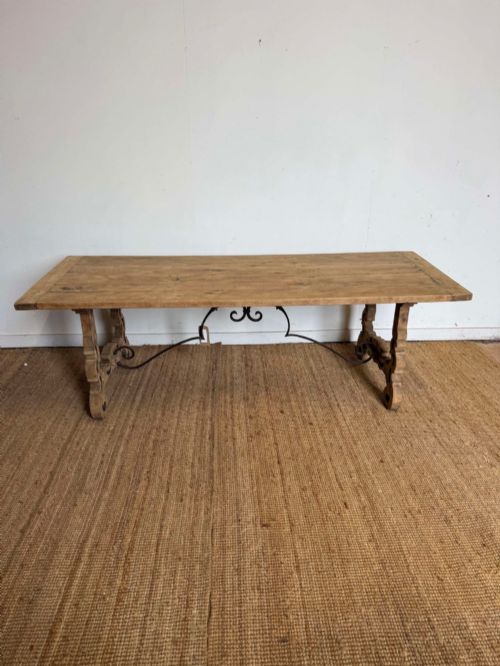
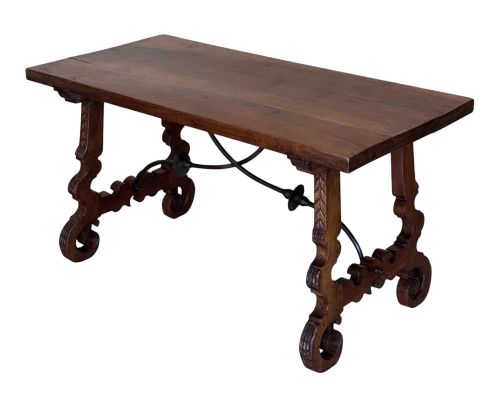
These traditional spanish table pieces are solid walnut, mahogany, and chestnut designs built for domestic use across centuries.
Traditional Spanish Table
A traditional spanish table brings centuries of Iberian craftsmanship into a modern room, drawing on periods from the seventeenth century through to the early twentieth century. Buyers seeking a traditional spanish table will encounter dining tables, coffee tables, and desks grounded in regional vernacular traditions.
The selection ranges from seventeenth-century extending dining tables in chestnut to nineteenth-century walnut dining tables and twentieth-century mahogany coffee tables. Regional expressions such as Basque folk art and Catalan forms appear alongside Spanish colonial and revival styles.
Dining tables and desks dominate the larger forms, while occasional tables and seating sets provide domestic utility. Each traditional spanish table reflects the utilitarian needs of its period, whether built for a refectory or a shepherd's dwelling.
How they were made
Construction relies on heavy hardwoods such as walnut, mahogany, and chestnut, selected for structural endurance and rich grain. Carpenters joined these timbers using traditional joinery appropriate to the period, accommodating the natural movement of large planks.
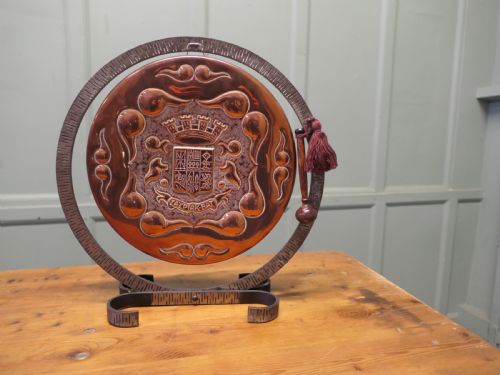
Metalwork plays a structural and decorative role, incorporating wrought iron and hand-hammered copper alongside secondary materials like leather and willow. Artisans shaped these metals manually, securing tabletops and providing braces that define the silhouette.
Traditional Spanish Table Retail Price Guide 2026
Typical asking prices for traditional spanish table among the pieces listed under this phrase on Sellingantiques today, from the lower quarter to the upper quarter. They describe what is for sale here now, not the wider market.
Regional styles on this page encompass Basque folk art, Catalan design, and Spanish colonial traditions.
What varies in quality
Quality rests upon the integrity of the timber and the honesty of the construction, distinguishing pieces built for daily service from later stylistic revivals. The depth of hand-carving and the weight of the original ironwork reveal the maker's hand.
Proportion and surface patination separate superior examples from simpler ones, as centuries of use impart depth to the wood. The retention of original hardware and untreated timber surfaces dictates the standing of each piece.
The Traditional Spanish Table Glossary
- Refectory
- A long dining table traditionally used in communal halls and monasteries. These forms provide substantial seating capacity and sturdy structural framing.
- Walnut
- A dense, dark timber favoured for fine furniture due to its stable grain and ability to hold crisp carved detail. It develops a deep lustre over centuries of handling.
- Wrought iron
- Iron heated and hammered into shape by a blacksmith. It provides structural bracing and decorative hardware on Iberian furniture.
- Basque
- Pertaining to the Basque region of northern Spain and southwestern France. Pieces from this area display distinct regional folk art characteristics and robust proportions.
Traditional Spanish Table: Frequently Asked Questions
What periods do these tables cover?
The pieces span from the seventeenth century through the eighteenth and nineteenth centuries into the early twentieth century.
Earlier examples often feature chestnut or walnut construction, while later pieces include revival designs and mahogany coffee tables.
Where were these tables used originally?
These tables served domestic, ecclesiastical, and agricultural purposes across Spain and regional territories like the Basque Country.
They stood in refectories, farmhouses, and grand homes as sturdy surfaces for dining, writing, and daily labour.
How do I care for a historic wooden table?
Maintain stable indoor humidity and temperature to prevent the solid timbers from splitting or warping over time.
Clean the surface with a dry cloth and apply occasional natural wax to preserve the historic patination of the wood.
What styles are common in this selection?
Styles include Spanish Baroque, Spanish Colonial, Spanish Provincial, and Basque regional folk art.
Revival pieces from the nineteenth and twentieth centuries also draw heavily upon these historic vernacular forms.