


Traditional Sofa End Table
These traditional sofa end table pieces combine practical surfaces with period timber construction, offering a compact place to rest a lamp beside your seating.
Traditional Sofa End Table
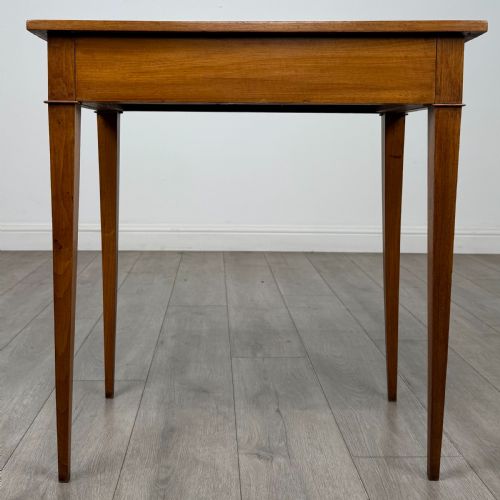
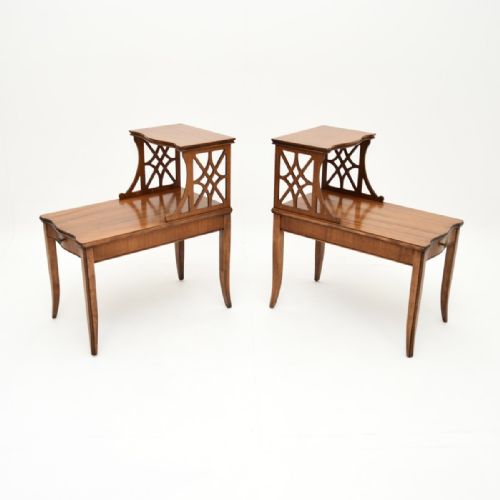
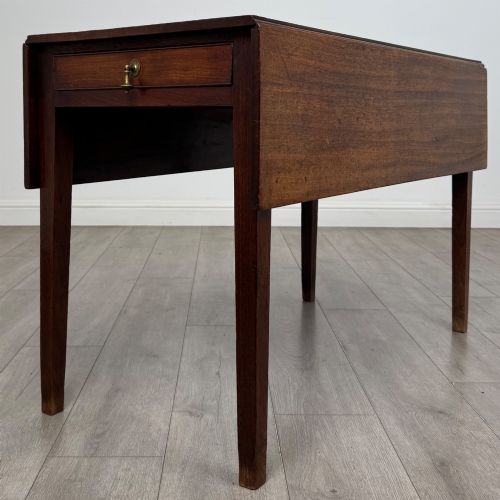
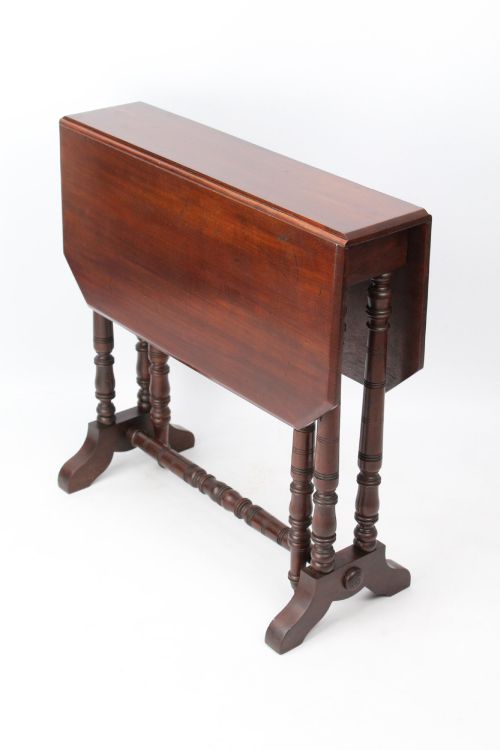
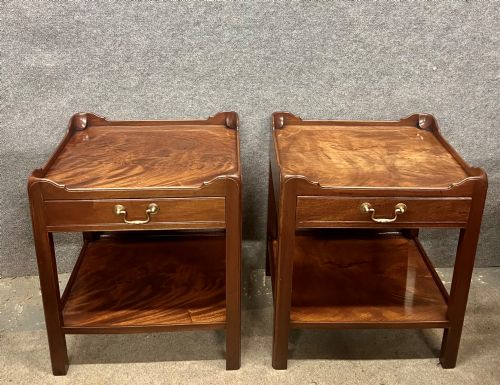
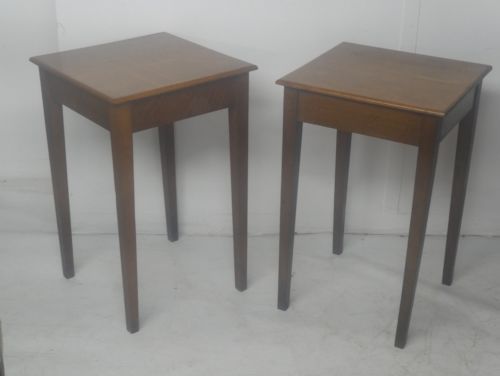
A traditional sofa end table typically manifests as a compact side table, lamp table, pembroke table, or sutherland table designed to sit beside seating. These items span periods from the Victorian era and the nineteenth century through to Edwardian pieces and the 1920s and 1930s.
The selections available here showcase diverse regional forms, ranging from English and Scottish country items to Georgian style revivals and French provincial pieces. They serve primarily as functional furniture for smaller spaces within a room.
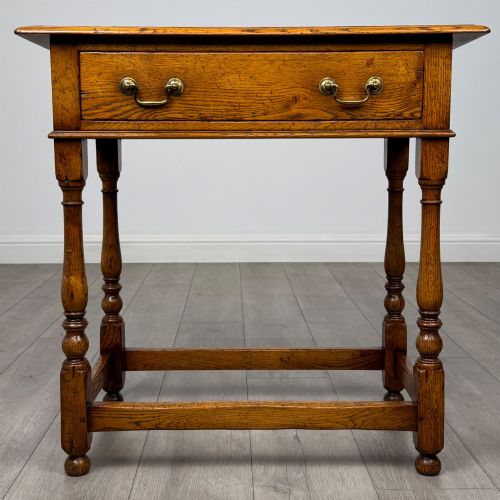
Most examples rely on traditional wood formats like mahogany, oak, walnut, and elm, occasionally incorporating brass details, ceramic components, or marble tops for added surface resilience.
How they were made
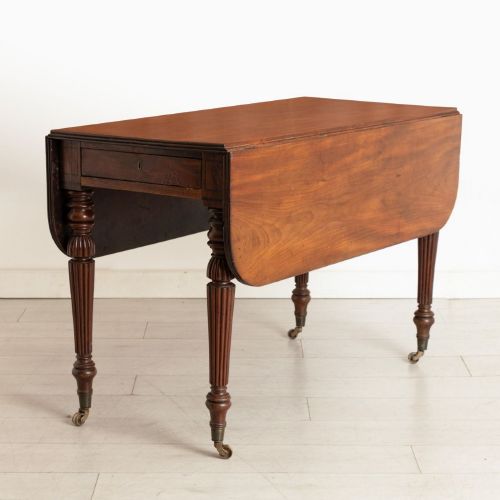
Joinery methods varied from gate leg mechanisms on folding tables to drop leaf designs supported by swinging brackets or Pembroke flaps. Additional materials like brass fittings and inset marble tops were integrated into specific styles to enhance utility.
Mahogany, oak, and walnut are the dominant timbers seen across these nineteenth and early twentieth-century side table listings.
What varies in quality
The caliber of a piece rests heavily on the selection of timber, where richly grained Cuban mahogany or burr elm elevates a standard form into a finer object. Superior examples demonstrate careful attention to the stability of folding leaves and the execution of turned wooden supports.
Proportion and restraint in decorative elements distinguish better workshop production from simpler vernacular items. Tables that retain original hardware, such as brass castors or hinges, present a more unified historical character.
The Traditional Sofa End Table Glossary
- Pembroke table
- A small rectangular table with hinged flaps on either side that can be raised to extend the surface. This form gained popularity during the eighteenth century and remained a staple through the Victorian period.
- Sutherland table
- A narrow drop-leaf table where the leaves are exceptionally large and the folding legs support them when raised. It folds down flat for compact storage against a wall.
- Gate leg table
- A table with hinged legs that swing out like a gate to support drop leaves when opened. This construction method dates back centuries and appears in various later revival pieces.
- Tray top table
- A small table featuring a raised edge or gallery around the perimeter of the surface to prevent items from sliding off. This design suits utility as a lamp or bedside table.
- Bobbin leg
- A turned wooden leg shaped with a series of rounded, spool-like nodes reminiscent of bobbins used in textile manufacturing. This decorative turning style is characteristic of certain seventeenth-century and Victorian revival furniture.
Traditional Sofa End Table: Frequently Asked Questions
What is a traditional sofa end table used for?
These pieces provide a convenient surface next to a sofa or armchair for holding lamps, books, or drinks.
Their compact footprints allow them to fit easily into smaller sitting room layouts without overwhelming the space.
How do I identify a Victorian sofa table?
Victorian examples often feature darker timbers like mahogany or walnut, sometimes displaying turned legs or drop leaves.
Looking at the construction of the joints and the style of the hardware helps connect the piece to the nineteenth century.
Are drop leaf tables practical for everyday use?
Drop leaf and pembroke designs offer adjustable surface areas that adapt easily to changing spatial needs in a room.
Dropping the flaps creates a slim profile against a wall when floor space is limited.
What woods are common in antique lamp tables?
Mahogany, oak, and walnut appear most frequently across these nineteenth and early twentieth-century listings.
Certain pieces also incorporate burr elm or exotic hardwoods like Chinese hardwood depending on the regional style.